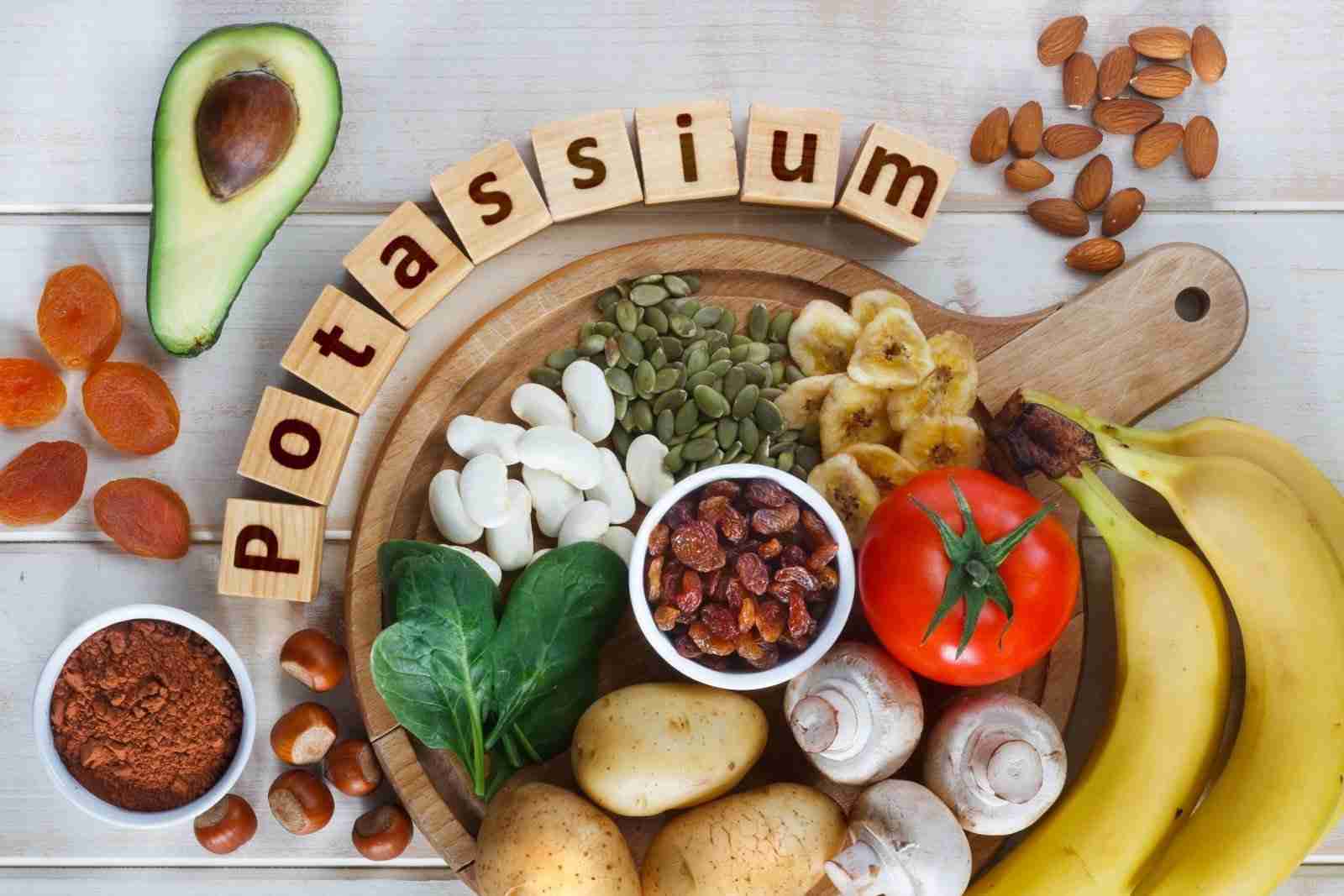
Why We Need Potassium
I started a pretty strict and healthy Keto diet sometime around mid 2019. Overall I’m pretty certain that this relatively strict regimen has been good for me and also helps me with my self discipline insofar as there is no way I can reach for some yummy junk food mainly because it is going to be packed with carbs.
I eat loads of green and cruciferous vegetables which means, in theory, that I am getting a good amount of potassium. But maybe not enough.
One thing I haven’t done a whole lot of research into is electrolytes. Apparently Keto can play havoc with your electrolyte levels plus I have an infrared sauna which I use regularly and as a result I sweat considerably once again potentially draining my body of electrolytes.
Even though I have my blood pressure in an almost perfect range now I think it is important to note that apparently potassium plays a huge role in stabilising high blood pressure. The clip to the right is pretty basic and gives a brief rundown on why we need to keep our potassium levels up and what it actually means to take 4700 mg per day. That’s the recommended daily need and believe me it’s huge. The guy talking is Dr berg. he is not an M.D but I have found his YouTube clips very helpful as they are always short and concise.
The article below is from the Harvard Medical School website. You can check the reference HERE.
Potassium is necessary for the normal functioning of all cells. It regulates the heartbeat, ensures proper function of the muscles and nerves, and is vital for synthesizing protein and metabolizing carbohydrates.
Thousands of years ago, when humans roamed the earth gathering and hunting, potassium was abundant in the diet, while sodium was scarce. The so-called Paleolithic diet delivered about 16 times more potassium than sodium. Today, most Americans get barely half of the recommended amount of potassium in their diets. The average American diet contains about twice as much sodium as potassium, because of the preponderance of salt hidden in processed or prepared foods, not to mention the dearth of potassium in those foods. This imbalance, which is at odds with how humans evolved, is thought to be a major contributor to high blood pressure, which affects one in three American adults.
The adequate intake recommendation for potassium is 4,700 mg. Bananas are often touted as a good source of potassium, but other fruits (such as apricots, prunes, and orange juice) and vegetables (such as squash and potatoes) also contain this often-neglected nutrient.
The effect of potassium on high blood pressure
Diets that emphasize greater potassium intake can help keep blood pressure in a healthy range, compared with potassium-poor diets. The DASH trial (Dietary Approaches to Stop Hypertension) compared three regimens. The standard diet, approximating what many Americans eat, contained an average of 3.5 daily servings of fruits and vegetables, which provided 1,700 mg of potassium per day. There were two comparison diets: a fruit- and vegetable-rich diet that included an average of 8.5 daily servings of fruits and vegetables, providing 4,100 mg of potassium per day, and a “combination” diet that included the same 8.5 servings of fruits and vegetables plus low-fat dairy products and reduced sugar and red meat. In people with normal blood pressure, the fruit- and vegetable-rich diet lowered blood pressure by 2.8 mm Hg (in the systolic reading) and 1.1 mm Hg (in the diastolic reading) more than the standard diet. The combination diet lowered blood pressure by 5.5 mm Hg and 3.0 mm Hg more than the standard diet. In people with high blood pressure, the combination diet reduced blood pressure even more, by as much as 11 mm Hg in systolic blood pressure and 5.5 mm Hg in diastolic pressure.
Potassium and stroke risk
High blood pressure is a leading risk factor for strokes, so it’s no surprise that higher potassium is also associated with a lower stroke incidence. One prospective study that followed more than 43,000 men for eight years found that men who consumed the highest amounts of dietary potassium (a median of 4,300 mg per day) were 38% less likely to have a stroke as those whose median intake was just 2,400 mg per day. However, a similar prospective study that followed more than 85,000 women for 14 years found a more modest association between potassium intake and the risk of strokes. Additional research has mostly upheld these findings, with the strongest evidence to support high dietary potassium seen in people with high blood pressure and in blacks, who are more prone to high blood pressure than whites.
Recommendations
- Try to eat more produce. Higher potassium consumption from foods, especially fruits and vegetables, may lower blood pressure and the risk of heart disease and strokes.
- Never take potassium supplements without a doctor’s prescription, as this can easily cause high blood potassium levels that are dangerous.
- Pay attention to the potassium content of salt substitutes, since it can be high.