Ketogenic Diet – Kenny G or John Coltrane
I found myself being a bit too righteous last night when I went to dinner at a friends house.
He had gone to a lot of trouble preparing a meal that was within the ketogenic guidelines and it was delicious, no doubts about it.
We started with some small entries that were delicious and then he announced that the first course was pumpkin soup. I mentioned that I couldn’t eat it and he fired back that you were allowed a certain amount of pumpkin on a ketogenic diet. My response was “Not the one that I’m on”. And there you have it. There are obviously different interpretations on what a ketogenic diet consists of. Does this mean that we are all studying different data or just simply listening to our friends who pass on incorrect information.
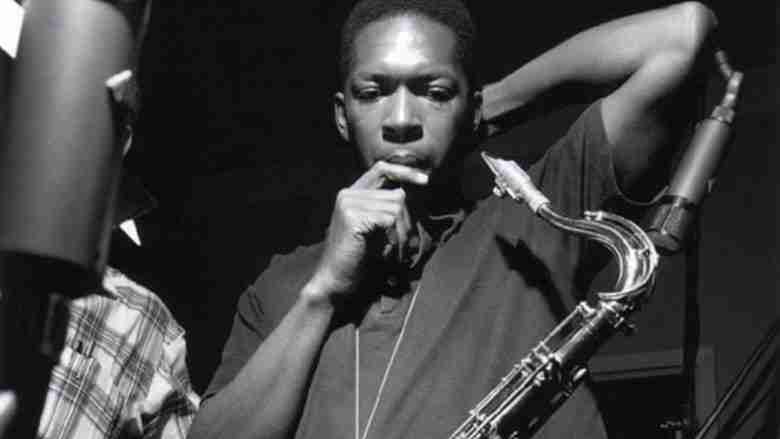
In some ways it’s a bit like comparing John Coltrane to Kenny G. They both played soprano sax but I certainly know who I want to listen to. John Coltrane is far more respected by jazz purists and in some ways worshipped as a musician who innovated and smashed down boundaries and old ideas whereas Kenny G was far more popular and sold a hell of a lot more records and was adored by the masses. Who will be remembered in 50 years time?
I originally adopted the ketogenic diet exclusively to lose weight and as a by product I noticed that the more I adhered to it the more positive effect it had on other aspects of my health like pre-diabetes, blood pressure, fatty liver et al.
As time went on and I made a deeper dive into the science behind the diet I became more and more aware that for me it is a lifetime commitment that will hopefully keep me healthy and combat some pretty serious pre-existing conditions. One of these being cancer! So there’s no way that I am going to approach it in a “Kenny G” sort of manner.
It would be so easy to just cut out carbs and every now and again fall off the wagon. This might become a vicious circle where you feel like you are doing the right thing without testing or keeping records of your macros or even worse not eating enough clean non starchy low carb vegetables that will supply the fibre and micro-nutrients that your gut needs or even not eating enough clean healthy fat to keep your body in a constant state of nutritional ketosis.
I have been on a very strict ketogenic diet pretty much all of this year as a response to my cancer treatments and all of the research that I have done on the proliferation of cancer and it’s love of glucose and glutamine as its major source of fuel.
The macro ratios that I have tried to adhere to are Carbs – 20 grams, Fat -180 grams and Protein – 60 grams.
The only way I could do this was to record everything that entered my mouth. I found an app called “Cronometer” and religiously recorded every bit of food and drink that I put in to my body plus quantities, based on the guidelines above. Every day I would also test my blood glucose and blood ketones to ensure that my GKI (Glucose Ketone Index) was in the correct range for a person applying this diet as a therapeutic discipline to keep starve the cancer cells (as much as possible) and to keep my metabolism in a fat burning model whereby my body was fuelled by ketone bodies as opposed to glucose and where my insulin levels and blood glucose was as stable as is humanly possible.
Just as a footnote. I was also doing loads of other things to handle the cancer. The ketogenic diet was overall just one of them but it formed the foundation for everything else that I did and I look at it’s application as an integral part of why I feel so good.
What I’m trying to say here is that when you have cancer and you want to apply the principles of a ketogenic diet/lifestyle then you must go down the John Coltrane route and leave the Kenny G route to those who just want to lose a bit of weight and fall of the wagon whenever the mood takes them.
The reason?
If you don’t do it 100% properly then you don’t stand much of a chance of it being a therapeutic device to keep the cancer under control while you apply other therapies.
I am basing my viewpoints on anecdotal evidence and data that I have studied from researchers and medical people who I trust and respect. People who can offer me logical information based on science and reason. I don’t know too much about bio-chemistry or the metabolic process but I do have the power and observation skills to observe my own response to what I am doing.
Without testing, biometrics and recording as much data as possible I personally believe that it is far too hard to stay in control of a diet that is so precise.
Food becomes medicine.
It’s purpose is to give your body of the correct fuel to keep it going, to supply’s it with energy and nutrients to re-build and to contribute to creating a system that has as little inflammation as is possible.