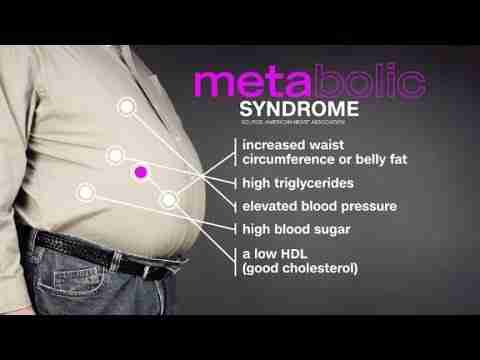
Metabolic Syndrome AKA Syndrome X
Metabolic Syndrome is a disorder that affects over 40% of people over 60. Metabolic syndrome is a metabolic disorder that involves not one, but a combination of three or more of the following health issues: abdominal obesity, high blood sugar, high triglyceride levels, high blood pressure or low HDL (“good”) cholesterol.
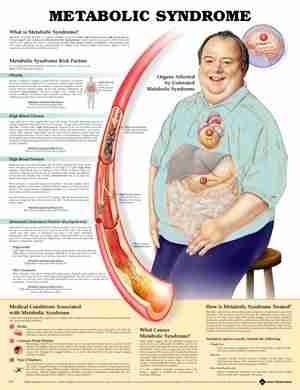
There are 5 indicators pointing toward having metabolic syndrome. If you have 3 of these then the likelihood of having metabolic syndrome is significant.
- Increased waist circumference or belly fat. Men 40 inches (102 cm approx) and above. Women 35 inches (89cm) or above.
- High triglycerides – 150 mg/dl or higher (38.8 mm/ol)
- Elevated blood pressure – if it is over 135/85
- High blood sugar – if your fasting blood sugar is over 5.5
- Low HDL (High Density Lipoprotein A.K.A good cholesterol) – less than 50mg/dl ( 12.93 mm/ol) for women and 40mg/dl (10.35 mm/ol) for men in a fasted state.
N.B To convert mm/ol to mg/dl x 38.67
To convert mg/ol to mm/ol x .2586
Having metabolic syndrome significantly increases your risk of cardiovascular disease and Type 2 Diabetes. It can also lead to non alcoholic fatty liver disease, stroke, kidney disease and in some cases can exacerbate the risk of cancer. If you drink too much chances are that you will have alcoholic fatty liver. The good news is that with knowledge and hard work you can reverse all of these symptoms.
I have handled it now but back in 2019 I had this condition and even though I am embarrassed to admit it, I had it for years. The fact that I reversed it without any help from the medical profession proves to me that it is 100% reversible if you make an effort. In Australia we used to call it a pot belly which was associated with men who drank a lot of beer. Apparently at least 25% of Americans suffer from metabolic syndrome and I would imagine the numbers are similar in Australia.


Unfortunately most doctors do a minimal amount of training on diet, which in itself is shocking. But this doesn’t stop them from updating their knowledge and being more responsible for helping their patients to get healthy without big Pharma drugs.
From my own personal understanding and experience metabolic syndrome is a condition that is created by ourselves through over indulgence in what our society looks upon as “yummy” food, drink and a general lack of activity. To understand what brings it on you would need to understand how your metabolism works, what insulin resistance is, what happens when you eat too many carbohydrates, snack too much or eat too much sugar or glucose. I’ve put several YouTube clips at the end of this blog that I strongly advise you to study, even if it means watching them more than once.
My main observation in relation to myself is that I needed to understand what was happening to my body before I was willing ,able and ready to take responsibility to do something positive about it. My GP told me that I was pre-diabetic but she didn’t explain what that meant. Unfortunately she looked like she had the same condition!
My fasting blood sugar was on the cusp of being at Type 2 Diabetic levels. That sounds a bit dumb of me but unfortunately those are the facts. I was very aware that my blood pressure was high but when I was prescribed blood pressure medication I just blindly took it and didn’t even look at what the side effects were. As far as my fat belly went, I felt defeated and the idea of it “going away” seemed harder than climbing Mt Everest and as far as triglycerides and HDL goes I had no idea at all.
Belly Circumference and Obesity
Even though your BMI (Body Mass Index) isn’t the best way of ascertaining what’s really going on it is a marker that can help you gauge your condition and consequently have a goal to work towards. To work out your BMI you get your weight in kilograms and divide it by your height in metres.
If your BMI is over 25 you are overweight and if it is over 30 then you are obese. You can also be underweight. So id your BMI is under 18.5 you should take action. N.B There are lots of other factors at play like how much muscle you have, visceral fat and adipose fat ratios plus a lot more so this is simply a screening tool.
The bottom line is that you really should be aware that if you have a big belly that you are putting yourself at risk of all cause mortality and potentially shortening your life and also your quality of life. That in itself should be enough for you to take action.
High Triglycerides
What is a triglyceride? Well, to put it simply they are a type of fat (lipid) found in your blood. When you eat or drink your body stores any calories that it doesn’t use right away into triglycerides. These are then stored in your fat cells. If you don’t eat too much the idea is that later on hormones release the fat as fuel to keep you going. This is why you lose weight when you fast or eat a well balanced low carbohydrate diet or if you are serious, a well structured ketogenic diet.
Our bodies are forever slowly evolving. Mother Nature is incredibly smart and let’s face it, it wasn’t that long ago that we were hunter gatherers and as such we faced long periods of potential lack of food. So this is what evolution designed as a portable “food supply” so when times are tough you actually had some fuel that you carry on your body (as fat). This works well until we arrived in the 21st century when there is a never ending supply of “yummy” un-nutricious food and drink available 24/7.
No wonder we are going through an obesity epidemic!
High Blood Pressure
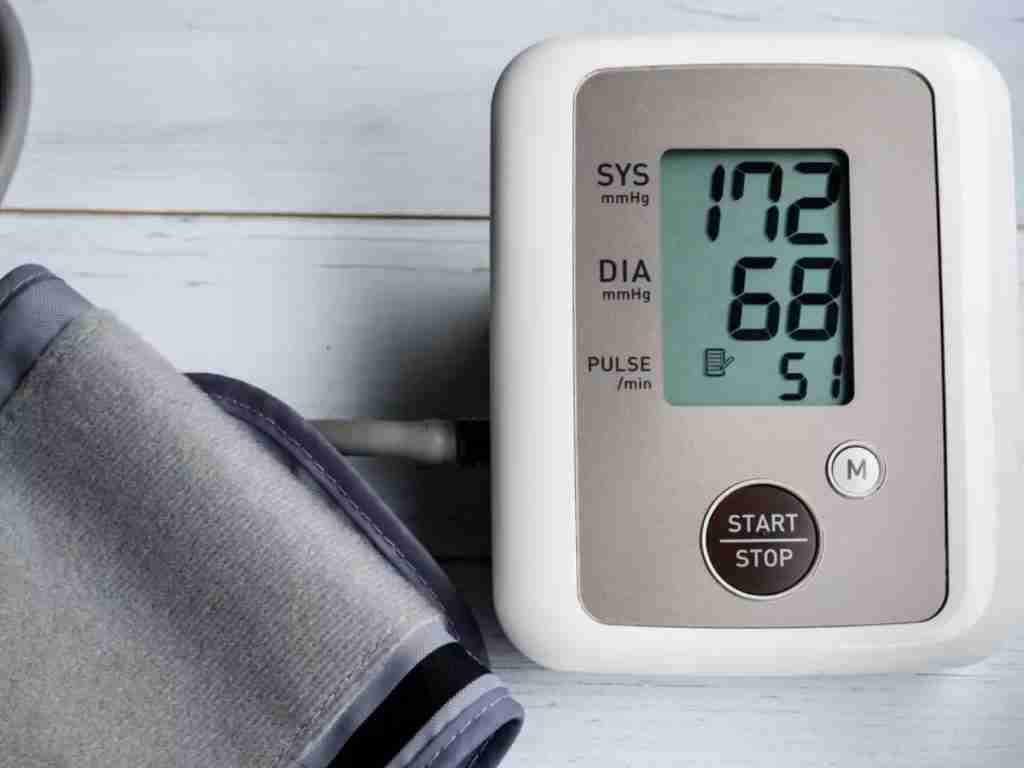
Also known as hypertension. HBP is a long term medical condition in which blood pressure in the arteries is persistently elevated. Hypertension is a major cause of premature death worldwide. Yep, it eventually kills you. If you are a big drinker chances are you will have high blood pressure, if you eat heaps of junk food ditto.
High blood pressure is when your resting blood pressure is persistently above 130/85. It is measured in millimetres mercury (mmHg). My advice is that you go out and buy a cheap BP machine and regularly check and record you blood pressure.
Sure, you can get medication to regulate your blood pressure but when you read the list of side effects I’m sure a sensible person will opt toward making some serious life style changes to normalise their BP. But having said that I am not suggesting that you throw away your medication until you have your BP under control in a more natural way.
According to Wikipedia hypertension’s believed to have been a factor in 18% of all deaths in 2010.
High Blood Sugar
Basically this means that there is an excessive amount of glucose circulating in your blood plasma. It is also called hyperglycaemia.
This is my understanding.
Back when I was a kid we ate 3 meals a day with very little snacking. My mum made sure that we had a relatively nutritious breakfast, lunch and dinner. “Treats” were just that, they were rewards that didn’t come that often. I don’t remember eating between meals.
I’m not going to get into the nitty gritty here but over the past 7 decades we have been fed huge amounts of misinformation by the food industry about what we should and should not eat. All you need to do is to look at the obesity levels and the increase in diseases like Type 2 Diabetes and Alzheimer’s Disease in our society to see the signs that something is wrong. Saturated fat was demonised and low fat processed foods were promoted as the healthy alternative. We fell for the hype and the big food processors and supermarkets lined their pockets with lots of cash while the little butcher shops and veggies shops struggled to keep up with the convenience that highly processed sugar laden foods full of chemicals and toxic highly processed oils seemed to provide.
So here is the dumbed down version of what happens when you eat. Keep in mind that most of what we eat in the SAD (Standard Australian Diet) is processed carbohydrate. All you need to do is to look on the back of the food packaging to see how many carbs are in your food. Just think about this based on what you eat yourself for a minute and look at one day of food that you consume.
Maybe you eat a muffin or some processed cereal for breakfast. Most of the time you have no idea what is going on in your body when you gobble up your food. As soon as you eat high glycemic carbs they convert to glucose which ends up in your blood. Depending on what you eat this might quite often shoot it up far too high. Your body spots this and directs the pancreas to produce some insulin to bring the blood sugar down to a normal level. Within about 90 minutes your blood sugar drops and you are hungry again. Time for another snack. The insulin spikes again and the cycle repeats throughout the day. It’s a bit like an open fire. If you just used kindling you would need to keep stacking it on to keep the fire burning.
Eventually your body goes a bit nuts and the insulin stops working as it should. To put it very simply insulin is like a key that opens the door of the cell to let the glucose in. The glucose is supposed to be your fuel. If it can’t get into the cell it stays in your blood and eventually manifests as High Blood Sugar.
This is called insulin resistance. I urge you to study what this is in detail and to fully get your head around its implications as it is at the base of many of our current metabolic problems that lead to Metabolic Syndrome.
Low HDL Cholesterol
Cholesterol has become a dirty word yet our bodies need it. From what I understand our own bodies produce about 80% of what we need and the rest comes from our food.
Somewhere along the line we were convinced that cholesterol is our enemy. It’s a bit like saying that ambulances are usually seen at the scene of an accident so therefore they must be responsible for accidents. Whoops!
Cholesterol is a waxy, fat-like substance that is found in all cells in our body. Your liver makes cholesterol and your body needs cholesterol to work properly.
With HDL cholesterol. Higher numbers are actually better because it can lower your risk go coronary artery disease and stroke.
Simply stated HDL carries cholesterol from other parts of your body back to your liver which then removes the bad stuff from your body.
LDL (Low density lipoproteins) is the bad stuff and builds up in your arteries. But let’s face it, cholesterol is far more complex than this.
The way to increase your LDL levels is a well planned, healthy diet, controlled weight, lots of exercise and an absence of toxic substances like tobacco, alcohol and toxic fast and/or processed foods.