Hormones: The Invisible Forces Driving Everything
There’s a phrase that gets tossed around a lot in medical circles:
“It’s your hormones.”
It’s vague. Frustrating. And usually said as if that’s all the explanation you need. But if you’ve ever been told that without context, you’re not alone. The truth is — hormones are involved in almost everything your body does. They regulate, direct, and fine-tune the systems that keep us alive and functioning.
I’ve come to understand this not just through reading or listening to podcasts, but by living it — through cancer, through alcohol recovery, through liver dysfunction, and more recently, through a brush with pre-diabetes that I didn’t see coming.
What Exactly Are Hormones?
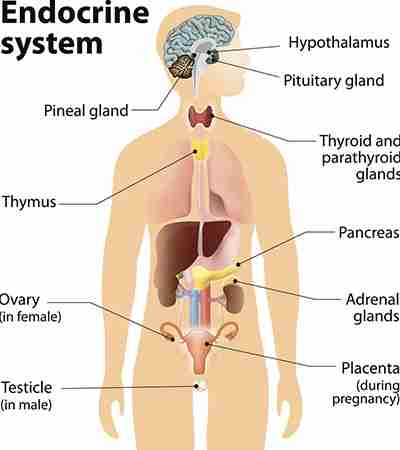
Hormones are signaling molecules produced by glands like the pancreas, adrenals, thyroid, pituitary, ovaries, and testes. They travel through the bloodstream to organs and tissues, delivering instructions that affect metabolism, sleep, hunger, libido, mood, temperature regulation, stress response, and more.
Think of them as the software instructions in a complex operating system. They don’t just operate in isolation — they interact, balance, counterbalance, and amplify one another depending on what’s needed at the time.
A Breakdown of Key Hormones and Their Interactions
1. Insulin
Made by: Pancreas
Main job: Regulates blood sugar levels by transporting glucose into cells for energy or storage.
Interactions: Works with glucagon to maintain balance; elevated insulin suppresses fat burning and can lead to resistance if chronically high.
In context: After breaking my leg last November, I became far less active. Despite a clean diet, my insulin shot up — my body wasn’t using energy efficiently, and fat started accumulating, particularly around the middle. My HOMA-IR score showed clear signs of insulin resistance — and pre-diabetes.
2. Glucagon
Made by: Pancreas
Main job: Raises blood sugar when it’s too low by signaling the liver to release stored glucose.
Interactions: Opposes insulin — they’re like yin and yang in glucose control.
In context: A well-timed release of glucagon during fasting can improve metabolic flexibility — something I’ve focused on through intermittent fasting and OMAD.
3. Leptin
Made by: Fat cells
Main job: Tells your brain when you’ve had enough to eat.
Interactions: Works with insulin and thyroid hormones. Chronically high insulin can lead to leptin resistance.
In context: With more fat mass comes more leptin, but paradoxically, the brain stops listening. That’s why losing fat and improving insulin sensitivity often restores appetite control.
4. Ghrelin
Made by: Stomach
Main job: Triggers hunger, especially before meals.
Interactions: Inversely related to leptin and insulin.
In context: When I started doing OMAD, ghrelin would spike — but after a few weeks, it normalized. The hunger became more predictable, not frantic.
5. Cortisol
Made by: Adrenal glands
Main job: Manages stress, raises blood sugar, suppresses inflammation (short-term).
Interactions: Stimulates insulin production; long-term elevation increases belly fat, muscle wasting, and disrupts sleep.
In context: Chronic stress, even emotional, can raise cortisol — something I’ve learned to manage through breathwork, sauna, and cold plunges.
6. Melatonin
Made by: Pineal gland
Main job: Regulates sleep cycles and circadian rhythm.
Interactions: Influences growth hormone, insulin, and immune function.
In context: I’ve been taking melatonin at high doses (under supervision) since cancer. When sleep is good, everything else — including insulin regulation — improves.
7. Testosterone
Made by: Testes (and adrenal glands in smaller amounts)
Main job: Builds muscle, boosts libido, energy, drive, and mood.
Interactions: Suppressed by cortisol; influenced by insulin levels and body fat.
In context: After a full 10 weeks on weekly TRT, I feel stronger, more motivated, and sexually alive. Muscle mass is up, body fat is down, and insulin is finally moving in the right direction.
8. Thyroid Hormones (T3, T4)
Made by: Thyroid gland
Main job: Regulate metabolism, heart rate, temperature, and energy.
Interactions: Work in concert with cortisol, insulin, and estrogen/testosterone.
In context: Subtle dysfunction here can make weight loss hard despite effort — another piece I’m watching closely via blood tests.
My 6-Week Journey Back from Pre-Diabetes
In early March, I got serious. I:
Shifted to a strict low-carb/keto diet, aiming to restore fat adaptation.
Started OMAD (One Meal A Day) with a 3–4 hour eating window.
Recommitted to walking daily, doing strength training 4x/week, and regular sauna + cold plunge.
Maintained TRT, added glutathione IVs, resumed HBOT (3x/week), and supported recovery with electrolytes.
Logged everything — food, blood sugar, ketones, symptoms, sleep, and mood.
But it hasn’t been smooth.
After my broken leg and months of inactivity, my insulin was high, and my body had lost some of its ability to use fat as fuel. Despite a clean diet, I wasn’t fully fat-adapted. My GKI (Glucose Ketone Index) lingered above therapeutic levels.
Only recently — by lowering protein and increasing fat — did I see my ketones rise above 1.5. But now that I’m in Amed, sourcing enough high-fat food is harder, and my levels have dropped back toward 1.0. It’s been a slow transition, but I can feel it happening. The energy crashes are less frequent. Hunger is more manageable. The weight around my trunk is loosening.
I believe my insulin levels are slowly coming down, and with it, the inflammation, the heaviness, and the risk.
Final Thoughts
Hormones don’t just cause problems — they respond to how we live. They respond to movement, food, stress, sleep, trauma, injury, joy, and purpose. They are interpreters of your internal and external world.
If something feels “off” — weight gain, fatigue, cravings, poor sleep, low mood — don’t just blame aging. Dig deeper. Learn the language of your hormones.
That’s what I’ve done — not always perfectly — but consistently enough to feel like I’ve been given a second chance.
Appendix: A Broader List of the Body’s Hormones
Hypothalamus
TRH (Thyrotropin-releasing hormone)
CRH (Corticotropin-releasing hormone)
GnRH (Gonadotropin-releasing hormone)
GHRH (Growth hormone-releasing hormone)
Somatostatin
Dopamine
Pituitary Gland
TSH (Thyroid-stimulating hormone)
ACTH (Adrenocorticotropic hormone)
LH (Luteinizing hormone)
FSH (Follicle-stimulating hormone)
GH (Growth hormone)
Prolactin
Oxytocin
ADH (Antidiuretic hormone / vasopressin)
Thyroid & Parathyroid
T3 & T4 (Thyroid hormones)
Calcitonin
PTH (Parathyroid hormone)
Adrenal Glands
Cortisol
Aldosterone
Adrenaline / Noradrenaline
DHEA
Androgens
Pancreas
Insulin
Glucagon
Somatostatin
Pancreatic polypeptide
Ovaries (in females)
Estrogen
Progesterone
Inhibin
Relaxin
Testes (in males)
Testosterone
Inhibin
Anti-Müllerian hormone
Other Hormone-Producing Tissues
Leptin (fat cells)
Ghrelin (stomach)
Melatonin (pineal gland)
Erythropoietin (kidneys)
Renin (kidneys)
Natriuretic peptides (heart)
Vitamin D (acts like a hormone)
Thymosin (thymus)
Prostaglandins (signaling molecules)