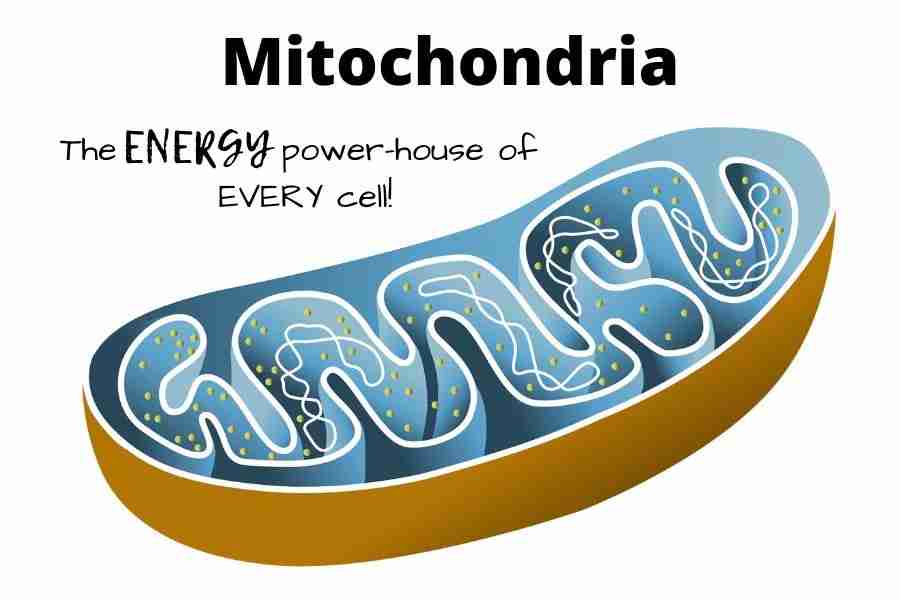
Mitochondria : The Ancient Engines of Life
Mitochondria: The Ancient Engines of Life
I’d never even heard of mitochondria until about four years ago. These days I throw the word around like it’s part of my daily toolkit — “Oh yeah, gotta support the mitochondria,” I say, often with conviction, but if I’m honest, I hadn’t really stopped to ask: What exactly are mitochondria? Where did they come from? And how do they actually help me stay alive, recover from illness, or chase better health at 73?
We often hear mitochondria described as “the powerhouses of the cell” — a tidy metaphor that’s technically true, but barely scratches the surface of their role in human health, aging, and energy. So I’ve decided to dig deeper. I’ve been listening to experts like Dr. Mark Tarnopolsky and Professor Ben Bikman, and what I’m finding is truly mind-blowing. These microscopic engines not only power every cell in your body — they might also hold the key to slowing aging, boosting resilience, reversing disease, and improving mental clarity.
But before we dive into the cutting edge of cold plunges, HBOT, and mitochondrial biogenesis, let’s start with a truly bizarre origin story…
A 2-Billion-Year-Old Merger: How Mitochondria Came to Be
Roughly 2 billion years ago, long before humans, dinosaurs, or even jellyfish, Earth was home only to primitive single-celled organisms. One day (give or take a few million years), a larger host cell swallowed a smaller bacterium. But instead of digesting it, the two struck a bargain.
The smaller organism — likely an alpha-proteobacterium — was incredibly good at producing energy from oxygen, and the host cell offered it shelter. This unexpected merger gave rise to a new kind of life: the eukaryotic cell — the foundation of all complex life, including you and me.
Over time, that inner bacterium evolved into what we now call the mitochondrion. It lost most of its independent DNA, but it didn’t become part of us entirely. In fact, mitochondria still carry their own tiny loop of DNA — and, in a twist of evolutionary inheritance, it’s passed down only from the mother.
The Role of Mitochondria: Energy and So Much More
Every cell in your body (except red blood cells) contains hundreds to thousands of mitochondria. Their job? Convert the food you eat — especially fats and glucose — into a molecule called ATP (adenosine triphosphate), which your body uses for energy.
But mitochondria are not just power plants. They:
Regulate apoptosis (programmed cell death — essential for preventing cancer)
Control calcium signaling and cell growth
Act as gatekeepers of inflammation, involved in immune system regulation
Influence mental health and brain function (some researchers even call depression a mitochondrial disease)
Produce reactive oxygen species (ROS) — which can cause damage if not neutralized by antioxidants
Mitochondria from Your Mum: Why Maternal Inheritance Matters
Dr. Mark Tarnopolsky highlights a fascinating aspect of mitochondria: we inherit all our mitochondrial DNA (mtDNA) from our mothers. This is because sperm mitochondria are tagged for destruction at fertilization. That makes mitochondrial health something of a maternal legacy — and why some diseases (like mitochondrial myopathies) often run along maternal lines.
Mitochondria in the Brain: A High-Energy Hotspot
The brain is one of the most energy-hungry organs in the body, and as a result, it contains a particularly high concentration of mitochondria. Neurons require a continuous, stable supply of ATP to function properly, maintain membrane potentials, and support neurotransmission.
Mitochondrial dysfunction in the brain has been linked to numerous neurological and psychiatric disorders, including Alzheimer’s disease, Parkinson’s, bipolar disorder, and depression. There’s also growing interest in the role mitochondria might play in neurodevelopmental disorders like autism spectrum disorder (ASD). Emerging research suggests that a reduction in mitochondrial number or efficiency, potentially due to environmental stressors or a sedentary lifestyle, could impair brain development and contribute to the symptoms associated with ASD.
Mitochondrial Biogenesis: Making More of the Good Stuff
Want more energy? You can actually grow more mitochondria. This process is called mitochondrial biogenesis — and according to Dr. Tarnopolsky, just 3 months of high-intensity exercise can double your mitochondrial density.
Ways to encourage mitochondrial biogenesis:
Strenuous Exercise: Especially HIIT and strength training
Cold Exposure: Ice baths and cold plunges stimulate brown adipose tissue (BAT) — a type of fat rich in mitochondria that burns energy to generate heat
HBOT (Hyperbaric Oxygen Therapy): Some studies suggest HBOT stimulates mitochondrial repair and biogenesis via enhanced oxygenation and hormetic stress
Ketosis & Intermittent Fasting: These create a metabolic environment that favors mitochondrial adaptation and efficiency
Key Nutrients & Compounds: CoQ10, PQQ, alpha-lipoic acid, carnitine, NAD+ boosters
Mitophagy: Spring Cleaning for Your Cells
Mitophagy is the selective degradation and recycling of damaged or dysfunctional mitochondria. It ensures that only efficient, healthy mitochondria stick around. Without mitophagy, old mitochondria accumulate, spewing reactive oxygen species and inflaming tissues.
Stimulators of mitophagy include:
Fasting and calorie restriction
Exercise and cold exposure
Ketogenic states
Certain phytochemicals like spermidine, resveratrol, curcumin
Aging: A Mitochondrial Perspective
Aging isn’t just about gray hair and wrinkles. On a cellular level, it’s often the decline of mitochondrial function that drives fatigue, muscle loss, brain fog, metabolic disease, and poor recovery.
As mitochondria become damaged or dysfunctional over time, your cells lose their ability to produce energy, repair tissue, or detoxify efficiently. This leads to what scientists call “inflammaging” — chronic low-grade inflammation that accelerates biological aging.
Combatting mitochondrial decline can slow aging. Here’s how:
Exercise regularly to stimulate biogenesis and maintain mitochondrial quality
Prioritize protein and healthy fats to support cellular function
Use cold and heat therapy (sauna and ice baths) to promote hormesis and mitochondrial adaptation
Consider therapies like HBOT to enhance oxygen delivery and recovery
Practice fasting or time-restricted eating to promote mitophagy
Support your body with mitochondrial nutrients like magnesium, B vitamins, CoQ10, and omega-3s
Brown Fat: The Mitochondrial Fat That Burns Energy
Unlike white fat (which stores energy), brown fat is dense with mitochondria and designed to burn energy. It’s especially important for thermogenesis — keeping you warm by producing heat.
Cold exposure increases brown fat activity and, by extension, mitochondrial output. Ice baths, cold showers, and even exposure to cooler room temperatures can help stimulate it.
Final Thoughts: Your Mitochondria, Your Energy Future
You don’t need to be a scientist to care about mitochondria. If you want more energy, better brain function, less inflammation, slower aging, or recovery from chronic illness, your mitochondria must be part of the conversation.
These microscopic powerhouses are at the intersection of biology and possibility. Treat them well, and they might just give you back decades of vitality.
I’m 73, and I’m only just beginning to understand how vital these little engines are. But now that I do — you can bet I’m feeding them, training them, and even freezing my arse off in an ice bath to keep them young.
I also believe, looking back, that the root cause of my cancer in 2020/21 was compromised mitochondria. That insight has shaped everything I’ve done since — from the ketogenic diet and fasting, to HBOT, IVs, and strength training. I cover all of that in more detail in my cancer book, but it all comes back to this: fix your mitochondria, and you give your body a fighting chance.