My Liver and Me: A Love Story (of Sorts)
My liver and I have been on a long, complicated journey together over the past 73 years. You could say it’s been like having a silent travelling companion—one that’s always there, quietly working in the background, yet completely misunderstood. For most of my life, I didn’t really give it a second thought. I just assumed it would take care of things, whatever those “things” were, without complaint. It turns out that was a pretty big mistake.
If I’d taken the time earlier to understand what the liver actually does—how it functions, how it supports every other system in my body—I might have treated it with a little more care. But no, I went full steam ahead for decades, pouring spirits down my gullet like a pirate on shore leave, snacking like I was in training for an Olympic event, and treating processed carbs as a major food group. My liver didn’t complain. Not once. No protests, no picket lines, not even a whisper. But behind the scenes? It was quietly struggling, taking the hits, day after day.
If I’d taken the time earlier to understand what the liver actually does—how it functions, how it supports every other system in my body—I might have treated it with a little more care. But no, I went full steam ahead for decades, pouring spirits down my gullet like a pirate on shore leave, snacking like I was in training for an Olympic event, and treating processed carbs as a major food group. My liver didn’t complain. Not once. No protests, no picket lines, not even a whisper. But behind the scenes? It was quietly struggling, taking the hits, day after day.
Then came the wake-up call: an ultrasound showing my liver was enlarged, slightly scarred, and pushing on my portal vein. This wasn’t after a wild decade of indulgence—this was after six years of clean living. No alcohol. Clean diet. Daily exercise. Supplements. Saunas. Fasts. The works. And still, my liver was waving a little white flag.
That’s when I realised: this wasn’t just about what I had done to it in the past, but also about what I hadn’t done. Like understanding the liver’s role in digestion, detoxification, hormone processing, metabolism, and more. This unassuming organ—the largest solid organ in the body, tucked up under your right rib cage—is basically your internal Swiss Army knife.
What the Liver Actually Does (And Some Analogies to Make It Fun)
The liver is a multitasking champion. It’s involved in over 500 vital functions. Let that sink in—five hundred! Here are just a few of the big-ticket items:
Detoxification: Imagine your liver as the world’s busiest customs officer at an airport. Everything you eat, drink, and breathe goes through its checkpoint. It decides what stays, what goes, and what gets locked away in a hazardous waste container.
Bile Production: Bile is like dishwashing liquid for your digestive system. It breaks down greasy fats into smaller bits so your intestines can soak them up properly.
Glycogen Storage and Glucose Regulation: Think of your liver as a smart energy bank. It saves away extra sugar as glycogen when you have a surplus and cashes it out as pure energy when you’re running low.
Ketone Production: When you’re fasting or eating low-carb, the liver becomes your emergency generator, switching on ketone production to keep your brain and muscles humming.
Cholesterol and Lipid Management: The liver is also your internal freight company. It packs fats into lipoproteins and ships them around your bloodstream to where they’re needed (or not needed—hello, love handles!).
Protein Synthesis: Your liver is a tireless construction worker, building important proteins like albumin (which keeps your blood volume stable) and clotting factors (which patch you up when you cut yourself).
Hormone Regulation: Think of it as a traffic cop for your hormones, waving some along, slowing others down, and keeping everything flowing smoothly.
Immune Function: Your liver has its own security guards (Kupffer cells) patrolling for invaders, ready to deal with anything suspicious.
Vitamin and Mineral Storage: It’s like a storage locker packed with vitamins (A, D, E, K, and B12) and minerals like iron and copper, ready to be pulled out when needed.
Here’s something wild: your liver can regenerate. Like, literally regrow itself—if the damage isn’t too far gone. That gives you some idea of how important it is. Nature doesn’t hand out superpowers lightly.
In August and September last year, I did seven 90-minute sessions of EBOO (Extracorporeal Blood Oxygenation and Ozonation) in Bali. It’s a therapy that essentially oxygenates and detoxifies your blood outside your body before returning it. Afterwards, I also did glutathione IVs, liver flushes, and continued with a low-carb, high-fat, mostly ketogenic diet. In December, I went in for another scan. My liver? Back to normal size. No visible scarring. I was stunned—and grateful beyond words.
That brings me to something else I learned the hard way: avoiding fat for decades (as many of us were told to do) is a great way to invite gallstones into your life. Without fat, your gallbladder doesn’t get the signal to release bile regularly, so it stagnates—and stones start to form. Bile isn’t just for digesting fat; it also helps eliminate toxins and keep digestion flowing smoothly. The liver makes it. If your liver’s compromised, so is bile production.
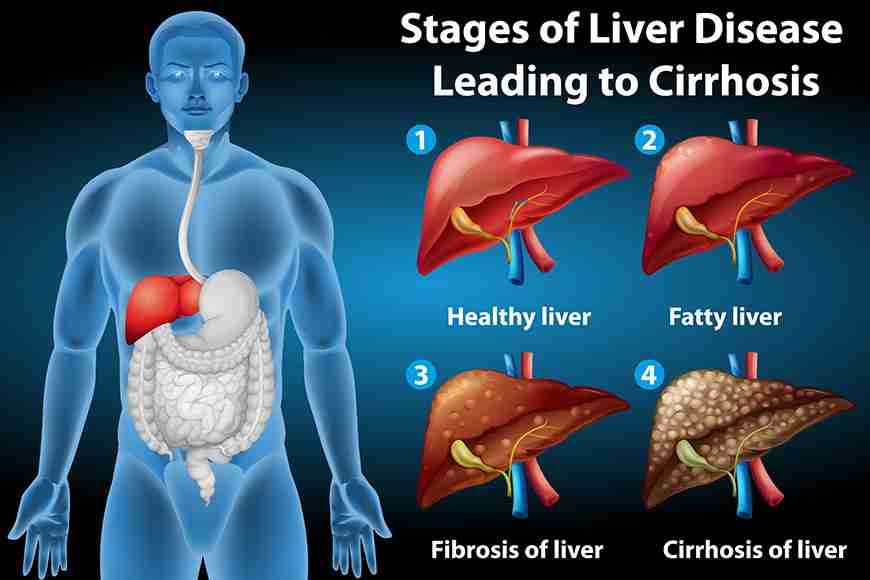
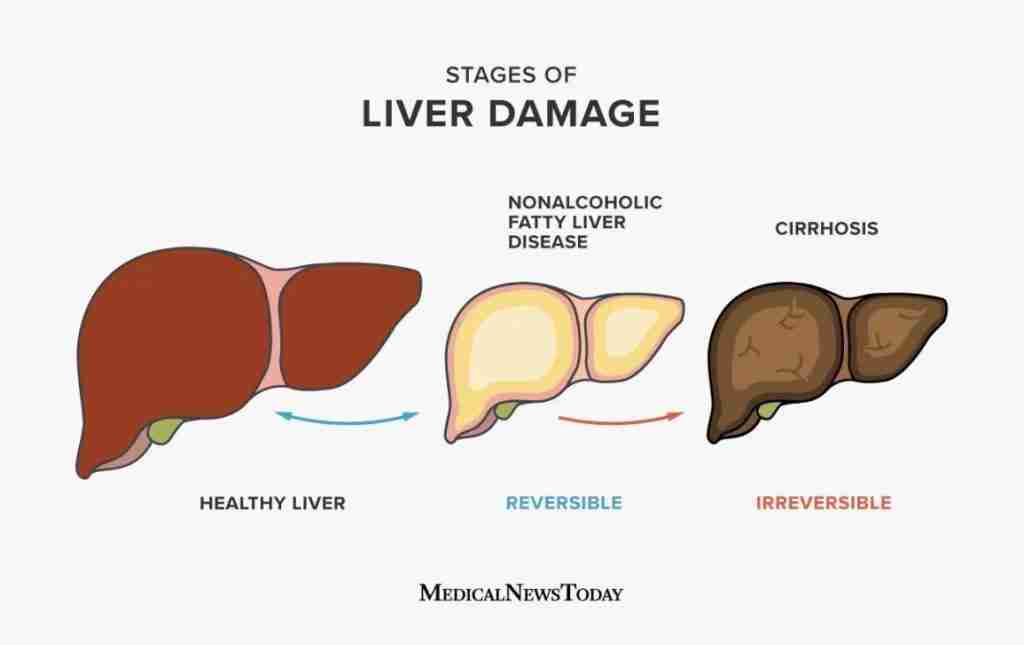
And what about when someone tells you you’ve got a “fatty liver”? That’s when fat starts building up inside your liver cells. It’s like trying to run a car with sludge in the engine. Fatty liver is no joke—it’s often a sign of insulin resistance and creeping metabolic dysfunction. And yes, you can have it even if you don’t drink alcohol (that’s called NAFLD: non-alcoholic fatty liver disease).
Speaking of insulin resistance, I recently had a brush with it myself. Despite living a clean and healthy lifestyle, my blood tests revealed a high HOMA-IR result—a clear marker that my insulin sensitivity was slipping. It was a wake-up call I couldn’t ignore. Insulin resistance is a major contributor to fatty liver disease, and left unchecked, it can cause even more metabolic havoc. Thankfully, I caught it in time. I shifted into therapeutic ketosis, tightened up my diet even further, and began testing my blood glucose and ketone levels daily. Bit by bit, my numbers started improving. It’s been a reminder that hormonal imbalances don’t just affect your weight or your mood—they strike at the very core of your metabolic engine: the liver. And when the liver is struggling, it throws everything else out of whack too.
So what do you do? You act fast. You cut the crap—processed foods, sugar, refined carbs. You move your body. You fast (intermittently or longer if it suits you). You start loving fat again—the good kind: avocados, olives, butter, coconut oil. You drink water, not soft drink. You sleep. You sweat. You learn what your liver actually needs, and you give it that. Because when you take care of your liver, it takes care of you. And trust me, that little powerhouse is worth every bit of effort.
This isn’t just a story about an organ. It’s a story about redemption. A second chance. A late-in-life love letter to the most underappreciated member of my internal team.
So here’s to you, liver. Thanks for hanging in there.