The Lost Art of the Signature
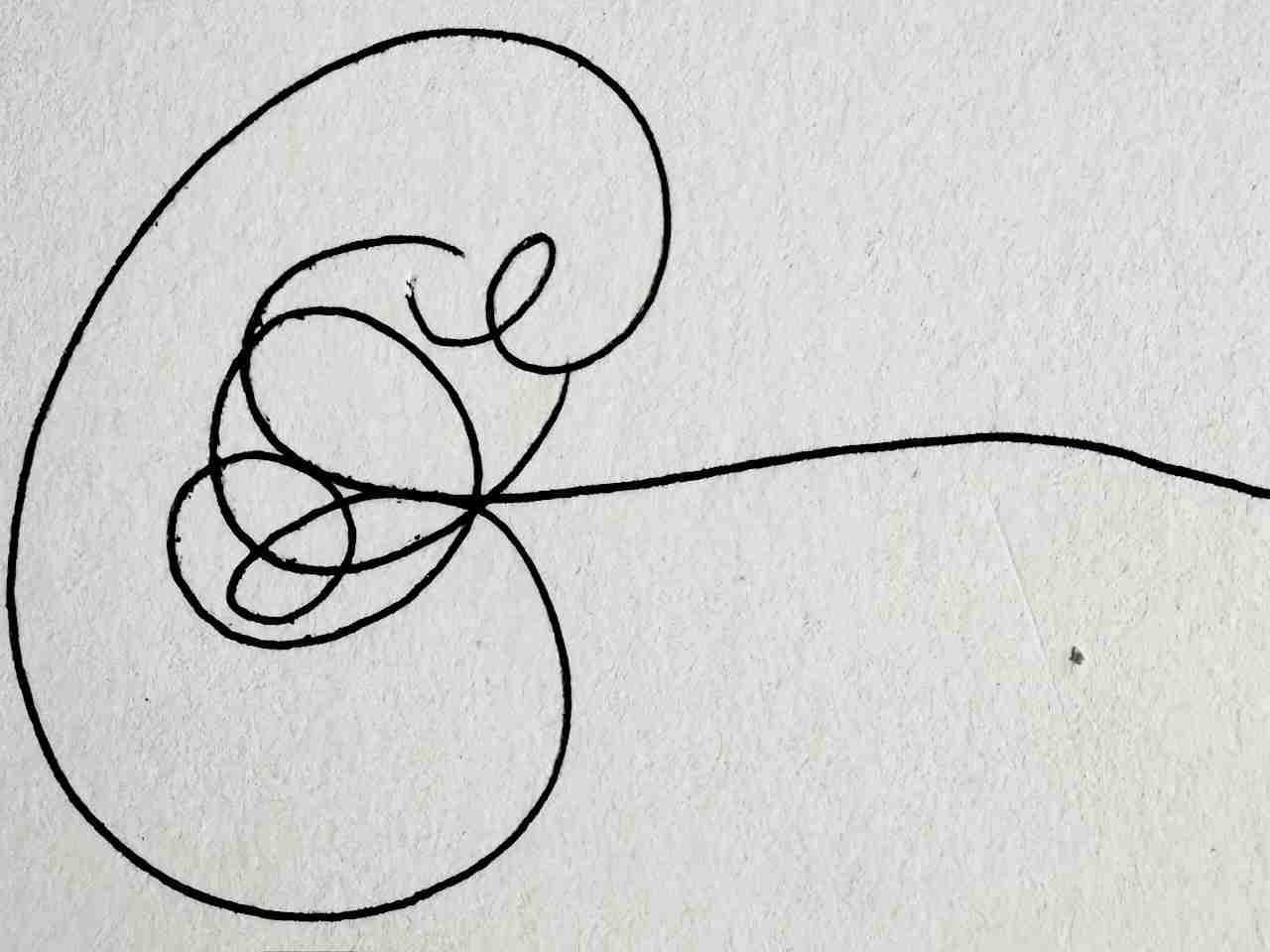
I haven’t thought seriously about my signature for years. It’s one of those things that quietly travels alongside you through life — evolving, adapting — until suddenly one day you look at it and realise it’s become a kind of personal mythology scrawled across cheques, contracts, and forms.
But what exactly is a signature?
At its core, a signature is simply a mark of identification — a physical confirmation that you are you. Historically, it was the ultimate proof. Before passwords, face scans, and digital fingerprints, a signature was your security system. It was your passport to trust: signing cheques, legal documents, even personal letters. It was a declaration: I stand behind this.
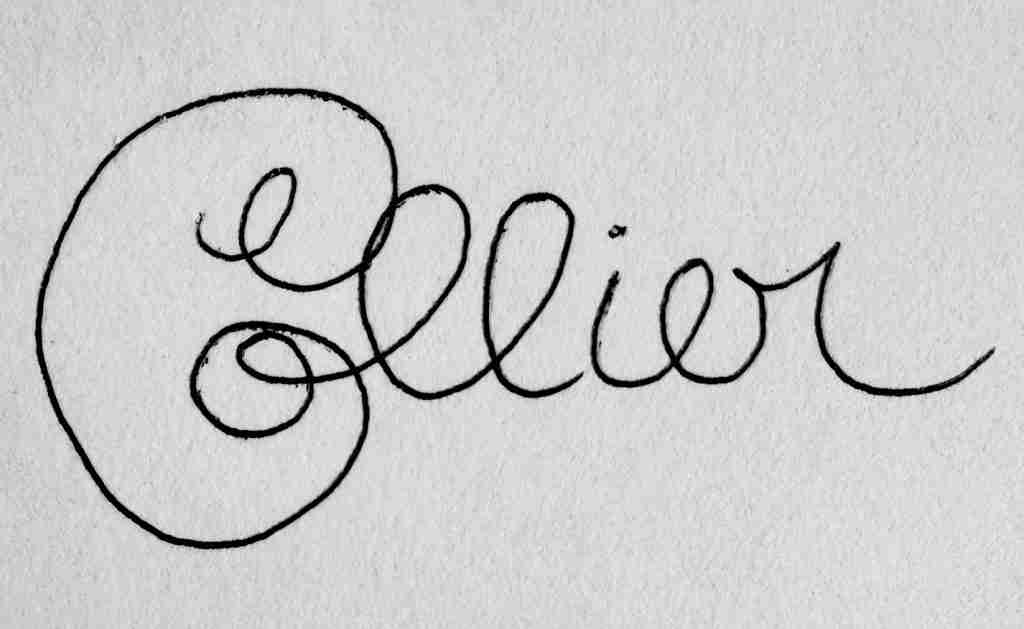
When I was about ten years old, back in the early 1960s, I decided I wanted a signature that was unique, artistic, and unmistakably mine. I didn’t think about it in those words back then, of course — but looking back, I can see I was carving out an individual identity, layer by layer.
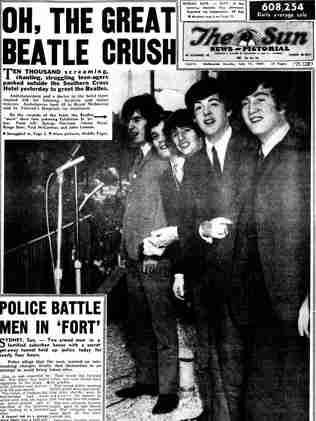
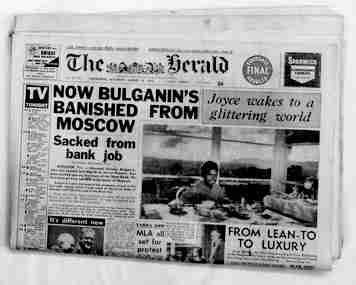
We didn’t have passwords or fingerprint scanners. We had Indian ink, paper, and the inspiration of newspaper mastheads like The Sun and The Herald, their bold, elegant fonts splashed across the breakfast table. I would sit for hours with my calligraphy pens, slowly, painstakingly trying to copy their shapes, falling in love with the way words could dance across a page.
I wasn’t really focused on the meaning of the words — it was the form that captivated me. The beauty. The symmetry.
When I finally crafted something I liked — a flowing G for Gary that slipped into a curling C for Collier — it felt like I’d built a secret passage into my own world.
No fanfare, no announcements. Just a quiet satisfaction. A private win.
By the time I finished Grade 6, I hit a small personal peak: two “10 out of 10s” for handwriting on my end-of-year report. Not bad for a scrappy kid armed with a bottle of ink and a dream.
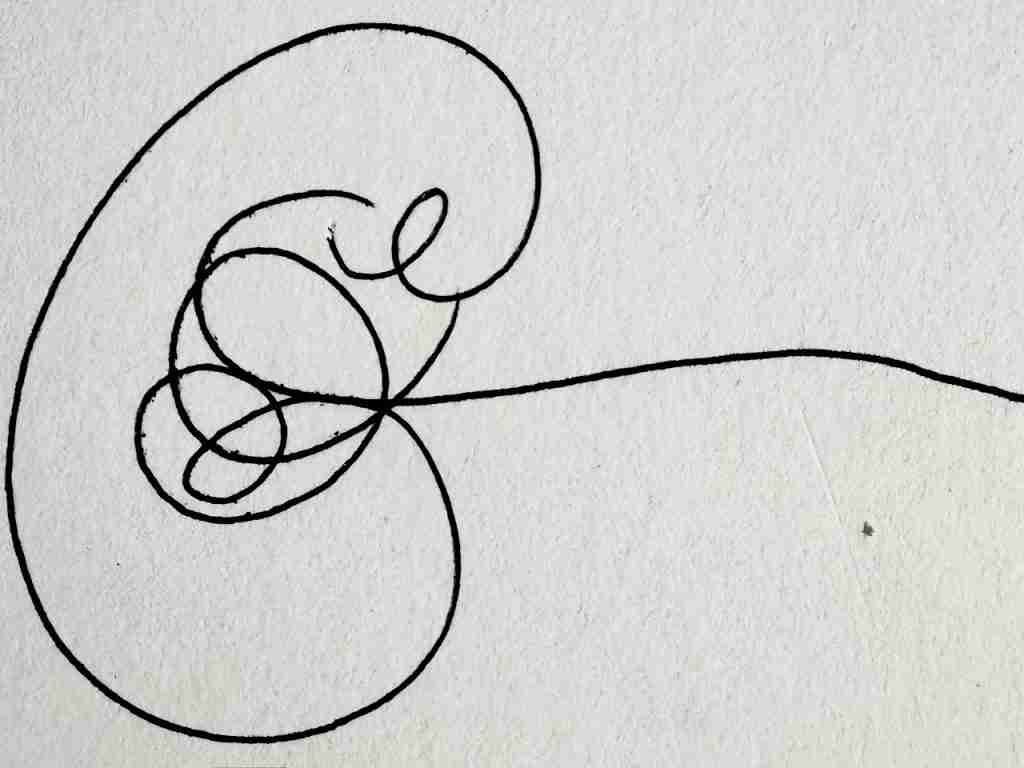
Of course, time has its way with all things — including signatures.
Over the decades, my once-precise creation loosened and blurred, evolving into a kind of embryonic symbol — a flowing, oversized squiggle that only I could truly decipher. A business associate once joked it looked like a kidney, and for a while he called me “Kidney Man.” I took it as a compliment.
As my life got busier, my signature grew bolder, bigger, more flamboyant — often sprawling across whatever tiny space I was supposed to contain it within.
It became less about careful lines and more about energy.
A quick signature still contained all the pride of that ten-year-old boy with his Indian ink set — just now expressed with a wild, confident hand.
There are stories stitched into it too.
The time a staff member forged my signature on cheques — not so hard to do once the shape had become more impressionistic than literal.
The day in 1998 when I sat in a cafe before heading to Bali, signing over a hundred traveller’s cheques in one go — enough to fry any neural circuits I had left about the sacredness of the act. Signing became mechanical, repetitive, drained of the artistry I’d once treasured.
And that raises a question:
Do young people today still place any real importance on their signatures?
It’s hard to say. These days, your signature competes with passwords, PIN codes, thumbprints, and facial recognition. Many kids swipe and tap before they can even properly hold a pen.
Handwriting itself has become something of a lost art — replaced by keyboards, touchscreens, and autocorrect.
Do schools even teach penmanship anymore?
Some do, but it’s becoming rarer. The old traditions of beautiful cursive, of forming letters with grace and discipline, are fading. Some educational researchers argue that learning cursive builds cognitive connections — it integrates brain function across reading, memory, and motor skills. But in the rush toward efficiency and digitisation, these subtleties are often sacrificed.
There’s a kind of sadness to that.
Handwriting — real, fluid handwriting — is an extension of personality. It’s your voice, visually rendered. It’s messy, alive, full of nuance.
A typed document might be perfect, but a handwritten letter has soul.
Signatures, especially, were once a rite of passage. Designing your own signature meant you were beginning to take ownership of your life. It was a small but significant act of autonomy — a way to say, “Here I am. I exist. And this is mine.”
A Signature Is a Story
When I look at my signature today — my wild, oversized GC flourish — I see more than just a name.
I see the kid hunched over his desk, dipping his pen into Indian ink, dreaming of banners and mastheads.
I see the young man signing his first lease.
The father signing school permission slips.
The traveller signing customs forms in foreign airports.
The businessman signing cheques, contracts, letters of intent.
The artist scribbling ideas in notebooks, signing off on a piece of music or a sketch.
Each iteration, each signature, a quiet act of creation.
And maybe that’s the real magic — not just the words, not just the ink, but the life you leave behind with every mark you make.
So here’s to the lost art of handwriting.
Here’s to signatures, those beautiful, imperfect, uniquely human brushstrokes that say:
“I was here. And I mattered.”