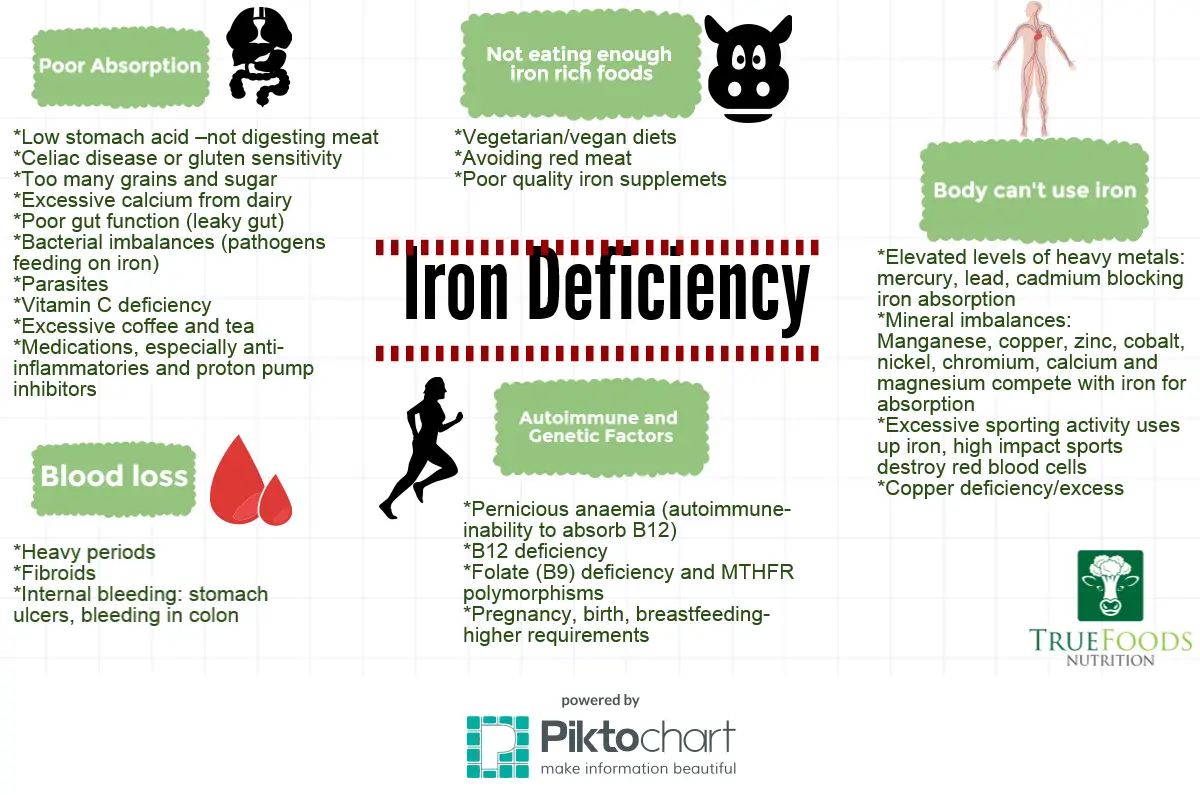
A Bit About Iron Deficiency
Back in November 2019 I did some blood tests. I forget now what they were for but one of the readings that came back was “low iron”. The GP pointed this out at the time but didn’t really explain anything to me. He was pleased that more blood pressure was perfect and most of the other results were good.
Later that day I got a call from him. He had thought it over and deemed that I should have a “colonoscopy” just in case I was losing blood or that I might have prostrate cancer. Having done some research myself these low iron results can be a sign of these things BUT he didn’t ask any other questions about my diet or general history with iron. He described it as a precaution.
I did the colonoscopy in February and all was well. Also my iron levels had increased a bit so nothing else was said.
This leads me to the obvious conclusion that our health is our own responsibility.
GPs are more than likely well caring people and a percentage of them will keep up with the latest research but from my experience what you get is a very basic response to your pathology tests. If you don’t ask for the print outs you don’t get them and if you don’t take basic notes you come out of the office scratching your head and leaving it in his/her hands re whether you are going to live or die.
The truth seems to be that there is so much more to know about our bodies and with the internet the information is within our reach.
Over the past 18 months I have realised more and more from my own experience that if you are kind to your body and you give it the correct nutrition, exercise, good sleep and decreased stress it will repair itself. It really does have this ability although for some of us it may take longer than others. Depending on where we are when we start our journey to health.
So here’s the scoop with me.
Over the past 18 months or so I have been actively working towards turning my physical health around and in many ways my efforts have yielded very positive returns. The transition has been huge. Blood pressure, pulse, blood sugar, weight, energy, fitness and many other aspects of my health and well being are in great shape. This is significant due to the fact that when I started my “transformation” I was obese, on the verge of type 2 diabetes, addicted to alcohol, insulin resistant, had high blood pressure … the list goes on and on.
It should be noted that the big changes have come about from my own actions and efforts that followed my own research.
I’ve recently done some more blood work due to some dizziness and fainting experiences. The good news for me this time around is that I have found a new GP who is willing to go the extra mile. She doesn’t explain a lot but she is willing to follow down anything that comes up and as a consequence I have launched into blood tests, CT scans, X-rays etc, etc. I have been getting her to print out the results for me and have started doing my own research on several areas of concern.
Iron
My iron is still low but when I dug a bit deeper what I discovered was that I had low Ferritin stores.
Ferritin is a protein that contains iron and is the primary form of iron stored inside of cells. The small amount of ferritin that is released and circulates in the blood is a reflection of the total amount of iron stored in the body.This indicates that the iron storage levels are low.
Then there is Heme. It looks like this is where we get our iron from the foods we eat. There are heme foods like animal and fish protein that seem to supply a lot moire absorbable iron and the there are non heme foods like leafy greens, veggies, grains etc that even though they have iron we can’t assimilate it as well into our body.
The following comes from the this link(read article here)
Heme iron is found in animal foods that contain haemoglobin, such as meat, fish and poultry.
Heme iron is the best form of iron, as up to 40% of it is readily absorbed by your body Good food sources of heme iron include:
- Beef
- Pork
- Chicken
- Veal
- Fish such as halibut, haddock, perch, salmon or tuna
- Shellfish such as clams, oysters and mussels
Red meats and organ meats like liver are particularly good sources.
Sources of Non-Heme Iron
Non-heme iron primarily comes from plant sources and is present in grains, vegetables and fortified foods.
This is the form added to foods enriched or fortified with iron, as well as many supplements.
It’s estimated that 85–90% of total iron intake comes from the non-heme form, while 10–15% comes from the heme form).
In terms of its bioavailability, non-heme iron is absorbed much less efficiently than heme iron.
Good sources of non-heme iron include:
- Dark green leafy vegetables like spinach and kale
- Dried fruits like raisins and apricots
- Beans like lentils and soybeans
Symptoms of Low Iron
I’m searching for the cause of my fainting spells. Even though I’ve only had 3 episodes and have not fully fainted I see this as a sign that something is not quite right.
Whether it is the low Ferritin levels or something else is yet to be seen.
Here is an article that lists the symptoms of low iron.
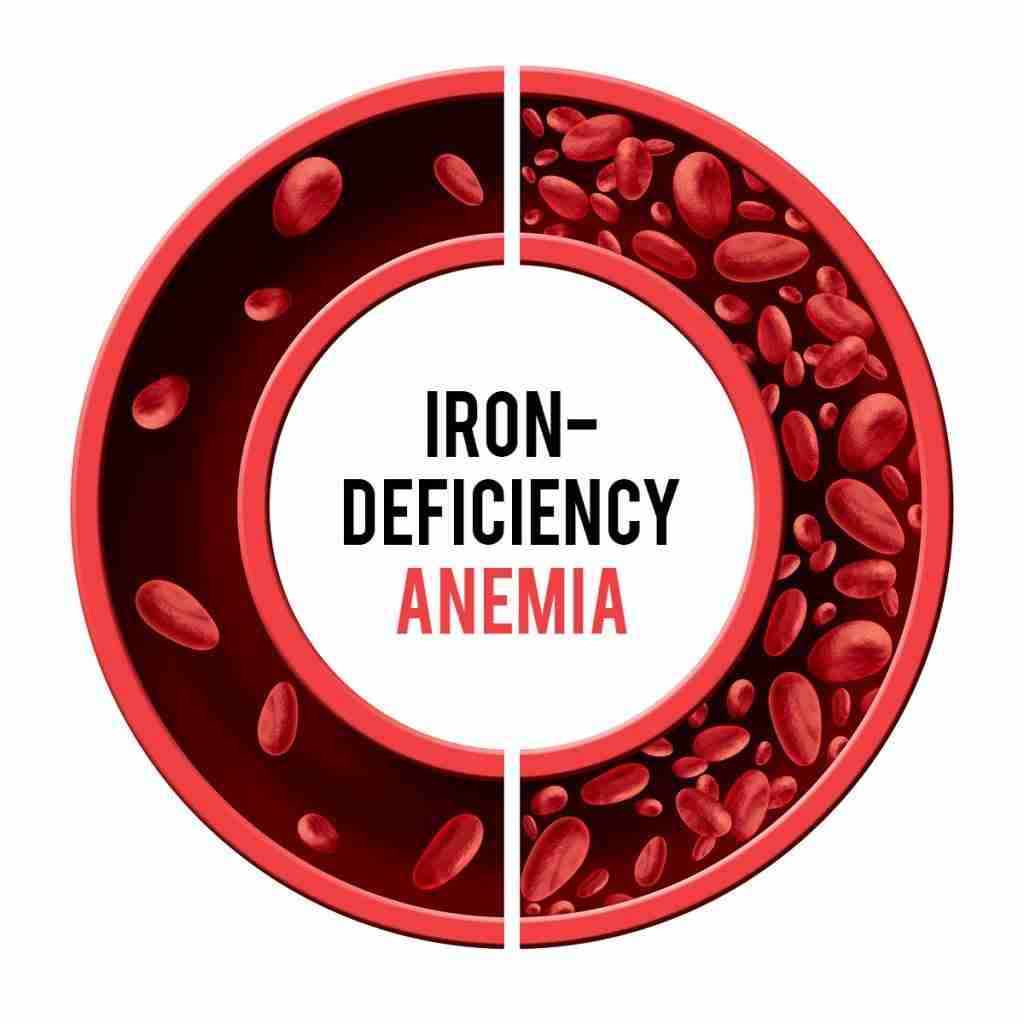
Iron deficiency occurs when your body doesn’t have enough of the mineral iron.
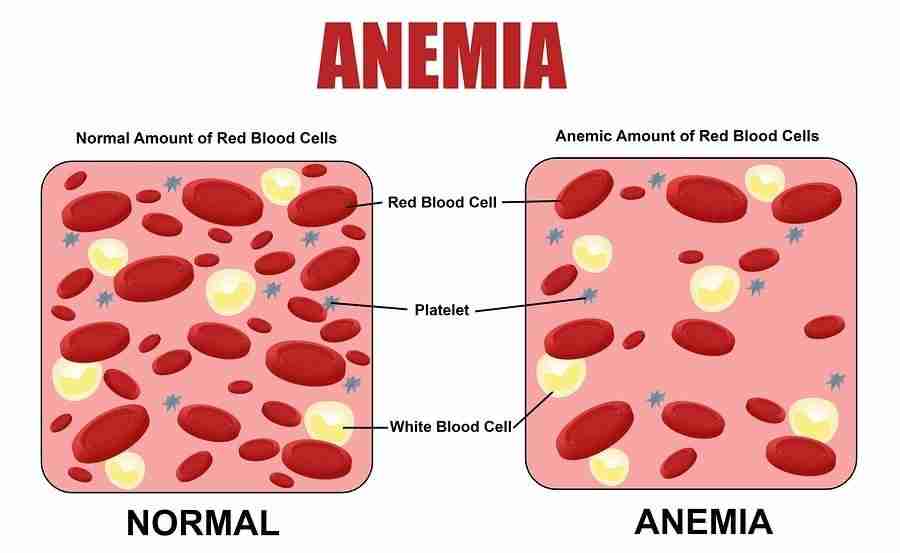
Your body needs iron to make hemoglobin, a protein in red blood cells that enables them to carry oxygen around the body.
If your body doesn’t have enough hemoglobin, your tissues and muscles won’t get enough oxygen to be able to work effectively. This leads to a condition called anemia.
Although there are different types of anemia, iron deficiency anemia is the most common worldwide.
Here are a few of the symptoms.
- Tiredness
- Paleness
- Shortness of breath
- Headaches and Dizziness
- Heart Palpitations
- Dry mouth
- Restless legs
- Cold feet
So now I’m on a quest to increase my iron storage levels (Ferritin).
I will update this blog when I have some success.