
Parkinsons Disease, Metabolic Syndrome and the Ketogenic Diet
Parkinson’s Disease is a common neuro-degenerative condition. It is caused by free radical damage to the basal brain ganglia that control muscle movement. This depletes a chemical called dopamine in the brain. As the disease progresses cells in the brain regions involved in control of motor muscles begin to die off leaving victims slow moving and off balance.
Eventually these symptoms can progress to include a nearly frozen state of hesitation in walking and a so called “mask-like” expression.
Dopamine is a neurotransmitter that carries messages from one nerve cell to another. In Parkinson’s Disease the cells in the brain that manufacture dopamine are damaged or dying and hence the brain loses the ability to manufacture this chemical.
Dopamine depletion causes muscle weakness, body rigidity and slowly spreading tremors.
Curcumin
Curcumin fights many of the underlying processes involved in the development of Parkinson’s Disease.
Parkinson’s occurs when dopamine producing cells die in the region of the brain. Oxidative damage contributes to the death of neurons in the substantia nigra (The substantia nigra (SN) is a midbrain dopaminergic nucleus which has a critical role in modulating motor movement and reward functions as part of the basal ganglia circuitry.)
Curcumin’s powerful radical scavenging properties and natural inhibition of inflammation make it a natural candidate for slowing these reactions.
It has been shown to provide significant neuroprotection and prevent chemical induced changes in animal models.
Curcumin also protects and supports the function of mitochondria, the intracellular “power plants” that release energy. When a potent mitochondrial toxin was applied to brain cells in culture, curcumin treatment protected the cells and prevented their death.
Parkinson’s is associated with accumulations of a toxic protein known as alpha-synuclein. This protein damages mitochondrial function and adds to neuronal oxidative stress levels. Alpha-synuclein also triggers inflammatory changes that contribute to cell death, which produces Parkinson’s symptoms.
Curcumin’s anti-inflammatory properties are thought to be involved in protecting brain cells from premature death. Studies show that when curcumin is applied to brain cells it prevents alpha-synuclein from binding together, resulting in formation of fewer toxic plaques.
Heavy Metals
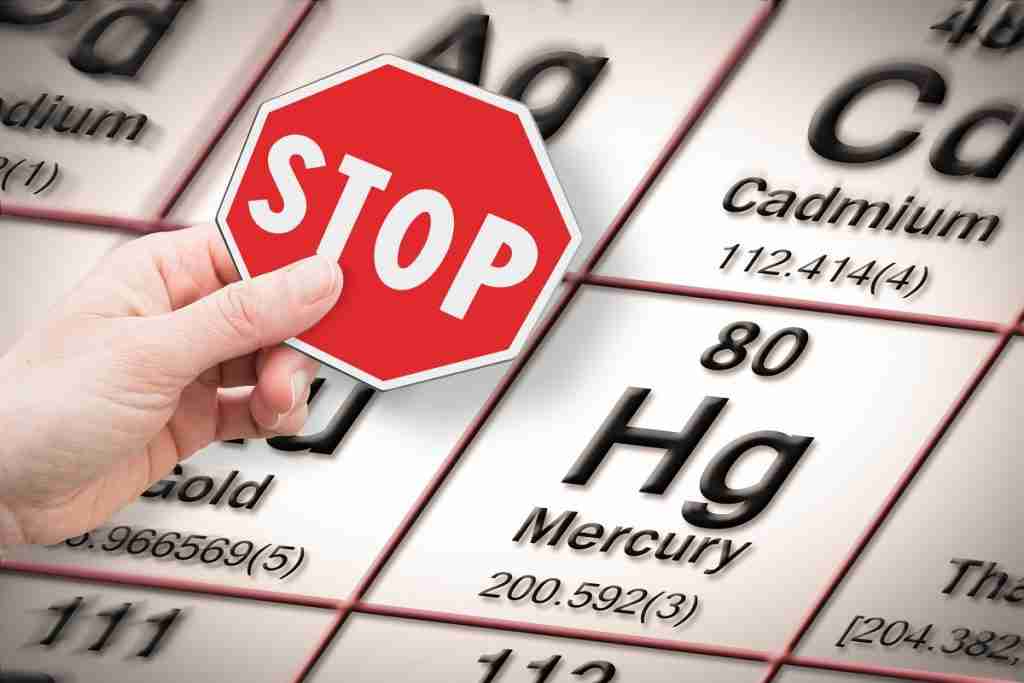
Heavy metals like arsenic, aluminium, mercury, lead and cadmium are neurotoxins which can often be one of the causes of autoimmune symptoms. Heavy metals greatly effect the body’s ability to absorb important life-sustaining nutrients.
Copper is an essential element in the metabolism of dopamine which is a neurotransmitter. As stated earlier low dopamine levels are common in patients suffering from Parkinson’s.
Researchers have also found that an imbalance of iron to copper may also play a role in Parkinson’s Disease as well as other neurological disorders.
Parkinson’s sufferers usually have a severe copper deficiency plus an elevated manganese level. Cobalt deficiency is another factor in Parkinson’s.
If you have been diagnosed with parkinson’s you should be under the care of an experienced neurologist. You need to support your body with good nutrition and a detoxification program to rid your body of metals and toxic chemicals. Specific supplemental interventions such as glutathione, CoQ10 and anti-oxidant therapy is showing impressive results.
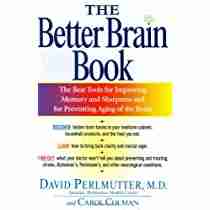
Recommended Reading
Glutathione Therapy
Glutathione Therapy is having impressive results for Parkinson’s Disease amongst holistic practitioners and is highly recommended by such well known alternative health doctors such as Dr Juklian Whitaker, Dr Marcus Laux and Dr Peter Eng. Dr David Perimutter, M.D and Board Certified Neurologist calls it “the glutathione miracle”.
Glutathione is a vital brain chemical that is one of the most important brain anti-oxidants. Glutathione helps to preserve brain tissue by preventing damage by free radicals.
It is recommended to take glutathione intravenously. Most oral supplements are worthless because the digestive tract destroys the nutrient before it can be absorbed.
Supplements such as NAC can help the body make more glutathione but the effect is mild. This is why intravenous therapy may be the best option.