Cancer, Creativity, and Consciousness: A Journey to Self-Discovery and Healing
Introduction
I am in the process of attempting to write a book that outlines my cancer experience and the protocols that I followed – both natural and mainstream.
This is the first draft of the introduction.
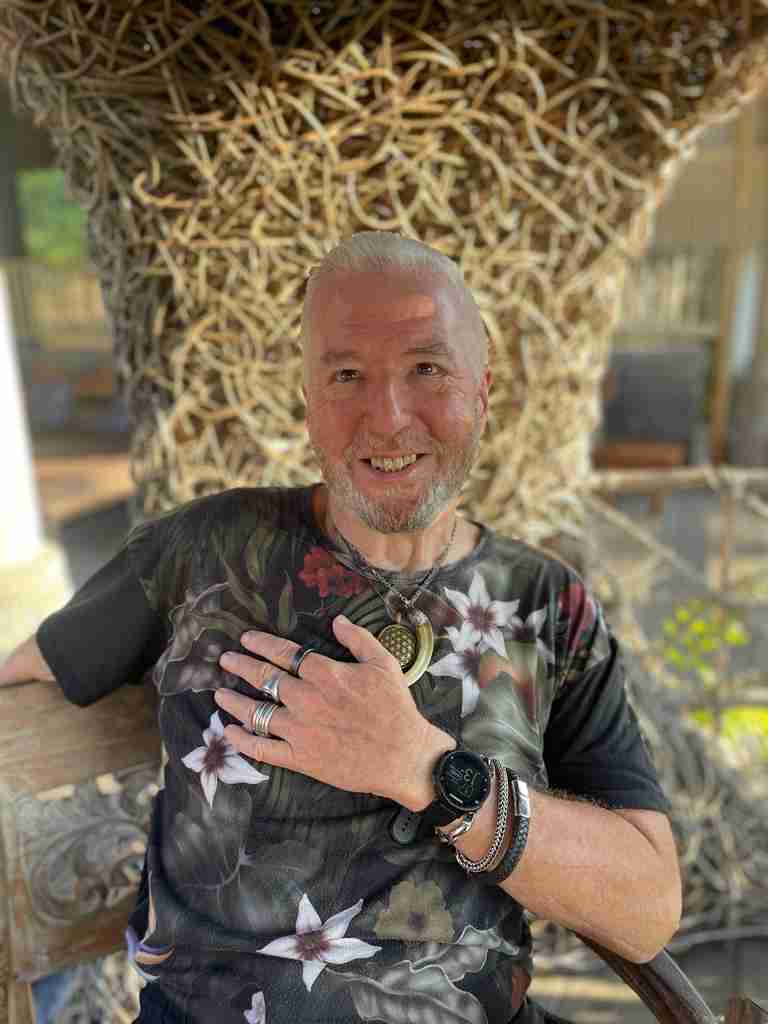
Hi, my name is Gary Collier.
Is it easier to receive shitty news when you are doing great or when you are drowning in misery? Luckily for me I was in a good place when I found out that I had cancer.
There are certain words that nobody wants to hear, especially from a doctor, “cancer” is way up on the top of the list. It has such evil connotations as a word that I believe we should “cancel” it and come up with a new moniker for one of mankind’s biggest killers.
Like most not understood and unpalatable things the general populace know almost nothing about cancer apart from the apparency that it generally equates with death and suffering. It appears that worldwide around 10 million people died with or from cancer in 2019, over 600,000 in the USA alone and that 18 million actually had cancer worldwide in 2020. That makes it huge, scary and formidable.
I was one of the people who were told “I’m sorry, you have cancer!” in late November 2020. I was 68 years old.
It’s hard to express what it feels like when you are told by a medical professional that you have cancer. Maybe it’s akin to what a surfer must feel like when they are dumped by a huge wave …. dismay, disappointment, confusion, regret, fear, not being in control. It’s a “gotta scratch your head” moment, like when you suddenly get slapped in the face by somebody when you say the wrong thing. My brain turned to jelly after my initial stoic reaction when my GP uttered the words “ I’m so sorry Gary, you have cancer”. Nothing could have prepared me for this diagnosis. At this point in my life I was on a roll, apparently healthier than I had been in decades. Cancer was the last thing on my mind.
By now I was already keeping a daily journal which I religiously wrote every morning. The following is an edited version of my day by day experiences over the next 12 months or so. The disbelief, the confusion and dismay, the decisions, the heartbreak and finally when I came to my senses and found a direction the optimism and hope, my strategy and the protocols that I followed to overcome my own cancer, the mutant cells that lose their programmed ability to die (apoptosis), that proliferate and finally kill so many of the human race.
I was diagnosed with squamous cell carcinoma which manifested as a tumour in a lymph node in the left side of my neck in late November 2020. My cancer was quite rare in that it is classified as CUP, this acronym stands for Cancer of an Unknown Primary. Because staging cannot be done when you have CUP I was never given the score from 1-4. The only thing that the oncologists knew was that the cancer had migrated to the lymph nodes in my neck. Staging in cancer diagnosis is the process of determining the extent and severity of cancer in a patient’s body. It involves various tests and imaging procedures to determine the size of the tumour, how far it has spread, and if it has invaded nearby tissues or organs.
Cancer staging helps doctors determine the most appropriate treatment options and prognosis for the patient. The stage of cancer is typically represented by a number system ranging from 0 to IV, with higher numbers indicating more advanced cancer.
The specific staging system used depends on the type of cancer. For example, the TNM system is commonly used for solid tumours and stands for Tumour, Nodes, and Metastases. It considers the size of the primary tumour (T), the presence of cancer in nearby lymph nodes (N), and the presence of metastasis or the spread of cancer to distant organs (M).
In general, earlier stages of cancer are more treatable and have a better prognosis than later stages. Therefore, accurate cancer staging is crucial for determining the appropriate treatment and optimizing the patient’s chances of survival.
There is a good chance that my immune system had already magically done its job and knocked out the initial primary tumour without me even knowing it that it had existed.
At the outset I entered the mainstream oncology system, had 2 operations and loads of tests in the first 6 weeks to determine where the primary was. It was never found. The head and neck specialist and oncologists recommended that I have surgery to have the lymph nodes in my neck removed. I was told that I was going to have a really cool scar plus other potential side effects but it would probably save my life!
Due to the primary never being found my head and neck cancer team could never officially diagnose where my cancer originated or the stage it was at although based on the pathology it was postulated that it was Squamous Cell Carcinoma head and neck cancer and possibly stage 3.
This short period in which I was part of the mainstream oncology system was one of the scariest and most confusing periods in my whole cancer experience, I felt helpless. I felt that my fate was in somebody else’s hands and that I just had to sit back and wait until they did their thing. I know the medical guys cared but there was a lot of head scratching, contradiction and uncertainty.
This is when I decided that I need to become the “Boss” of my own cancer journey and learn, research, understand, delve as deep as I possibly could based on what was then my very limited knowledge of cancer and how it functioned in and affected my body. I attempted to approach my cancer based on the general strategies in Sun Tzu’s “Art of War”.
Lucky for me I had started a complete overhaul of my lifestyle, diet and bad habits in February 2019. By the time I received my cancer diagnosis about 20 months later I had already completly transformed my lifestyle, lost 20 kg, resolved issues with high blood pressure, fatty liver, metabolic syndrome, pre-diabetes and a huge drinking problem. I had turned my life around and was feeling great.
This is something I wrote back in November 2020 at the beginning of my cancer adventure. “My visualisation is that I am the life force of a tree, my body is the trunk and roots and my microbiome is the soil. Somewhere in that mix there is a big rock that is obstructing the health of the tree. My attention will be on the soil. I plan to make it as healthy and full of rich minerals, vitamins, phyto-nutrients and healing properties as is possible. I’ll let the arborists take care of the rock.”
Long story short in February 2019 I had already adopted a low carb diet, begun daily exercise, daily journalling and started learning as much as I could about the metabolic processes of my body, I had completely stopped drinking alcohol in February 2019.
I suspect that what I began back then had a profound effect on where I am at today. Currently cancer free, healthy, strong and fit.
In late December 2020 my daughter, who works in natural health, suggested that I do some research into Hyperbaric Oxygen Therapy.
Here are some potential benefits of HBOT in cancer treatment:
Oxygenation: Cancer cells often thrive in low-oxygen environments, and HBOT can increase the amount of oxygen delivered to the tissues, potentially making them more vulnerable to treatment.
Immune response: HBOT has been shown to enhance the immune system’s ability to fight cancer by stimulating the production of white blood cells and other immune cells.
Radiation therapy: HBOT may also enhance the effectiveness of radiation therapy by increasing oxygen levels in the tumour, making it more susceptible to radiation damage.
Chemotherapy: Some studies have suggested that HBOT may enhance the effects of chemotherapy by improving the delivery of oxygen and drugs to the tumour site.
I visited a HBOT centre in Melbourne and even after my first consultation I felt that I had found a direction that I could feel comfortable pursuing. From here I was referred to a Melbourne GP named Dr Peter Eng who practised in Melbourne. Peter specializes in IVs and re-purposed drugs for cancer treatment. At this stage he was 82 years old and had cured himself of cancer 12 years earlier plus he had many other success stories to share with me. Around about this time I ramped up my low card, high fat ketogenic diet, lowered the carbs even more and got really serious and disciplined about what went into my body as well as doing daily blood testing of my blood sugar and ketone readings. I also buckled down on study. I figured that even though I had no foundation in biology or matters of metabolism, cells and the general workings of the body that if I was going to beat the cancer I would need to at least understand what was happening in my body and also what other alternative options there were.
I agreed to start with a minimum of 60 hours of HBOT and to start a course of IV’s ( high dose Vitamin C and Curcumin amongst other natural products and re-purposed drugs).
Here are some potential benefits of curcumin and vitamin C IV treatment for cancer:
Anti-inflammatory effects: Curcumin has been shown to have potent anti-inflammatory effects, which may help to reduce inflammation in the body that can contribute to the development and progression of cancer.
Antioxidant effects: Both curcumin and vitamin C are powerful antioxidants, which means they can help to protect cells from damage caused by harmful molecules known as free radicals. This may help to prevent cancer cells from forming or growing.
Enhanced immune function: Vitamin C is known to help support immune function, which is important for fighting off cancer cells.
Curcumin has also been shown to enhance immune function in some studies.
Increased chemotherapy effectiveness: Some research has suggested that combining curcumin or vitamin C with chemotherapy may enhance the effectiveness of the treatment and reduce the risk of side effects.
Reduced side effects: IV administration of curcumin and vitamin C may help to reduce the side effects associated with these compounds when taken orally, such as gastrointestinal distress or poor absorption.
I was exercising regularly and walking up to 10 kms each day. Around this time I also started using an Oura ring to monitor the quality of my sleep. I aimed for 8 hours of good sleep each night. In the course of my studies I came across the research work of Dr Thomas Seyfried and the press/pulse theory that he champions.
Dr. Thomas Seyfried is a biologist and professor of biology at Boston College who has proposed a theory that cancer is a metabolic disease of the mitochondria.
According to Dr. Seyfried’s theory, cancer is not caused by genetic mutations or uncontrolled cell division, as is commonly believed, but by a disturbance in cellular energy metabolism. Specifically, he argues that cancer is caused by damage to the mitochondria, the organelles in cells responsible for producing energy.
Normally, the mitochondria produce energy for the cell through a process called oxidative phosphorylation, in which they use oxygen to convert glucose and other nutrients into ATP, the cell’s primary source of energy. However, when the mitochondria become damaged, they are unable to produce energy efficiently and the cell is forced to rely on an alternative energy pathway called glycolysis.
Glycolysis is a less efficient process that does not require oxygen, but it produces much less ATP than oxidative phosphorylation. As a result, cells that rely on glycolysis have to consume much larger amounts of glucose and other nutrients to produce the same amount of energy, which can lead to uncontrolled growth and proliferation.
Dr. Seyfried’s theory suggests that cancer cells arise when a cell’s mitochondria become damaged, and the cell is forced to switch to glycolysis as its primary source of energy. Over time, this metabolic shift can lead to uncontrolled growth and the formation of tumours.
Dr. Seyfried’s theory has been controversial, and it is not widely accepted by the scientific community. Some critics argue that there is insufficient evidence to support the idea that cancer is primarily a metabolic disease, and that genetic mutations and other factors play a more significant role in the development of cancer. However, Dr. Seyfried’s work has sparked renewed interest in the role of cellular metabolism in cancer, and it continues to be an active area of research in the field.
Even though I wasn’t the sharpest tool in the shed when it came to biochemistry his research and theories made sense to me on a very fundamental level.
Through listening to his lectures as well as research on fasting by Dr Valter Longo, use of a ketogenic diet for cancer by Miriam Kalamian, use of HBOT and the ketogenic diet in cancer treatment by Dr Dom D’Agostino and Angela Poff I continued to improve my knowledge of cancer and became more and more confident about ridding myself of the “disease”. Dominic D’Agostino and Angela Poff are researchers who have conducted research on the potential use of a ketogenic diet as an adjunct therapy for cancer treatment. Their work has focused on understanding how a ketogenic diet might affect cancer cells and improve the outcomes of traditional cancer therapies.
The theory behind a ketogenic diet for cancer treatment is based on the idea that cancer cells rely on glucose (sugar) as their primary source of energy. By limiting glucose availability through a low-carbohydrate, high-fat diet, cancer cells may be starved of the energy they need to grow and proliferate.
D’Agostino and Poff have conducted numerous studies in animal models and in vitro (cellular) experiments to investigate the effects of a ketogenic diet on various types of cancer cells. They have found that a ketogenic diet can inhibit the growth of cancer cells, sensitize them to radiation therapy, and enhance the effects of chemotherapy.
By now I was becoming more and more cognisant that one of my biggest weapons against cancer was my own immune system.
The basic idea or layman’s version of press/pulse is to create an antagonistic environment for the cancer to have to deal with. Seyfried proposes a two-pronged approach to cancer treatment: the “press” and the “pulse.” The press involves targeting the cancer cells’ metabolism by restricting glucose and providing a non-glucose fuel source, such as ketones, which starves the cancer cells and makes them more vulnerable to treatment.
The pulse involves using targeted therapies, such as IV’s, HBOT, chemotherapy, radiation or immunotherapy, to selectively kill the weakened cancer cells.
Take away the glucose, sugar and carbs and replace them with ketones and the cancer is deprived of fuel while the body still has fuel in the form of ketones to create energy. Do exercise, eat well, put a bit of stress on the body and this makes the cancer very unhappy.
But cancer cells don’t die (apoptosis), they are immortal. Apoptosis, also known as programmed cell death, is a natural process of cell suicide that occurs in multicellular organisms to eliminate damaged, abnormal, or unnecessary cells. It is a tightly regulated process that involves a sequence of biochemical events, leading to the orderly and controlled dismantling of the cell.
During apoptosis, the cell undergoes a series of changes that include cell shrinkage, chromatin condensation, DNA fragmentation, and the formation of apoptotic bodies, which are subsequently phagocytosed and digested by surrounding cells.
Apoptosis plays a critical role in various physiological processes such as development, tissue homeostasis, and immune defense. Dysregulation of apoptosis has been implicated in various diseases, including cancer, neurodegenerative disorders, autoimmune diseases, and viral infections. Normal healthy cells die and recycle.
Intermittent fasting also gives the body a rest and deprives the cancer cells of excess fuel.
All in all, the healthier “you can make the soil” the harder it is for the cancer to proliferate.
Then the “pulse” part is brought about by the hyperbaric oxygen, the vitamin C and curcumin and other “medicines” that actually go to war against the cancer and help to wipe it out. In my case the radiation also attacked the cancer cells but the good news is that all of the other things that I was doing helped my healthy cells go into protective mode while the cancer cells became more vulnerable to the treatment, hence making it more effective and the side effects almost imperceptible. It’s far more complex than my basic explanation but hopefully my words will explain the basic concept.
So by now it’s probably February, around 4 months into my cancer journey. I was working my butt off and putting all of my energy, money and resources into becoming healthy and beating the cancer, slowing it’s ability to proliferate and ultimately destroying these immortal cancer cells that were possibly going to kill me if left unchecked.
Here’s a list of what I was doing at this stage.
HBOT (Hyperbaric Oxygen Therapy)
Strict ketogenic diet aiming at 20 grams of carbs and high healthy fat with medium protein.
Being in a constant state of nutritional ketosis. Nutritional ketosis is a metabolic state in which the body burns fat for energy instead of glucose (sugar). This occurs when carbohydrate intake is restricted, and the body must rely on stored fat for fuel. When the body burns fat, it produces molecules called ketones, which can be used for energy by the brain, heart, and other organs.
Nutritional ketosis is achieved through a low-carbohydrate, high-fat diet, often referred to as a ketogenic diet. In this diet for cancer, carbohydrates are limited to less than 20 grams per day, and the majority of calories come from fat sources, such as nuts, oils, and fatty meats. Protein intake is moderate, as too much protein can be converted into glucose and inhibit ketone production.
Nutritional ketosis has been studied for its potential benefits in weight loss, blood sugar control, and neurological disorders such as epilepsy and Alzheimer’s disease. However, it is important to note that nutritional ketosis should only be attempted under the supervision of a healthcare professional, as it can have potential side effects such as dehydration, electrolyte imbalances, and nutrient deficiencies. More about this later.
Intravenous Vitamin C, Curcumin and other drugs delivered intravenously and by injections.
Re-purposed drugs like melatonin, metformin, naltrexone and a few others.
CTC test (circulating tumour cells)
Daily vitamin supplementation
Daily time restricted eating/intermittent fasting. I started on 16/8 and worked up to 18/6 and sometimes did only one meal a day.
I recorded everything that I ate in an app called Cronometer which gave me accurate readings of my macros, calories etc
Daily blood testing for blood sugar and ketones with the aim of a 4/4 ratio based on Dr Seyfrieds GKI (Glucose Ketone Index)
Regular infra red saunas and cold plunges where possible.
Daily walking (about 10 kms) … I listened to podcasts on cancer while I walked and while in the sauna.
Daily journalling. I wrote about my thoughts, feelings, actions, fears, wins, thoughts about death and how wonderful life is, wins and set backs. I wrote every day and it’s all on my blog ( garycollier.com.au ) under the section called Defrag Blues and also in a special section called Cancer/Keto. I also did blog posts on my health, cancer therapies and subjects that I felt might help others.
No alcohol, complete abstention.
I did not receive the nRMA covid vaccination on the advice of my doctor, he advised that I wait for the Novavax vaccination. I was on the same page based on my own studies and research..
I continued to lose weight throughout the whole period. This was a healthy loss of excess fat, not muscle wasting. I went from 108 kgs in February 2019 to 78 kgs over 3 years. I continue to monitor my weight, body fat (now 12%) and muscle and bone density.
Around February Dr Eng suggested that I have a meeting with a radiologist named Dr Samuel Leung. I must admit that this freaked me out a bit but based on my trust of Peter I went to an appointment with Sam.
The interesting thing was the age of my doctors. Peter was 82 and Sam was in his mid 70s. They were both very experienced practitioners and not at all flashy. They were simply experts at what they did. Sam recommended a course of radiotherapy. Very precisely directed at the tumour in the lymph node in my neck. In all I would be receiving about 66 greys of radiation over 33 treatments given on consecutive days. The radiation was to be precisely directed at my tumour and the immediate area without blasting unnecessary parts of my body. Once again I started studying and discovered that the ketogenic diet, fasting and pretty much all the stuff I was doing would make the radiation more effective to kill my cancer cells while my healthy cells would be protected. This was based on research by Dr Valter Longo into fasting and Angela Poff on HBOT and the ketogenic diet.
I had other blood tests around about this time which showed that my C Reactive protein was below 1, which is great as it shows a reflection of inflammation and my natural killer cells were very high which indicates that my immune system was quite powerful which it needed to be to fight the cancer
The nurses at the Icon Cancer Centre warned me of the side effects of the radiation. I told them what my protocol was and that I was confident that I was doing the right thing. I continued every part of my protocol and even ramped it up during the radiation period. I would start my day with a 40 km drive to the radiation clinic, then I would go directly to my HBOT session and then onto the IV clinic. I had virtually no side effects from the radiation apart from a bit of red skin on my throat and a tiny bit of hair loss in the section of my beard that was being radiated . My taste was normal although it was a wee bit compromised towards the end of the treatment cycle, no other manifestations. I was happy, healthy and doing great throughout the whole radiation period. I don’t think the nurses could work out what was going on, they kept telling me that the side effects would kick in “tomorrow”. In actual fact I seemed to get healthier throughout the whole cancer experience. After my 33 blasts of radiation I continued on my overall protocol.
Soon after completing the radiation therapy I did a PET Scan and the results came back showing no sign of any cancer, the tumour had gone and everything was looking good.
I decided to continue my treatment/daily protocols.
My wife and I went on a short road trip up the east coast of Australia during one of our “unlocked” down periods that took some pressure of the lockdowns that we were subjected to in Victoria during Covid. This was an interesting period because I could have just stopped my treatment and protocols at this point. I was in remission. I was also out of money but at the same time feeling really healthy. After consulting with my “Team” I decided that my best and wisest course of action was to continue my treatment and daily protocols. This was going to be a lifelong mission to remain in good health and to not give the cancer any open doors to proliferate ever again.
I suppose the point is that cancer is a very complex disease that is still not fully understood. The mainstream are just starting to move toward researching and applying immunotherapy after spending decades trying to handle cancer via the genes. I’m not going to even pretend to understand the nitty gritty of what cancer does to mutate and proliferate and eventually to metastasise into different parts of one’s body. I’m not going to question the mainstream oncologists who all seem to have very good intentions but based on the numbers unfortunately not great results.
My point is that the individual fight against cancer is your own. Just like any fight, we have whatever capabilities that we have and it is up to us as individuals to learn new skills and abilities through research, study and application. You can say that your enemy was stronger than you, which may well be true but that’s a rather shitty excuse when the end result is you receiving a beating. You owe it to yourself to prepare yourself in whatever way you are capable of.
The way I see it is that like almost anything on our wonderful planet, cancer is complex and the fight against it also needs to be complex. There are nuances everywhere and for somebody like me the only option was to try everything that I could find that wasn’t going to be toxic or create long term harm to my body.
The common thread between all living things no matter how simple or complex is the overwhelming desire to survive. The thing that I had to get through my head was that cancer is just a clump of cells that are doing whatever they need to do to survive. I just had to a) want to survive a bit more than the cancer cells and b) work out practical and effective ways to pull it off.
I heard a researcher describe her quest as a nontoxic, metabolic and many pronged approach to dealing with cancer. You cannot afford to be stuck on anything as you will certainly come across new information as your journey continues. But for me the goal was to defeat the cancer and get it under control without destroying my body in the process. I figured that if I could make my body’s natural defences stronger and healthier that I might just come out the other end healthier, stronger and wiser.
Part of my mission was to put together a team that I could trust and rely on. They didn’t even have to agree with each other or for that matter be working together. That was up to me to co-ordinate what they had to offer me. So I am grateful to Dr Peter Eng, Dr Sam Leung, Malcolm Hooper, the technicians at the radiology clinic, the oncologists from Monash Health, my family and from afar Dr Thomas Seyfied, Dom D’Agostino, Dr Peter Attia, Miriam Kalamian, Peter Berg …. I feel like I’m giving a speech at the Academy Awards and I’m sure as hell leaving people out who I should be naming. But the point that I’m making is that I used every tool and resource that I could within my own understanding, capability and resources/finances.
My advice is that you owe it to yourself to do your own research, find your own team and work out your own strategy. Why? Because it is YOUR life that is hanging in balance. You may think that everyone else is wiser than you but I’ll tell you right now that your personal urge to survive is more powerful than any other factor.
I have been lucky so far. I am currently cancer free based on all of the tests that I have done and my intention is to stay that way. So my battle against cancer is an ongoing campaign that will be part of my life until the day that I die, which if I have my way will be sometime after my 100th birthday.
This brings me to the money.
I’ll try to explain a bit about myself. I’ve lived a pretty good life. Sure I’ve had ups and downs but overall I have been able to pursue the things I love doing and my life’s journey has been full of wonder, experimenting, adventure, change and great relationships. By the time of my diagnosis I was almost 70 years old. I didn’t have any savings and had only an infinitesimal amount of superannuation.
The way things are set up in Australia is very bright and financially supportive if you choose to go down the mainstream oncology road. We have an amazing health care system that is very nurturing of our citizens BUT if you decide to go via the alternative route and opt out of the mainstream then the financial burden is yours alone. You have to pay for pretty much EVERYTHING (apart from the PET Scan and most of the radiation and radiology fees which is partially subsidised thank goodness).
Dr Eng’s fees and the IV treatments are not covered, HBOT is not covered and on and on it goes. Some of the re-purposed drugs are covered by health benefits while others like melatonin from the compounding chemist are not. The mainstream medical people are not very sympathetic toward anything outside their own area of “expertise” and will even go to great lengths to attack and discredit practitioners who offer alternative treatment and medicines. Such a huge pity.
I never added up what I spent on my cancer treatment. Maybe $100,000, maybe more. How can you put a price on a healthy life or any sort of life really. Life is such a miracle and once you’re dead all the money in the world can’t help, sure you can leave it to your loved ones but I’m sure that most people would prefer a healthy and alive mother or father, son or daughter over a large bank balance.
I’ve got no idea how we pulled it off financially. It was a series of magical moments and good luck, family support and lots of love. Like I said, we started off with virtually no savings, we still had a mortgage and we didn’t really have any wages coming in.
It’s tricky when you aren’t what might be classified as financially viable. If you are well off and have reserves stashed away then it doesn’t matter in the slightest but if you are on the edge financially you start thinking twice when you have to confront a $10,000 bill for 60 hours of HBOT or $4000 plus for a specialised circulating tumour cell test. Personally I just dove into the deep end and decided that magic would happen and that I would survive the financial onslaught as well as the cancer. Luckily for me, it did. The magic kicked in. I’ve got some great stories about this part of the journey but I’ll save them up for later.
As of late 2022 I have had 2 very positive PET scans that show that any sign of cancer tumours has gone, I’ve had 3 CTC (circulating tumour cell tests) that show my CTCs are decreasing all of the time.
Fast forward to January 2023 and my latest PET scan has come back with a very optimistic result with no cancer visible anywhere. Here’s what happened on a day to day basis during my brush with cancer.