A Journal of our European Adventure
The Sands of Time by Gary Collier
“My Broken Heart, Arrivaderci” by Gary Collier
“Time Shifter” by Gary Collier
Saturday June 10, 2023 Qatar Airlines/Melbourne
We have now come to the end of our European vacation blog. Our flight is above the Indian Ocean, south of Indonesia. It’s almost 12.30 p.m in Melbourne. I’ve had a few hours sleep, enough to get by on. I won’t go back to sleep now which will help me get my body clock back on Australian EST. We have been flying for 8 hours on this leg. Estimated arrival time is around 5 p.m.
The flight has about 2 hours to go before we arrive in Melbourne. So far so good. It has been surprisingly smooth. The biggest issue is that I have been moronically poisoning myself with the plane food which is toxic, I haven’t even been hungry! Stupidity takes on many forms.
I’ve been able to create a music track overnight. Long haul aeroplane flights are a perfect place to make music with my Logic Pro loops. The simple fact that there is so much time with so little to do means that I can review the music and tweek it throughout the flight. I like to create my music tracks around experiences. This one is a reflection of our far too brief visit to the Arsenal exhibition space at the Venice Architectural Bienalle. I took a mix of photos and video that I can put the music to.
It’s been fun keeping the blog during our trip. Doing research into locations, cities, the people and their history has added another layer to my experience.
Now that we are almost back in Melbourne my next step is to get my body back on track, start my dental implants and get back in the oxygen chamber at least once each week.
I’ve loved just about every second of our 6 week trip. I’ll have to work out a way to keep up the adventurous spirits that have fired me up.
Friday June 9, 2023 Milan/Doha
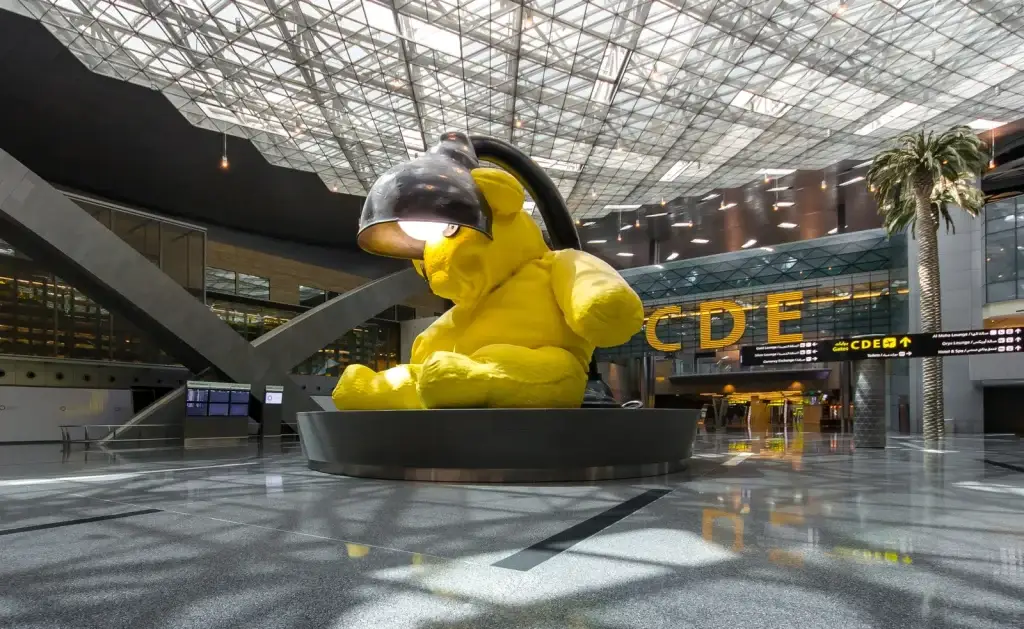
In Melbourne the time is 1.53 p.m. That’s where my time sense has to now stay, I’m a time shifter all over again. The next 27 hours are going to be all about travel and sustaining some sort of sleep pattern. From what I can work out the best time for me to sleep will be after we leave Doha. Coffee for me this morning but not before I’m going to sleep. I’ve got a bit of working out to do. We’ve got our bags packed and everything is going to plan.
I looked out the window of our apartment and there was a taxi across the road waiting in the taxi stand. We took our bags downstairs and had our first shock for the day. The fixed cost for a taxi trip to Milan Airport was 104 euros, just under $200 Aust, holy shit. I bucked and said to Georgie that we should take public transport to which she very wisely answered a resounding “NO”, it turned out to be quite a long trip although I still found it hard to justify the $200 cost. All went smoothly at the airport apart from a brief interlude with a lady with some sort of mental health delusion who came up to us muttering something about Thai yoga and the worst black coffee that either of us had ever had at a horrible little cafe called Cade Milano which also cost top dollar. I think that I have genuinely lost touch with the value of money in 2023. When you have been around for 71 years you’ve got so many economic periods all pushing up against each other, I think I’m still stuck in the period and the mid 80s when $100 was actually a lot of money. Well that reality has gone with the wind. The trick is to become as self sustainable as possible, prepare almost all of our own food and coffee, take it with us wherever we go and just live smarter. We’ve just proven over the past 6 weeks that we are quite proficient as far as this goes.
The plane took off on time. Being on a long haul flight is somewhat like being in no man’s land. Time becomes a bit more solid and the body becomes inanimate. I’m coming to the end of my bad eating experiment, I’ve proven to myself that I respond badly to processed food and carbohydrates, I have felt the repercussions of the small amount of pleasure that you get, that fleeting moment of gratification which comes and goes so quickly but the consequences stay with you for hours after and the insulin spikes play havoc with your blood sugar and the levels of inflammation in your body. Funnily enough it’s addictive. As my successful solution to any of my vices has been cold turkey then that’s what I need to do with this one.
We are 3 hours out from Doha. I’m just remembering our arrival in Barcelona back in the beginning of May when we stepped out of the baggage area. I was looking around for Joey but he was no where to be seen then Ceci came up to us and said “Gary? Georgie?”. The journey ahead seemed like it was going to be such an adventure. That afternoon Georgie and I had already started exploring and were sitting in the square outside the Gracia Town Hall listening to the senior citizens singing, buskers performing and trying hard to get a feel for where we were. It seems like yesterday but also like another lifetime. We’ve travelled vorasciously over the past 40 days walking 20 kms each day on average. Trying hard to explore areas that may not seem spectacular to most but which gave the trip a sense of authenticity that we needed to create a balance with the “tourist” sites that we would have been silly not to experience. We did a pretty good job of maintaining a balance between being tourists and also being adventurous.
I have astonished myself by being able to keep my blog up to date on a daily basis. I don’t think I missed one day on the whole trip. I will enjoy reading it in the coming weeks. We can now look forward to 10 weeks in melbourne before returning to Bali on August 22.
Somewhere along the way I decided to play a new game and create a scenario in which I make it to 100 years old. From 70 to 100 is 10,950 days. If this then is compared to a 3 week holiday then each day will equate to 521.5 days which means that the second day has only just begun. If the holiday starts on a Monday at midnight then the clock has just struck midnight of the first day. The trick will be to enjoy this final holiday with the same enthusiasm with which I approached our time in Spain and Rome. That’s something to look forward to although I have to admit that I won’t be able to ever rest on my laurels if I want to stay in shape to make it to the end fully capable of enjoying the challenges that will certainly abound, without challenges there is no adventure, without barriers there is no freedom.
I am in that weird “time shifter” place where it is 3 p.m in Spain, I am in a plane hurtling miles above the planet, it’s 4 p.m in Doha where we will land in 30 minutes and in Melbourne the time is 11 p.m. Things always happen in Melbourne first. I can’t drink coffee in Doha as it will thwart any chance of me going to sleep when I get back on the plane. I’ve still got a bit of food that I made in Milan so all we need is a place to sit around and hang out for 3 hours before we get back on the flight for our final leg back to Melbourne. 14 hours, wouldn’t it be nice to sleep at least 8 of them?
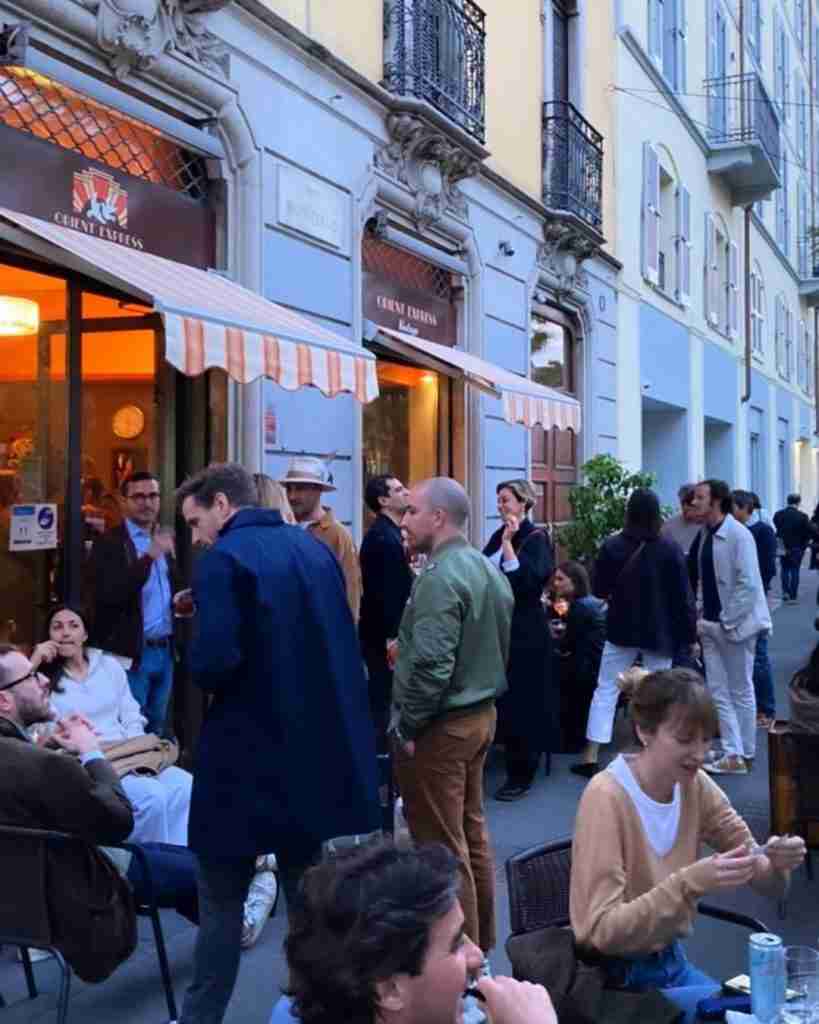
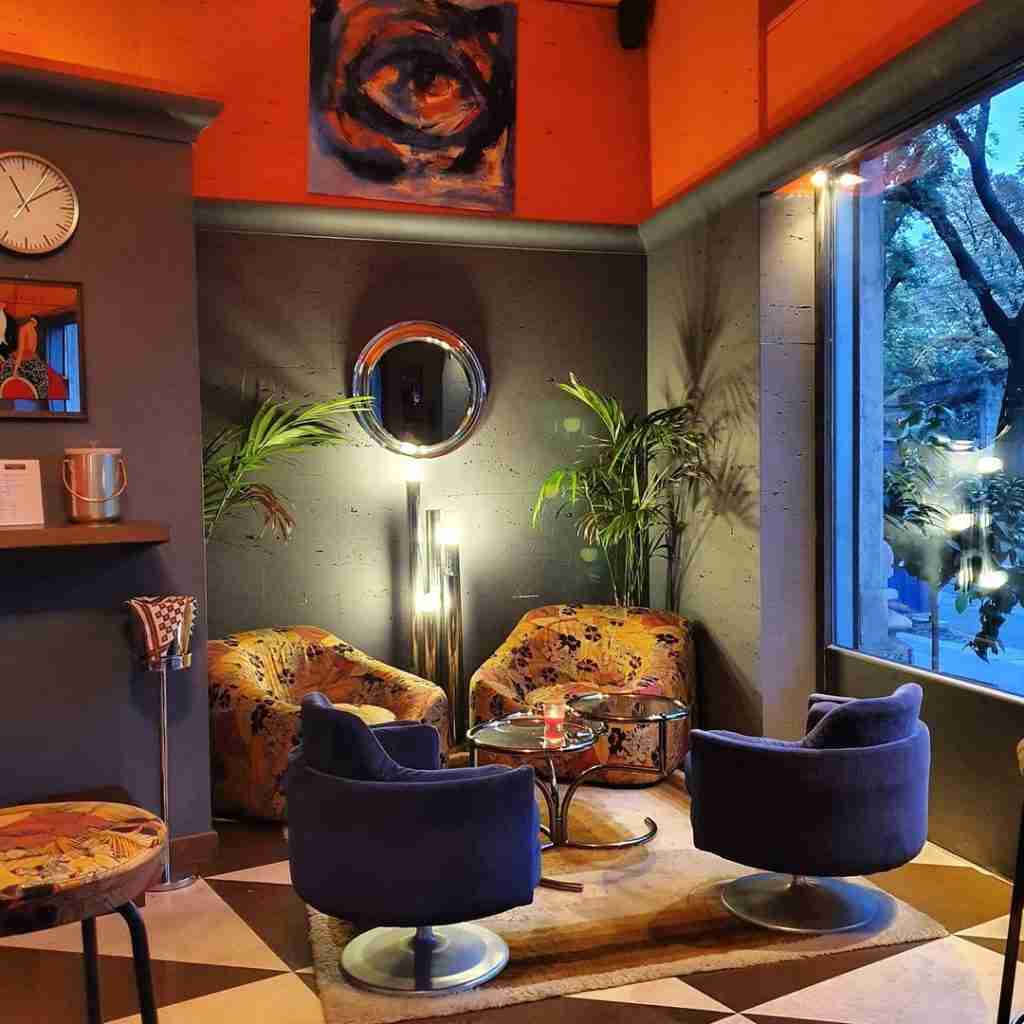
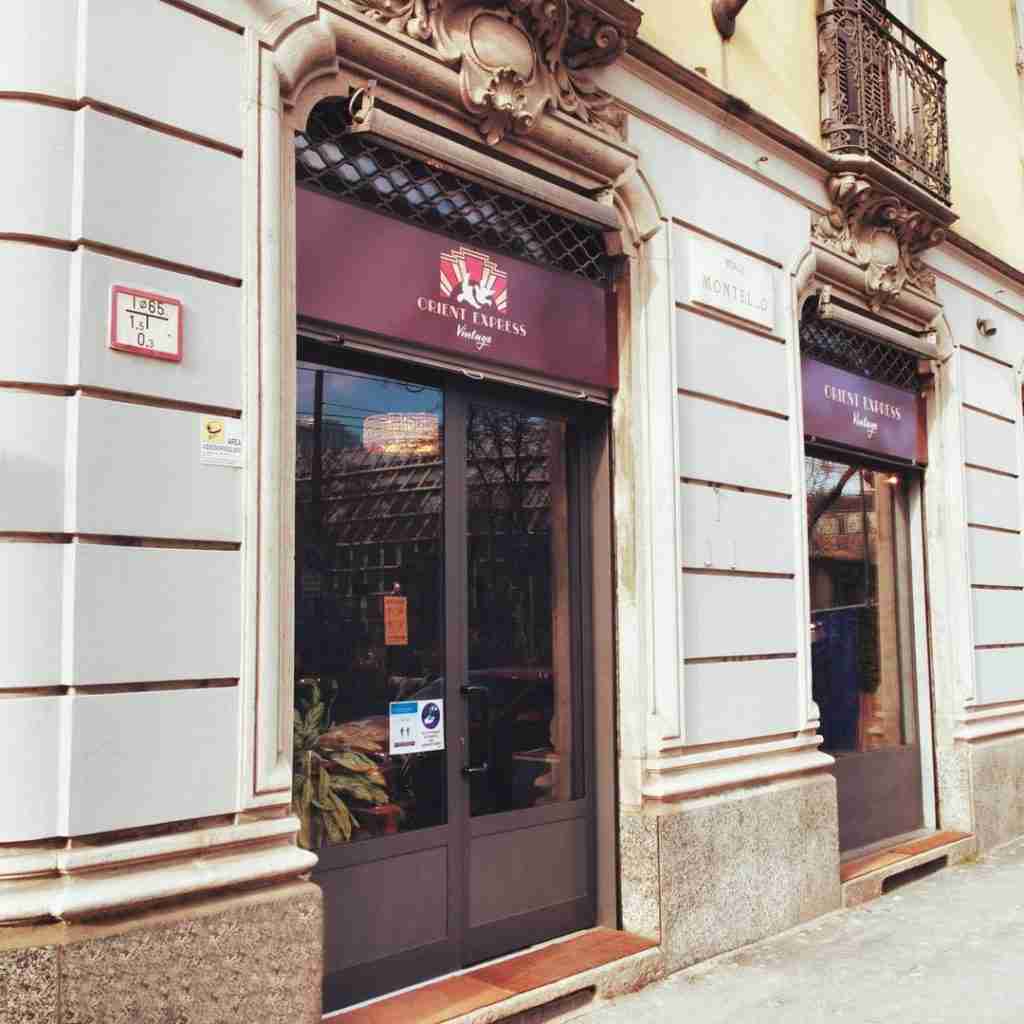
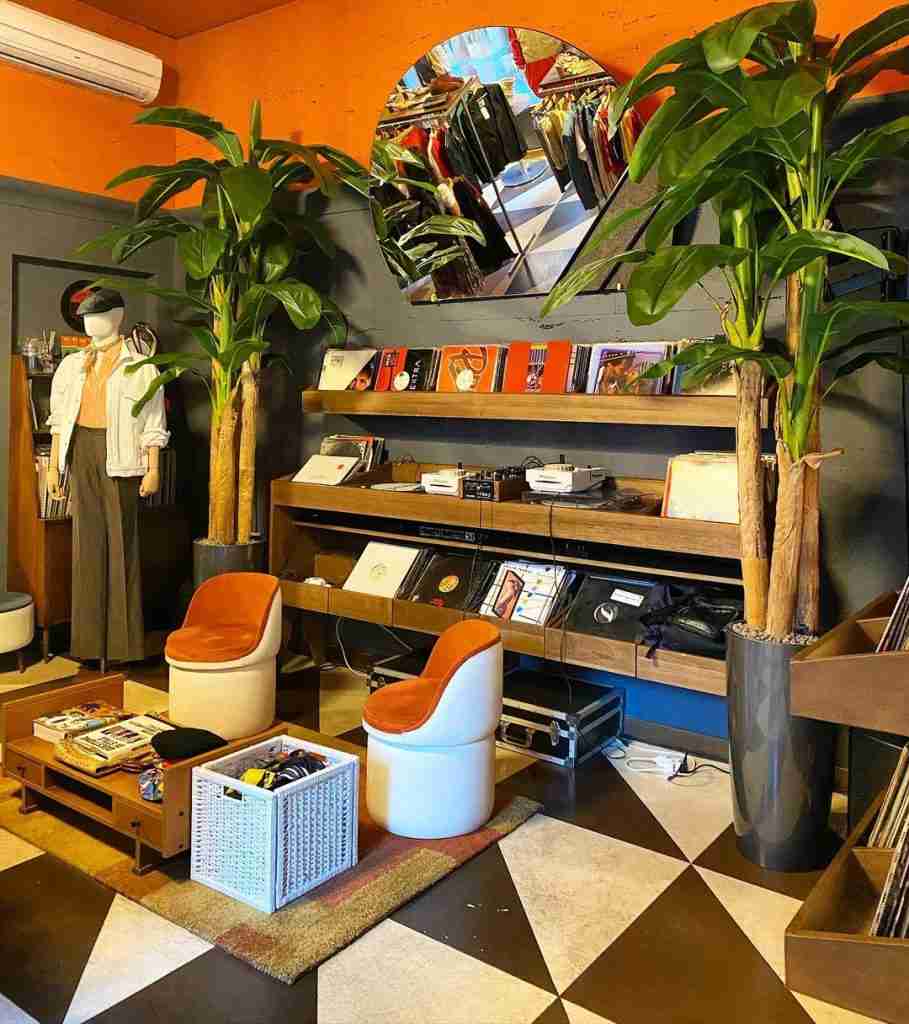
Last night Georgie and I went for our final stroll through Milan which for me was surprisingly like Melbourne, this may have been the case in the areas that we gravitated towards so don’t get me wrong, I’m not talking about the centre of Milan which is definitely not like Melbourne. Our goal was a vintage clothing shop and cafe/bar called Orient Express located in North Milan near Chinatown that we had visited earlier that day but it was closed. Milan has trams just like Melbourne’s, some old some new but they drive on the right side of the road which sort of creates the illusion of being in an alternate version of Fitzroy or some other inner city part of Melbourne. Anyway we sat outside, Georgie had some wine and I had a sparkling water, we could easily have been in Melbourne. The clothes weren’t all that great and were mainly for men and I sure as hell wasn’t in the mood to look through racks of second hand clothes in a dimly lit shop. We finished our drinks and walked back through Milan’s China Town which was buzzing at 9.30 p.m with hundreds of people eating a late dinner and having drinks on a warm summers night. By the time we got back to our apartment it was 10 p.m, we were both exhausted after a day when we did almost 28,000 steps. We finished packing our bags and turned off the lights in anticipation of the alarm clock going off at 5.30 the next morning.
Last words. Our favourite cities were Barcelona, Padua and Milan. Granada was loads of fun, Seville was short and sweet, Rome was intense, Florence was beautiful but distant, the Sorrentine and Amalfi Coast were spectacular as far as cliffs and houses built in impossible places go. The new part of Pompei had the best gelato shop.
Thursday June 8, 2023 Milan
Our Last Full Day In Italy

Well the final day has come. It’s goodbye to Europe tomorrow morning when we will board our plane to return to Australia. It really is the lucky country. The funny thing is that we are such a multicultural country that anyone I saw in Europe over the past 6 weeks might have been an Australian. There are so many people of Italian derivation in Melbourne that the classic Italian look is simply apart of Melbourne’s demographic. I suppose the same goes for the USA as well. Australia, America, New Zealand are all countries were the Hunan species has been doing an experiment over the past couple of hundred years to see what happens when you mix up the people from all over the world and tell them that they are Australians (or Americans, New Zealanders). This warrants some more thought and is worthwhile pondering at a later date.
It’s 8.20 a.m, I’m preparing our last meal in Italy. Eggplant, zucchini, onion, garlic and ginger with some leak, capsicum and tomato has become my preferred ingredients and I’ve finally realized the virtues of grating parmesan very finely. It’s done! Pesto pasta with the above veggies, cooked in a bloody small kitchen akin the the tiny ones you find in a child’s dollhouse, well almost. So we have lunch ready, big rolls full of tasty ingredients and the pasta for dinner. We are just about to head out for the day.
We set off with rested feet and a list of vintage clothing shops from a blog that Allissa sent Georgie. Georgie being our regular geographer and map nerd plotted out a walking route that took us to at least 4 of these shops. The reason why this was such a successful idea was that we got to see parts of Milan that we would more than likely never got to see. First thing we walked about a kilometre and had a coffee at what could be considered to be a neighbourhood cafe, we had a very pleasant short chat to an old German lady and had coffee and croissants. Just around the corner we discovered Milan’s China Town which was on our route so we wandered through just taking it all in. Eventually we arrived at our first stop which was unfortunately closed so we just kept on walking through to our next destination which was called Surplus. Georgie bought 2 pairs of jeans, one a deep purple and the other flared denim. We had another coffee, a decent one this time in a very local coffee house that has probably never seen a tourist and headed to the next shop which was called At Home or something similar. This was overall a better outlet. Georgie tried on several pieces much to my shock and came away with a unique jacket that will always remind her of our trip to Milan and maybe even Italy. From here we went to a park and ate the rolls that I had made earlier in the day and kept on walking to the next vintage shop. Problem was that georgie was over it by now. We had pulled off a miracle keeping her interested in shopping for several hours but this one was second hand brand labels like Gucci etc and the prices were up in the hundreds of euros. I can always tell when I’m flogging a dead horse with Georgie and shopping so this is when we pulled the plug and our excursion came to an end. But the positive thing is that she has purchased 3 pieces of clothing which are all great plus she is really happy with them. We then headed back into the centre of town near the Duomo, I went and had a look at Zara but there was absolutely no inspiration in my veins today to look for clothes so we just kept on walking, had a gelato and some fruit and set of on the long and now arduous walk back to the apartment where we are resting our sore feet after I served ups the pesto pasta that I prepared this morning. It’s now 6.45 p.m and the time has almost come to say goodbye to Milan. We’ve done just under 20,000 steps today but in reality it seems like a lot more.
I’ve been wondering about Italy’s involvement in WW2 plus the rise of fascism here, so I did a bit of research. Here’s what I came up with.
Fascism in Italy and Benito Mussolini’s rise to power had a significant impact on the country’s history, leading to Italy’s involvement in World War II and affecting both the north and south regions of mainland Italy. Fascism and Mussolini’s Rise to Power:
Fascism emerged in Italy during the early 20th century as a political ideology characterized by authoritarianism, nationalism, and strong centralized control. Benito Mussolini, an Italian politician and journalist, founded the National Fascist Party in 1921.
In 1922, Mussolini and his followers organized the “March on Rome,” a mass demonstration demanding political power. Faced with the threat of civil unrest, King Victor Emmanuel III appointed Mussolini as Prime Minister, granting him political authority. This marked the beginning of fascist rule in Italy.
Mussolini gradually consolidated power and transformed Italy into a single-party dictatorship. He suppressed political opposition, suppressed labor unions, and implemented strict censorship and propaganda. Mussolini aimed to revive Italy’s glory, emphasizing national unity, militarism, and imperial expansion.
In World War II, Italy initially remained neutral. However, Mussolini’s fascist regime sought to establish Italy as a major power and aligned itself with Nazi Germany and Imperial Japan through the signing of the Tripartite Pact in 1940.
In 1940, Italy entered the war on the side of the Axis powers, launching an invasion of Greece from Albania. However, Italian forces faced significant setbacks and suffered defeats. Mussolini sought assistance from Germany, and Adolf Hitler sent German troops to help Italy. Subsequently, Italy occupied parts of Greece and North Africa.
In 1943, following Allied successes in North Africa and the invasion of Sicily, Mussolini’s regime collapsed. King Victor Emmanuel III dismissed Mussolini and ordered his arrest. Italy then signed an armistice with the Allies, effectively switching sides in the war.
Northern Italy: After Italy’s armistice, German forces occupied northern Italy, establishing the Italian Social Republic (also known as the Salò Republic) as a puppet state under Mussolini’s control. The north faced harsh Nazi rule, with significant repression and reprisals against resistance movements. The region also suffered from bombings, food shortages, and economic decline.
Southern Italy: The south, liberated by the Allies after the armistice, experienced a different situation. Allied forces established a military administration known as the Allied Military Government for Occupied Territories (AMGOT). The south faced challenges of post-war reconstruction, as infrastructure and the economy had been severely damaged during the conflict.
Italy’s involvement in World War II left a profound impact on the country. The war resulted in significant casualties, destruction, and economic hardship. Mussolini’s fascist regime left a legacy of political repression, human rights abuses, and collaboration with Nazi Germany.
Following the war, Italy transitioned into a democratic republic and embarked on a process of rebuilding and reconciliation. The Italian Constitution of 1947 established a democratic system, safeguarding individual rights and promoting social progress.
Wednesday June 7, 2023 Visgnola/Milan
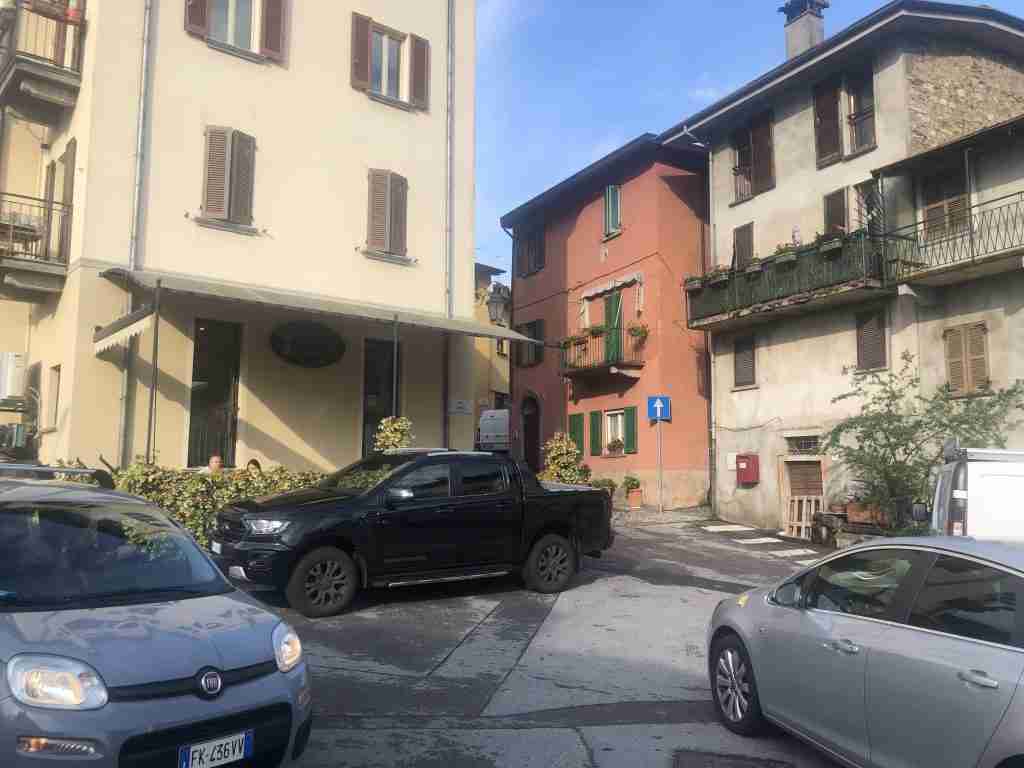
It’s happening at last. An end always comes but is it an end or a new beginning? The truth if the matter to me seems that life is just one big creation, there seems to be an apparent that things start, continue and finally end but when I look at it closer I see that it is all just a matter of “Create”. So for me and Georgie the next 2 days in Milan are not going to be about the end of our European holiday but will be all about Georgie and I enjoying every minute of this new city, we’ll squeeze every bit of pleasure out of it that we possibly can. Even the plane trip home is a new “create”, we can surely find something on it that will give us some sort of happiness.
I got out of bed at 6.30, had a shower, made a coffee and packed our food bag ready for this mornings bus and train trip.
Allissa called from the U.S last night, we had a fabulous conversation. One quirky thing she told me was that the people at the gym she went into all go into the sauna with their clothes and shoes on. Neither of us can work that one out! She told me how weird it felt being the only person in the sauna with bathers on.
Yesterday turned out to be a big walking day, our walk up via Valassina got us off to a good start. One thing that we both noticed and are now suffering from is that the sun’s rays in Europe are quite different than those in Australia. It was only in the low 20s but the sun was exceptionally hot on our skin. We both have pink faces this morning.
Georgie is reading about The Rockefeller Centre in Bellagio, it’s in a very dominant building on a big hill right in the middle of Bellagio. As usual the website is scattered with empty words but it looks like it is some sort of cultural residency where influential people come for a month and rub shoulders with each other to change the direction of mankind. Who knows? Sounds a bit fishy to me. Hilary Clinton is there at the moment doing something or other. Maybe a bit more other than something.
I feel that we’ve made the most of our time in Bellagio/Visgnola. As I’ve said there isn’t much going on apart from the beautiful lakes and sheer cliff faces of the Italian Alps. We didn’t walk as much as we normally do although we did seem to be walking non stop, we had a couple of ferry rides, visited several villages as well as Como, ate Gelato, drank coffee and Spritzes and generally filled in our time. We could have done something else with our 5 days but we didn’t, that’s the way it panned out. I’ll put it down to rest and recovery and preparation for all of the potential walking that we will be doing in Milan.
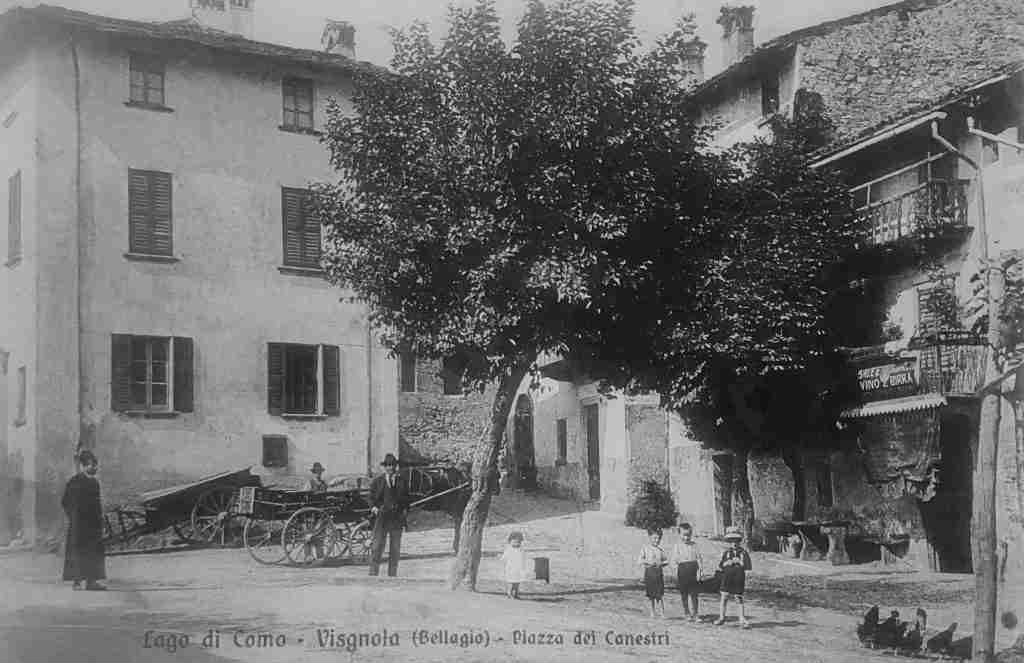
I went for a walk last night to put our rubbish bags in the village bins. The sense of history is palpable in a village like Visgnola. I spotted an old photo which looks like it was taken in the very early stages off the 1900s, maybe earlier. The people in it have all lived their lives and are now gone but the village square looks almost the same with the exception that the tree has gone and a verandah has been built in front of the pastry shop, oh and there are a few cars and motor scooters now as well.

We arrived in Milan this morning after an early start to the day in Visgnola. We got on the bus at around 8.30 a.m which took us back to Lecco where our Italian Lakes adventure began last Friday afternoon. We arrived in Milan around 10.30. Incident free, a safe and easy trip on the bus, the train and finally the Metro. We walked to our apartment from the Metro, it was only about 10 minutes, we were met by our host Bruni who is charming. He showed us the ins and outs of the apartment and took off. We’ve spent the day walking into the centre of Milan, looking around for several hours and finally walking back. I’d say we are staying about 45 minutes walk from the city centre, the area has an inner city feel, no tourists and lots of amenities like a supermarket across the road and enough cafes and restaurants to serve our needs if we need then although I had some of last nights left over Penne and doctored it with a few additional ingredients. It did its job and now we are both full of food and exhausted.
Milan is a vibrant city located in the Lombardy region of northern Italy. It is the capital of the Lombardy region and serves as a major economic and cultural hub. Milan has a rich history that dates back over 2,000 years. The city centre is intense. The Duomo is like a gigantic wedding cake, it’s bloody huge and is smack bang in the middle of a huge Piazza in the middle of Mila next to the Victor Emmanuelle shopping arcade which is also worth going goggle eyed over. This place is full of those ridiculously expensive brands that are associated with Milan like Prada, Georgio Armani, Gucci and Dolce & Gabbana. I bought a cheap but classic blue jacket in H&M for 60 euros and Georgie bought a floppy sun hat which she promptly got a refund on when she realized that she wasn’t so keen on it.
If this was the first Italian city that I had ever visited my jaw would have dropped to the ground and my eyes would have more than likely popped out of my head but at the end of 6 weeks I think that we have both become immune to spectacular architecture, huge piazzas, the Catholic Religion and expensive coffee, wine and clothing. We yearn for our simple life in Mooroolbark and the creature comforts of our own home. Maybe we’ll even get used to not seeing any people for a while.
Milan was originally founded by the Celts in the 4th century BCE. In 222 BCE, it was conquered by the Romans and became a thriving Roman city known as Mediolanum. During Roman rule, Mediolanum prospered as an important centre for trade and commerce. It served as the capital of the Western Roman Empire from 286 to 402 CE.
After the fall of the Western Roman Empire, Milan faced various invasions and changes of rulers. In the 11th century, it became a powerful city-state ruled by the Visconti family, who transformed Milan into a major political and cultural centre. The Visconti dynasty was later succeeded by the Sforza family, who further enhanced the city’s prominence.
During the Renaissance period, Milan experienced a flourishing of arts and culture. Artists such as Leonardo da Vinci, who lived in Milan for several years, made significant contributions to the city’s artistic heritage. Leonardo’s famous painting, “The Last Supper,” is located in the Convent of Santa Maria delle Grazie in Milan.
In subsequent centuries, Milan went through periods of foreign domination, including Spanish, Austrian, and French rule. However, it remained an important city in Italy, and in the 19th century, it played a significant role in the Italian unification movement. Milan became a symbol of resistance against foreign occupation and was an active participant in the process that led to the formation of the Kingdom of Italy in 1861.
In the 20th century, Milan continued to grow as an industrial and commercial centre. It became renowned for its fashion and design industries, with iconic brands such as Prada, Gucci, and Armani emerging from the city. Milan also became a leading financial hub in Italy and Europe.
Today, Milan is known for its cosmopolitan atmosphere, fashion-forward reputation, and vibrant cultural scene. It boasts numerous landmarks and attractions, including the magnificent Gothic Milan Cathedral (Duomo di Milano), the elegant Galleria Vittorio Emanuele II shopping arcade, the historic Sforza Castle, and the La Scala opera house.
Milan is also home to several world-class museums, such as the Pinacoteca di Brera and the Leonardo da Vinci National Museum of Science and Technology. The city hosts important events like Milan Fashion Week and the Milan Furniture Fair, attracting visitors from around the world.
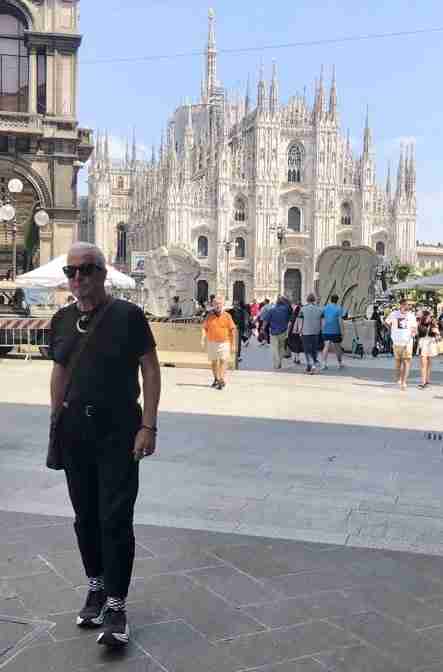
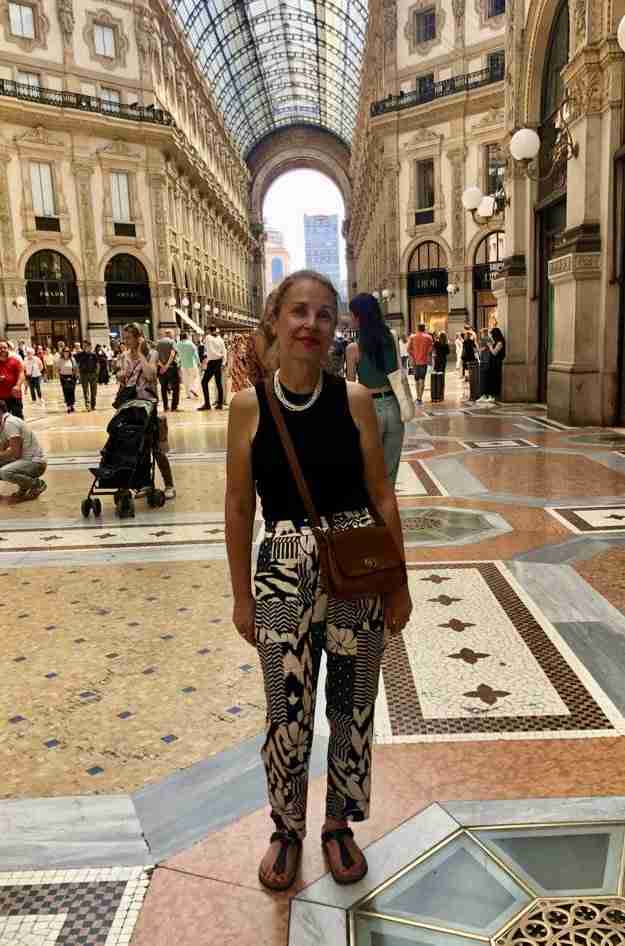
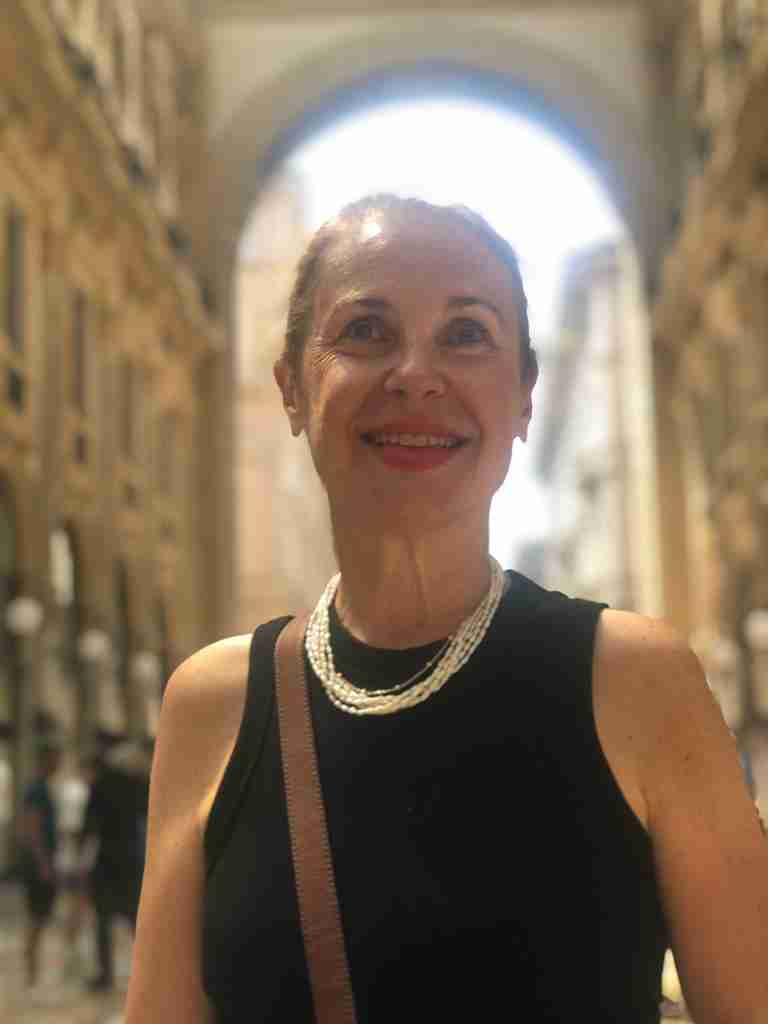
Tomorrow is our last day. Our plan is to get up early and just wander wherever our feet and desires take us. Who knows we might just fall in love with Milan.
Tuesday June 6, 2023
Bellagio
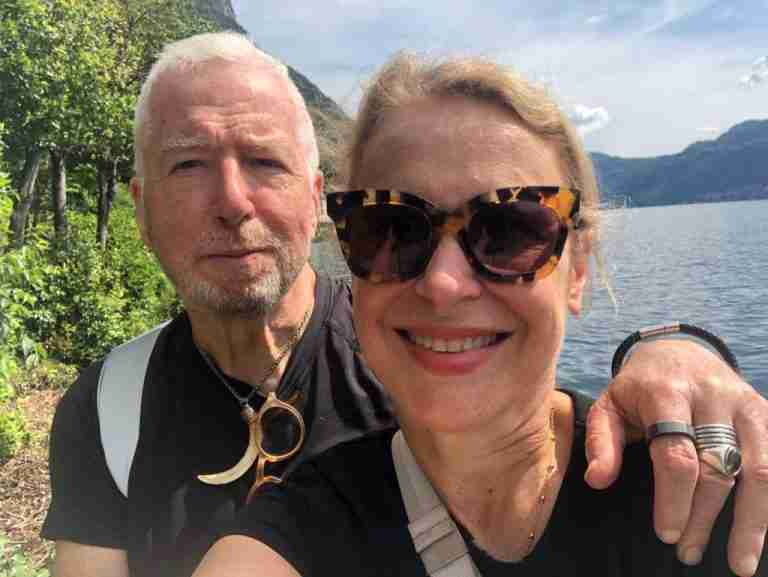
Our 6 week European trip is approaching it’s final days. I’m in two minds about arriving back in Melbourne on Saturday afternoon after one of those gruelling flights from Europe to Australia however chances are that we will be able to get some sleep. Although it is now winter in Melbourne I have a hot bath waiting for me plus the sauna and cold pool for plunges.
On reflection this trip has been phenomenal for Georgie and me. It has brought us even closer and re-affirmed that our relationship is an incredibly positive aspect of my life. I’ve also realized that I love her very much, which never changed but we’ve grown even closer over the past 6 weeks. The huge bonus is that we always have something to say to each other, I’m never bored about spending almost every waking hour with her and I look forward to seeing her again every morning when we wake up.
Our walking is winding down a bit over the past few days, each day has been just shy of 18,000 steps but I suspect that may change today and over the next couple of days in Milan. The trick now will be to keep our suitcases half packed and ready for the flight.
Now back to present time. The sun has just popped its head around the clouds and it is looking like today will be an almost perfect day weather wise. Our plan is to catch a bus back to Como and among other things catch the funicular up to Brunate where we will do a bit of exploring and then walk down the mountain track to Como before returning to Bellagio for the last time and then packing our bags for an early start to Milan tomorrow morning. This may change because Georgie doesn’t want to go through the bus drama again, we’ll see.
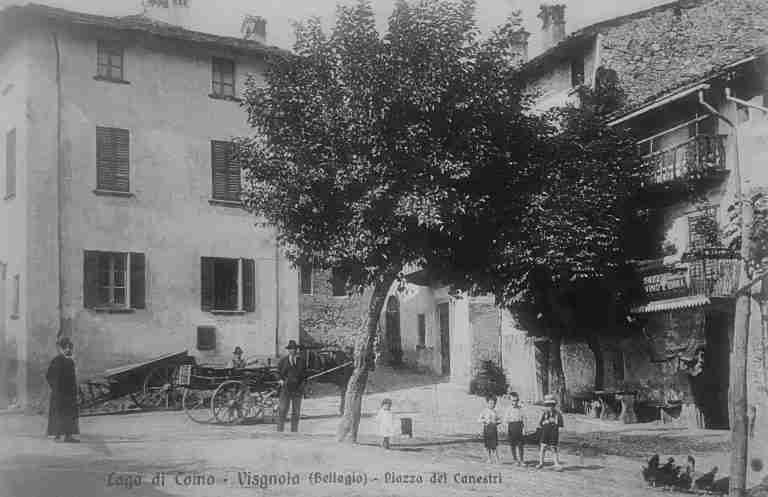
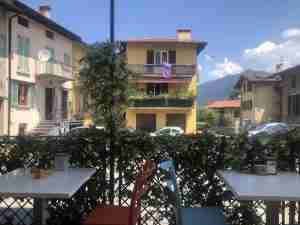
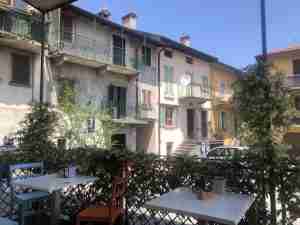
So we had a change of plan and set off up the mountain from Visgnola on Via Valassina a very steep and winding road that looks back on stunning vistas of Lake Como. Our first stop was for a coffee at Ristorante Altavista that has a gorgeous outlook after which we kept walking up higher and higher along a winding road that snakes through forests, past old villas. The air was crisp and dry but we still developed a sweat from the intensity of the walk. We made it up to Trattoria Busciona and turned around and retraced our footsteps until we arrived back at our local patisserie, Pasticcerea San Cassani in our Village in Piazza del Canestri. By the time we had finished it was around 12.30 p.m, I made a Pesto Penne for lunch which turned out to be pretty good and then we walked into Bellagio where we strolled around relatively aimlessly for a couple of hours as a final farewell to the Northern Italian Lakes District.
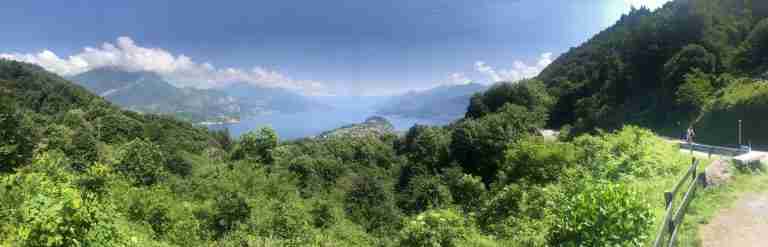
Apparently Hilary Clinton is in town today to do a speech at the Rockefeller Centre Bellagio which does residencies for people involved in arts, law and god knows what else. There are security guys everywhere and black Mercedes vans with blacked out windows ferrying unknown people around Bellagio. I’m in two minds about having been here. It is certainly geographically beautiful but its also culturally boring. People seem to wander through the streets with no purpose eating gelato, drinking coffee and aperol spritzes, eating pizzas and shopping in tourist trap shops which sell dated clothing and jewellery. We had expected to see plenty of commercial art galleries in Italy but honestly we didn’t see even one which was what I would consider to be worthwhile.
It is now 7 o’clock and we are back at our apartment waiting for the sun to go down so we can go to sleep and wake up early to head off to Milan for our final 2 days in Italy before our return to Melbourne.
Monday June 5, 2023 Bellagio/Como
Steps Today – 18,076 : Calories – 3,039/856
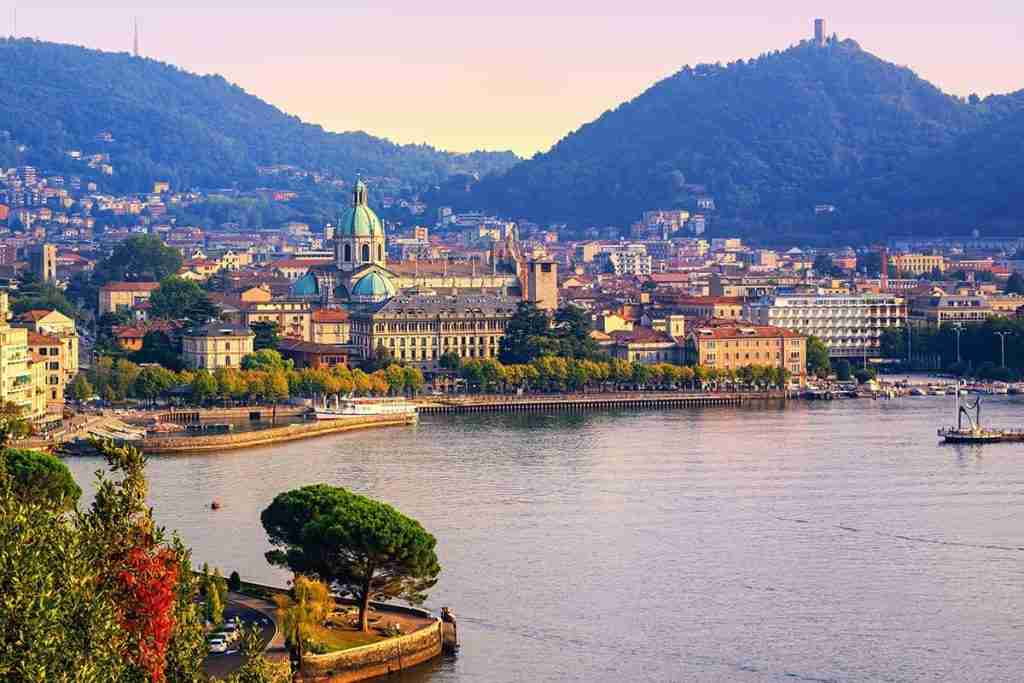
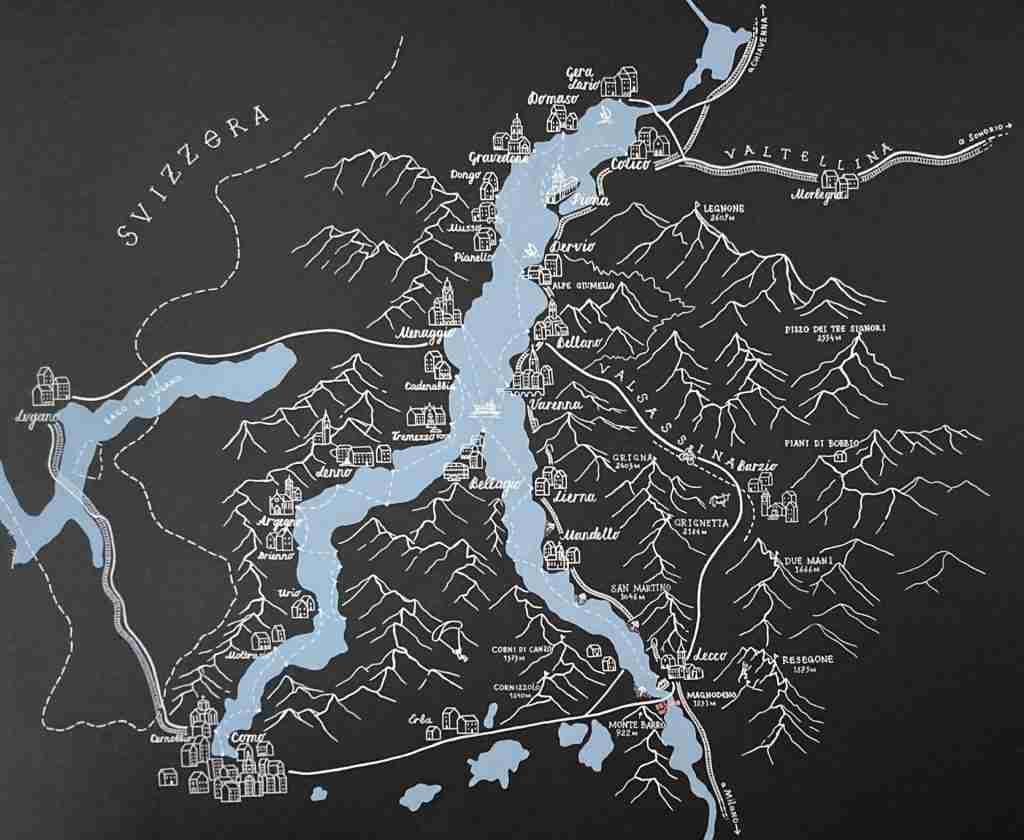
Today we escaped from Bellagio and caught a bus to the town of Como at the south west tip of the upside down Y that is Lake Como. There is a map that shows this on yesterday’s post. The bus is a lot cheaper than the ferry plus I find it to be overall a better experience.
Como is a picturesque town located in the Lombardy region of Northern Italy, it is a lot bigger than Bellagio and the other towns on the lake with possibly the exception of Lecco. The town is known for its stunning natural beauty, rich history, and charming atmosphere. Como has a long and fascinating history that dates back to ancient times. It was originally settled by the Celts and later became a Roman colony known as Novum Comum. During the Middle Ages, Como flourished as a prosperous centre for trade and textiles. It was a major player in the silk industry and renowned for its high-quality silk production. Como’s strategic location along the trade routes contributed to its economic success and cultural influence. Over the centuries, the town experienced various rulers, including the Visconti and Sforza families, and eventually became part of the Kingdom of Italy in the 19th century.
Como is nestled in a scenic setting at the southern tip of Lake Como, one of Italy’s most stunning lakes. Surrounded by the foothills of the Italian Alps, the town offers breathtaking views of the lake and the majestic mountains. The surrounding landscape is characterized by lush greenery, picturesque villages, and charming villas. Como’s location near the border with Switzerland makes it a gateway to the Swiss Alps and adds to its appeal as a tourist destination.
The population of Como is approximately 85,000 people. The residents of Como, known as Comaschi. Many locals are involved in the tourism industry, given the town’s popularity as a tourist destination. Additionally, the silk industry has played a significant role in Como’s history, and even today, it continues to be an important part of the local economy. The people of Como seem to take pride in their town’s cultural heritage, and the preservation of their traditions and craftsmanship is highly valued.
The town’s historic centre, known as the “walled city,” is a charming area with narrow streets, elegant squares, and beautiful architecture, we eventually walked outside the walls into the “new town”, this was a totally different feel from what we first experienced. Highlights inside the wall include the Como Cathedral (Duomo), a magnificent Gothic-Renaissance masterpiece, and the Broletto, a medieval town hall. The lakeside promenade, known as Lungolago. We strolled around the town, had a coffee, fixed up our iPhone’s internet connection at the Vodafone shop. Georgie bought an Italian Design magazine and some make-up.
We had noticed a funicular going up the side of the mountain from the area outside the walls, we made our way to the funicular which transports people straight up the side of a sheer mountain side. As usual there were queues but we got on the second carriage. Here’s a bit of information I found out about this funicular.
The Como-Brunate funicular, also known as the “Funicolare Como-Brunate,” was built in 1894 and is one of the oldest funicular railways in Italy. The railway was designed to connect Como, situated on the shores of Lake Como, with Brunate, a pretty village located approximately 500 meters above sea level.
The construction of the funicular was a significant engineering feat of its time. It was designed by engineer Alessandro Ferretti and built by the Swiss company Locher, which specialized in funicular systems. The funicular’s construction aimed to provide a convenient transportation option for residents and visitors alike, allowing them to reach the hilltop village of Brunate without the steep climb on foot.
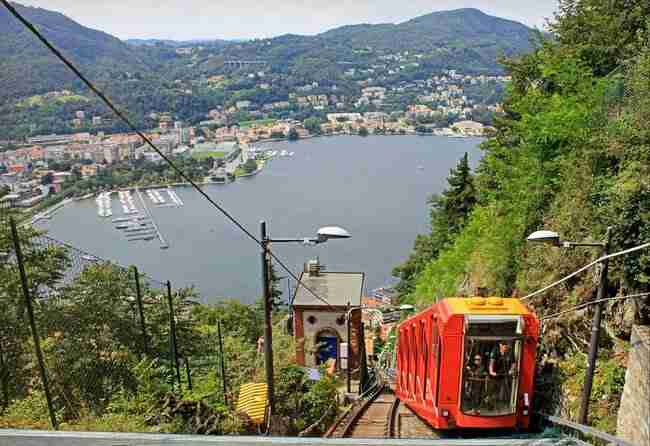
The funicular operates on a single track, and the journey from Como to Brunate takes approximately seven minutes. The system consists of two cable cars that are connected by a cable, running on parallel tracks. The cars are counterbalanced, meaning that as one car ascends, the other descends, maintaining balance and stability throughout the journey.
Throughout its history, the funicular has undergone several renovations and upgrades to ensure its safety and efficiency. The original steam-powered system was later converted to electricity in the early 20th century.
We didn’t do a lot of exploring today but we do plan to return tomorrow and take the funicular up to Brunate and then walk down from the top.
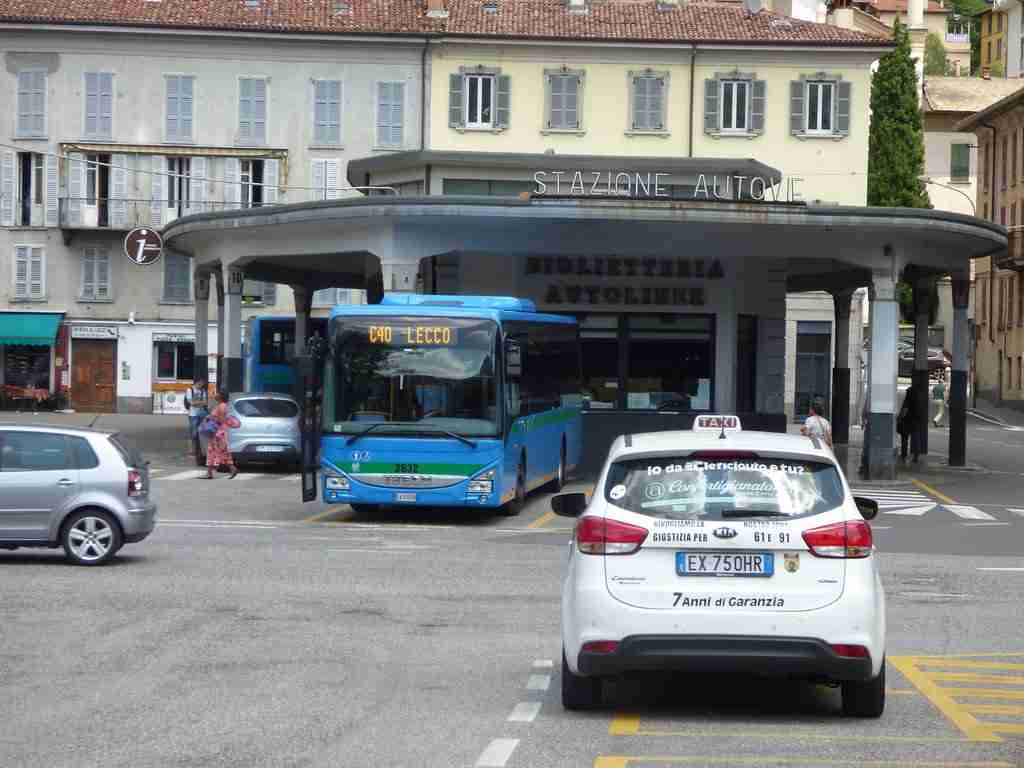
We returned to the bus stop at about 4.30, the bus to Bellagio came pretty quickly which was when the fun started. There were no queues plus there was no crowd control so getting onto the bus was a real survival of the fittest feat which unfortunately involved a certain amount of aggression. Chances are if we weren’t pushy we may have missed the bus. You can see what people will do to get what they want in situations like this. Not very pleasant. We even got ourselves a highly coveted seat. On the trip back we spoke to a young English guy who was on a solo trip for a week and a lovely young Bulgarian girl who had been living in Scotland for 6 years. She had the best accent and spoke lovely Scottish/English. We also spoke with a charming young couple from Kansas City who were music teachers at High Schools in the Missouri side of Kansas City. All informative, enjoyable and very civilised conversations. Then we stopped of at Bellagio and had some drinks and a few moments of relaxation before the walk back to our apartment in Visgnola about 25 minutes away.
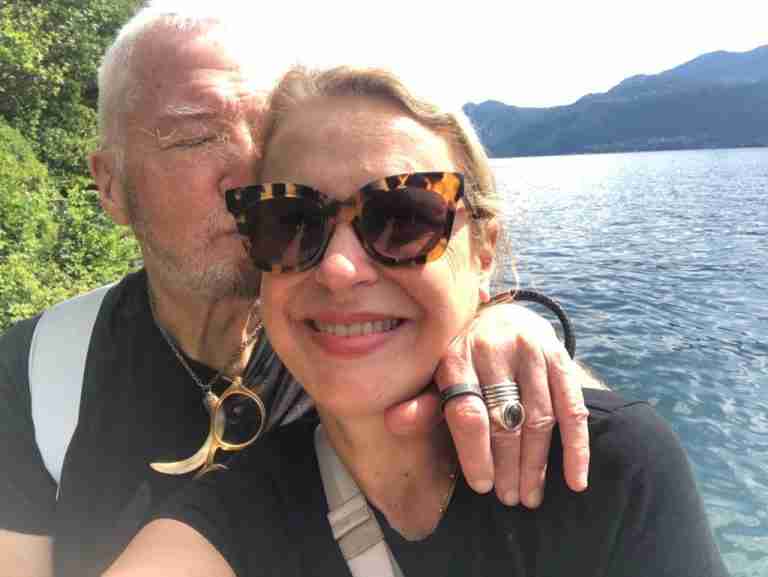
What have I learned on our European sojourn? The best thing of all is that I’ve reaffirmed that Georgie and I get along great. We’ve been pretty much totally in tune for the whole 5 weeks so far, no major disagreements, no arguments, we’ve both enjoyed virtually everything we have seen and done together. I’m lucky to have a wife who I love, who loves me. We have tacit roles in our relationship and fall into them comfortably which makes for smooth sailing. I’ve also had a chance to get an objective view of what it’s like to stay in short term accomodation and to objectively experience what I need and what I find comforting, valuable and useful. Little things like a great knife in the kitchen, a functional fry pan, good quality salt, even a cheese grater make a huge difference. Easily accessible shampoo, conditioner and soap make a mark as does enough toilet paper and good towels. What it means for me is that the host actually cares which then creates a bond between us and them. I actually felt antagonistic to the hosts in Sorrento due to a lack of what I see as care for their guests which then translates to a lack of respect. This experience will bode well for my own role as a host with our own AirBnB endeavours. Another thing is that I have a greater appreciation of Melbourne as a beautiful city. I’ve said this in the past but this time I believe that I can return with fresh eyes, maybe those of a “pretend” tourist. I need to constantly create objectivity toward the city I live in and to create space so I can view the idiosyncrasies and beauty that exists there, the same goes for our home. We will be going back with bucketloads of inspiration that has and will inspire us to create our own space with a fresh attitude and once again some objectivity so I can view things with fresh eyes and create spaces that I feel really happy and comfortable being in. After almost 4 years on a low carb diet I had forgotten what it was like to eat grains and processed food, bread, pasta and such, ice cream and a few other forbidden treats. I now have a greater appreciation of how good my body feels when I treat it with respect and only eat 2 clean and healthy meals each day with no snacking and no eating after 7 pm. I’ve also realised how important going to the gym, having saunas and cold plunges is to me, also having a great bathtub plus a sauna and how these things enhance my overall physical well being. I’ve realised that the planet we are on is beautiful and that most of mankind seems to appreciate beauty and creativity. It amazes me how mankind as a species has so much in common and that we can easily get on with each other even though we may have different customs, beliefs and even viewpoints.
There is probably more I have got out of this trip but I’ll review that later when I’m not in a bus driving on a narrow winding road around a lake at the base of a huge steep mountain.
Sunday June 4, 2023 Bellagio
Steps Today – 17,210 : Calories 2,961/842
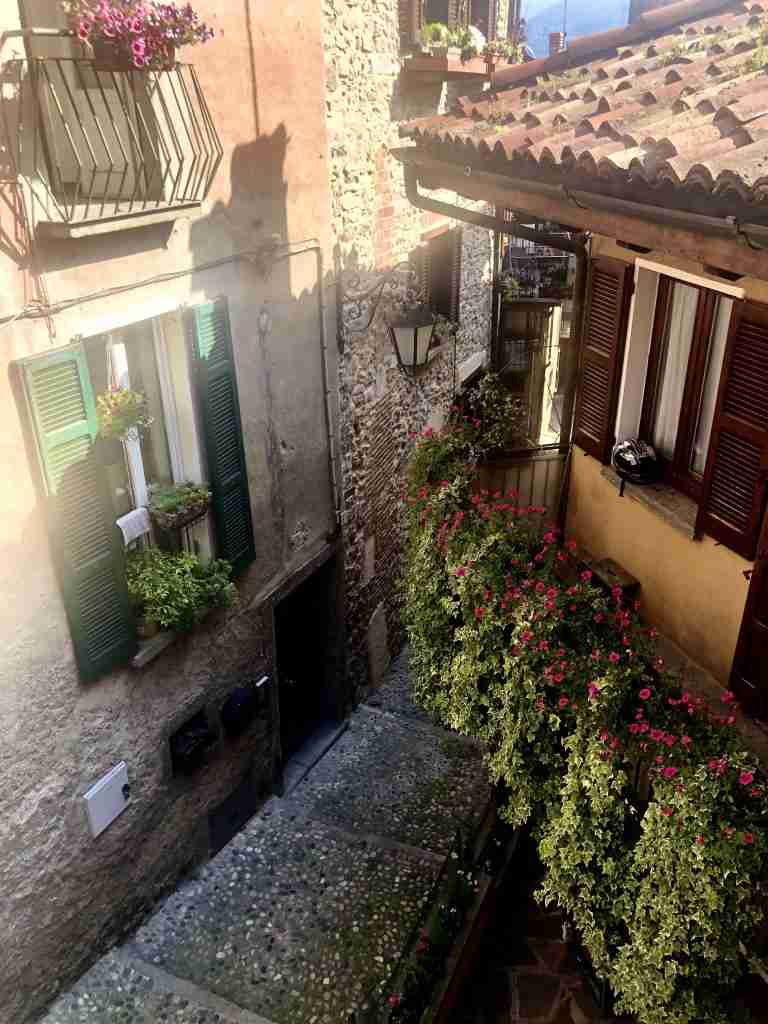
It takes me a while to get my city and town names memorised. For example I have been saying we are staying in Bellagio, well actually we are staying in the village of Visgnola which is about a 20-30 minutes walk to the Bellagio town centre and ferry stop. It is a quiet little village with a small piazza that has a patisserie, a pub and a very basic mini market just down from out apartment, there are a couple of restaurants down toward the main road to Bellagio. The beauty of this is that we are surrounded by Italians, not Americans and English which is what the demographic is in Bellagio.
That’s the problem with Lake Como, it’s full of tourists, which we are as well but “we are us” and us wants to be with Italians. Today we caught the ferry across the lake to Varenna. I thought Georgie was loving being here but she told me today that even though it is what she expected she’s not really happy with what we are experiencing. It’s got a Disneyland sort of vibe going on, nobody seems to know what to do with themselves so they sit at restaurants, walk aimlessly down the streets, eat Gelato, catch ferries and then sit down and have a drink or another meal. We walked into Bellagio last night at around 9 p.m and the restaurants and outdoor areas were empty. This isn’t the experience that we want on the last week of our holiday in Europe especially after the excellent experience we had in Padua but we are here for 2 more days and need to make the most of what we have. When we were walking back from the ferry today we had a discussion about how we feel about the place.
The geography is stunning. Huge steep visually splendid mountains rising out of the shores of the lake, great expanses of water, picture book towns with restaurants on the shore and laneways rising up the steep foothills with gardens that cost too much money to visit. My impressions of the area were formed from memories of paintings by an artist named Howard Behrens whose work was made into prints back in the 80s. Cheesy paintings that are unfortunately pretty true to what you get. Oh well, we both agree that we should have stayed longer in Padua but we had already paid for the accomodation which was the most expensive that we have had during out whole trip. The apartment is small, the images that Georgie saw online misrepresent what we are actually getting. The kitchen is functional albeit far too small but I can cook meals and prepare lunches far superior to the tourist food that is available at great cost. The host has been really friendly, he’s not the sort of guy who you could really complain to so we won’t.
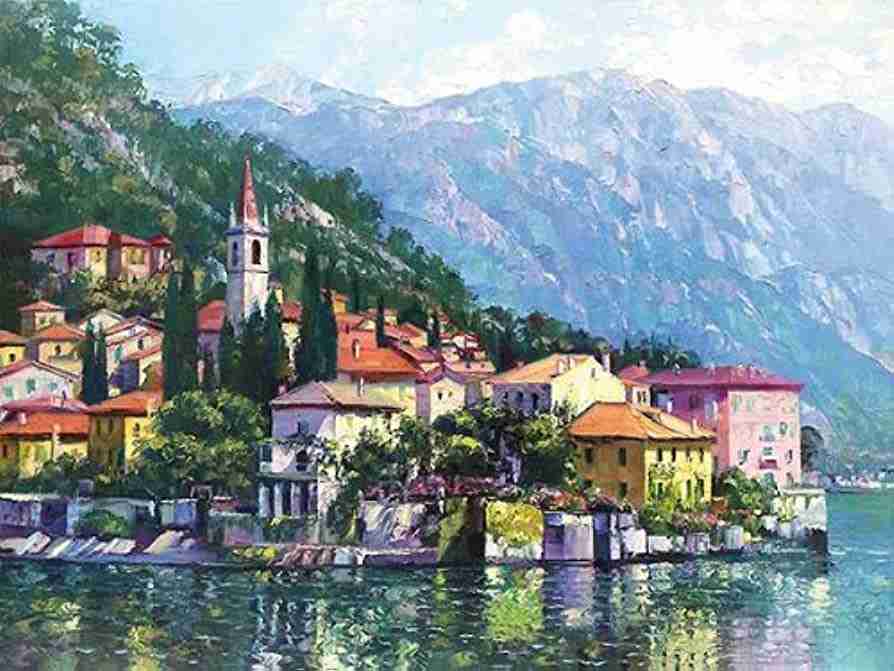
We will make the most of our time here and put it down to bad luck and hope that we have a fabulous time in Milan on our last 2 days. Tomorrow we are going to catch a bus to the town go Como which is about an hour away.
Saturday June 3, 2023 Bellagio
Steps Today – 24,248 : Calories 3,357/1,148
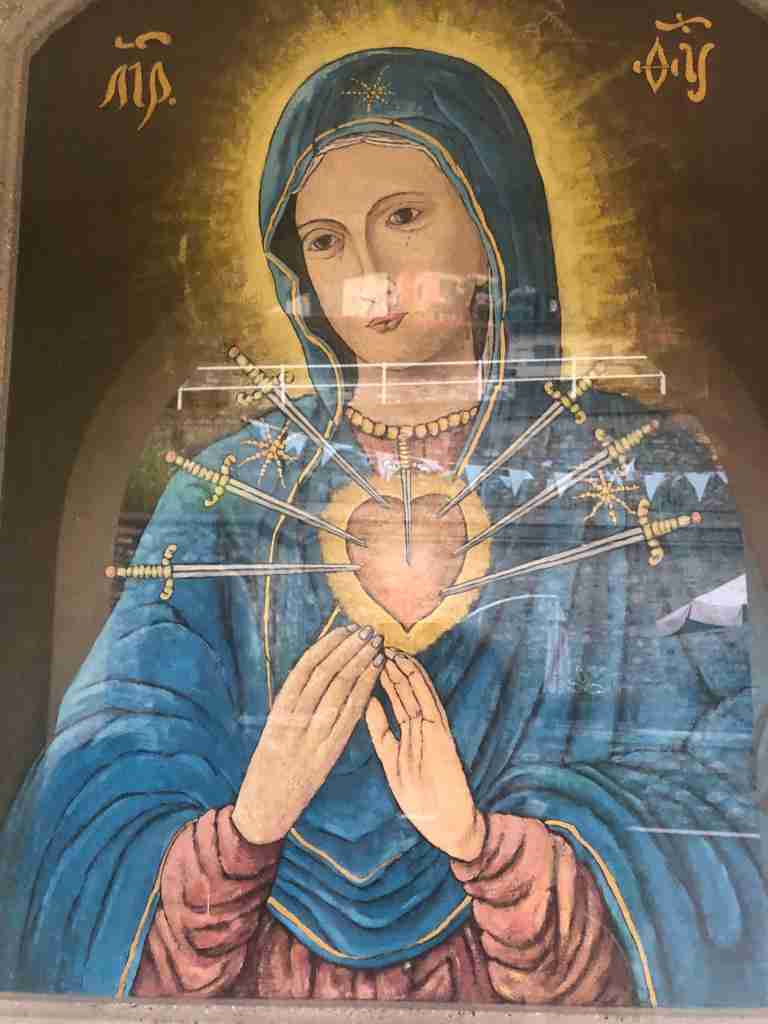
Its a new day, the sun is shining, our host left a cutting knife at the front door. The patisserie next door is open, people are sitting inside chattering and I have a coffee with the sun shining on my back. All is forgiven, all is well in the world. I’ve got an optimistic outlook that we are going to have a great day. I’m sure that the lake will look beautiful with the sunlight glittering on its surface. It is amazing the difference that a blue sky and some sun rays can contribute to the feeling of well being.
I thought that I would sleep in but no, that didn’t happen. I woke at 6 a.m when the sun started streaming into our bedroom, Georgie slept in until 8 a.m to get some well deserved rest.
Georgie likes the bed, I’m OK with it but unfortunately the pillow is a bit hard and there’s only one. I’m a pillow hog, having a couple of perfect pillows creates a wonderful sense of security for me.
From what I can see so far this part of our journey will be about walking, exploring, water, ferries, mountains .. no art, no architecture.
After our walk into Bellagio last night we got back and had our dinner which was the leftovers from the pasta that I had made the day before in Padua. There was just enough to get us by. The night went fast mainly due to me getting totally immersed in catching up on my blog and getting it up to date which I did until about 11.30. Georgie went to bed before I did but I reckon that we were both asleep by midnight.
Our walk today was fabulous. We set off later than usual, it was before 10 am that we set off, we walked in a different direction than intended but still with the goal of getting to the lake. It turned out to be well and truly the right decision because we walked through villages and down laneways and back alleys and really got a sense of where we were which opened up a whole new vista to our stay in this part of Italy. We ended up at a village called San Giovanni which is just up the lake from Bellagio, minus all of the tourists although there were a few Italian holiday makers happily celebrating their long weekend. A celebration of their Unification Day which was on Friday. We had a coffee by the lake and then set off again to explore some more country laneways and discovering whatever we could that would made us feel good about our new location in the Lakes region. We re-visited the shores of the lake several times eventually going into the gardens of Villa Melzi on the shores of Lake Como. Well kept, pristine gardens, quite beautiful in a manicured sort of way. Apparently the Hungarian pianist and composer Franz Liszt, (1811–86), used to visit the villa and got some sort of inspiration for his music whilst staying there. He was a key figure in the romantic movement; many of his piano compositions combine lyricism with great technical complexity, while his twelve symphonic poems (1848–58) created a new musical form. I thought I might get some inspiration while meandering through the pathways of the garden and found a playlist of Liszt’s piano compositions, I started listening to the music through my special Bose sunglasses as we walked through the garden. It didn’t really set off any sparks but nonetheless it seemed like a good idea at the time. We walked out the other end of the property, we were on the outskirts of the main touristy part of Bellagio where we went into a vaguely flashy white restaurant on the lake’s edge, Georgie had a wine and I had a coffee. Not my cup of tea but Georgie loved it. We decided against eating there, the prices seemed exorbitant and decided to head back to our apartment via the local supermarket to buy veggies and supplies to prepare lunch at home. We were foiled though, it was closed, the supermarket closes for an Italian siesta in the middle of the day for 3 hours! We then made our way back to the bottom of the hill of the little village that we are staying in. There are several restaurants at the entry to the village. The one we chose had closed their kitchen after lunch but it was re-opening at 3 pm.
Something very strange and bewildering was about to happen.
What unfolded is funny and tragic all at the same time. We decided to sit down anyway and wait for the kitchen to open, Georgie chose a Prosecco and I got carried away and decided to have a gelato. Georgie suggested that I have a mineral water as well but I said that I’d just have a water. At this moment Jimi Hendrix’s “All Along The Watchtower” started playing on the radio station that they had on, this being one of my favourite pieces of music of all time I got excited. I said to the waiter “It’s OK I don’t need anything I have the view and Jimi Hendrix, what more could I want?”. Then I said “Oh, OK I’ll have some water.” He bought out a glass full of ice and what looked like a mineral water. I started to pour it and I noticed it had tonic written on the bottle but I poured it anyway and started drinking it. Now it had been almost 4 years since I had tonic water or alcohol and I said to Georgie that it reminded me of when I used to drink a Gin and Tonic which was weird because it made me feel a bit strange, I thought it was psychosomatic. To cut a long story short I finished the drink and said something to Georgie and felt like I was slurring my words at which point Georgie asked him what was in the drink. He answered that it was a Gin and Tonic, oh shit! I started making loud noises of shock and horror and he said that I asked for a Jimi Hendrix which was either what they call a Gin and Tonic or it sounds a lot like that. He started profusely apologising and saying “Oh, fuck” over and over again as I did as well. I was feeling half pissed by now and walked out onto the street where Georgie joined me to walk back to the apartment where I promptly ate some food and lay down on the bed to sleep off my first alcoholic drink in over 4 years. That was 7 hours ago now and I have survived. I’ll be OK but what I take away from this experience is to double check what I’m getting in a foreign country.
I found out this afternoon that a friend had passed. The lights went out for him early on Saturday morning, Melbourne time. I hadn’t seen him for for about 10 years but had infrequent interactions with him on Facebook. Ironically the last time he communicated was to congratulate me on knocking my cancer on the head. Ironically cancer is what killed him. I had offered to help with advice from my own experience but for his own reasons he had decided that it was too late to do anything meaningful to combat his glioblastoma, a highly invasive cancer of the brain. I wrote this to his wife.
Hello Lyndall
I am in Italy at the moment. A minute ago Georgie saw your notice on Facebook about Ken’s passing. Even though it’s been many years since we have seen each other the news hit me like a ton of bricks. From my experience Ken was one of those rare people who was genuinely interested in the people he interacted with, he was “interested, kind and he cared”, a rare quality and one that made him particularly loveable. It’s funny because lately for some reason I have been thinking about my own mortality and pondering how precious life is, what a truly great honour it is to experience life and to interact with the special people we meet along the way. Ken was one of those people who always gave me great pleasure, his love for life, his curiosity, his care for others always left me feeling a bit better about life after our encounters. Another thing that stood out for me was that he was one of the only adults who ever granted Finn beingness when he was younger. I remember fondly a discussion that Ken and Finn had when we visited you guys at Macrae, I was so impressed, he spoke to Finn as if he was an equal. From my perspective Ken was a kind, caring, intelligent and charming man whose absence will make the world a less special place. I’m really sorry for your loss, I’m really sorry for his kids loss. We will be back in Australia on June 10, if there is anything I can do to be of any assistance please let me know.
Moments like this make you realise just how precious life is. Each breath, each thought, each idea or inspiration is a miracle. I was saying to Georgie earlier today just how lucky we are to be experiencing this brief moment in time and pondering on what it might have been like to have never had this opportunity to exist. I’ve firmly believed for the past 50 years that I am a spiritual being inhabiting a body but now I have to admit that this is just a belief and that I am agnostic about what the outcome might be. Maybe at the end it will be like having a general anaesthetic or maybe a party will happen and the lights will go bright and the magic tunnel will appear but no matter which way it goes I know that based on my own experience that even if there is a brief moment of wonderful and intense recognition that when I get into a new body my awareness of my past existences will fade away and even if I am still me I will be “me” in a different package. It’s a hard one to get your head around. Anyway my current game is to live until I am at least 100. The challenge that I am setting myself is to break the years down into a “Life is like a 3 week holiday” scenario. Each of these 3 weeks will represent 10 years. So seeing that I am 71 and 4 months that makes it very late on Monday of the first day of the 3 week holiday. More on this later. I’ve got a bit of working out to do to clarify things for myself but overall the goal is to cherish each day of this holiday and keep it as fresh and adventurous as is possible and to be in excellent health and fitness to get the most out of what is yet to come.
We all come and go, no matter what the current package of mind, body and spirit is it is unique to this lifetime and is a one time gig even if we do continue to have some sort of spiritual consciousness and “I am’ness”.
We have just come back to our apartment from our outing to the local supermarket where we stocked up with food for the next 3 days. Now we are about to head of for what Georgie calls “a promenade” into the main ritzy part of Bellagio.
That’s done. We’ve been to Bellagio and back, sat on a park bench at the lake’s edge and watched the mountains fade into the water as the sky got darker. We have walked over 21 kms today, 24,130 steps to be precise, a lot of it uphill. It’s time for bed.
Friday June 2, 2023 Padua/Lecco/Bellagio
Steps Today – 14,957 : Calories – 2,837/634
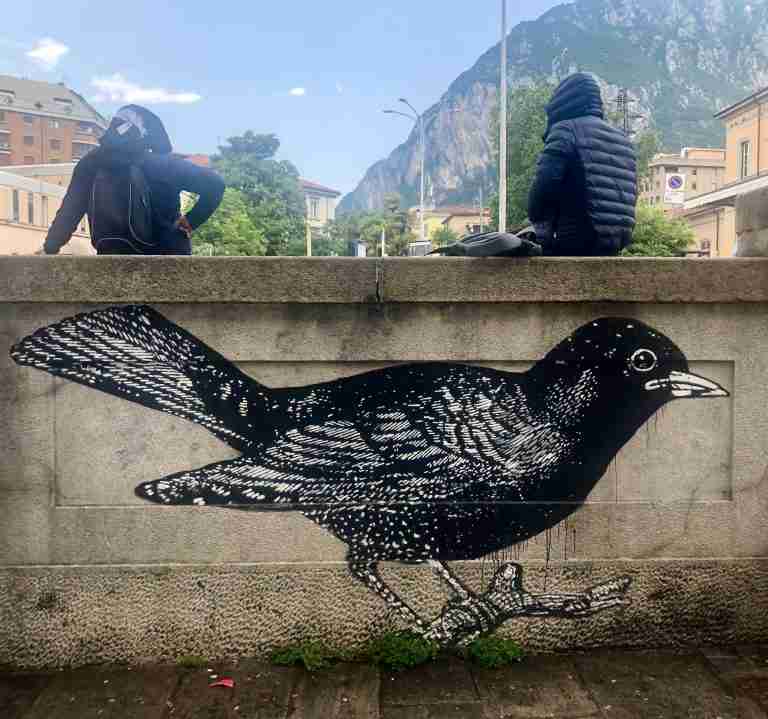
We have almost packed up our Padua apartment, suitcases packed, lunch made, dinner ready. God it’s stressful, just leaving one small thing can weigh on my conscious for days like the silly little selfie stick clicker that I left in Sorrento, so insignificant but enough to made me feel vaguely stupid!
The plan is to leave here and push our bags down to the tram stop and then onto the train. Fingers crossed that the transfer will go well and without incident.
I’d love to stay in Padua for another 2 weeks, I’d love to go back to Venice, I’d love to explore some of the other small towns and villages close by but it’s not going to happen this time. It is so easy to say to yourself “It’s OK, I can come back another time” but that’s highly unlikely considering my age and our financial position. If I work hard at it I can possibly change both. If I could just stay at my current level of health and fitness Georgie and I will be able to keep travelling and pushing ourselves for years to come.
Eating pasta, gelato and bread has been fun. It’s been so long since I’ve indulged in any of these forbidden carb laden treats and I have to admit that every mouthful has been a delight but that will all have to come to an abrupt end in 7 days when I arrive home. It’s back to keto, back to HBOT, back to the gym, back to the sauna and cold plunge. But I will also be returning with a head full of inspiration from our adventures in Europe. Oh shit, I sound like I’m writing my obituary! My theory that life is like a 3 week holiday has been tested and proven again as far as I am concerned although I might have trouble explaining my theory to anyone else.
I am going to miss the incredible European spring, the weather has been glorious during our 5 week trip so far although Georgie has told me that there is a 50% chance of rain during our stay at the northern Italian lakes area.
Rome seems so long ago, Barcelona is like ancient history. A bit like life really except on a trip like this you tend to pack so much in. The beauty of writing a blog is that all the little details are there to look back on. I feel like I’m in some sort of limbo land, half in Italy and the other half immersed in the anticipation of what it will be like to be back in Melbourne. Planes have become my magic doorway to faraway places and our finances are like the key that can open it.
It’s the second day of summer in Italy, today is Unification Day, a public holiday that hopefully won’t impact our trip today.
When I was on the tram this morning I reflected on the things that I’ve lost and/or misplaced while we’ve been on the trip. My debit card on the first day in Barcelona, 40 euros on our day at the Amalfi Coast, my old Oxford sunglasses on the train to Padua and the clicker thing for the selfie stick, not too bad for such a big adventurous trip. Loss is an interesting phenomena which I’m trying hard to become cause over, sometimes successfully and others not so good.
We’ve saved hundreds of Euros by cooking our own meals and preparing lunch pretty much every day, even taking a thermos filled with coffee. We’ve both concurred that my food has been far superior to the tourist crap that most people eat. That’s not saying that there isn’t any decent food but the meals we would want to partake in are out of our price range, although we did go to town in Barcelona with Joe Llatse and Ceci.
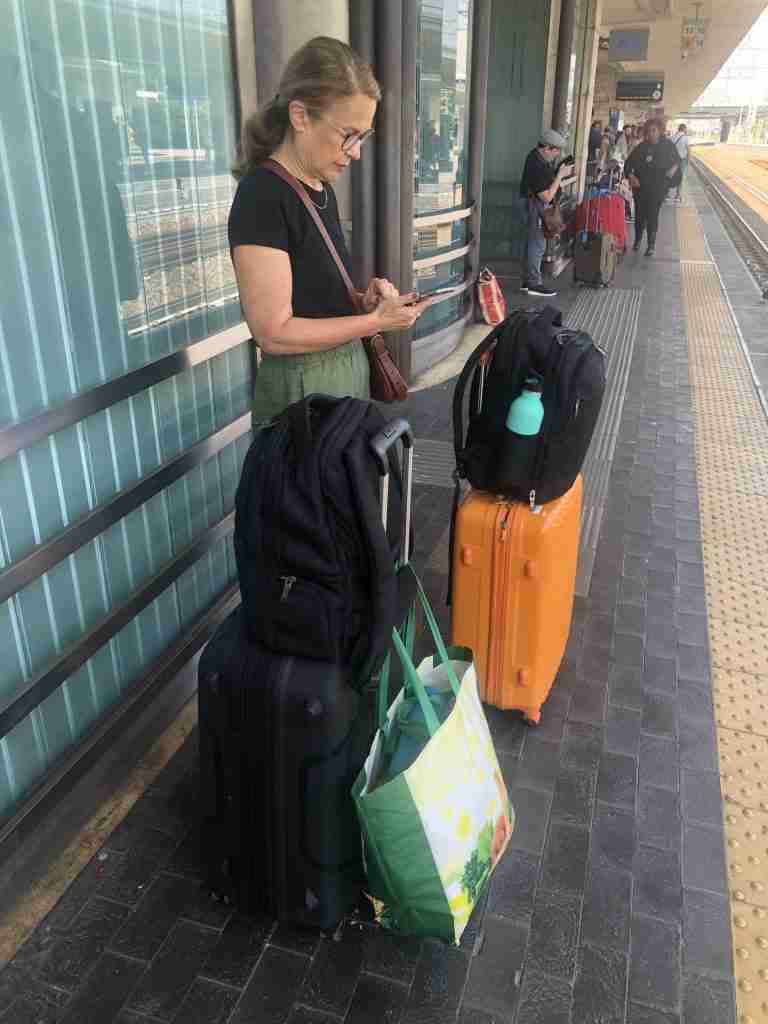
Back to our trip. Todays journey to Lake Como involved 3 trains, 2 buses and a bit of walking. The first part was a walk with our “mechanical donkeys” from the apartment to the bus stop, the bus took us to Padua Railway Station. The train trips involved 2 changes Padua to Brescia, then Brescia to Bergamo, then Bergamo to Lecco which is on Lake Como, then another 40 minute bus trip along a very narrow lakeside road to Bellagio. Our train arrived in Lecco around 3 p.m, we had to work out what bus to catch. This is the low socio economic end of the Italian Lakes, or I should say the railway station area is, Lecco turned out to be quite the resort when we went through it on the bus. Lots of kids hanging out at the station, so many Africans. There is a huge community of Africans in Northern Italy but I’m not certain where in Africa they are from. We are sitting in a seedy cafe at the bus stop called Cafe Volta where we also bought our bus tickets to Bellagio as well as the cheapest Cafe Americano (black coffee) we have had since arriving in Italy. The wait for the bus is a bit over an hour. It is always an adventure arriving in a new place and this is by far the most edgy arrival area so far, soon the bus will whisk us away to Bellagio where we will find our host and go to our accomodation which is the most expensive of our trip.
We made it to the meeting point a bit after 5 p.m and were greeted by Michel the owner of the apartment we are staying in. He was very friendly and took our bags in for us while we had a drink. Unfortunately the apartment turned out to be a bit of a letdown. It’s a lot smaller than it looked in the pictures and the kitchen isn’t great. There’s not even a knife to cut veggies with or a grater for our parmesan and the work spaces are almost non existent. Oh well, you can’t win them all. Georgie has done an amazing job of getting our accomodation spot on for our trip. So many places and all done by researching the spaces, locations etc on the internet, having to trust pictures and descriptions that are sometimes over inflated and that look far grander in the images than they do in real life. We’ll just have to buy our own knife and grater and enjoy what we have. The apartment is an easy 20 minute walk to the centre of Bellagio. We walked there soon after we arrived. It’s a bit of a letdown after the wonderful apartment we had in the absolutely fabulous city of Padua. The houses are plain, uninspiring and Bellagio is a bit like a dated mixed up version of Noosa and Positano with a heap of shops and restaurants to entice rich visitiors to part with their money.
We are going to have to get very creative and find some adventures that turn the next 4 days into a super fun time which I am certain that we can do.
Thursday June 1, 2023 Padua/Vincenza
Steps Today – 25,132 : Calories – 3,249/1,009
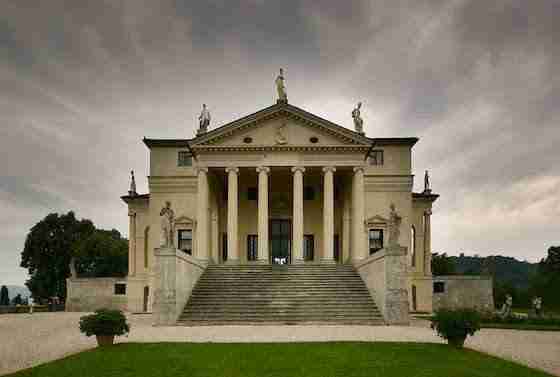
It’s Thursday. Todays outing was to the small city of Vincenzo. Georgie’s goal was to visit Villa Rotonda, a renaissance home designed by Palladium. We got up early enough, I prepared our lunch plus tonight’s dinner and we hit the road around 9 am. The wait for the train was a bit longer than expected but there no hurry anymore so why worry. We had a coffee at a crappy station cafe, chatted and finally boarded the train at around 10.40 am. When we arrived in Vicenza we walked away from the centre of town up into the hills where green trees grew and beautiful villas perched gracefully along wide cobbled laneways. The initial walk took us a bit too close to busy traffic which I didn’t feel comfortable with so when we arrived at a huge stairway that seemed to go up forever it appeared to be the perfect opportunity to take a risk and see what was up the top. It’s funny, a set of steps like this would have seemed daunting to both of us in the past but these days we get excited about the effort that it will take to get to the top. When we arrived we were rewarded with stunning views of Vicenza, a huge panorama talking in the historical centre and every other part of the city which is surrounded by green mountains. We kept walking without any real idea where we were going due to the fact that we had no
Internet connection hence no maps. I sort of liked this, it created a new sense of adventure. The laneway we were walking alone had small stones set into the ground in a beautifully symmetrical pattern with different coloured and shaped rounded stones, somebody had gone to a lot of trouble and expense hundreds of years to create a sturdy walkway with high walls on either sides protecting the villas from prying eyes. We came to a large villa that had a line of dwarf statues on top of its high stone wall, very quirky indeed. We didn’t want to pay 12 euros each to look through but we did find a small cafe hidden of the one side of the villa overlooking a very hilly pastoral scene with a huge church on a distant hill. As we were leaving we met a charming French couple from Bordeaux who we chatted to briefly, we found out that Villa Rotonda was closed. Poor Georgie, she wasn’t that disappointed but we did walk to its front gate and peer in at the grand villa with its mighty columns in the distance behind closed gates. We were lucky because we had discovered a part of Vicenza that we wouldn’t have seen unless we took the chances that we did.
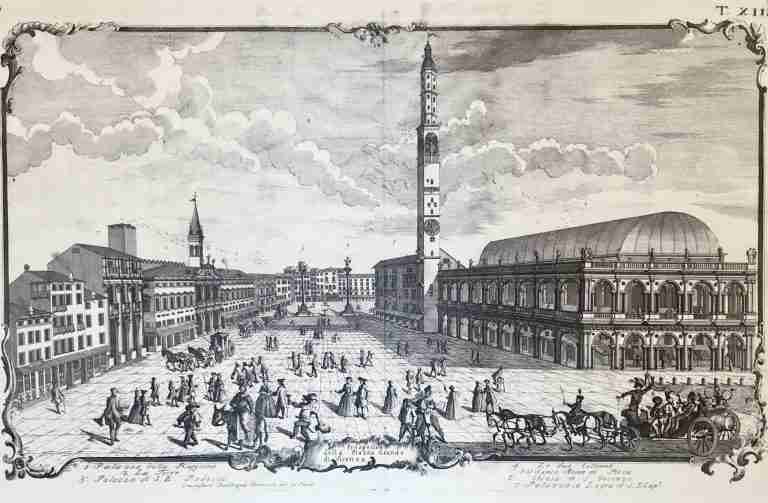
Vicenza is a beautiful city located in the Veneto region of northeastern Italy, we were going to spend a couple of nights here before Georgie decided to base us in Padua, the train trip only takes around 20 minutes. It is renowned for its rich history, stunning architecture, and the influence of renowned architect Andrea Palladio. Vicenza has a long history that dates back to ancient times. It was a settlement of the Veneti tribe before becoming a Roman city in the 2nd century BC. Throughout the centuries, Vicenza experienced various rulers and influences, including the Byzantines, Lombards, and the Republic of Venice.
One of the main attractions of Vicenza is its architectural heritage. The city’s historic centre is a UNESCO World Heritage site due to its exceptional concentration of Palladian architecture. Andrea Palladio, a renowned Renaissance architect, left an indelible mark on the city with his innovative designs. His works include the Basilica Palladiana, Teatro Olimpico, and Palazzo Chiericati, among others. What I did notice was even though the architecture is stunning in Vicenza and the piazzas a grand and awe inspiring there is something about Padua that far exceeds Vi9ncenza for me, the overall ambience and feel and aliveness of Padua was my favourite location on our whole trip so far.
Perhaps the most famous villa in Vicenza is Villa Rotonda (Villa Almerico Capra), also designed by Andrea Palladio. This iconic villa is located just outside the city centre where we walked when we first arrived in Vicenza and is considered one of Palladio’s masterpieces. Its symmetrical design, with a central dome and porticoes on all four sides, has had a significant influence on Western architecture. Georgie told me that it was a huge influence on Georgian architecture in England. Another notable villa in Vicenza is Villa Valmarana ai Nani. It consists of two interconnected villas: Villa Valmarana “alla Porta” and Villa Valmarana “ai Nani.” These villas are famous for their stunning frescoes painted by Giovanni Battista Tiepolo, a prominent Italian artist of the 18th century. We stopped by today but as I said we didn’t go inside. Villa Malcontenta, located in the neighbouring town of Mira, showcases Palladio’s mastery of integrating architecture with its natural surroundings. Vicenza and its surrounding areas are dotted with numerous other villas designed by Palladio and his followers. Some noteworthy examples include Villa Pojana, Villa Pisani, Villa Badoer, and Villa Thiene.
After our walk in the “country” we walked into the historic centre. Our first stop was a small park where we sat on a park bench and ate our lunch of pasta that I had prepared this morning. We both agreed that it was delicious. Next task was to find the Vodafone shop and purchase some Italian SIM cards. We had to buy a card that lasts for a month even though we are only here for another week but what the hell, we are now back online. The rest of our stay in Vincenza was simply strolling around the town, drinking coffee, eating gelato and just taking in the overall feel of the place and getting an idea of the architecture and different nuances between this city and others we had visited. We eventually walked back to the station at around 6 p.m and caught a 6.40 train back to Padua where we ate our dinner in the apartment and then walked through town and sat in one of the piazzas for the last time before we leave for Lake Como tomorrow. Oh, I will be so sad to leave Padua behind.
Wednesday May 31, 2023 Venice
Steps Today – 27,152 : Calories – 3543/1,301
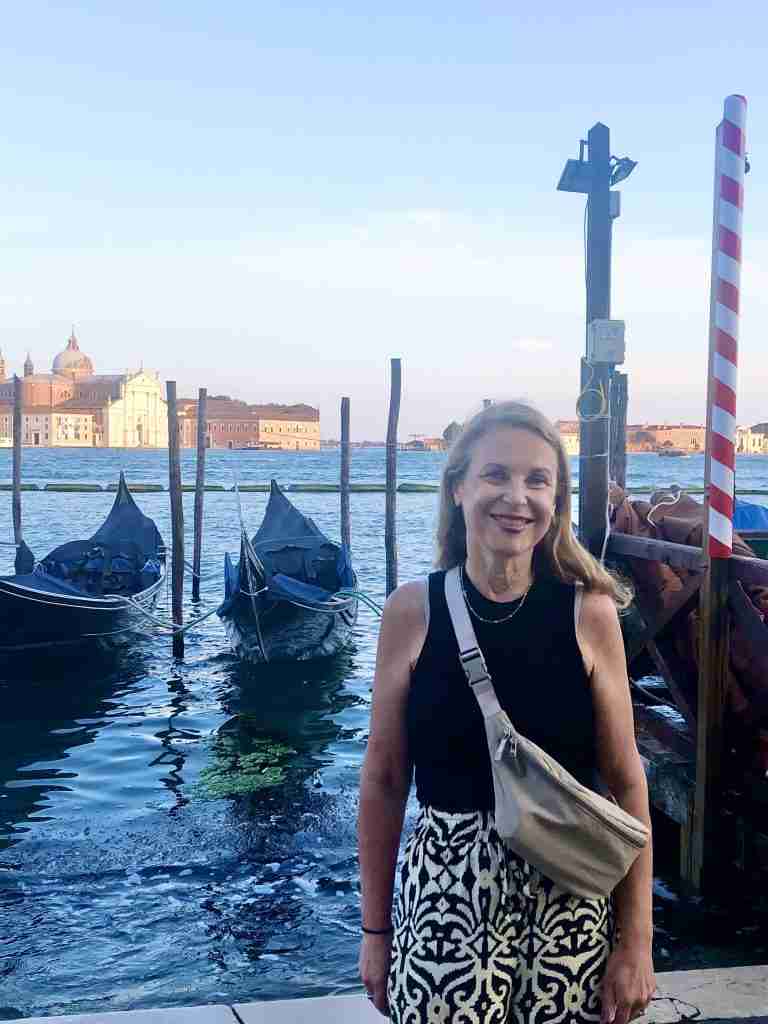
I wrote this on Thursday so a lot of it is in the past tense. We were so busy and didn’t get back to Padua until after 10 pm.
Yesterday was such a full on day that I didn’t have any time at all the write my blog for the day. We arrived back at our apartment from the Venice Architectural Biennale just after 10 p.m completely exhausted. I’ll catch up later today but right now we are off to Vicenza for the day and if we decide to really push ourselves we may go back to Venice. That is yet to be seen.
I’ve botched our Vodaphone SIMs. We topped up a couple of days ago with 10 euros but that lasted for a bit more than 24 hours so we’ve been roaming around without internet which is a pain. Our plan is to find the Vodaphone shop in Vicenza and buy 2 new SIM cards which financially is a pain but it’s going to be better to be able to stay in communication with the world.
Our trip to Venice yesterday was intense I got up at 6 am got ready, went to the kitchen and cooked up a storm for our lunch. When we left the apartment we had enough food to feed us for the whole day. We walked to the train station once again which takes about 20 minutes. Georgie has become an expert at buying train tickets from the machines at the stations. The first time we bought a ticket to Venice we paid 4 times too much because we bought tickets for the fast train which wasn’t really any faster getting us there. I’m good at cooking and Georgie is the queen of directions, planning and buying tickets.
We arrived in Venice soon after 9 am which was fabulous because at this time of day the hordes hadn’t come out yet, they were still eating their breakfasts and putting on their makeup. The first stop was The Realto Bridge which is around a 30 minute walk through the maze of laneways, bridges and canals. We stopped for a coffee so we could make a few phone calls and then set off again. My heart almost burst with joy when we came upon a Fish and Veggie Market, all I wanted to do was to start shopping but I restrained myself. A seagull flopped over my head, it’s wings brushed my crown, as we walked through the market. Once again I had to restrain myself from buying any of the beautiful produce. The seagulls in Italy are huge, like twice the size of the ones I’ve seen in Australia. I saw one landing on a car roof near the Vatican in Rome and I thought it was going to put a dent in the roof.
Our destination was the Architectural Biennale that had just started a few days earlier.
Biennale Architettura 2023
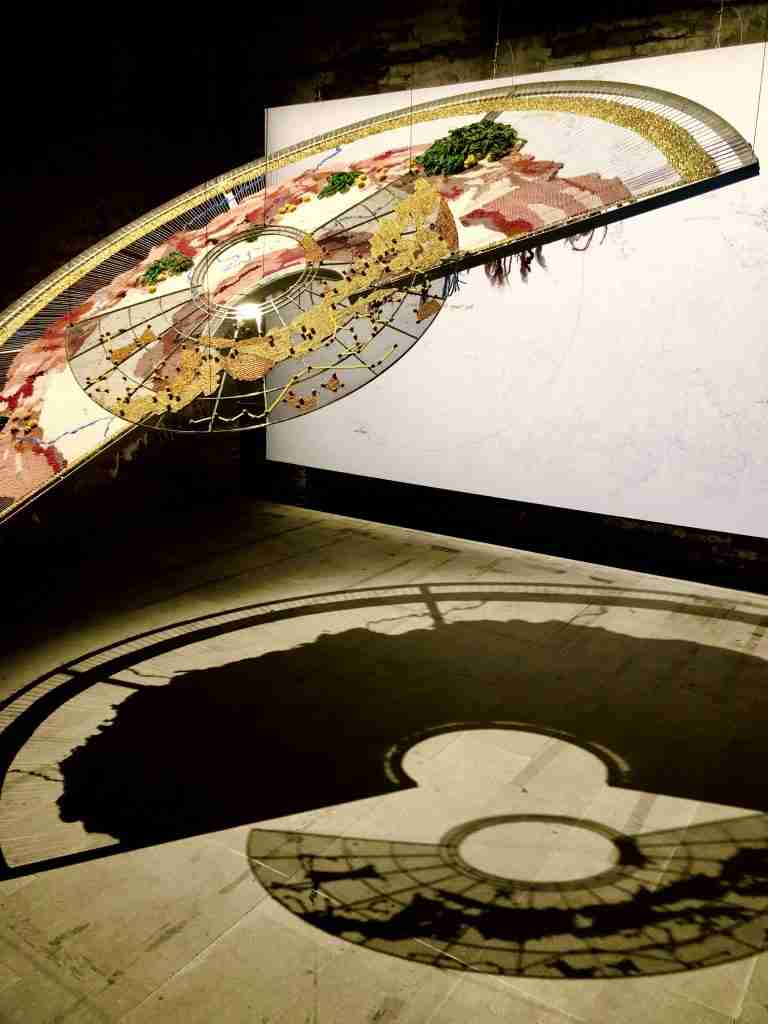
There were 2 venues. The first was the various country pavilions at Giardini. Each country has its own purpose built pavilion. Australia’s was designed by DCM and was possibly one of the best overall.
The 18th International Architecture Exhibition, titled The Laboratory of the Future, is open to the public from Saturday May 20 to Sunday November 26, 2023 at the Giardini and the Arsenale, and at Forte Marghera; it is curated by Lesley Lokko and organised by La Biennale di Venezia.
The Biennale Architettura 2023 is open from Saturday 20 May to Sunday 26 November, curated by academic, educator and best-selling novelist Lesley Lokko, who has commented: “Architects have a unique opportunity to put forward ambitious and creative ideas that help us imagine a more equitable and optimistic future in common”.
Lesley Lokko is the founder of the African Futures Institute, established in Accra, Ghana, in 2020 as a postgrad school of architecture and public events platform. In 2015 she founded the Graduate School of Architecture in Johannesburg. She has taught in the UK, in the US, Europe, Australia and Africa. She is the recipient of a number of awards for contributions to architectural education.
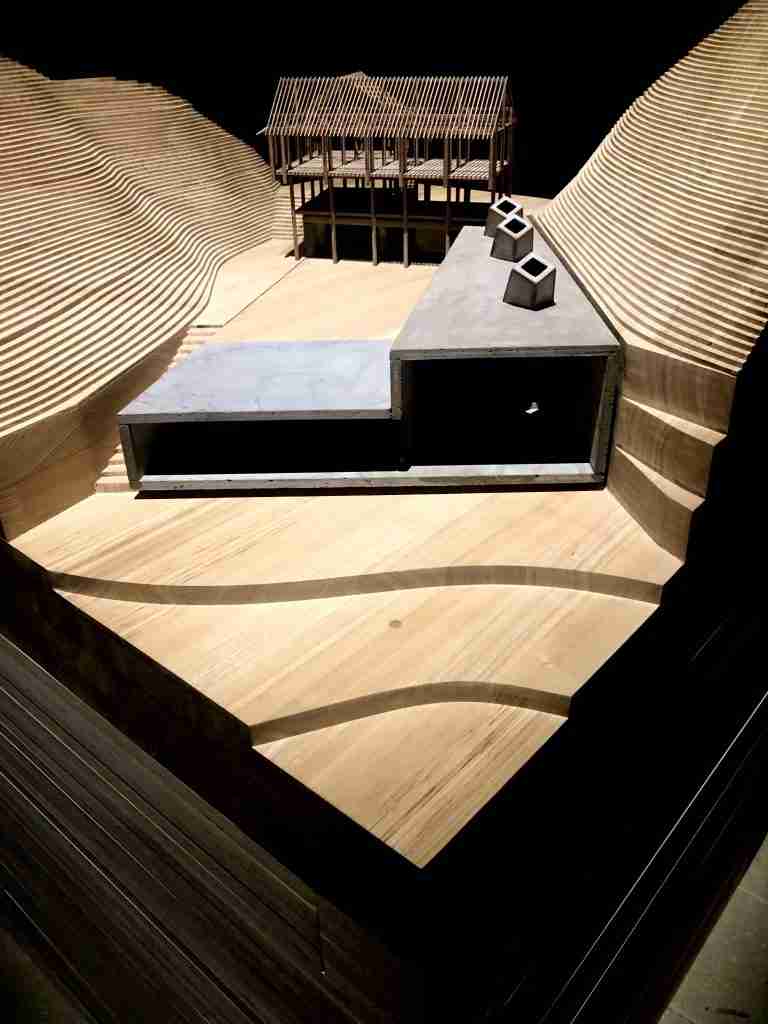
When we entered the Giadinia Exhibition Space I felt a sense of excitement, after entering the Swiss Pavilion I was completely underwhelmed. The next stop was the Scandinavian Pavilion that did some sort of homage to the design sense of the Sami people but this looked a bit like the Nimbin Aquarius Festival in 1973. By now I was seriously concerned that I was visiting a “wank fest”. The disappointment continued from pavilion to pavilion. The overall theme of the Biennial was “The Laboratory of the Future” which is admirable but the only inspiration that I got from this section was the Finnish compostable toilet display. Maybe I was tired, maybe I was expecting more. Yes, I was. I was expecting something to do with architecture not rugs with architectural drawings on them or fancy mobiles and empty words written on walls. We didn’t give up, just kept plodding from pavilion to pavilion until we finally did admit defeat and had a coffee after we found that the Israeli Pavillion was closed with some bullshit significance about it being some sort of protest. The best thing I saw all day was the locked up Russian Pavilion with a security guard standing out the front. Not that I feel badly toward Russian architects but it was just the fact that somebody thought that this was the right thing to do.
We finally left.
I felt cheated like I wanted a refund but we soldiered on to Arsenale which was the second site of the show. We walked in the door into a wonderland. I was instantly transported into a brave new world. My spirits lifted, my eyes opened wide, my heart started beating faster, I instantly became enthusiastic. My initial thoughts were why in the bloody hell hadn’t we visited this location first? Just bad luck really. We only had 2 hours to view this vista of wonderful things, this was architectural creativity and sublime beauty. This was the part of the show curated by Lesley Lokko. I hadn’t taken one photo at the first stage of the biennale but at Arsenale I couldn’t help myself, I wanted to capture images of every installation. Whoever put this together was a design, sound and lighting genius. Everywhere I looked there was something worth exploring whether it be a big screen, a glorious architectural model or some amazing sounds that came at me from N,E,W,S. Simply amazing. I’ve got 2 YouTube clips in this post that show highlights of both sights.
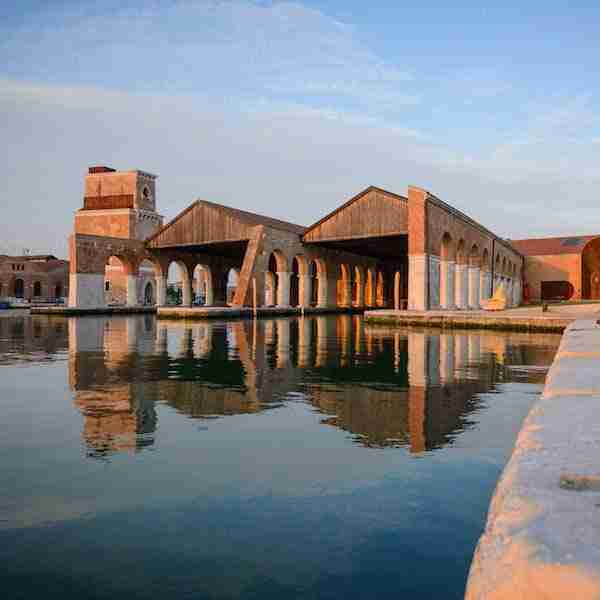
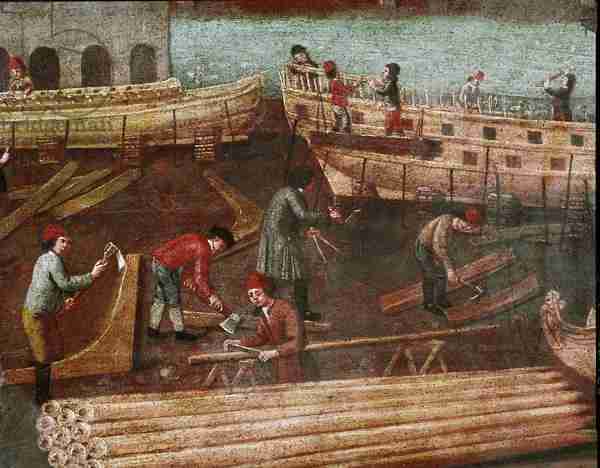

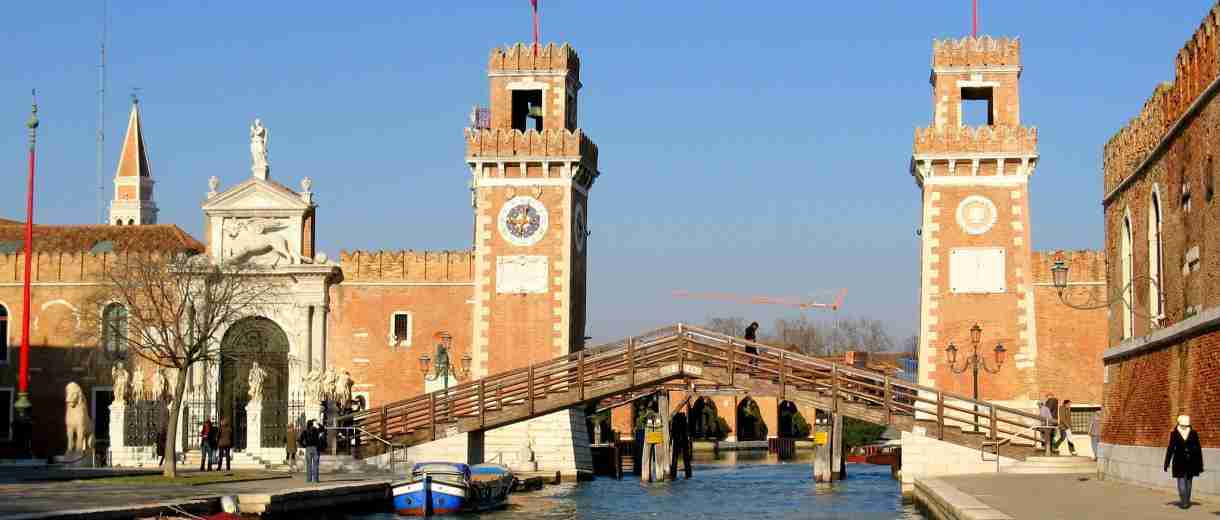
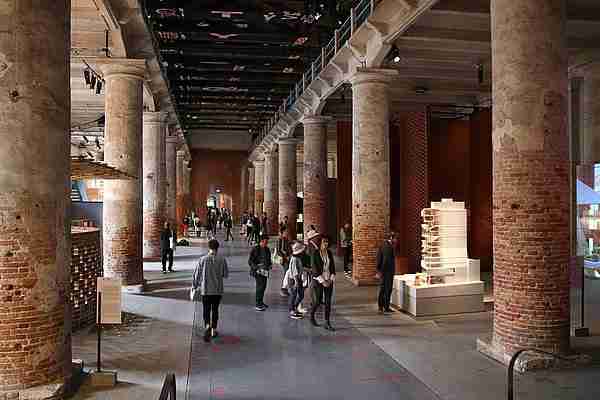
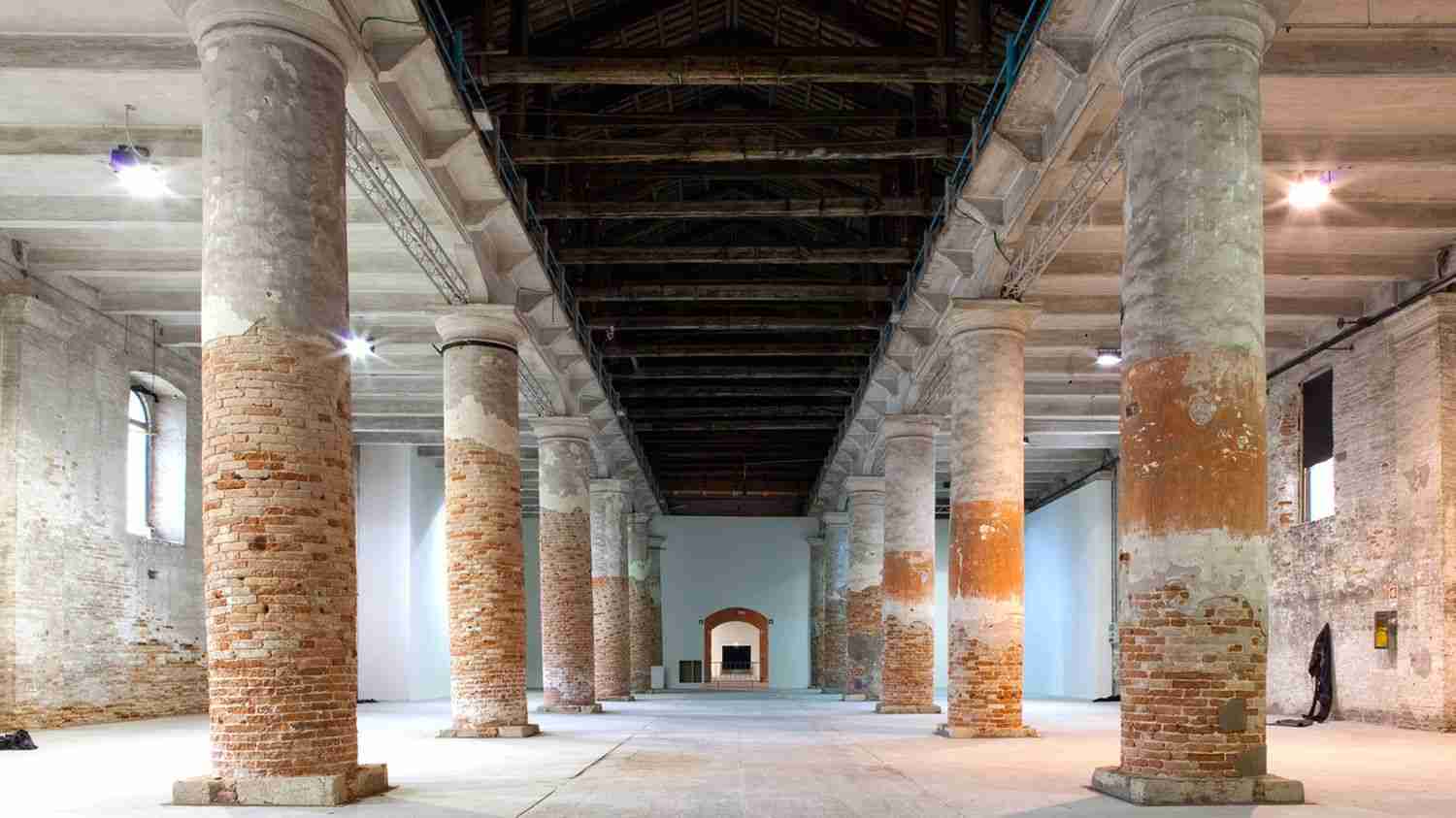
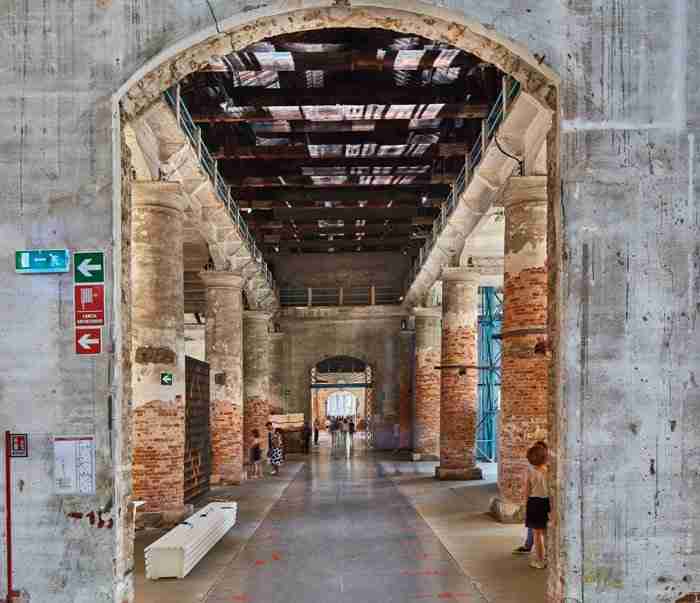
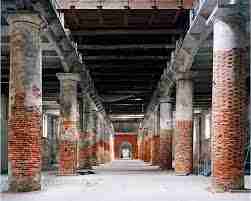
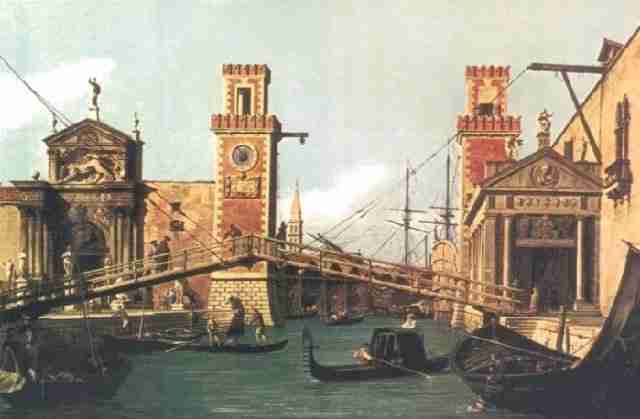
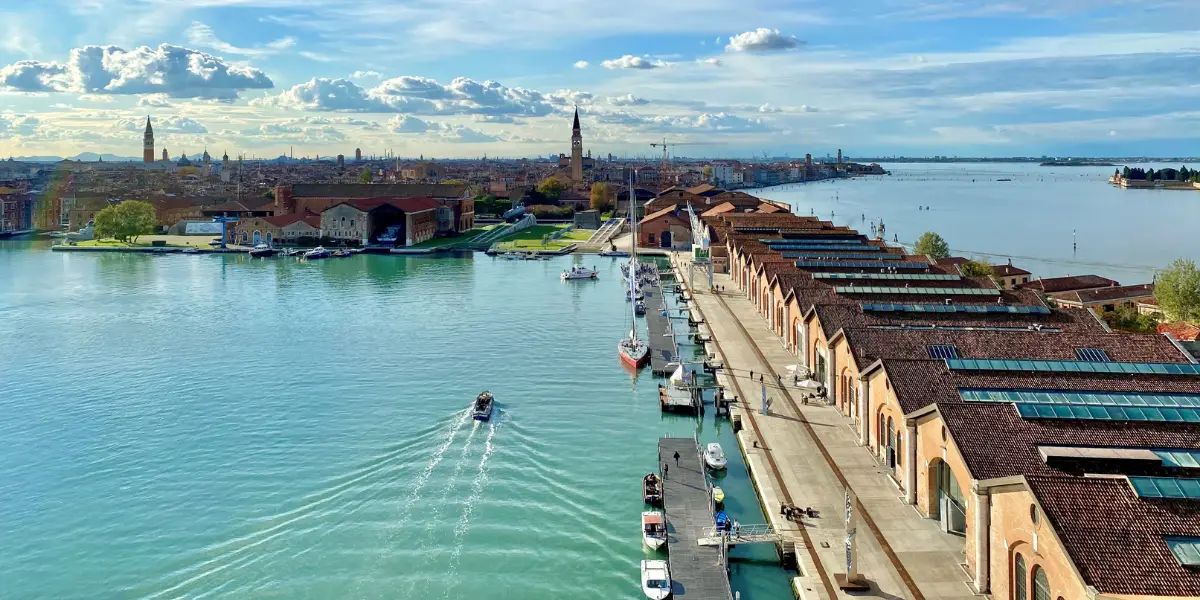
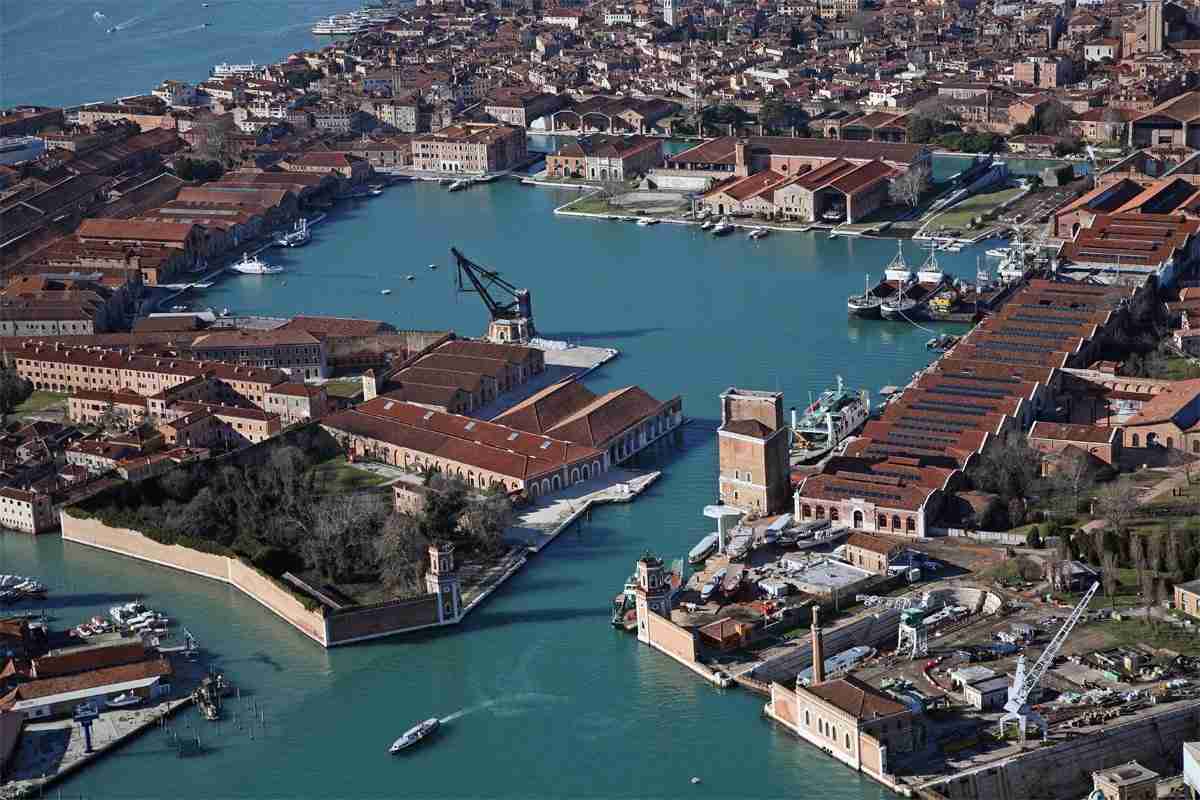
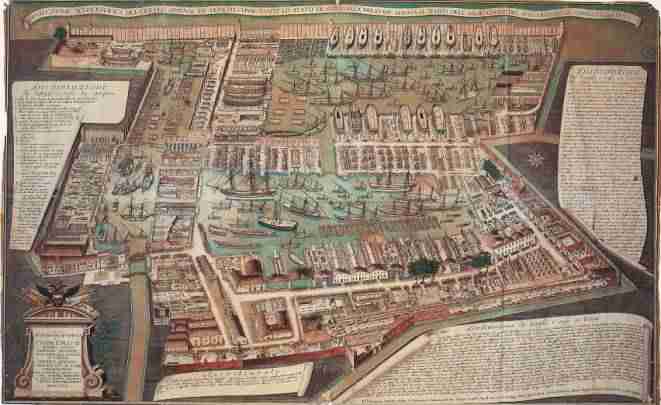
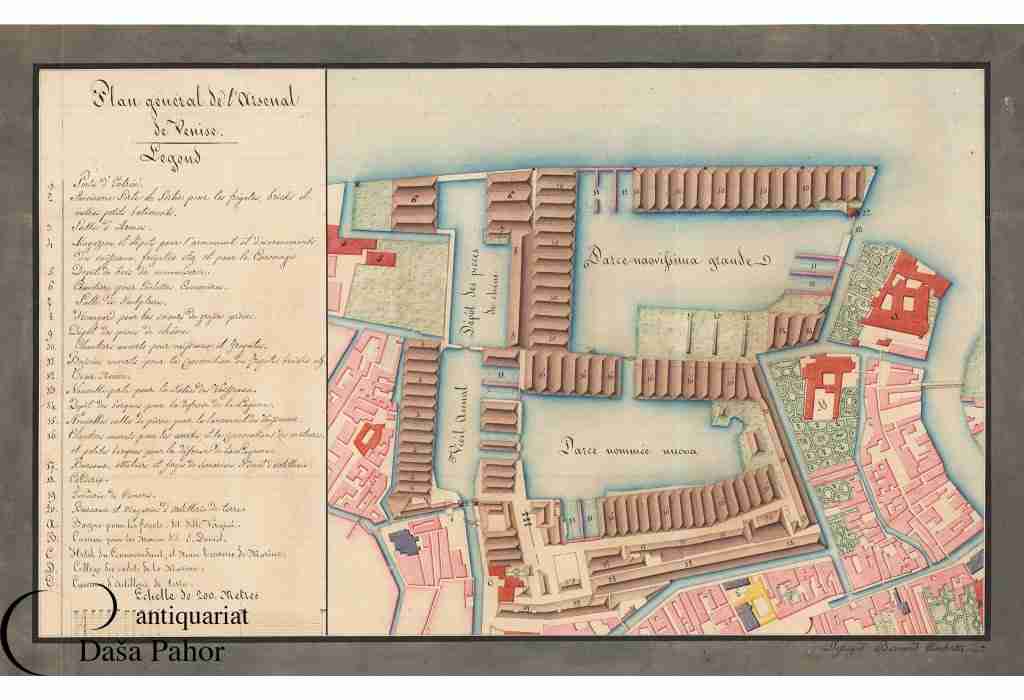
Arsenale is a huge space. The Arsenale was the largest production centre in Venice during the pre-industrial era and in full-time periods it had up to 2,000 workers a day.. Construction of the Arsenal began around 1104, during Venice’s republican era. It became the largest industrial complex in Europe before the Industrial Revolution, spanning an area of about 45 hectares (110 acres), or about fifteen percent of Venice. It was a huge complex of construction sites where the Serenissima fleets were built and, therefore, a symbol of the economic, political and military power of the city. Since 1980 the Arsenale has become an exhibition site of La Biennale on the occasion of the 1st International Architecture Exhibition. Later on, the same spaces were used during the Art Exhibitions for the Open section. Each huge hall leads into another, it is a bit like the exhibition space in Sydney called Carriageworks where the Sydney Art Shows are held. The huge rooms just kept opening up into new spaces, it seemed to be never-ending and each new exhibition space was as fascinating as the previous one. There was no way that we were going to be able to take everything in in the time we had, it was huge. I kicked myself over and over again for not attending this part of the Bienalle first. We stayed until the last minute and were the last people to leave at about 7.15 pm. The walk back to the station was huge, about 45 minutes but this was out last goodbye to Venice and we wanted to make the most of it. It has taken Georgie 40 years to get back here so chances are that we won’t be coming back soon.
Tuesday May 30, 2023 Padua
Steps Today – 12,145 – Calories 2,637/527
The things that I am seeing in Padua give me a warm feeling in my heart, a sense that I want what I am experiencing to continue but I know it won’t which sort of adds to the allure. It’s not that the Paduan people are outgoingly friendly, I know nothing of their social habits and if I was to put my self in their shoes I can fully understand what it must be like to have a tourist who cannot speak any English gesturing and speaking slowly in the hope that this will make it easier for me to understand what they are saying.
What I’m talking about though is seeing people living an almost ideal life in a beautiful city with perfect weather, powerful architecture and beautiful art. Riding bicycles, walking, eating in the streets, gathering in big social groups to talk about “god knows what”.
Yesterday morning we were walking to the station and a fat middle aged man road his pushbike down the street with a double bass strapped to his back, we missed the chance to take a photo although the image will stay with me forever. The prior night I watched him playing passionate music in a piazza with 2 other fat musicians, one playing an accordion and the other a clarinet. Then this morning we wandered down to the piazza outside the Palazzo Delia Ragione where there is an amazing morning market. We did some veggie shopping, a kilo of gorgeous cherry tomatoes, a huge bunch of asparagus, some zuchinnis, half a kilo of ripe strawberries, bought some parmesan cheese and drooled over the food, I must say here that it’s not a good idea to visit a traditional Italian street market with an empty stomach, you just want to buy everything but I didn’t succumb to my desires. We then sat down for a coffee opposite the market stalls when a man appeared right in front of us with 2 ferrets on a leashes just wandering down through the crowds like it was an everyday occurrence. Once again we didn’t pull out our phones to take photos, just seeing him with his ferrets was worth its weight in gold. We then went upstairs to take a look at the huge hall that is called the Palazzo delia Ragione. It is an architectural masterpiece that serves as a symbol of the city’s rich history and cultural heritage. The name “Palazzo della Ragione” translates to “Palace of Reason” in English.
Construction of the Palazzo della Ragione began in the early 13th century, and it was completed in the following century. The building was initially designed to serve as a public meeting place and as the seat of the city’s municipal government. It also functioned as a courthouse, where legal proceedings took place.
The Palazzo della Ragione is renowned for its massive size and impressive architecture. The exterior features a distinctive blend of architectural styles, including Romanesque, Gothic, and Byzantine influences. The most striking feature of the building is its massive roof, which is a timber structure covered with a double-arched ceiling like an upside down boat hull.
One of the highlights of the Palazzo della Ragione is its vast hall, known as the Salone. The Salone is an enormous space that stretches the entire length of the building, measuring approximately 81 meters (266 feet) long. It is one of the largest covered medieval halls in Europe. The hall’s huge walls are adorned with a remarkable cycle of frescoes known as the “Cycle of the Months,” painted by different artists between the 14th and 15th centuries. These frescoes depict allegorical figures representing the months of the year. Inside there is a huge wooden horse that stands proudly at one end of the Salone. There is also a Foucault Pendulum which swings gracefully from the ceiling its movement is mezmorizing and graceful. When I entered the Salone I was awe struck at the size and beauty. It was empty apart from the horse and the pendulum which somehow emphasised the amazing size of the hall and made the experience even more powerful.
That was the highlight of the day. We returned home at lunchtime to our apartment where I prepared a delicious lunch, we went for a stroll, had a look at antique bookshop, strolled past the basilica and around a few back streets and returned to the apartment. After a month of walking 20 plus kilometres every day my body is starting to beg for rest, I’ve never been one to have an afternoon nap but today I went to sleep at 5 p.m and slept until 8.30. I needed it. When I woke and rubbed the sleep out of my eyes we set off for a 9 p.m stroll around our neighbourhood, through the piazzas that had now transformed from morning markets to magical dining areas. Both Georgie and I agree that Padua might just be our favourite Italian city. It isn’t overrun with tourists, it is a university city so there are young people everywhere which adds to its charm and gives it a fresh ambience.
The day is over now as our trip will also be over in about 10 days. We have seen and done so many things, walked about 600 kms, my feet and legs are finally weary. We have immersed ourselves in the foundations of western civilization, walked the streets of Barcelona, Granada, Seville, Rome, Sorrento and the Alalfi Coast, Naples, Pompei, Florence, Siena and now Padua and Venice.
Monday May 29, 2023 Padua/Venice
Steps Today – 24,488 : Calories – 3,406/1,148
Our bloody Vodaphone SIM plan that we purchased 4 weeks ago in Barcelona ran out this morning. Unexpected! I should have realised that this would happen but I naively figured it would last for a month. So here we are in Padua on the way theVenice with no money, no debit cards and no Apple Pay. We have our train tickets so I have my fingers crossed that there is a vodaphone shop at the railway station in Venice. So far this SIM card which cost us 20 euros has been fabulous. So my advice to anyone coming to the EU countries is to go with a Vodaphone SIM. Fingers crossed or we will be busking in Venice to make some money, Georgie will have to start whistling Danny Boy or Volare, thank goodness I bought my hat today. We got our SIM cards sorted but I made a huge error of not doing research and topped them up with 10 euro plans which turned out to be a big mistake. We should have gone for the 15 euro plans.
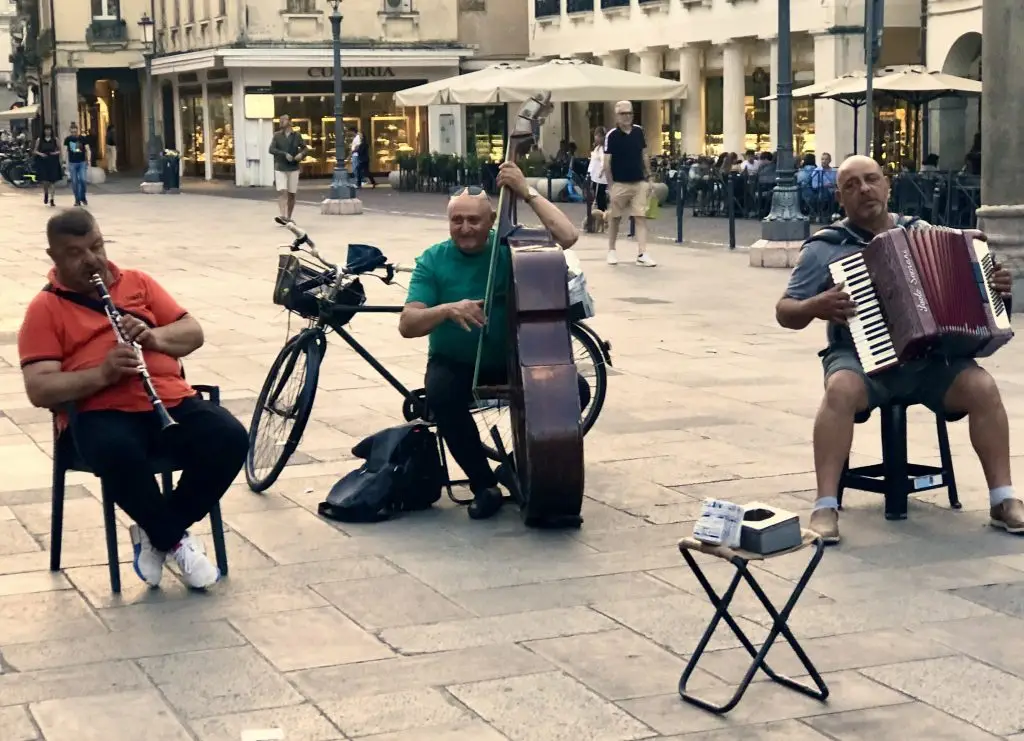
I’m absolutely in love with every aspect of Padua. The architecture, the spirit of the people, the lack of tourists, the prices, just the overall feeling is invigorating. As we walked to the railway station this morning Padua was coming to life, so many people riding bicycles, so few cars. The shop shutters were coming up as the sun had already done hours earlier. Unfortunately we are now on a train to Venice so a thorough excursion through Padua will have to wait for another day.
I’ve prepared our food and coffee for the day, yummy sandwiches on decent bread with loads of veggies, cheese, prosciutto and more. We ended up eating one half for lunch and the other half at the end of the day. I did a really good job, even if I say so myself, they were bloody delicious. I even got the coffee right today.
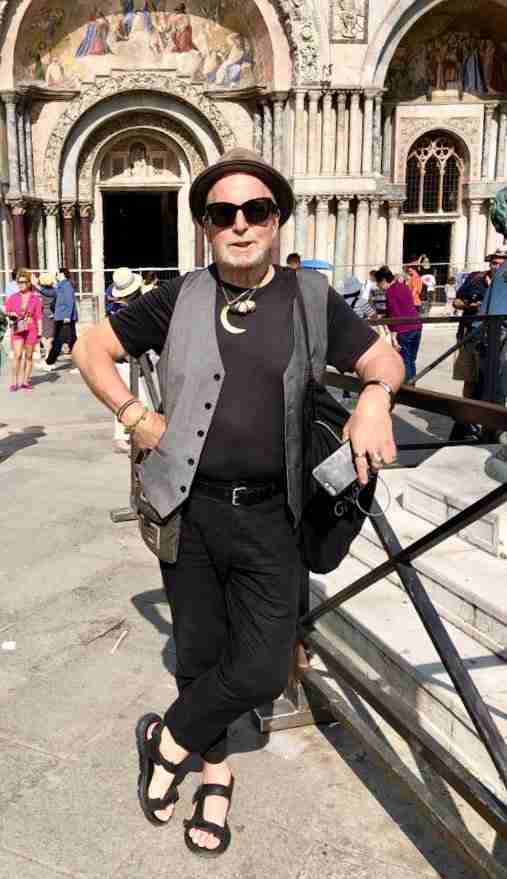
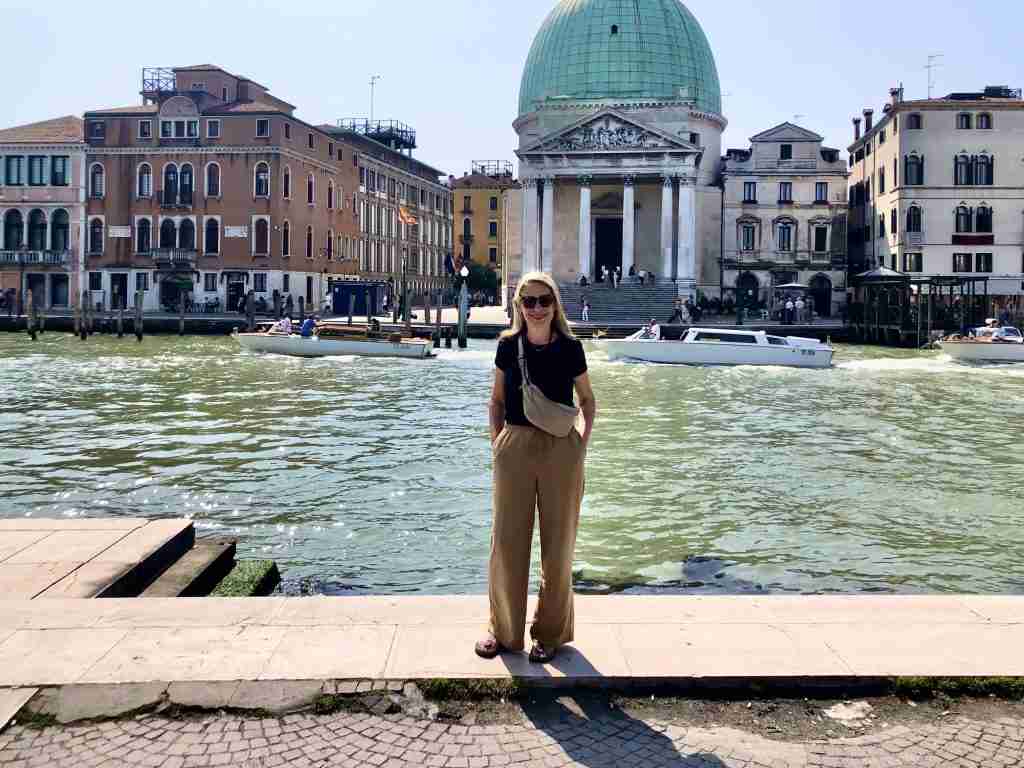
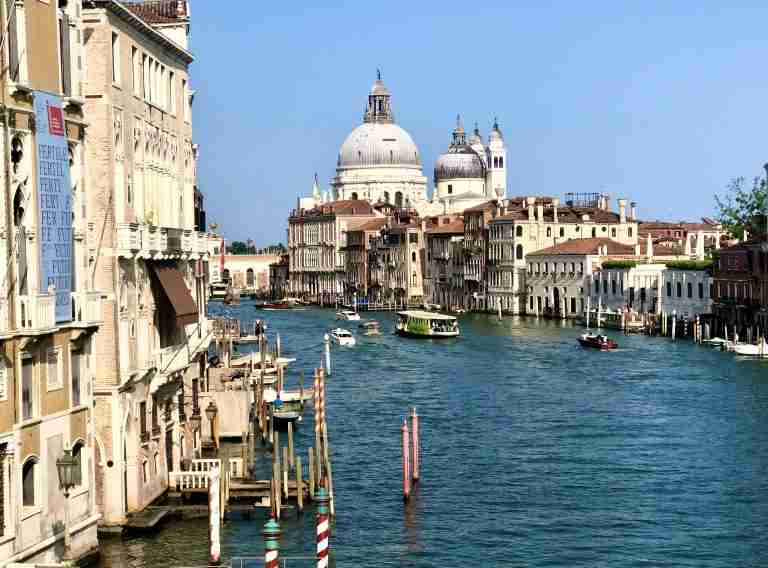
Venice grew on me as the day went by. We seemed to walk a lot further than my Oura ring has proclaimed, it is a maze of laneways, streets, bridges, squares, piazzas and narrow walkways running next to the canals. The Grand Canal snakes around in a completely random manner so it is incredibly easy to get lost, cross the wrong footbridge or take the wrong lane. It’s a funny city, at first I compared it to a clean version on Mumbai and Delhi with a bit of Bangkok thrown in thanks to the grand canal and the lagoon which has similarities to the Chao Praya River, but after a couple of hours I began to get a sense of it’s charm and uniqueness. I’d love to walk through the streets at 6 a.m in the morning when no one else is around. There are so many tourists roaming the streets and waving their phones around taking photos of the canals and selfies it’s hard to get a sense of what it might have been like in days gone by. We were guilty of this as well so I’m being a but of a hypocrite. Maybe I am just being a snob but it seems to me that most of the retail shops and art galleries are full of tourist junk although there is one section in the city where the big brands like Dolce and Gabbana have some very beautiful shops. We went into D&G and pretended we were potential customers, the sales staff were very, very professional and handled things perfectly and I have to admit some of the mens clothing was amazing.
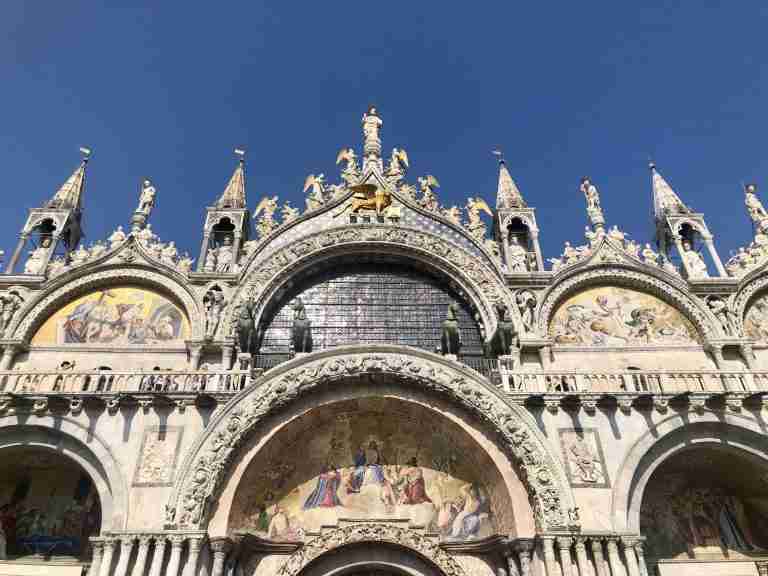
Here’s a bit of general information on Venice.
Venice, known as “La Serenissima” or “The Most Serene Republic,” is a captivating city located in northeastern Italy. Built on a cluster of 118 small islands, separated by canals and connected by bridges, Venice offers a one-of-a-kind experience that transports visitors into a world of timeless beauty and charm.
One of the most remarkable features of Venice is its intricate network of canals. The city is crisscrossed by 177 canals, totaling around 42 kilometers (26 miles) in length. These canals serve as the main transportation arteries, and instead of roads, you’ll find a multitude of waterways bustling with gondolas, vaporettos (water buses), and water taxis, creating a truly magical atmosphere.
Venice boasts an impressive array of bridges, both grand and quaint, which connect the islands. The most famous among them is the Rialto Bridge, an architectural masterpiece that spans the Grand Canal. Another notable bridge is the Bridge of Sighs, an elegant white limestone bridge known for its romantic allure and stunning views.
Venice’s history dates back over a thousand years, and its rich cultural heritage is reflected in its stunning architecture. The city is home to approximately 350 gondolas and over 400 palaces, showcasing various architectural styles, including Byzantine, Gothic, Renaissance, and Baroque. Strolling through the narrow alleyways, you’ll encounter hidden gems, magnificent churches, and opulent buildings that stand as a testament to Venice’s glorious past.
Each year, Venice hosts the renowned Carnival, a vibrant celebration that attracts visitors from around the globe. Dating back to the 12th century, this extravagant event takes place in the weeks leading up to Lent. During the Carnival, the city transforms into a mesmerizing spectacle of colourful costumes, elaborate masks, and lively processions. It’s an opportunity to immerse yourself in the city’s festive spirit and capture the essence of Venetian culture.
Venice faces a unique challenge due to its geographic location. The city experiences periodic flooding known as “acqua alta,” caused by a combination of high tides and strong winds. To combat this phenomenon, an ambitious engineering project called MOSE (Modulo Sperimentale Elettromeccanico) has been implemented. MOSE consists of a system of movable barriers that can be raised to protect the city from exceptionally high tides.
Sunday May 28, 2023 Florence/Padua
Steps Today – 16,878 : Calories – 2,984/779
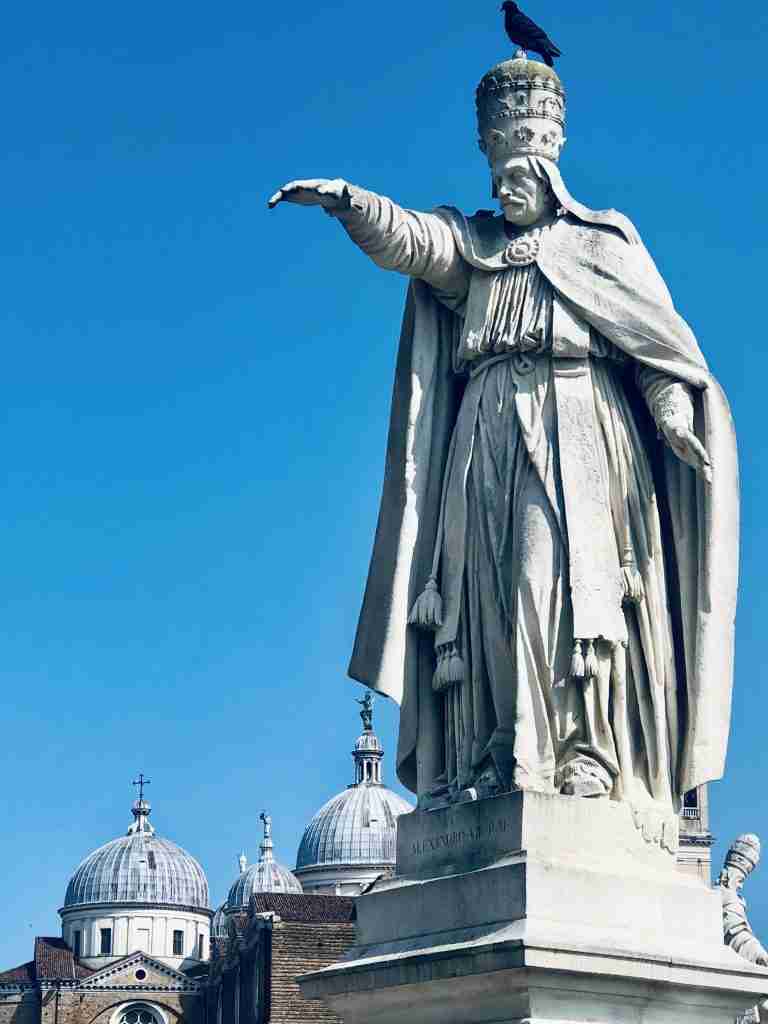
Georgie just said “You come this way but once.” This was in response to me realizing that we had less than 2 weeks left on our 6 week journey through Spain and Italy. We are on a train journey from Florence to Padua which is our roundabout way of having a few days in Venice. Georgie did heaps of research and realized that Padua would be the perfect base for day trips to Venice and other spots as well as being cheaper overall with better accommodation than we could have found in Venice itself. Having an apartment with a kitchen has become a life saver. I prepare most, if not all of our food which works perfectly well for us and saves a fortune.
We’ve just had a weak, watery black coffee at the Florence Railway Station, I snuck my huge bag of food in as well and we had a morning snack that we pretended that we bought in the cafe. While on the subject of coffee I need to say a few things. Going back to the start of the journey when we arrived in Barcelona we were spoilt. Not only was almost every cup of coffee perfect, it was also very reasonably priced. Nearly every coffee cost 1.6 euros (about $3 Aust), the most expensive was 2 euros (about $3.80). The Australian dollar is horribly matched against the euro in May 2023, around 55% in value. I was most pleasantly surprised by the Barcelona coffee and the price was pretty good, even cheaper than Australia. No need to take out our thermos just yet. The price of coffee went up a bit higher in Granada and Seville but the increase was tiny and the coffee was still fantastic.
When we hit Rome it was a different story. The base price was 3 euros, which is $5 Aust but the quality and size of the coffee varied at every cafe we went to. Sometimes it was weak and watery, in others it was a tiny cup and half decent. The thing is that when we reached Italy drinking coffee became more an excuse to use the restaurant toilet and to have a break than to enjoy the coffee. Cafe Americano has many different definitions and they were almost all hit and miss. On our arrival at the Amalfi Coast and Sorrento the base price had gone up to about 4 euros, once again quality was all over the place but the pièce de résistance was Florence where anything went, from 3 euros for a watery brew at the railway station to 7 euros for a coffee that would be scoffed at in Australia in a piazza next to a famous monument. 7 euros is $11.50!! We paid $30 Aust for 2 mediocre coffees and a small bottle of water but I suppose the chairs were comfortable and the view was pleasant. To summarize I am now a big fan of Melbourne’s coffee culture and can see how fabulous it must seem to a tourist who is visiting.
Having said that we’ve consumed several small cups of “home made” coffee on the fast train to Venice this morning. My coffee would pass the taste test.
While on the subject of trains I must say that I am very impressed with Italy’s public transport especially the trains. We caught a normal train from Rome to Naples and the rickety old train from Naples to Sorrento. This journey took a while but it was very well priced. The option was a fast train from Rome but we saved a fortune and got to see lots of country side. The trick seems to be to buy the tickets in advance, online for intercity or in a tabac for local, Georgie worked this out pretty quickly and all of our trips in Italy have been quite seamless. We caught the fast train from Naples to Florence and now we are once again on the fast train from Florence to Padua which cost 94 euros for the 2 of us but only takes 2 short hours. We caught the bus from our apartment to the station in Florence. Apart from the fact that we have too much luggage the experience was smooth as silk. It’s such a pity that we don’t have a fast train going up the east coast of Australia or even a train that goes out to the airport in Melbourne. After watching a few YouTube posts about trains in Italy I was certain that it was going to be a nightmare running the gauntlet through rows of gypsies and skilled pickpockets and negotiating unusable ticket machines but that hasn’t been the case, didn’t even come close.
Padua/Padova
We arrived in Padua a few hours ago. Time has flown since we’ve arrived at 1.30. It already seems like yesterday that we walked out of the railway station in search of tram tickets which we found very easily. Apart from our excess luggage we got on and off the tram easily and without incident. The first impression was a slight disappointment. The tram went through a rather dull area that looked a bit like Spencer St in Melbourne. Something else I noticed was that there were a lot more African people here than in any other city we have visited so far, a close second is Barcelona. We had a short walk to the apartment which as usual was like opening a Chris Cringle gift, not knowing what to expect. The front entry looked a bit daunting but by the time we got upstairs and into the apartment I was beyond happy. It is wonderful. Once again Georgie has pulled off a miracle and found the perfect accomodation in what appears to be a perfect area of Padua.
We went off on our walk, there is an artist’s studio downstairs with some pretty decent work and across the road there is a shop selling African jewellery, hats and paraphernalia. After walking for a few minutes we crossed a very sweet bridge and Georgie spied a very exotic restaurant down next to a small creek, it was green, exotic, plants, flowers and shrubs everywhere. We found the hidden door and went in, it was too late for lunch but we got some drinks and decided that we should go back for dinner one night. What a great start. On the way out we met a couple and started talking to them about flies in Melbourne, a good conversation starter. Their names were Stewart and Barbara, they live in Padua but he is from London and she is from Salerno. We had one of those brief, intense conversations that you have with charismatic people and said our goodbyes. We then walked down the street, bought a gelato and walked past a huge cathedral into a park where there was another huge cathedral and a whole lot of statues, people everywhere enjoying the pure blue sky and a bright and happy Sunday afternoon. We stocked up on supplies at a supermarket and sauntered back to the apartment where I unpacked while Georgie had a rest.
I love it when the apartment is thoughtfully put together with a great kitchen and the perfect cooking utensils. This one is called Casa Reves on Via San Francesco. The furniture is wonderful, the bed is great, the artwork is simple but highly effective, it is super clean and uncluttered. The table is the perfect size to use as a work desk as well as to eat at. Overall I couldn’t be happier, I’ve learned a lot about short term rental over the past 4 weeks. The most significant being that I gauge how much I like the owner by the love and care they put into the accomodation and the comfort of the guests. Our budget has been in the $200-$300 per night range which seems to be at the bottom end. None of our apartments have been in the historic centres of any of the cities apart from Granada which is so small that everywhere is the centre. What this means is that we aren’t in the thick of the tourist areas which is perfect as well as giving us a sense of “belonging”.
I’ve cooked our dinner and we’ve eaten it, I’m so full that we need to go out for as decent walk. It is 7.30 p.m in Padua.
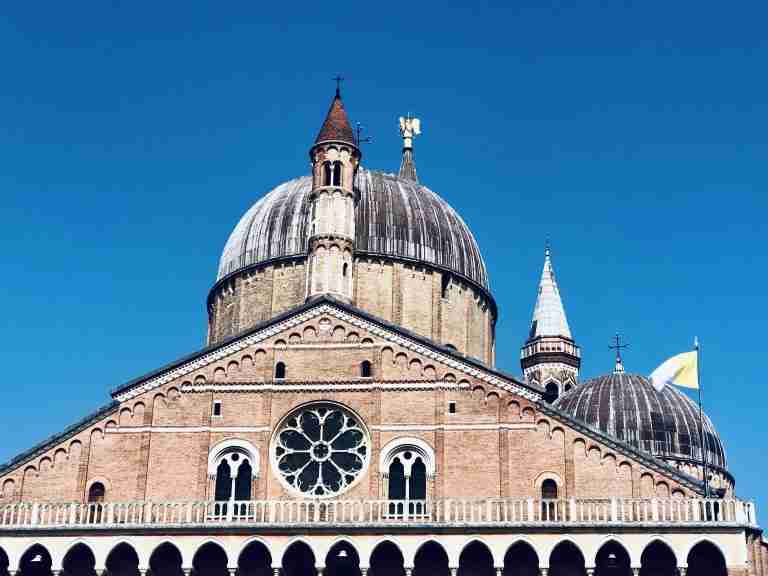
I’ve done some research on this beautiful city which may be my favourite yet. For me it’s the Goldilocks city that I have been searching for.
Padua, or Padova in Italian, is a remarkable city located in the Veneto region of northeastern Italy. It’s no wonder I find it to be one of my favourite cities, as it boasts a rich history, a vibrant art scene, and magnificent architecture that captures the essence of Italy’s cultural heritage.
Let’s start with the history of Padua. It is one of the oldest cities in Italy, with a history dating back over 3,000 years. It was originally settled by the ancient Veneti people and later became a Roman colony in the 2nd century BC. During the medieval period, Padua flourished as a centre of learning and intellectual pursuit, attracting renowned scholars and thinkers.
One of the city’s notable features is its connection with art and music. Padua has been an influential hub for artistic expression for centuries. The city’s Scuola del Santo, or School of St. Anthony, houses the renowned frescoes by the great Italian painter, Giotto di Bondone. These frescoes depict scenes from the life of St. Anthony and are considered some of the most important works of Western art.
Padua also played a significant role in the development of music. It was the birthplace of the famous composer, Claudio Monteverdi, who is considered a pioneer in the transition from Renaissance to Baroque music. The city continues to foster a thriving music scene, hosting concerts, festivals, and opera performances throughout the year. While we were on a stroll tonight there were fabulous buskers everywhere with music filling the air, an old trio of fat jazz musicians playing classics, individual accordionists even a old female country and western singer.
Moving on to architecture, Padua showcases a splendid array of architectural styles that reflect its historical evolution. The city’s most iconic landmark is the Basilica of Saint Anthony, a magnificent Romanesque-Gothic church dedicated to the patron saint of Padua. Its grandeur is adorned with stunning sculptures, intricate frescoes, and a beautiful Byzantine-style domed interior. We walked past it today, I tended to like its exterior even more than lots of bigger and grander basilicas in other Italian cities.
The city’s piazzas, or squares, are a testament to its architectural charm and social vitality. The Piazza delle Erbe, with its vibrant market, offers a lively atmosphere and a chance to immerse yourself in the local culture. We strolled through this evening with our eyes popping out of our heads.The Prato della Valle, one of the largest city squares in Europe, is known for its elliptical shape, manicured gardens, and statues of historical figures. It’s a perfect place to relax and soak in the beauty of Padua. We visited early today after we arrived. People strolled, a loud concert was booming in the background and there was even a fun park for kids.
In addition to its historical and architectural wonders, Padua is also home to one of the oldest universities in the world, the University of Padua. Founded in 1222, it has attracted brilliant minds from across the globe, making it a centre of intellectual and scientific advancement.
Overall, Padua is a city that seamlessly weaves together history, art, music, and breathtaking architecture. Its streets are filled with a palpable sense of culture and heritage, providing an enchanting experience for visitors like yourself. Enjoy exploring the city’s hidden gems and discovering the wonders that make Padua so special.
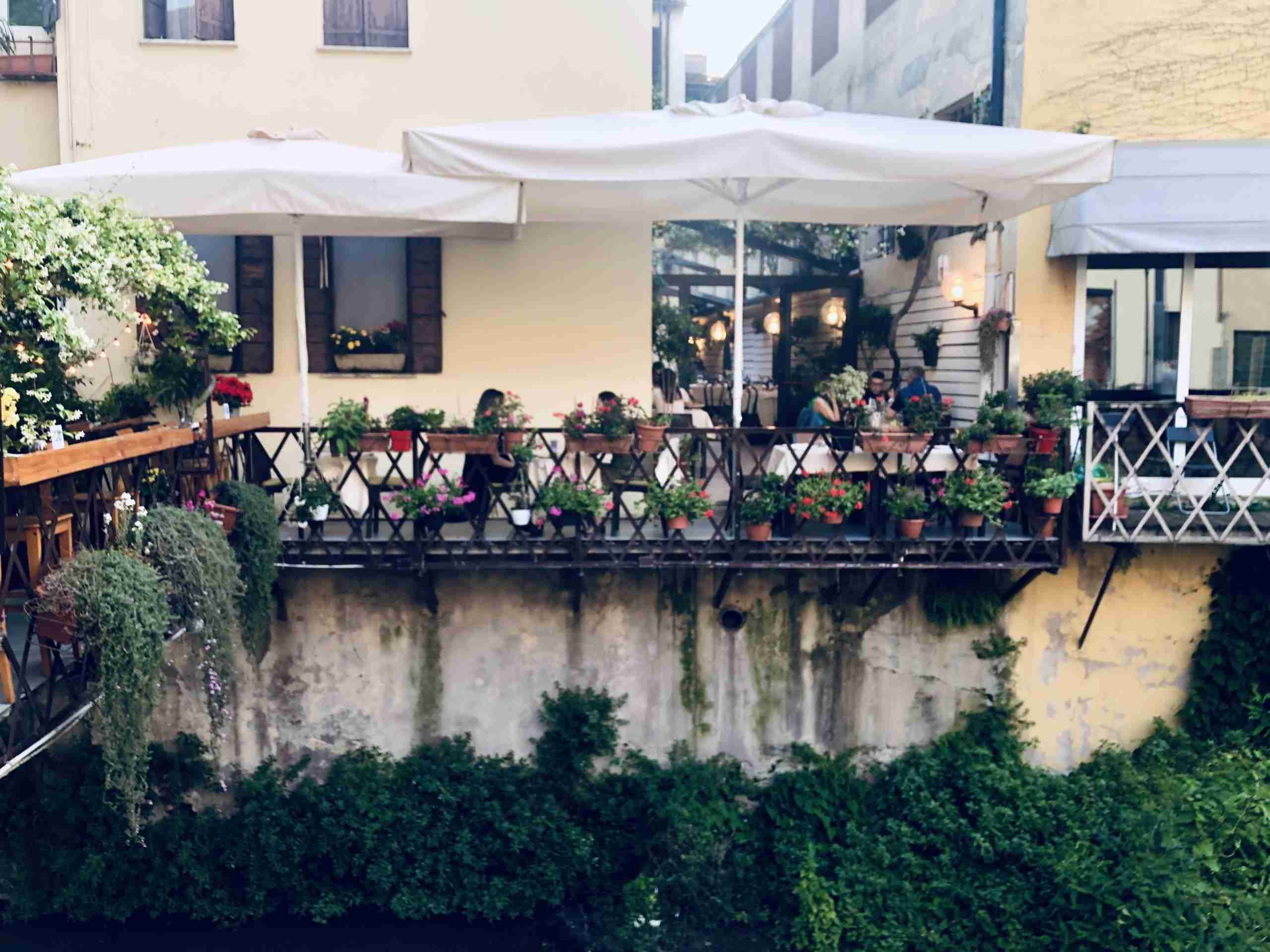
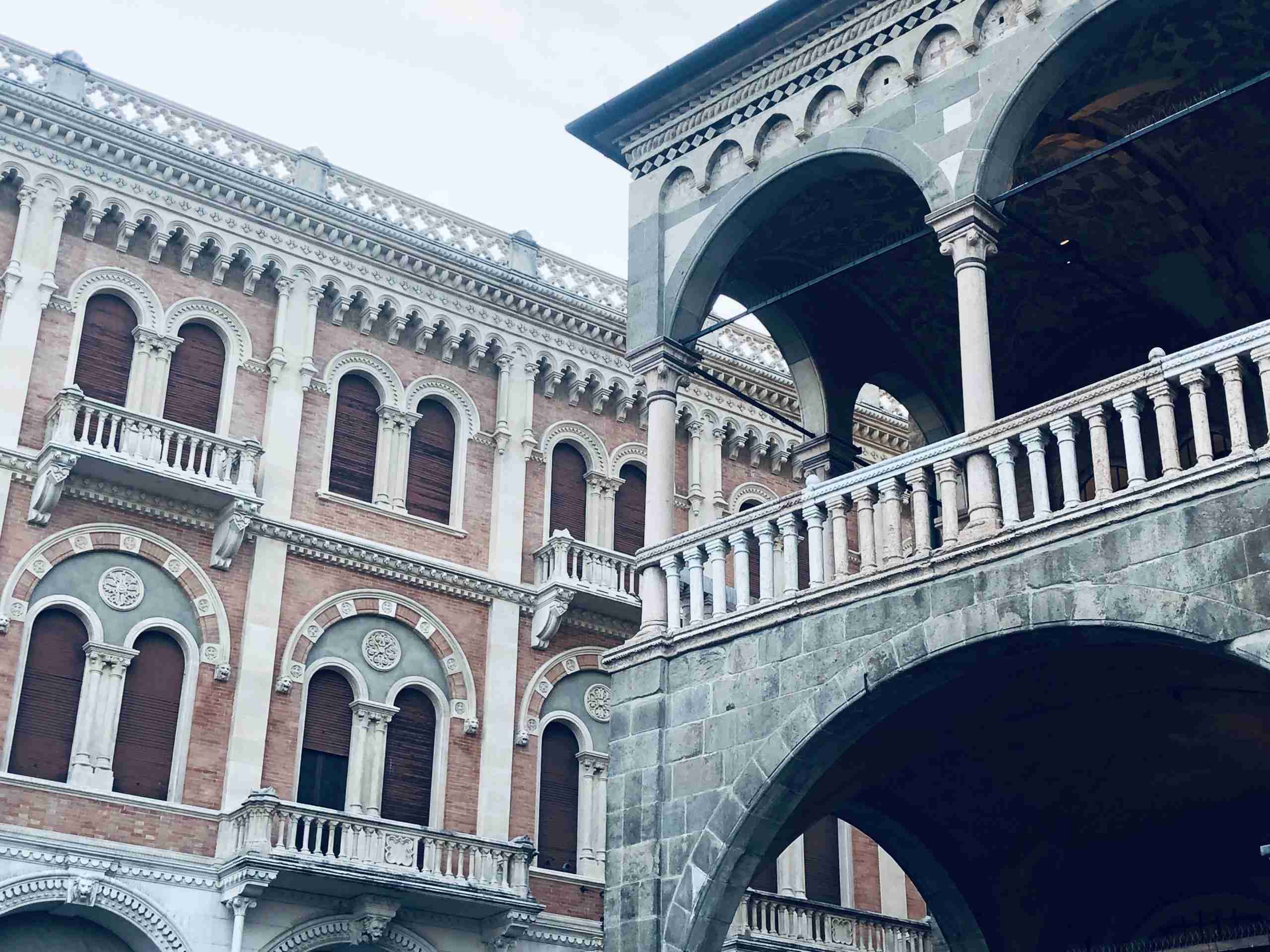
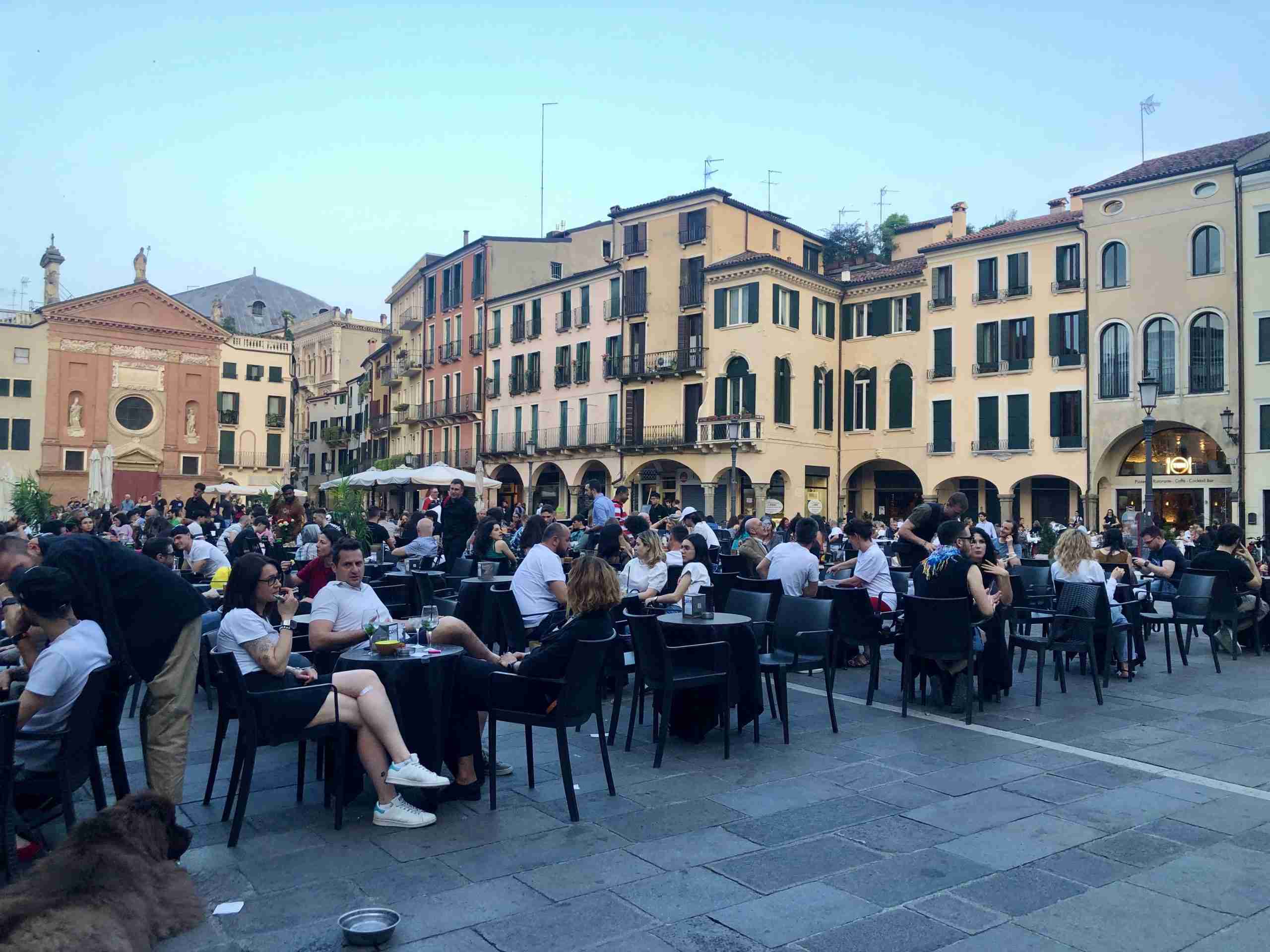
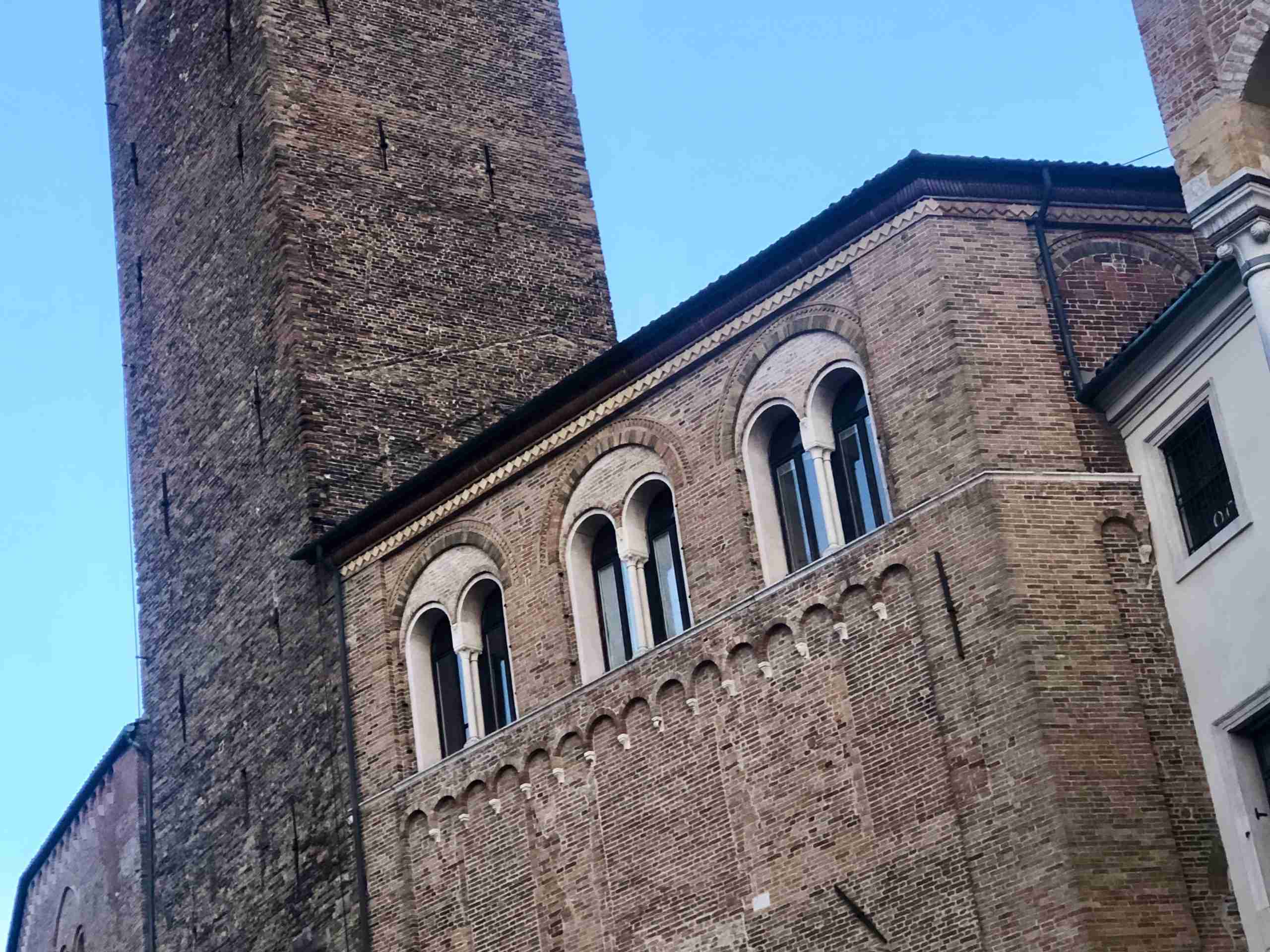
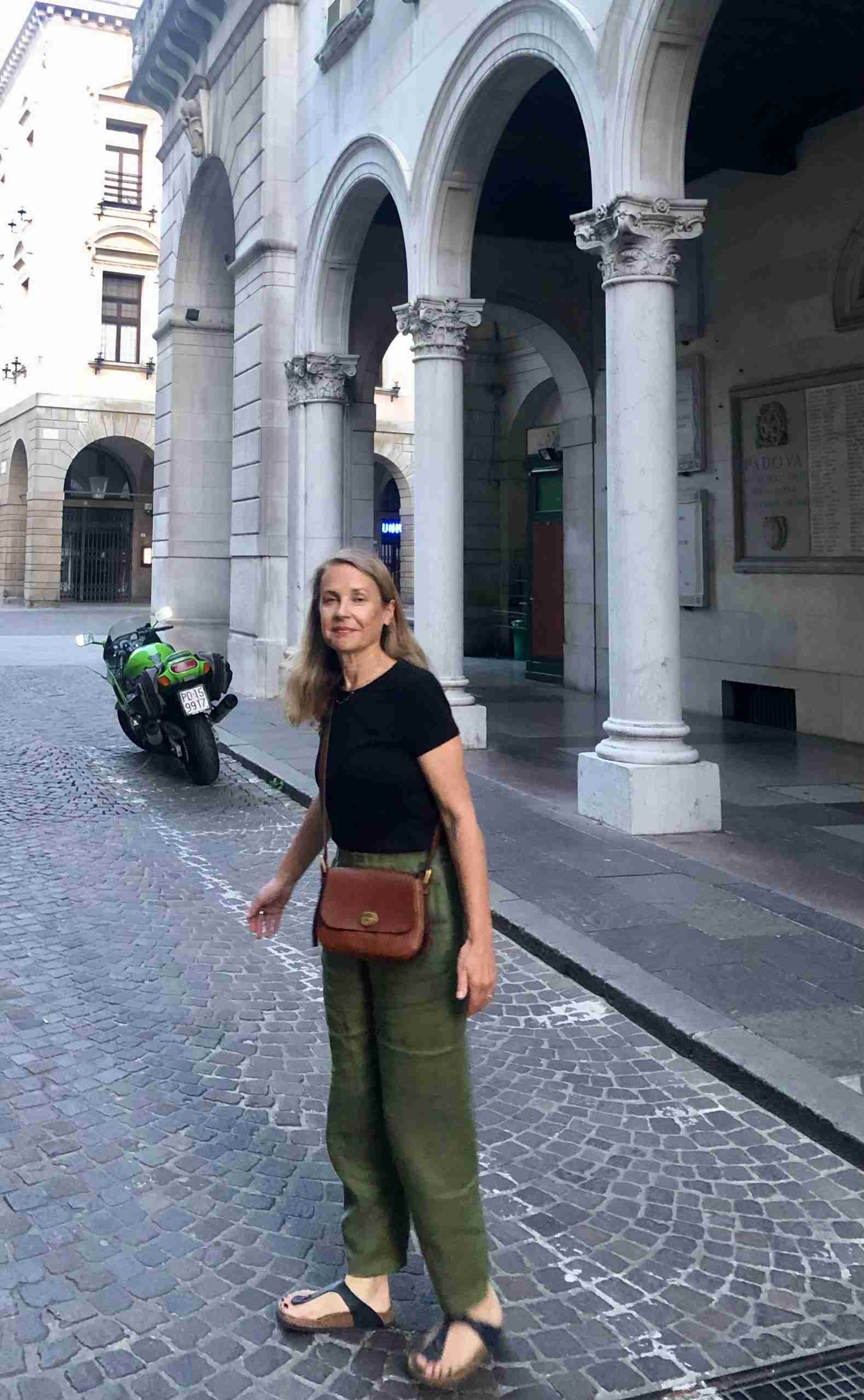
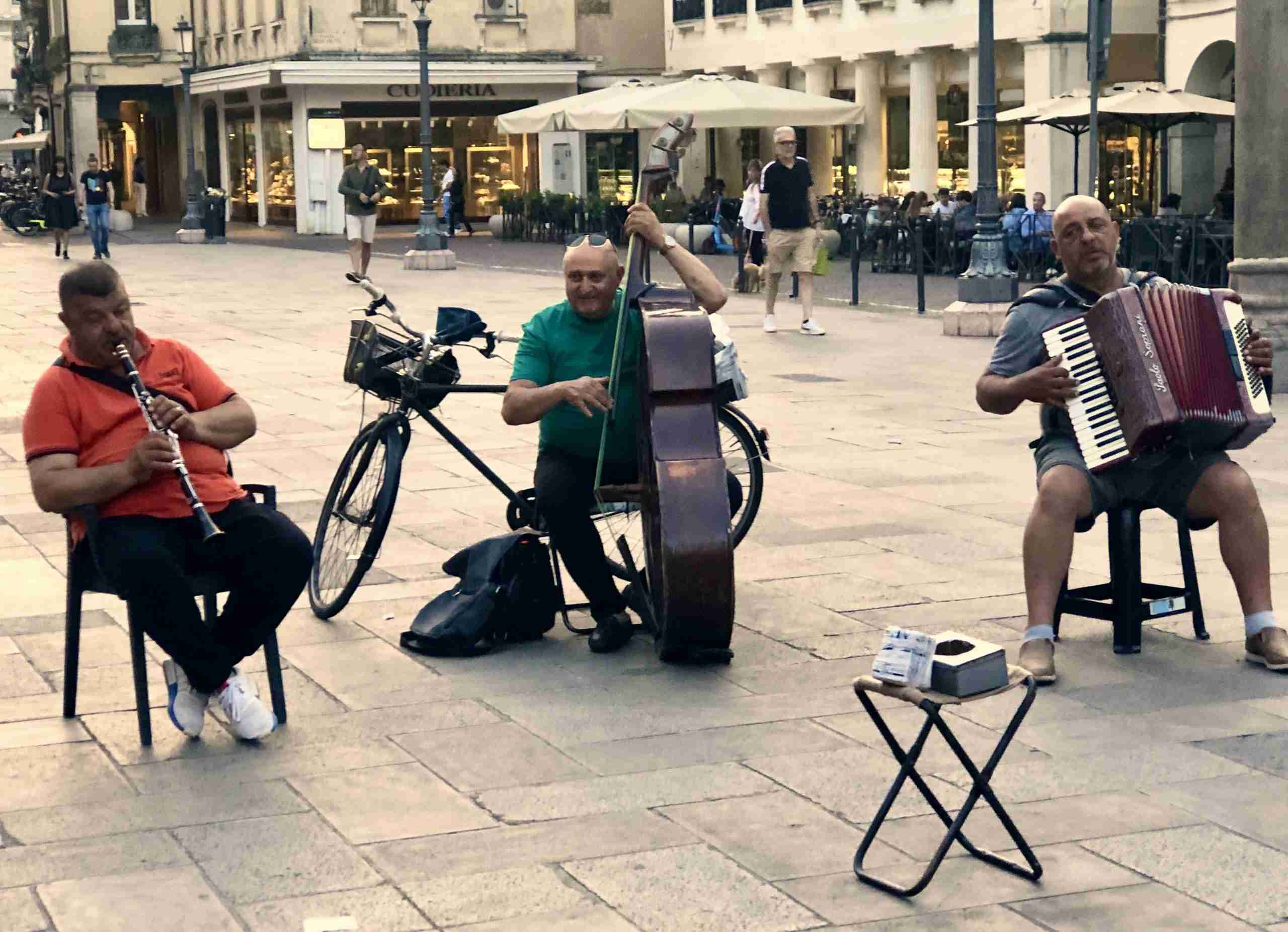
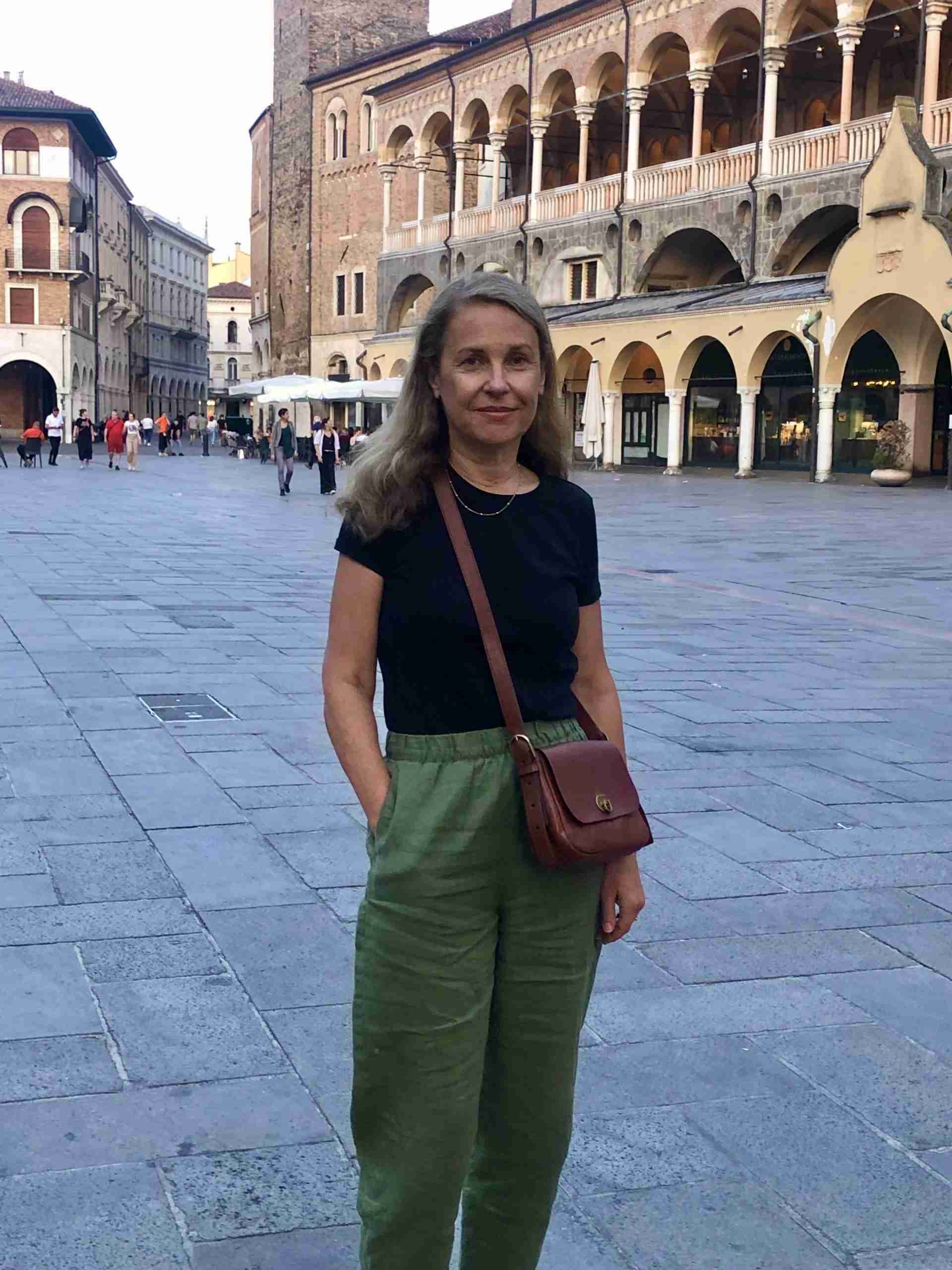
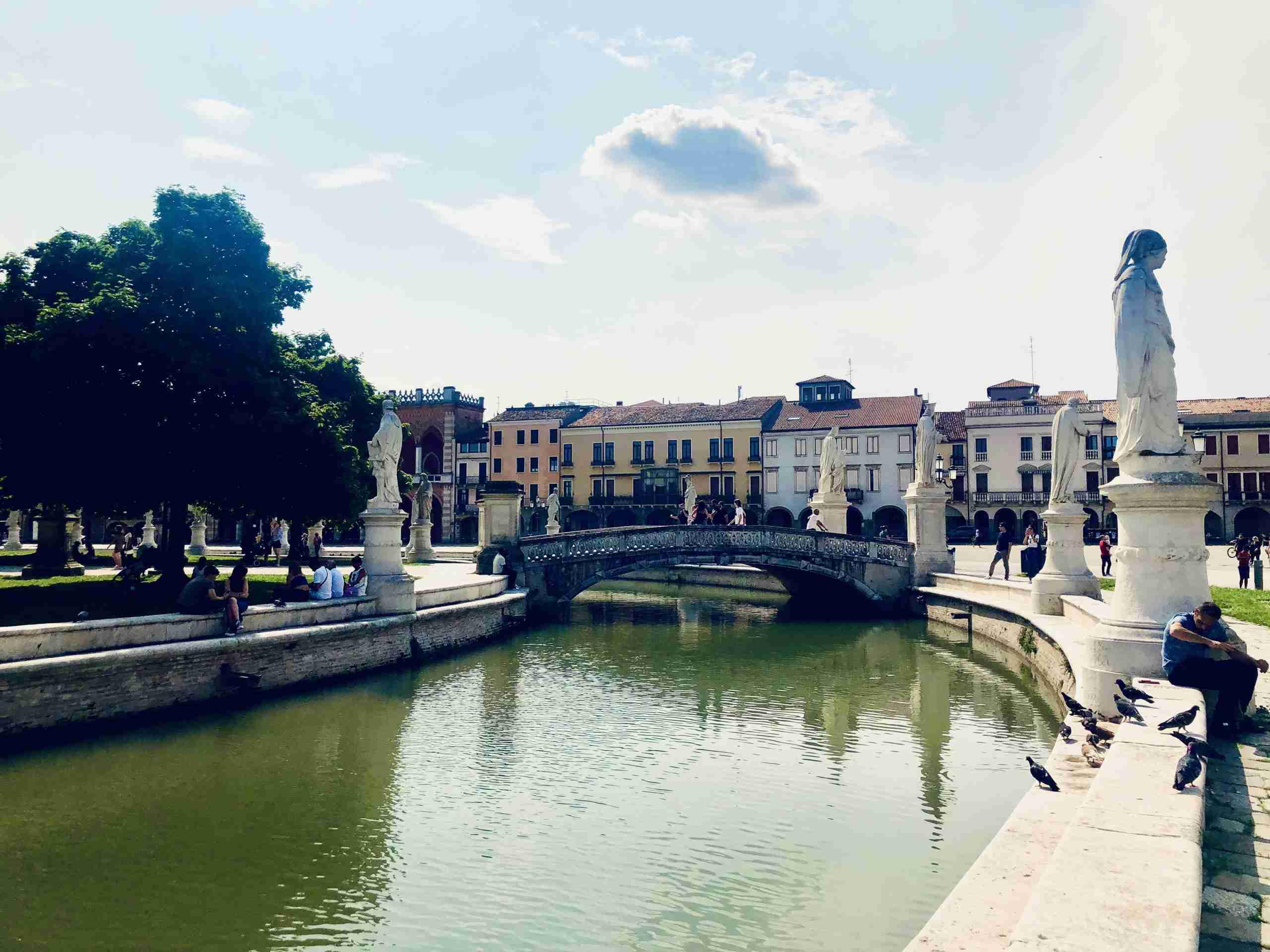
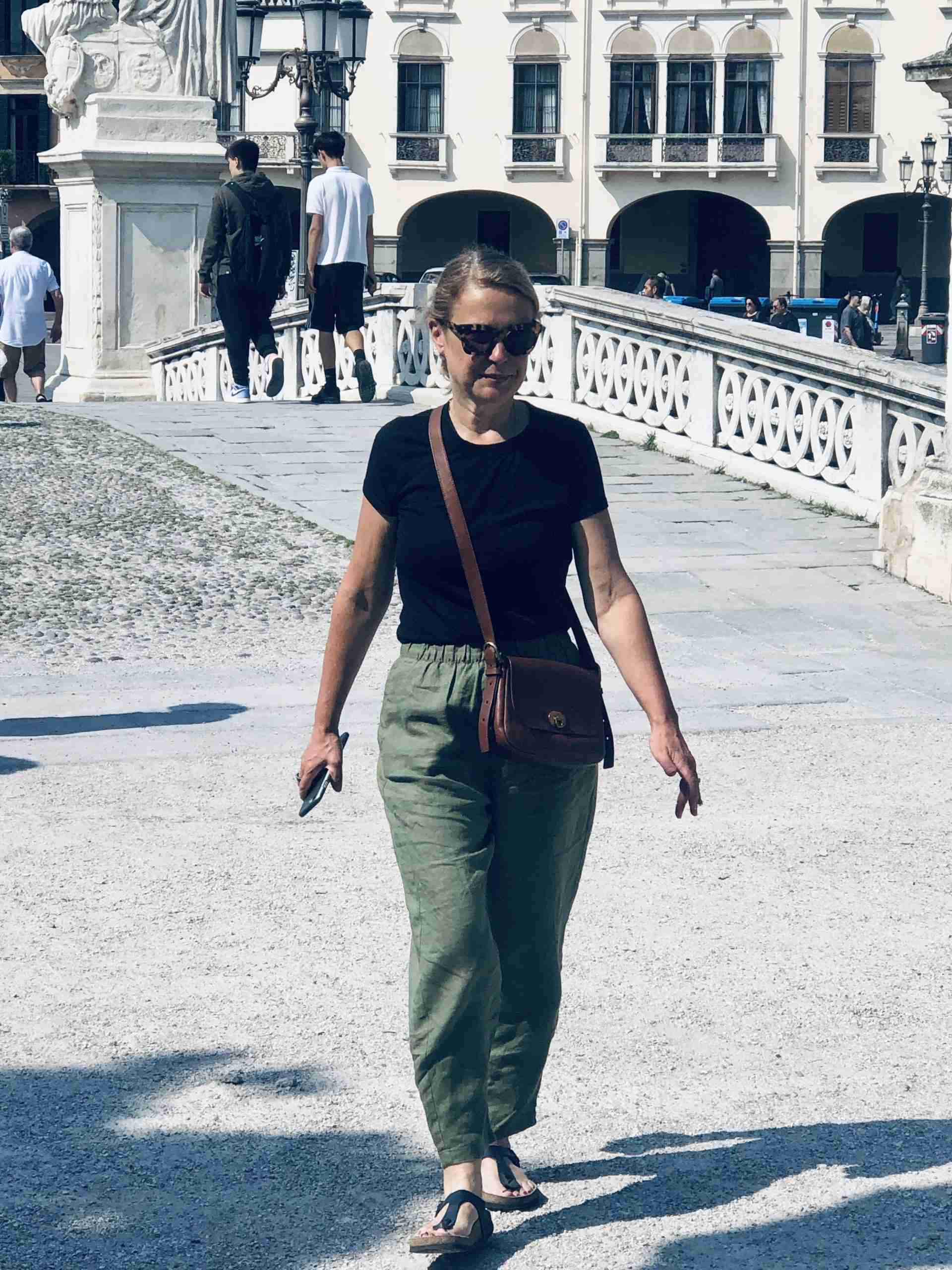
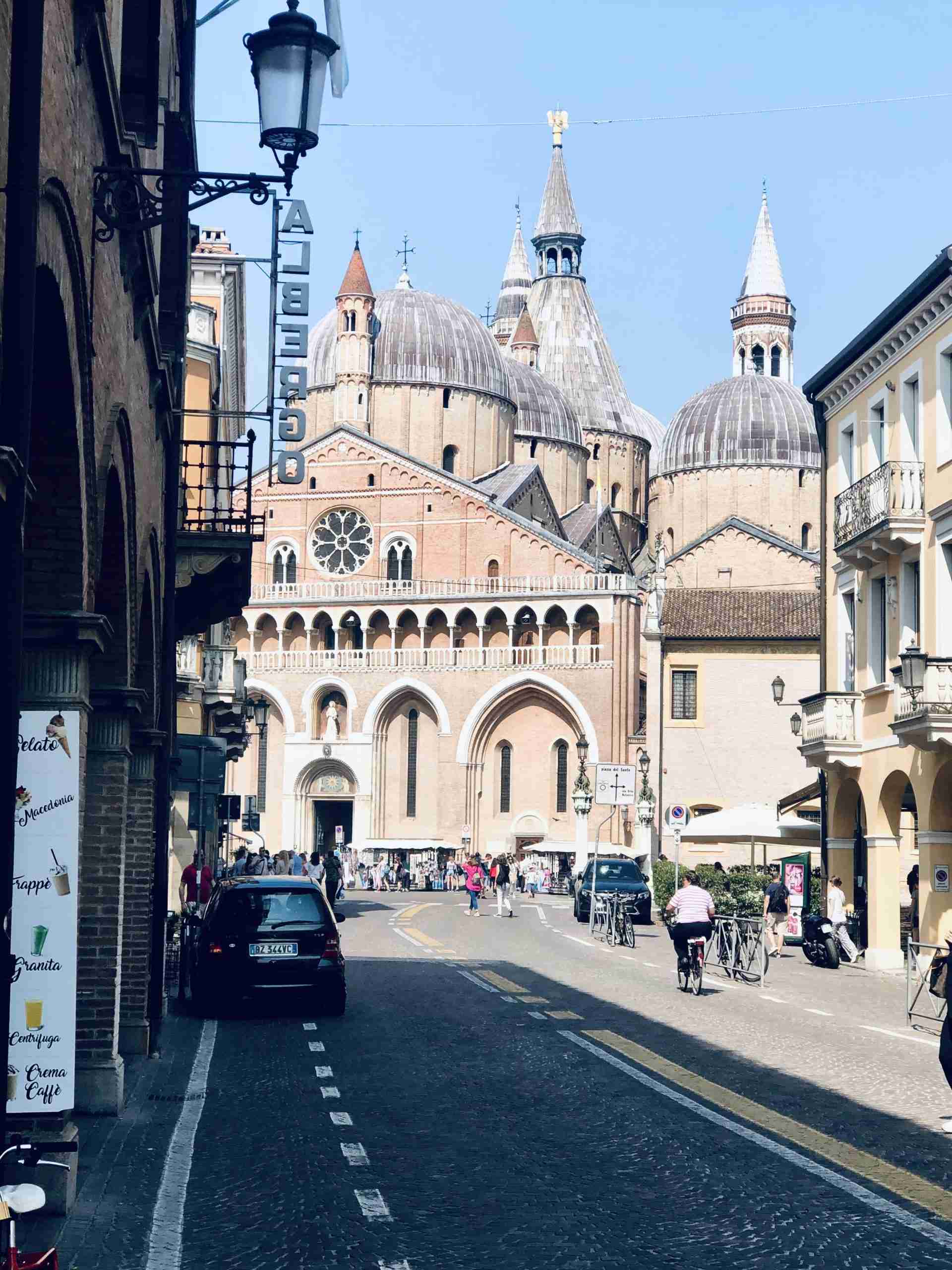
Saturday May 27, 2023 Florence
Steps Today – 24,881 : Calories – 3,466/1,288
Today is our last full day in Florence. Looks like we are sticking around in the city today and forsaking our partially planned trip to San Gimignano.
Even though I am looking forward to the next 2 plus weeks in Europe I’m not getting anxious about our trip coming to an end like I am when I’m in Bali. Having said that I’ve enjoyed every step we have taken in Europe as well as being awed by what we have experienced. The main aspect of our European experience for me has been a connection with the past 2 thousand years, which while being a small drop in time compared to Planet Earth’s existence is also pretty damn significant in terms of my perception of time. I have felt a certain empathy and also a respect for those who came before me but these are also mixed with a pinch of disdain. I have been gob smacked by the architectural and artistic achievements of my forebears. My eyes have been opened to the significance of religion and it’s role in the development of the human species. It is a powerful tool that can be used to dish out hope, generate money, help create glorious works of art and architecture yet still strike fear into the hearts of all stratas of society, especially the lower levels. Just goes to show that misinformation has always with us and those who spread it are usually the ones in power. There are always elites who have agendas and who are eternally striving for greater power and control over the masses. What better tool to use than “knowledge”. We have been strolling through the cities and towns that have set the foundation for what we know as “western civilization”. It appears to me that the Europeans always falsely viewed their brand of social structure as far superior to that of other parts of the world and I was indoctrinated as a young boy to believe this to be true.
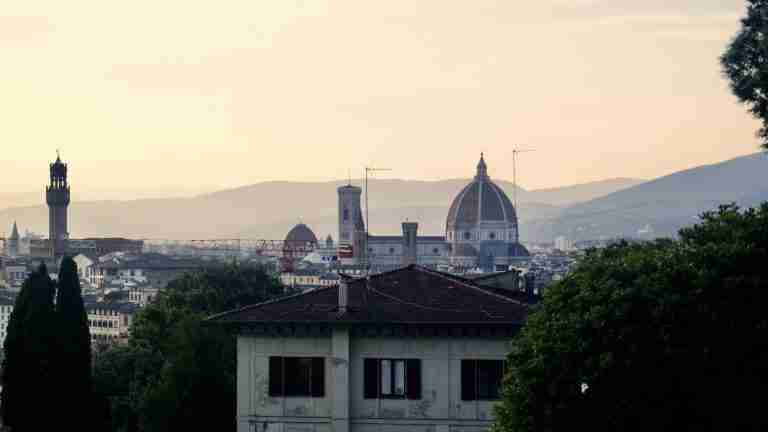
It is now just after 1 p.m, we are back at the apartment to eat our lunch, a strange pie that I created because I purchased what I thought was some fresh pasta but it turned out to be pastry. We will eat that with salad and then have blueberries, strawberries and mascopone. This morning we started off with a walk into Florence where we had a horribly expensive coffee overlooking a piazza, 2 coffees and a small water cost 18 euros, approx $35 Australian dollars! We then visited the amazing Steve McCurry photographic exhibition at Museo deli Innocenti which is called “Children”, selected intense photographs of children that he has taken all over the world over the past 40 plus years in Afghanistan, South America, Europe, India, literally everywhere. Steven McCurry, is a renowned American photojournalist, has dedicated his career to capturing captivating moments around the world. Among his most captivating subjects are children, whom he skillfully portrays in a way that evokes both wonder and introspection. Through his lens, McCurry immortalizes the innocence, resilience, and universal humanity found in the faces of children from diverse cultures and backgrounds.
McCurry’s children photographs provide a glimpse into the lives of youngsters from various corners of the globe. From the vibrant streets of India to the serene landscapes of Africa, his lens unveils the dreams, struggles, and aspirations of these young souls. By focusing on children, McCurry manages to transcend cultural and language barriers, reminding us of our shared humanity. One of the remarkable aspects of McCurry’s children photographs is his ability to capture a wide range of emotions. Whether it is joy, curiosity, apprehension, or even sadness, his subjects’ feelings are brought to life through their expressive eyes and genuine smiles and also intense faces showing sadness, dismay, loneliness. McCurry’s talent lies in capturing these emotional moments, making them relatable to viewers regardless of their cultural backgrounds.
This exhibition was such a relief after looking at so many artworks and buildings from the Renaissance and earlier.
Friday May 26, 2023 Florence/Siena
Georgie and I are visiting Siena today. We are travelling by bus this morning. The trip takes about 1 hour and 15 minutes from Florence. I’ve done a bit of research. Siena was originally settled by the Etruscans, an ancient civilization that thrived in central Italy before the rise of the Roman Empire. The Etruscans established a flourishing city known as “Senia” or “Sena.” In the 1st century BC, Sienna came under Roman control and was renamed “Sena Julia.” The Romans developed the city, constructing roads and buildings, and it became an important urban center. Siena experienced a period of great prosperity during the Middle Ages. It became a self-governed city-state and emerged as a powerful rival to Florence, another influential city in Tuscany. The city thrived economically through trade and banking, and its famous Gothic-style buildings, such as the Palazzo Pubblico and the Duomo, were constructed during this time. One of the most famous events associated with Siena is the Palio di Siena, a horse race held twice a year in the city’s central square, Piazza del Campo, we will miss this. The tradition of the Palio dates back to the Middle Ages and continues to be a significant cultural event, attracting both locals and tourists. Sienna’s political power reached its peak in the 13th and 14th centuries when it was ruled by the Nine Governors, the leaders of the Siennese Republic. However, internal conflicts and external pressures led to a decline in Sienna’s influence. In the mid-16th century, Sienna was conquered by its rival, Florence, led by the powerful Medici family. This marked the end of Siena’s independence, and the city became a part of the Grand Duchy of Tuscany under the Medici rule. I saw a painting yesterday at the Uffizi by Uccello “The Battle of San Romano” depicting the battle that was won by Florence. Despite losing its political autonomy, Sienna continued to be an important centre for art and culture during the Renaissance. The city produced notable artists like Duccio, Simone Martini, and Ambrogio Lorenzetti. It maintained its distinct identity and preserved its medieval character.
Neither of us has ever been to Siena, I’m ready for a new adventure.
Surprisingly, I feel rested and recuperated this morning. I ate a fair bit of crap yesterday so we’ll see if I can be a bit more disciplined today. It’s interesting how quickly you can transition back into eating carbs, especially processed rubbish that is always too sweet and doesn’t really have any nutrition. It makes life so easy, I even have to admit that my taste buds like it but my body is in revolt. Yesterday I suffered from brain fog for the first time in ages, probably a combination of too much glucose as well as exhaustion. By all accounts today will be a perfect spring day.
Our trip is beyond the halfway mark now. We still have about 16 days to do. We’ve really made the most of our opportunities, as I say over and over, walking in each of the cities and towns we visit gives us the opportunity to experience so much more than if we were using public transport. Being on foot also gives us an opportunity to remain flexible to avoid the hordes of tourists. We ran into an American couple yesterday, this only reaffirmed my goal to try to interact with local people as much as possible and to stay away from other travellers.
Allissa is on her way to America once again, she has probably already touched down in San Francisco which is another 9 hours behind us.
Thursday May 25, 2023 Florence
Steps Today – 19,146 : Calories – 3,039/865
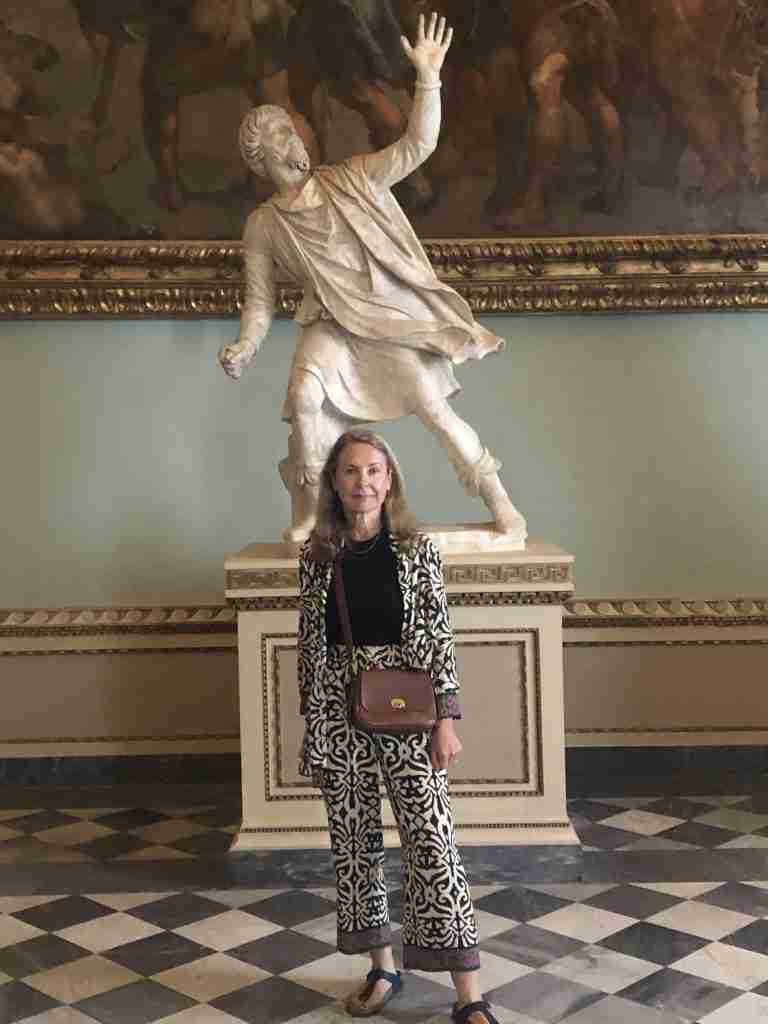
We are staying in Via Fra Bartolommeo which is around a 20 minute walk straight down to the Duomo, the huge Cathedral built by the Medicis.
The beauty of our location is that while it is in walking distance of the historic centre of Florence it is pretty much a local Italian neighbourhood devoid of tourists. I would hate to be staying in a fancy hotel in the middle of Florence with no kitchen or space, paying a fortune and having to eat at restaurants created with the purpose of feeding tourists. I went shopping at our local supermarket again late this afternoon and came home with supplementary supplies to bolster what I already had to make an amazingly tasty salad for dinner plus strawberries with mascopone, the fact that I’m not even trying to do keto at the moment makes food preparation super easy. I have been making big salad rolls full of delicious ingredients for lunch each day.
After dinner we set off for our evening walk back into the centre of Florence.
I hit a wall yesterday. My feet are really painful and by the middle of the day I felt genuinely weary. In the past 3 days we have done over 80,000 steps up steep steps in Amalfi and around the hills surrounding Florence. I’m pretty certain that in the past 25 days I have consistently walked further than I have ever walked before in my entire life. The fact that I’m up for it is great, the fact that I’m can keep going is phenomenal but I’m not taking any rest days which means that my body is struggling to properly recover. This probably won’t stop me from walking 20-30,000 steps each day for the rest of our trip which goes for about 18 more days. On a positive note, we are seeing so much more than we would be if we were taking transport. I’m happy about this and would recommend that anyone coming to Europe walks, walks and walks some more.
Our program for today was an early visit to the Uffizi Gallery starting at 8.30 a.m. The Uffizi Gallery was originally built in the 16th century as offices (uffizi) for the Florentine magistrates by the renowned architect Giorgio Vasari. It was later transformed into a gallery by the ruling Medici family to showcase their art collection. The Uffizi Gallery is situated in the historic center of Florence, along the banks of the Arno River. It is adjacent to the Piazza della Signoria, which houses the Palazzo Vecchio, Florence’s town hall. The Uffizi Gallery is home to an extensive collection of artworks, primarily from the Italian Renaissance period. It features masterpieces by renowned artists such as Leonardo da Vinci, Michelangelo, Raphael, Botticelli, Caravaggio, Titian, and many others. Some of the notable works include “The Birth of Venus” and “Primavera” by Botticelli, “Annunciation” by Leonardo da Vinci, and “The Holy Family” by Michelangelo. The museum is organized chronologically, allowing visitors to explore the development of art from the 13th to the 18th century. The gallery spans multiple floors, and its rooms are arranged in a U-shaped layout surrounding a central courtyard known as the Cortile degli Uffizi. In addition to the aforementioned masterpieces, the Uffizi Gallery houses several other notable artworks. These include “Venus of Urbino” by Titian, “Doni Tondo” by Michelangelo, “Madonna of the Goldfinch” by Raphael, and “Bacchus” by Caravaggio. One unique feature of the Uffizi Gallery that Georgie pointed out today is the Vasari Corridor, a secret passageway that connects the gallery with the Pitti Palace on the other side of the Arno River. The corridor was built by Vasari for the Medici family to travel safely between the two buildings. It now displays a collection of self-portraits by various artists.
When you enter you walk up several flights of stairs to the top floor. The art starts with Giotto and his contemporaries. The first thing that struck me was that almost every painting was based on the artists take on Christianity, the birth of Christ and the Crucifixion. This theme continues throughout the collection and to be frank becomes a bit overbearing in the cognitive dissonance of its portrayal of Jesus as some sort of kingly child being nursed by his mighty virgin mother dressed in finery befitting a noble woman and then his crucifixion where well dressed Italians tend him and express their grief and dismay. How far from the bible’s actual portrayal of the birth and crucifixion is this? No wonder the Catholic Church has created such a myth and given Christianity and the church such power up until the present time, although its powerful influence is finally waning.
One of the positive things about being in Europe is that I have become interested in finding out more about the actual New Testament books of Matthew, Mark, Luke and John which were written between 40 and 80 years after Jesus died. The people who wrote the books are unknown and probably didn’t know each other. What they wrote was only their interpretation of the events that they would have heard about that had been passed down the decades since they actually happened. It would be a bit like starting a religion based on Martin Luther King’s sermons if they weren’t already recorded and written down and passed down by word of mouth. I’ve found a bible educator named Bart D. Ehrman who I have started listening to on YouTube to get a greater understanding of the beginnings of Christianity and put things into some sort of perspective. He approaches the bible in a really intelligent manner. I hate to admit it but it’s not been something that I have put a lot of learning effort into apart from a period where I read a book by Barbara Thiering called “Jesus, The Man”.
The other thing that I realized today looking at some of the earlier paintings was the influence they would have had on the Pre-Raphaelite artists from the late 19th century. I have always loved the paintings of the Pre-Raphaelites. I imagined John Waterhouse and Edward Burne Jones potentially visiting Florence and becoming excited looking at these same paintings. The art in the Uffizi Gallery, including the works of Botticelli, Fra Angelico, and Piero della Francesca, among others, had a profound influence on the Pre-Raphaelite painters. While there is no definitive evidence of the entire Pre-Raphaelite Brotherhood visiting the Uffizi Gallery together, individual members likely visited the gallery and drew inspiration from the masterpieces displayed there. Dante Gabriel Rossetti, was one of the founding members of the Pre-Raphaelite Brotherhood, he visited Florence in 1849 and spent time studying and drawing from the works of Renaissance artists, including those in the Uffizi Gallery.
We had a break for a coffee half way through our visit in the coffee shop on the roof. It cost $10 for a half filled cup of black coffee!! We needed the break, that’s the only way I could have possibly justified this. We continued to wander around Florence after leaving the Gallery and eventually made our way back to our apartment where we both collapsed. After we recovered we wandered around our local neighbourhood for about an hour, did some shopping, I made dinner and now it’s time to hit the sack to get some sleep before our trip to Sienna tomorrow.
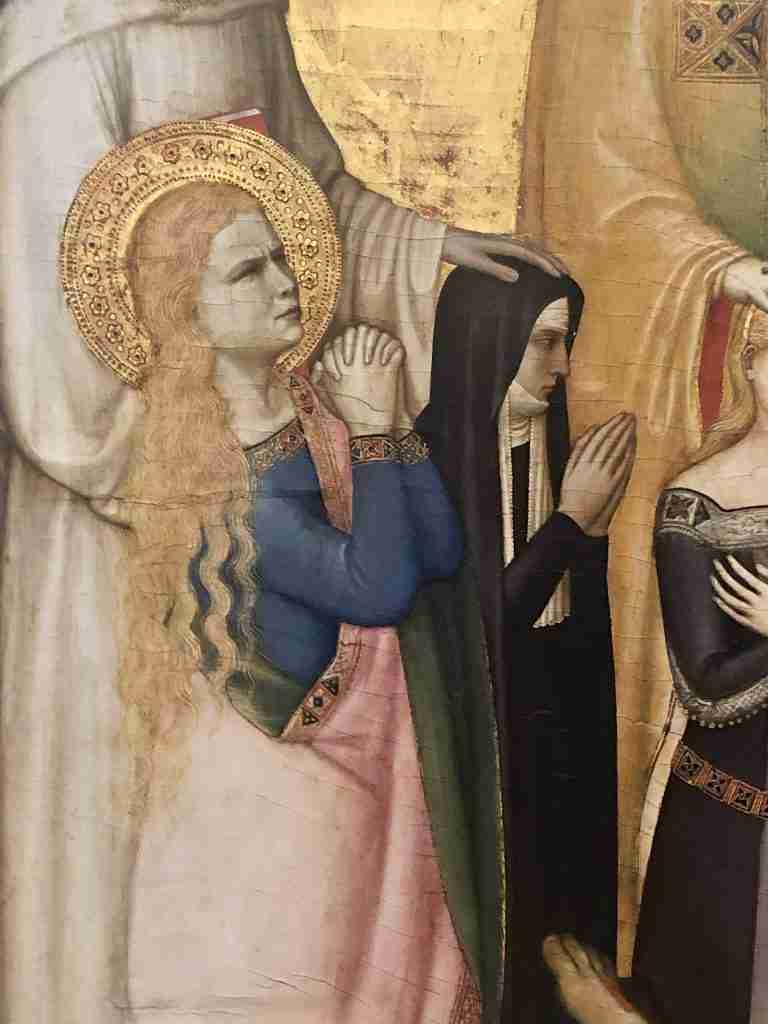
Wednesday May 24, 2023 Florence
Steps Today – 26,008 : Calories – 3,616/1,443
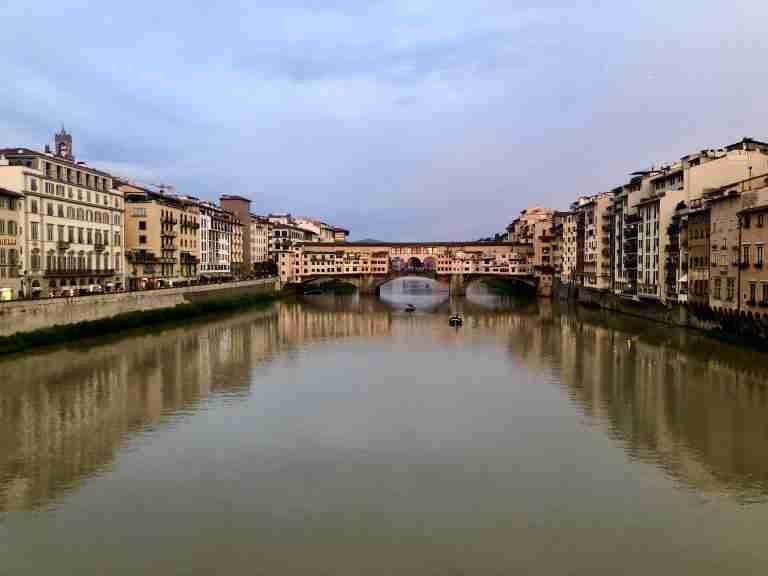
Yesterday was a travel day but we still ended up walking over 24,000 steps. Florence is such a beautiful city. Even though I was exhausted we went for what was meant to be an evening stroll but it became a marathon. We walked all the way across town, past the Duomo, over the river, up the hill to the very crowded lookout where literally thousands had the same idea. I am in awe of the beauty that exists in this city. As usual I haven’t been able to concentrate on any one aspect of it, it’s like being at an amazing concert where you want the next song to start, so far its been like speed reading an amazing novel but over the next 2 days I hope to really get to know Florence before we branch out into our day trips to Sienna and other places that Georgie has planned for us.
We have 5 nights and 4 days set aside for this part of Italy. Let’s hope that we get to take as much in as is humanly possible. Those Medici’s really did have something going for them.
We arrived at Firenze Railway Station at 4.15 p.m after a surprisingly fast trip from Naples. I knew that I was going to love Florence as soon as I stepped off the train, even the Railway Station had a charm.
When you arrive in a new city you don’t have any bearings. Georgie had been here back in the 80s but that didn’t help with what to do next when we walked out onto the road outside the station. We decided to give the tram a go so I purchased 2 x 1.5 euro tickets and we hopped on the No. 11 tram, modern and several carriages long, not too overcrowded. We had our suitcases, backpacks and me being me, I had a bag of food that was becoming so big that I could almost set up my own sandwich shop on the roadside. This made things quite awkward. After being on the tram for 5 minutes we panicked and got off. Georgie had an idea of the general direction so we decided to walk. We pushed our bags along the footpaths, bike tracks and roads like 2 mechanical donkeys. I had my back pack and food bag counterbalanced on my suitcase. The footpaths are cobbled so I decided to walk along the road dodging the Florentine drivers who didn’t really seem to care. Half way to the apartment we stopped for a coffee for me and a glass of wine for Georgie. We stayed light hearted and eventually found the front door to the apartment, after some Houdini like activities we got in.
This is the best apartment we’ve had so far. Large, clean and full of everything we could possibly need, great location and an owner who cares about her guests which is obvious by the design factors, crockery, furniture, artwork. We even have a dishwasher and a fabulous supermarket 100 metres away. I’m very happy.

Tuesday May 23, 2023 Sorrento/Florence
Steps Today – 24,291 : Calories – 3,284/1,072
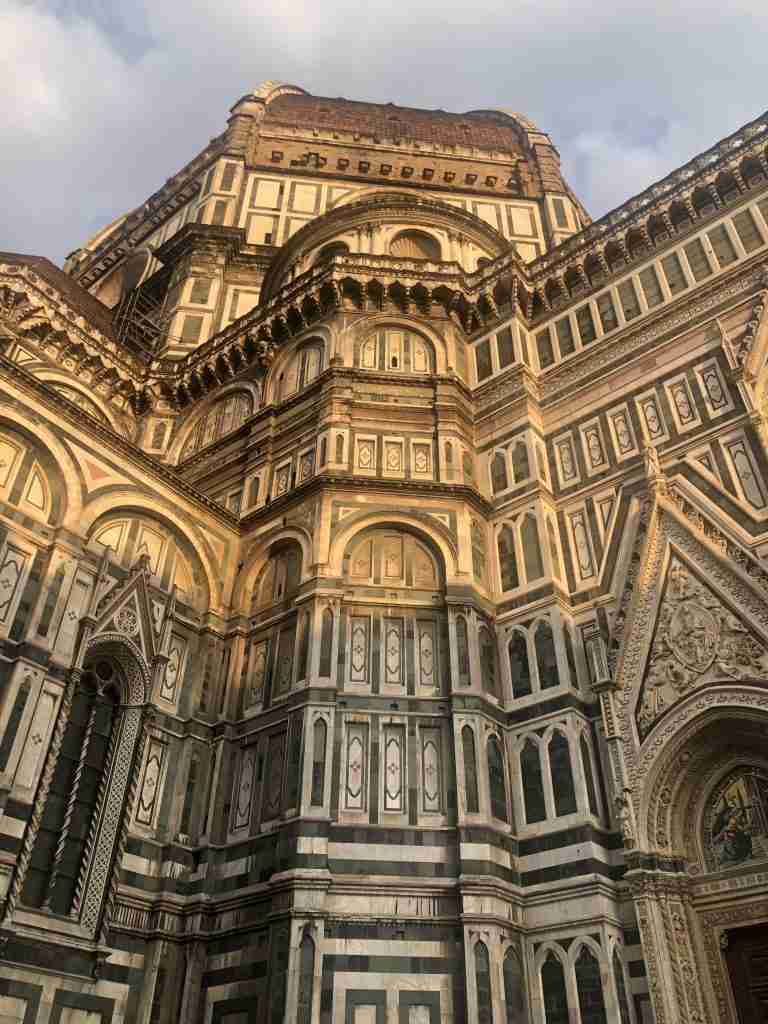
We are on the train to Florence. It’s almost 1.30 p.m and we’ve only just begun our train journey. It is exciting during these transitional journeys, not knowing what to expect, about to arrive in a new city for the very first time. Well in Italy anyway. I’ve been to Barcelona, Granada and Seville before even if it was a long time ago and for very short periods.
So far our trip has taken us to Doha, Barcelona, Granada, Seville, Rome, Sorrento, Naples, Pompei, Positano, Amalfi, Minori and Ravello. A mix of social interaction with old and new friends, eating, exploring, walking, discovery, wonder, learning, awe and happiness. I’ll probably never return to any of these places apart from possibly Barcelona. Twenty three days of travel full of countless new experiences, tastes and sounds.
Next stop Florence.
Florence, also known as Firenze in Italian, is a historic city located in the central part of Italy, specifically in the region of Tuscany. It is considered one of the most beautiful and culturally significant cities in the world, attracting millions of tourists each year.
The city of Florence has a rich history that dates back to Roman times when it was established as a settlement along the Arno River. However, it was during the Renaissance period, particularly in the 14th to 16th centuries, that Florence flourished and became a major centre of art, literature, science, and politics. It was the birthplace and home to many influential figures such as Leonardo da Vinci, Michelangelo, Dante Alighieri, and Niccolò Machiavelli.
Florence’s historic centre, a UNESCO World Heritage site, is renowned for its stunning architecture and numerous artistic treasures. One of its most iconic landmarks is the Florence Cathedral, also known as the Duomo, with its magnificent dome designed by Filippo Brunelleschi. The Uffizi Gallery houses an extensive collection of Renaissance masterpieces, including works by Botticelli, Raphael, and Michelangelo’s famous sculpture, David, can be found in the Accademia Gallery.
The city is also known for its beautiful bridges, such as the Ponte Vecchio, a medieval bridge spanning the Arno River, which is lined with shops selling jewelry, art, and souvenirs. Another notable bridge is the Ponte Santa Trinita, known for its elegant design and stunning views of the river and surrounding buildings.
Florence is a vibrant city with a lively atmosphere. Apart from its cultural and historical significance, Florence hosts various events and festivals throughout the year. The most famous is the Calcio Storico, a historic football game that takes place in the Piazza Santa Croce. It combines elements of football, rugby, and wrestling and has been played in Florence since the 16th century.
Overall, Florence is a city that seamlessly blends history, art, and beauty. Its rich cultural heritage, stunning architecture, and artistic masterpieces make it a must-visit destination for travellers from around the globe.
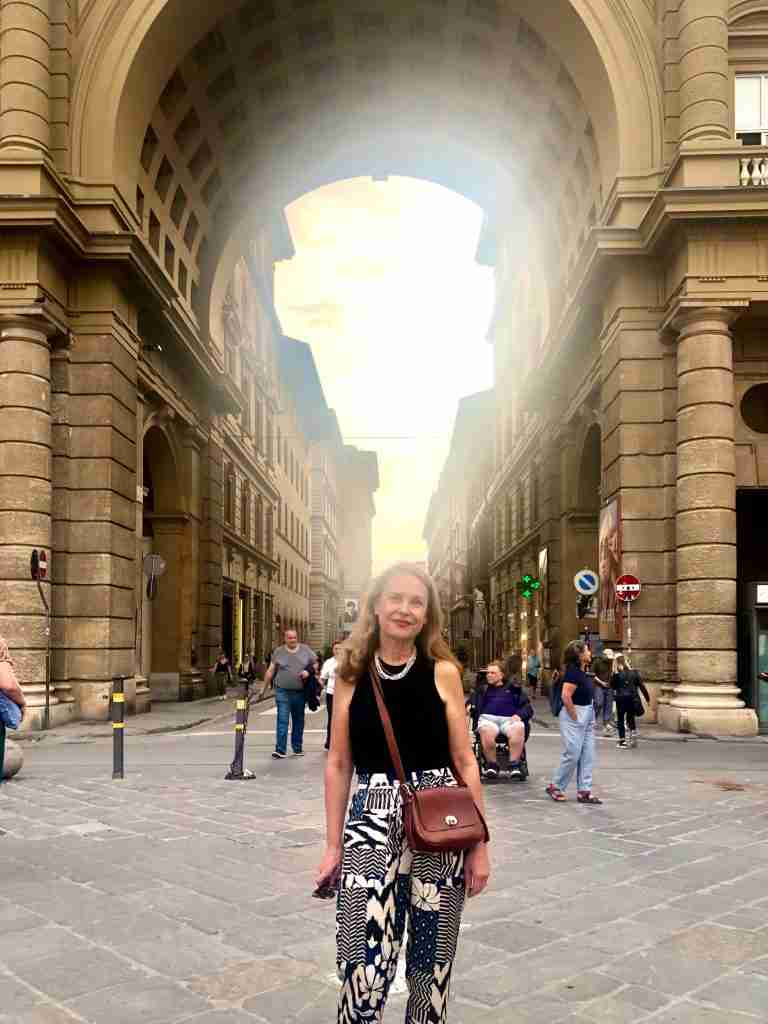
Monday May 22, 2023 Sorrento/Amalfi Coast
Steps Today – 30,662 : Calories 3,913/1,635
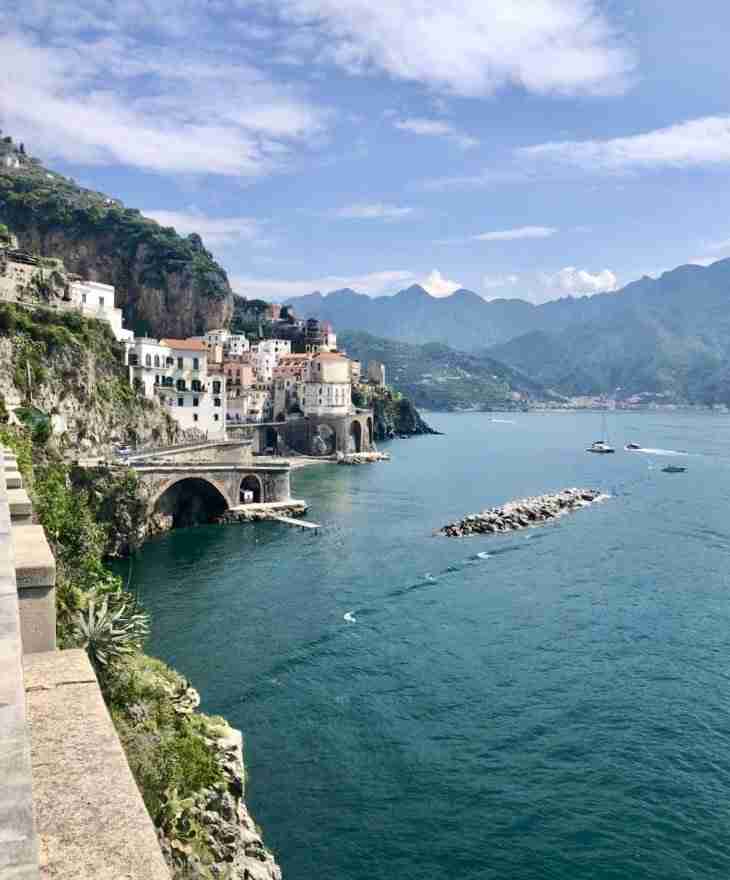
Today has been our Big Day Out on the Amalfi Coast. We are standing in a huge queue at the Amalfi/ Sorrento bus stop and I’m typing with one finger on my phone. It’s 5 p.m, we will miss the bus that’s about to leave for Sorrento but will hopefully be up the front of the queue for the next one at 5.30. Thunder has been booming in the skies over the Mediterranean but the tears of the gods are restrained.
It’s been a huge day of walking, not just walking along flat roads but up thousands of incredibly steep steps. The day began at 5.57 a.m, I woke up just before the alarm went off , Georgie got up at around 6.15. We were out the door at about 6.50 . We walked into Sorrento Station, about 40 minutes from our apartment and got relatively good seats on our 4 euro bus. The trip to Amalfi takes about 90 minutes around the most spectacular coastline overlooking the Mediterranean Sea, precarious, crazy and very slow at certain points due to the narrowness of the road.
We arrived in Amalfi just before 10 a.m, had a coffee and headed down the coast road toward the seaside town of Minori. Amalfi looks like it could be a pretty town but like most of the others is full of shops especially set up to accomodate tourism, people taking selfies and expensive restaurants and cafes.
The walk along the coast road was mind blowing, it probably took about an hour and 20 minutes. As usual there was no footpath, we walked on the sea side of the road with our backs to the oncoming traffic. Even though the drop to the mediterranean was incredibly steep there were still houses, hotels and lemon groves on the slopes. Amazing views. I just don’t want to become immune to the splendour and grandeur of the towering hills, the sun speckled sea and the terraced lemon and olive groves up the sides of the almost vertical slopes. When we arrived in Minori we had another coffee at the harbour to prepare us for our walk to Ravello. We had no idea what to expect. Before too long the steps began, up, up and up. Honestly I’ve never walked up so many steps in my life. Every time we turned a corner there was another steep inclination to walk up. It was insane. I’ve done a video of most of our ascent.
We had embarked on a captivating journey, tracing the coast road from Amalfi to Minori, followed by an arduous ascent up countless steep steps amidst fragrant lemon groves, leading us to the enchanting town of Ravello.Our walk along the coast road bestowed upon us breathtaking vistas of the glistening Mediterranean Sea, its cerulean waves gently caressing the rugged shoreline. The salty breeze carried with it a sense of tranquility, soothing our weary souls and feet as we ventured forward. As we neared Minori, the atmosphere shifted, unveiling a charming coastal village adorned with colourful old houses and a picturesque harbour where we had our coffee. We paused briefly, immersing ourselves in the lively atmosphere.
Leaving the coast behind, we embarked upon the steep ascent towards Ravello. The path, although demanding, presented us with an awe-inspiring spectacle. Towering lemon groves adorned the terraced slopes, their vibrant yellow fruits dangling like precious ornaments amidst the verdant foliage. The tantalizing aroma of citrus wafted through the air, invigorating our senses and serving as a reminder of the region’s renowned limoncello production. As we laboured up the mountainside, our muscles strained with each step, and beads of sweat dotted our brows.
However, the toil was accompanied by a sense of accomplishment, as the arduous journey unveiled the hidden gems of Ravello.
Ravello, perched high above the coastline, greeted us with its timeless beauty and a medley of architectural wonders. The only problem was the surprise that waited for us at the top. I was expecting a quaint square with a couple of small restaurants, a few grandmothers and groups of cranky old men enjoying each others company in the afternoon sun. What we got instead was hundreds of conservatively dressed American tourists sitting in expensive restaurants, eating gelato and shopping in the copious tourist shops that were a mirror image of all of the others we had already walked past in Sorrento, Positano and Amalfi.
The town’s centerpiece, Villa Rufolo, stood proudly, its medieval walls and splendid gardens evoking a sense of grandeur and elegance. The renowned Ravello Festival is held within the villa’s grounds . Moreover, Ravello’s Duomo, an exquisite cathedral showcasing intricate mosaics and ornate frescoes, offers a glimpse into the town’s rich historical and artistic heritage. Despite the grueling nature of the ascent, our arduous walk from Amalfi to Ravello presented us with a tapestry of captivating sights and experiences. The coastal road and lemon-scented groves painted a vivid picture of the region’s natural beauty, while Ravello’s architectural marvels and cultural prominence left an indelible mark on our memories.
The next stage of our journey was to walk back down to Amalfi to catch the bus back to Sorrento. We headed toward Amalfi but half way down sort of lost our way which didn’t really matter because down was the only way to go. The beauty of this was that we ended up going down crazy steep anarchistic steps that looked like they were going to stop but kept going anyway. Along the way we passed an old man going upon the stairs with a walking stick and a shopping bag. In Australia he would be in an old peoples home, here in the hinterlands of the Amalfi Coast he was coming home from a shopping excursion up steps that the American tourists we saw in the square in Ravello would never even consider walking up. We finally got to the coast road having accomplished a really adventurous and unique experience. We walked along the coast for a couple of kilometres and arrived at the bus stop where there was a predictable queue. Eventually we were on our way back to Sorrento.
It was around this time that Georgie realized that we had to check out of our apartment and catch the train to Florence on Tuesday, not Wednesday as she had originally thought. There went our trip to Capri. We walked back home from Sorrento, 30,000 steps for our days outing! Then we shopped, I cooked dinner and we packed before putting our weary bodies to bed.
Sunday May 21, 2023 Sorrento/Pompei
Steps Today – 22,360 : Calories 3,109/912
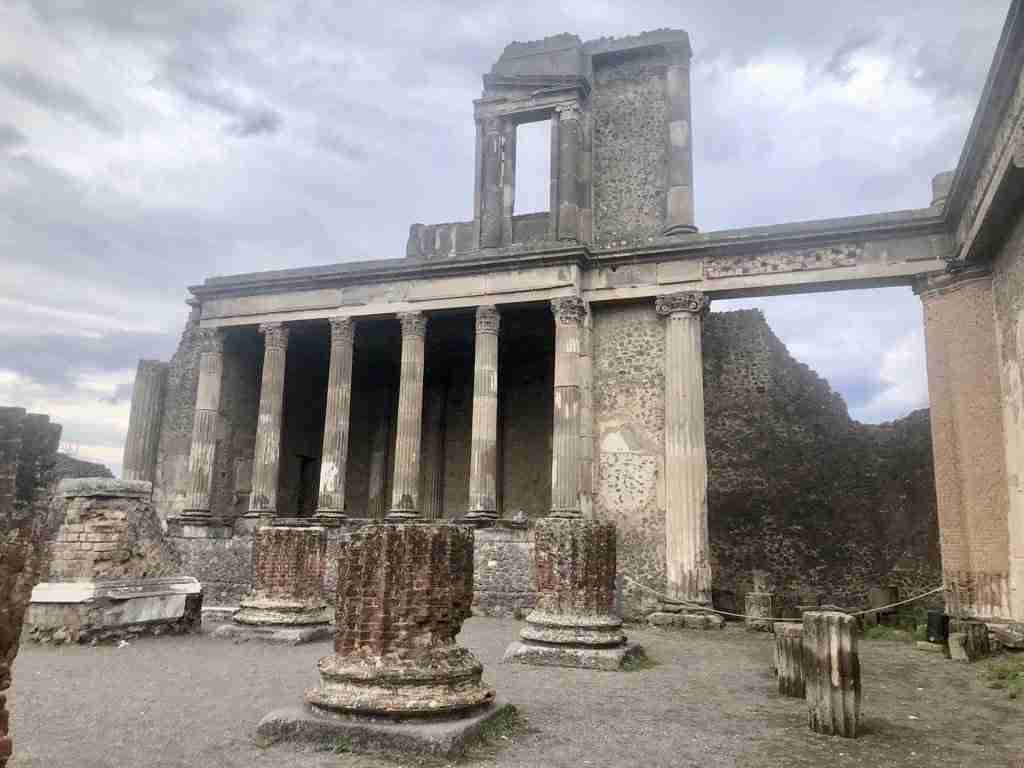
We’ve hit a wall with where to visit today. The weather isn’t great, cloudy, a bit windy and possibly too cold for a boat trip to one of the islands. So far we have done really well on the Sorrentine Peninsula keeping away from tourist traps and that’s a pattern we’d really like to continue. The day is still relatively young so there is time to choose a destination.
The one area of concern for me on this European trip is my over consumption of carbs and sugar. Maybe not a lot for most people but for somebody who has been on a very low carb diet for several years as well as a strict keto diet for a couple of years eating bread, pasta, cakes, gelato and not so dark chocolate is a killer. My body is definitely feeling different that it was. I feel a bit bloated, full of wind, my face feels a bit squashed and my general tone has seemed to decrease. The interesting thing for me is the temptation and the excuses that you make to yourself. So far the times we have eaten meals in restaurants and cafes have been a let down, that’s not totally true because some of the meals have been delicious but as a rule the pizza, pasta, gelato hasn’t been worth the after effects. The funny thing is that my body has some perverse idea that eating carb and sugar laden food will be so pleasurable that the short moment of pleasure will outweigh the hours of consequences. This is so far from the truth that it’s not funny.
So here’s what I’ll do. When I cook meals for us in our apartment I’ll use a bit of pasta and when I make a lunch to take out I’ll use a bit of bread. This will be OK apart from the gluten. I’ll make some yummy pasta dishes, I’ll make some salads with sardines, I’ll create some delicious sandwiches with fried eggplant, zucchini, capsicum, leak with cheese, prosciutto and other ingredients. This isn’t ideal but based on what I can get my hands on it’s about the best I can do without starving or putting ourselves in a position where we get so hungry that we start buying really bad food while we are out on the road.
The other thing that I haven’t been doing is blood tests.
Our day trip today ended up being quite random. We walked down to the bus station to buy tickets to catch a bus to Amalfi. After waiting at a bus stop in town which turned out to be a false start we arrived at the bus station to find a queue about 200 metres long. That was that. We made a quick decision to change our plans and headed to the train station to go to Pompei. I can’t explain why but I didn’t have much enthusiasm about visiting the ruins of an ancient town that got covered in volcanic ash 2000 years ago. This turned out to be a mistake. What greeted us was huge, impressive and in amazing condition, preserved through the ages and giving a glimpse into what life would have been like in a large Roman town of around 20,000 people all that time ago.
Nestled near the Bay of Naples in Italy, Pompeii stands as a captivating archaeological site frozen in time. Once a bustling Roman city, Pompeii succumbed to the wrath of Mount Vesuvius in 79 AD, preserving its unique history for centuries to come.
Location and Historical Significance:
Pompeii is situated in the Campania region of Italy, approximately 14 miles southeast of Naples. Established in the 6th century BC, the city prospered as a Roman colony, with its strategic location allowing it to thrive as a trading hub. The eruption of Mount Vesuvius in 79 AD, which tragically buried the city under layers of volcanic ash, left Pompeii concealed for nearly 1,700 years. Its excavation in the 18th century provided a profound insight into ancient Roman life and culture.
Life in Pompeii:
Imagine strolling through Pompeii’s ancient streets, surrounded by grand villas, bustling marketplaces, and public buildings. Life in Pompeii was vibrant and diverse, with a population of approximately 20,000 residents. The city was home to people from various walks of life, including merchants, craftsmen, and wealthy patricians.
Architecture and Urban Planning:
Pompeii’s architecture showcases the remarkable craftsmanship and urban planning of ancient Rome. The city boasted an ingenious grid-like street system, with narrow alleys intersecting broad avenues. Walking through its well-preserved streets, one can admire the elegant homes adorned with colorful frescoes, intricate mosaics, and beautiful gardens. The architectural styles range from the early Greek-influenced structures to the more intricate Roman designs, providing a glimpse into the city’s evolution over time.
The Amphitheater:
One of Pompeii’s most iconic structures is its amphitheater, a testament to the Romans’ love for grand spectacles. Located in the eastern part of the city, this imposing oval-shaped arena could accommodate up to 20,000 spectators. The amphitheater hosted various events, including gladiatorial combats, wild animal hunts, and theatrical performances. Visitors can still admire the remnants of the seating area, underground chambers, and the arched entrances that once welcomed enthusiastic crowds. Pink Floyd played a concert here in 1972 and David Gilmour returned for an extravaganza in 2016.
Conclusion:
Visiting Pompeii is like stepping back in time, offering an unparalleled glimpse into the daily life of ancient Romans. Its remarkable location in the shadow of Mount Vesuvius, tragic history, and well-preserved ruins make it a must-visit destination for history enthusiasts and curious travellers alike. As we explored the ancient streets, I tried to imagine the vibrant city it once was—a bustling metropolis that thrived under Mount Vesuvius.
Saturday May 20, 2023 Sorrento/Naples
Steps Today – 20, 236 : Calories – 3,167/1,006
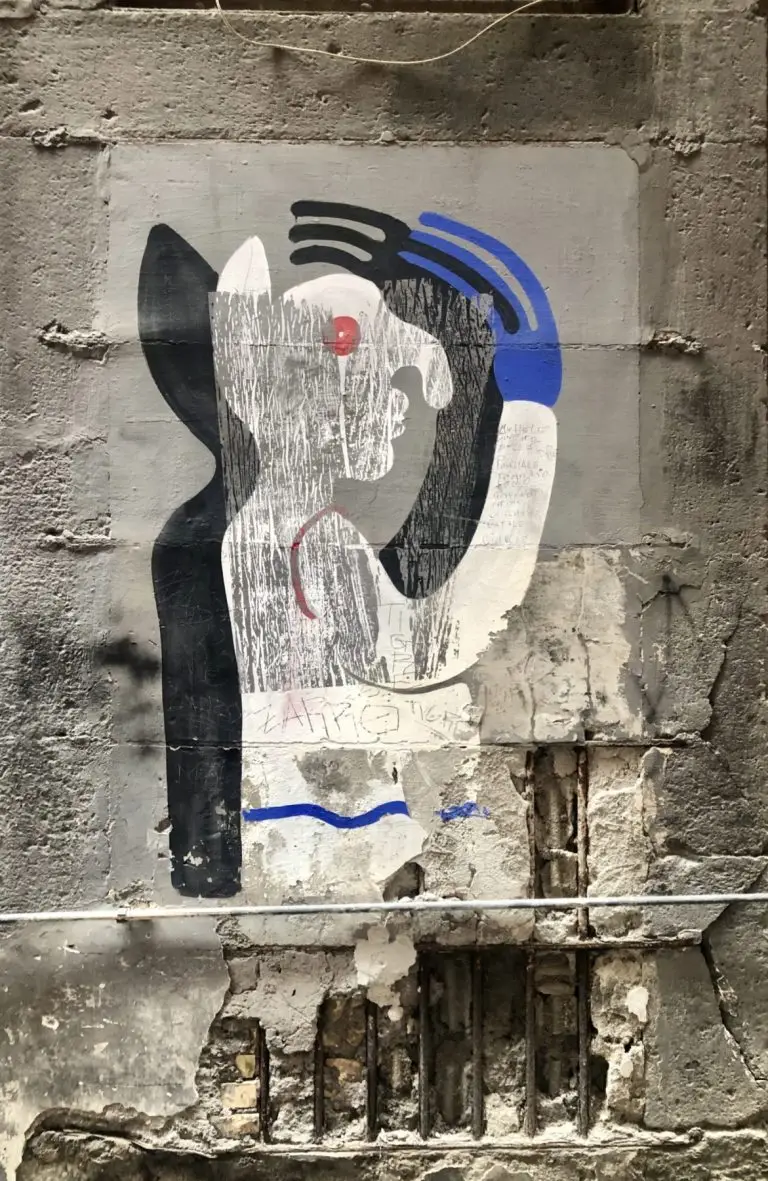
Today was our Naples Day. We arrived by train from Sorrento around 10.30 a.m and stepped out from Garibaldi Station. Like two starry eyed kids. For me arriving in a new city is full of wonder and excitement. I instantly new that I was going to enjoy being in Naples, there was just something about it that Rome seemed to lack, an energy that vibrated with my own, a certain anarchy about the traffic and the way people moved and had no rhyme or rhythm. The buildings near the train station were old and grand, statues and impressive facades.
For some reason we both secretly harboured a desire to have coffee and cake, maybe we had both read something about the pastries and cakes of Naples, I didn’t ask Georgie but there was definitely a tacit agreement that we would find a suitable cafe to sit at and indulge ourselves. We did. The waiter was friendly, the coffee was strong and the cakes were delicious. We probably over indulged but what the heck we were only on Naples for a few hours. We snaked around the city and soon found the Quartiere Spagnoli (Spanish Quarter) which is the Naples you see in the movies. I felt so sorry for them imaging what it must have been like back in 2020 when the covid lockdowns started happening in Italy.
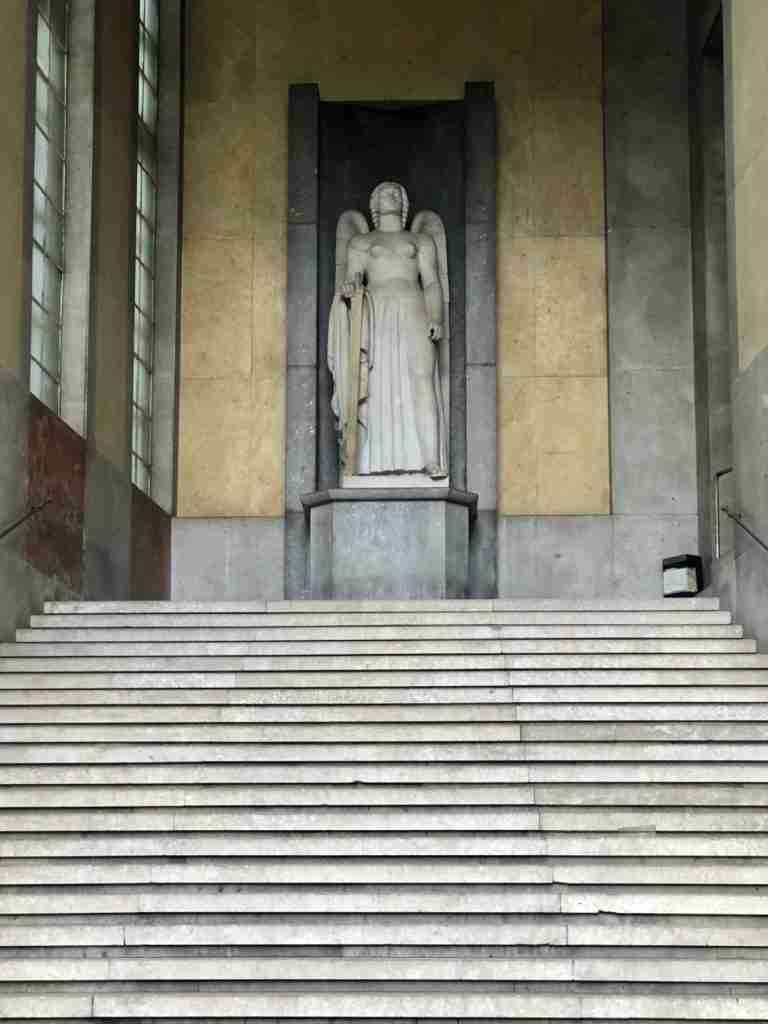
Naples was founded as the Greek colony of Neapolis (“New City”) in the 8th century BC by settlers from the Greek island of Rhodes. It flourished as a Greek city-state and later became an important Roman city known as Neapolis. Naples served as a significant cultural and commercial centre during the Roman Republic and Empire. Naples was ruled by various dynasties and empires, including the Normans, Angevins, Aragonese, and Spanish. It served as the capital of the Kingdom of Naples and the Two Sicilies. In the early Middle Ages, Naples experienced various invasions and conquests. The city was ruled by the Byzantines, Lombards, and Normans successively. Under Norman rule, Naples became the capital of the Kingdom of Sicily and later the Kingdom of Naples.
Naples is divided into several distinct neighbourhoods, each with its own character and charm. The Spanish Quarter (Quartiere Spagnoli) is one of the oldest and most iconic sections of the city. It was built during the Spanish rule (around the 1500s) and has narrow, winding streets filled with shops, cafes, and colourful buildings.
In 1442, Naples came under Aragonese rule, which marked the beginning of Spanish influence in the city. The Spanish Habsburg dynasty gained control in the early 16th century and held power for over 200 years. Spanish rule had a significant impact on Naples’ architecture, culture, and social structure. The Spanish Quarter was originally built to house Spanish military personnel stationed in the city. Over time, it became a densely populated area with narrow, labyrinthine streets and tightly packed buildings.
In the 18th century, Naples experienced a period of intellectual and artistic flourishing during the Enlightenment. However, the city faced political upheavals and revolutions in the late 18th and early 19th centuries. Naples became the capital of the Kingdom of the Two Sicilies in 1816 after the Congress of Vienna, which united the Kingdom of Naples with the Kingdom of Sicily.The unification of Italy in the 19th century had a profound impact on Naples. After the conquest of the Kingdom of the Two Sicilies by Italian forces, Naples became part of the newly formed Kingdom of Italy in 1861. The city underwent urban development and modernization during this period. Naples was heavily bombed during World War II due to its strategic importance as a major port. The city suffered significant damage, but reconstruction efforts were undertaken in the postwar years. Naples faced social and economic challenges in the following decades, including issues of organized crime and urban decay.
As soon as we arrived in the Spanish Quarter I felt right at home even though there were loads of tourists roaming around and mingling with the locals. Georgie and I peeled off from the queue of people waiting for pizzas and fried sea food and ended up in cramped empty laneways that only locals ventured into. The thing that struck me was the apparency of poverty but it didn’t feel sad. Every now and again I could see into a window or a doorway that opened into a kitchen or a bedroom, tiny rooms right on the street. One doorway revealed a small kitchen and dining area that had a couple of single beds against the back wall. Every now and again a person leaned out of a window or on a balcony and smiled in response to the universal head nod that works so well everywhere I go. We walked up steps and down laneways, turned corners and found new streets, a chaotic hive of humanity but somehow it felt just right. We went down to the port next but this didn’t have the same appeal. At some point we walked down a cobblestone retail strip that had fancy shops with brand names which was right next door to the squalor of the Spanish Quarter. I bought myself a black jacket at Zara because I didn’t bring any decent jackets with me. It’s amazing how a formal jacket can make you look decent. So now when we arrive in Florence I will be able to give an illusion of civility and good grooming. We went back to the Spanish Quarter for lunch at around 3 p.m. I had small plates of zucchini, eggplant and spinach which were quite delicious, Georgie had pasta. Overall I’m not all that impressed with the quality of the food we have had in Italy. I’m happier to get into the kitchen and cook up a bowl of pasta, Gary Style. Honestly, it tastes and looks better than any other pasta that we have had in restaurants. I’m sure that there is some great food but we just haven’t found it.
We caught the train back to Sorrento at around 5 p.m but by the time we arrived back at our apartment it was closer to 8.
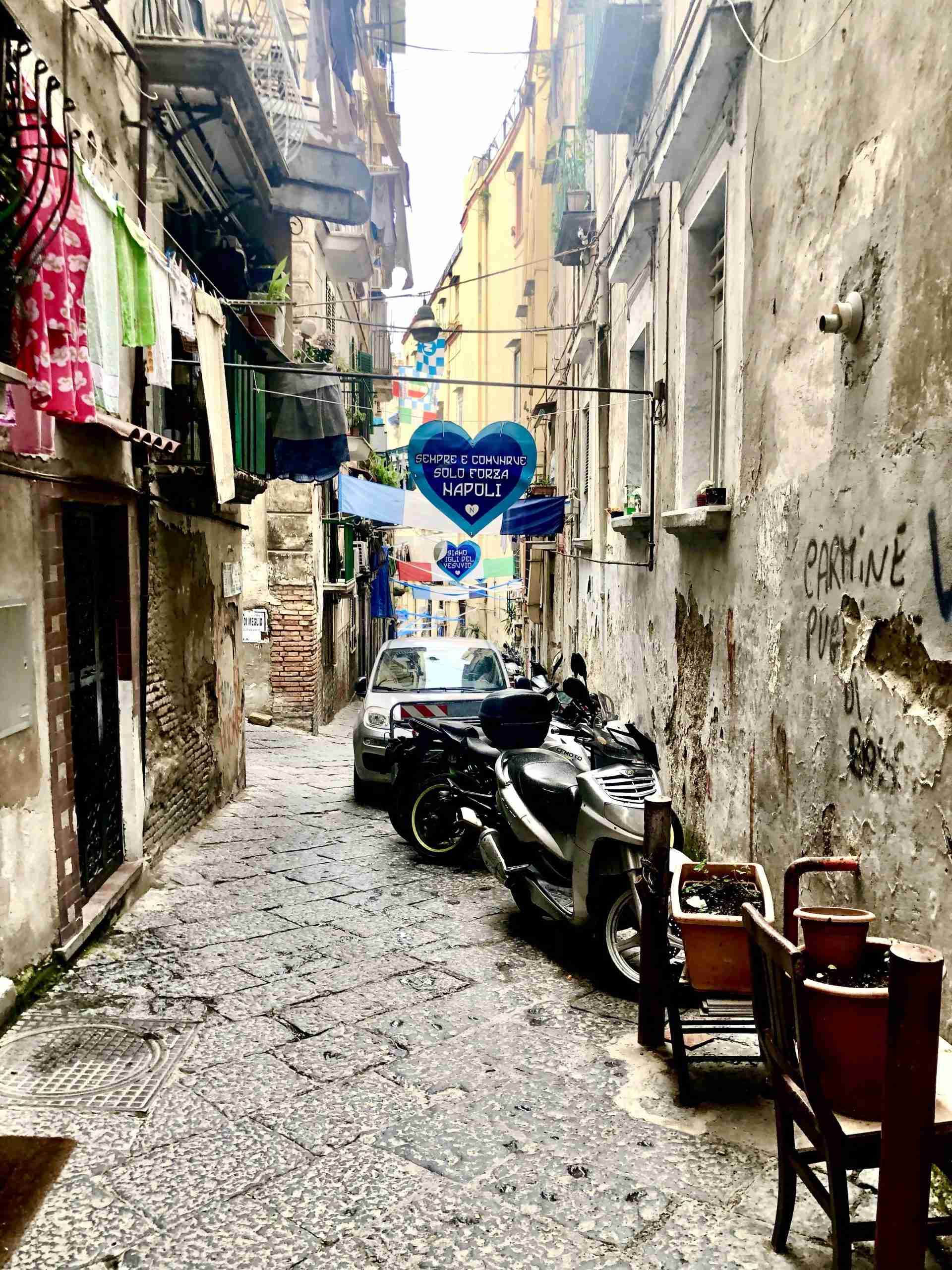
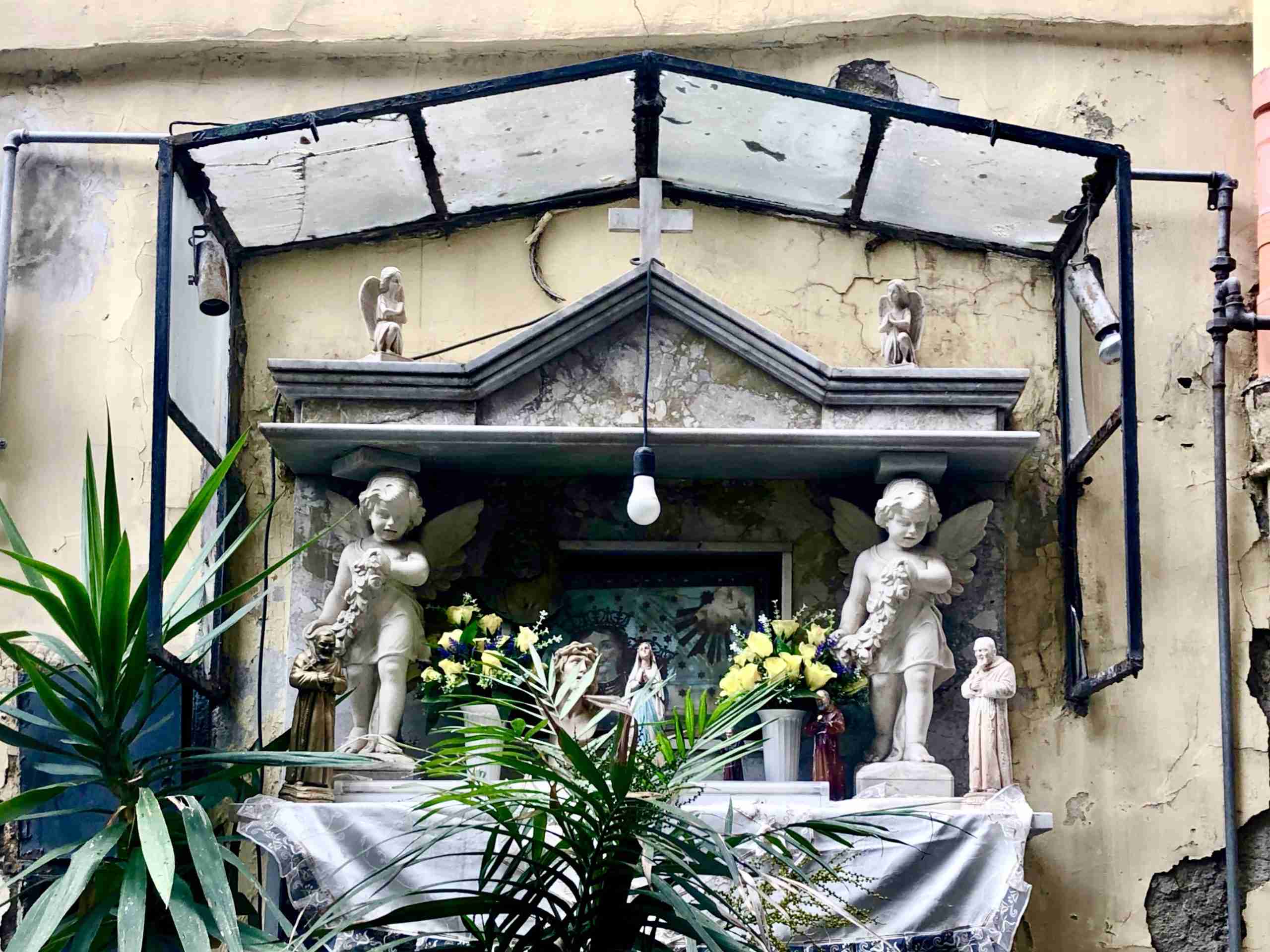
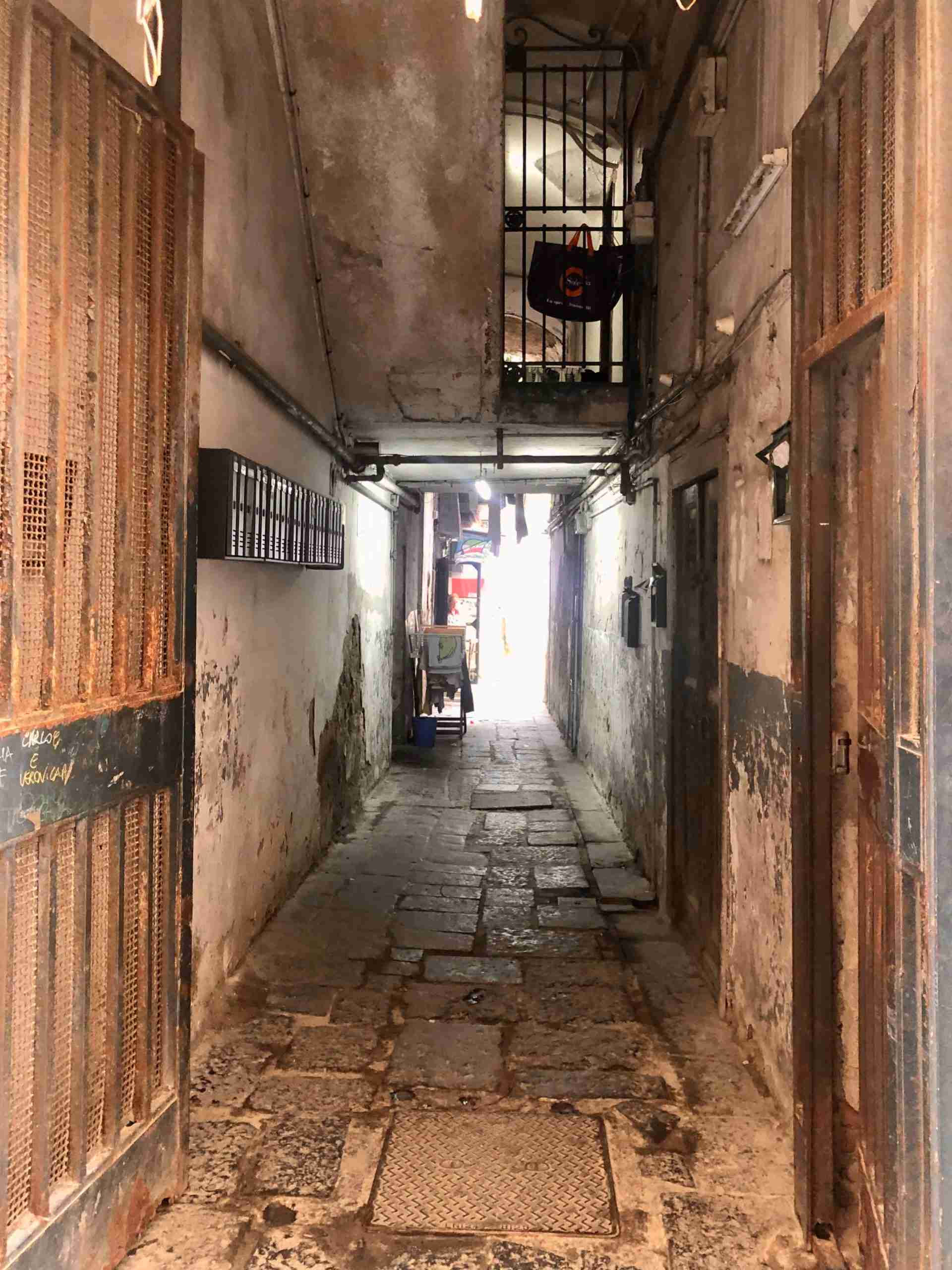
Friday May 19, 2023 Sorrento
Steps Today – 17,860 : Calories 3,093/905
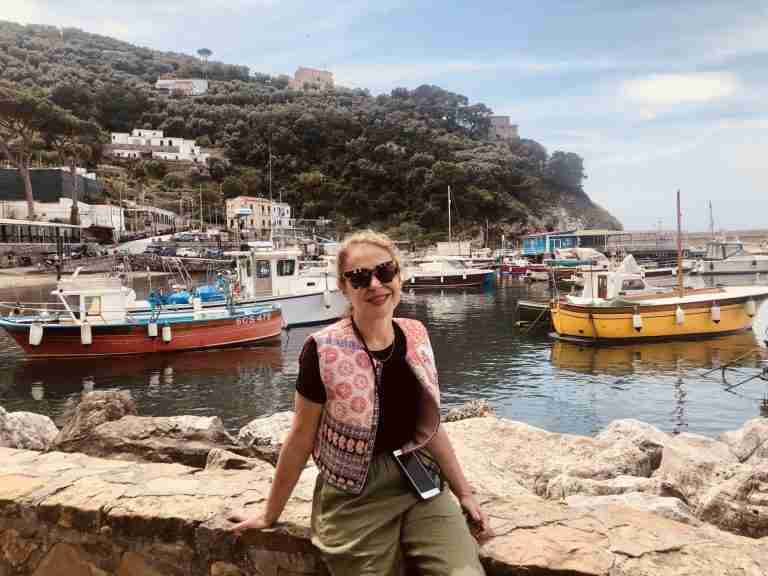
Day 19
We cancelled our plans to visit Capri today. Secretly I was quite pleased with this decision. Instead we decided to visit a village that we spotted from the ferry yesterday on the way back from Positano, the name of this village is Massa Lubrense.
We started with a walk down to Puolo Beach quite close by to our apartment. When I say “down to the beach” around here this also means a very steep walk back up the hill to the road which winds around the coast. This turned out to be a great way to start the day, we had 2 very expensive coffees right on the beach and sat in the morning sun for long enough to get comfortable before our walk back up the hill.
We are in lemon and olive country. The lemon groves are everywhere, the trees are currently laden with lemons, they are covered in nets to protect the fruit which is almost perfectly ripe. The olive trees look like they have already been harvested.
We got back up to the main coast road which doesn’t have a footpath and walked with our backs to the traffic, Georgie feels safer this way, not me though. I’m much happier walking against the oncoming traffic so I can see exactly what’s coming at me.
The road is up very high and overlooks the Bay of Naples and the island of Capri, it’s a huge vista of ocean and island, olive groves and lemon orchards. Picturesque and heroic. There are hotels placed along the road overlooking the bay. After about 6 kms we arrived in the municipality of Massa Lubrence where a wedding was taking place.
Massa Lubrense is a municipality located near Sorrento in the Campania region of Italy. It is situated on the Sorrentine Peninsula and offers stunning views of the Bay of Naples and the Island of Capri. The town is known for its picturesque landscapes, charming villages, and beaches.
Massa Lubrense encompasses several small villages, including Massa Centro, Marina della Lobra, Sant’Agata sui Due Golfi, and Nerano. Each village has its own unique character and attractions. Massa Centro is the main town that we arrived in and where the wedding was being held, it offers historical sites such as the Church of Madonna della Lobra and the ruins of an ancient Roman villa.
Marina della Lobra is a delightful fishing village with colourful houses, a small harbour, and a charming waterfront promenade. Apparently it’s a great place to enjoy fresh seafood at the local restaurants or take a boat trip along the coast. The walk down from the centre of town is steep and picturesque, we were so glad that we had forsaken Capri for today, no tourists, quiet and no crappy shops selling useless keepsakes. The walk down to the beach was steep, lots of steps with houses on either side, some rundown, some picturesque, foliage, lemon groves, old churches. Fabulous. We stopped at the harbour for coffee, wine and a bite to eat which unfortunately turned out to be not so good.
Sant’Agata sui Due Golfi is a hilltop village known for its panoramic views and is a popular starting point for hiking trails.
Nerano is renowned for its crystal-clear waters and beautiful beaches. The famous beach of Marina del Cantone is apparently a great spot for swimming, sunbathing, and enjoying water activities like snorkeling and diving. The problem for me with the beaches is that they are generally rocky and have black volcanic sand which looks dirty. From Nerano, you can also take a boat tour to explore the stunning nearby islands, including Capri and the Li Galli archipelago.
Massa Lubrense offers a slower pace of life compared to the more touristy towns of Sorrento and Positano. It provides an authentic Italian experience, with narrow cobblestone streets, local markets, and traditional festivals. The region is also known for its production of limoncello, a lemon liqueur made from locally grown lemons.
Visitors to Massa Lubrense can enjoy outdoor activities such as hiking, boat trips, and exploring the natural beauty of the area. The landscape is characterized by olive groves, vineyards, and fragrant lemon orchards. There are supposed to be numerous hiking trails that lead to breathtaking viewpoints, including Punta Campanella, the tip of the Sorrentine Peninsula but we didn’t get a chance to explore.
The walk back up to the main town was looking like it was going to be quite a challenge because of the intense steepness going down to the harbour but we surprised ourselves and soldiered up without getting too exasperated. It appears that we are getting fitter each day due to all of the walking especially up steep slopes. I personally need to work hard to burn some of the excess carbohydrates that I have been eating. I’d better start doing daily blood tests to check my glucose levels.
This evening we took a deep breath and filled our backpacks with our dirty washing and caught the bus down to the laundromat in town. As can be expected it was a traumatic experience that should have taken an hour at the most but it’s now almost 10 p.m and we have just arrived home. IT also cost as much as a couple of ferry trips to Capri. No more needs to be said!!
Tomorrow we head to Naples for the day. This is my fantasy so I hope it doesn’t disappoint. We will walk to the rickety train in the morning and rattle our way back to Naples, hopefully arriving at around 9.30 a.m.
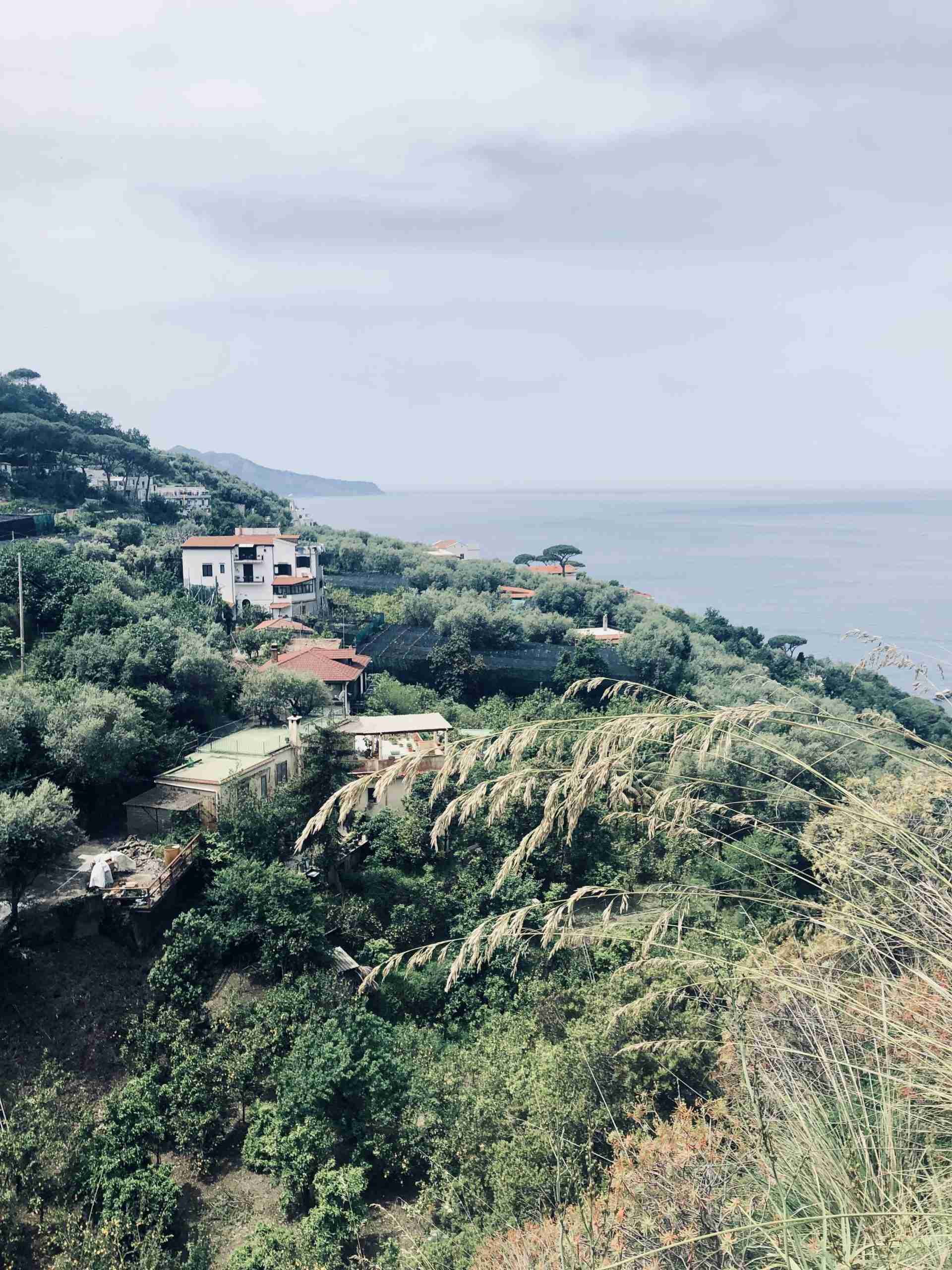
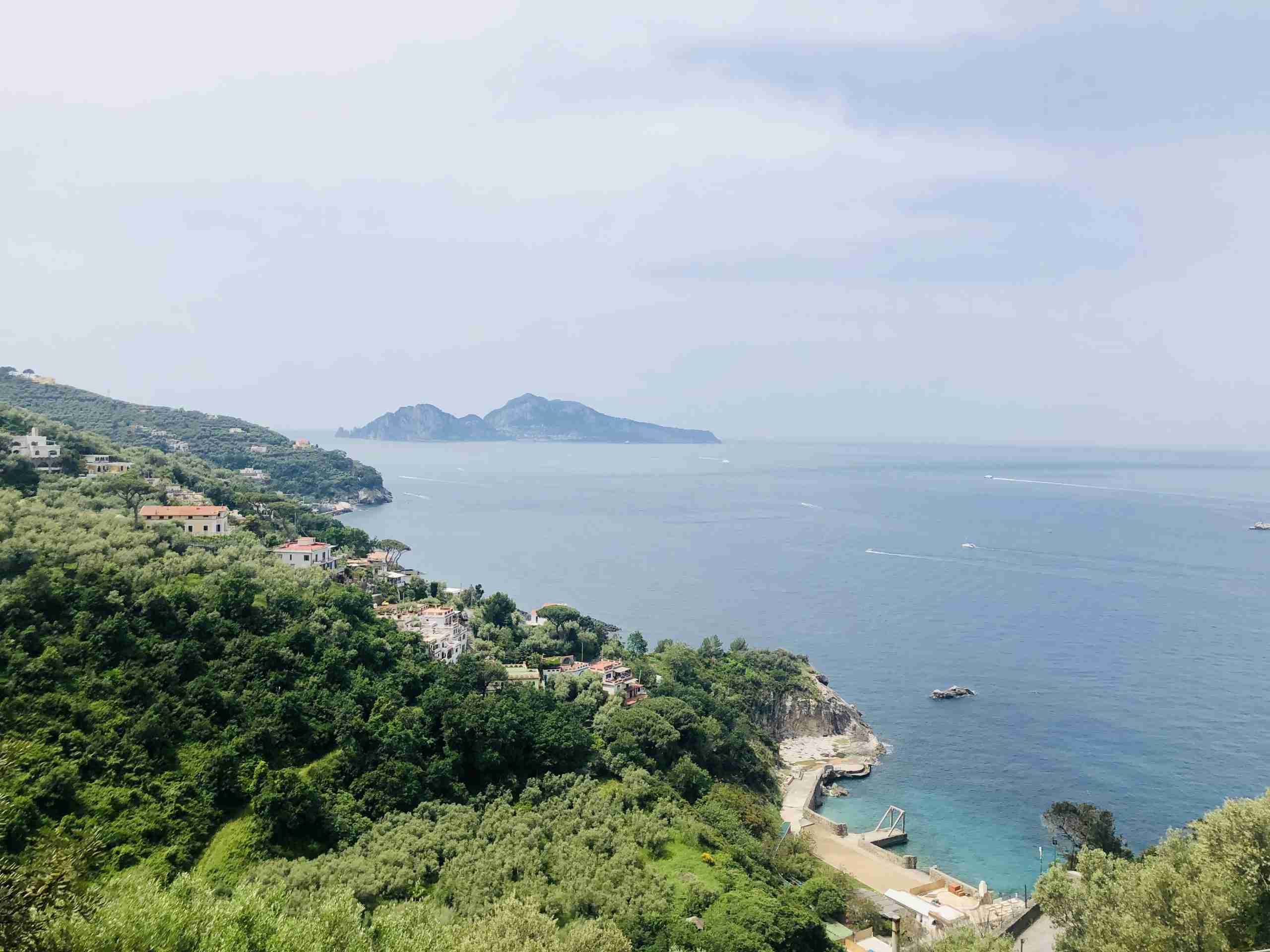
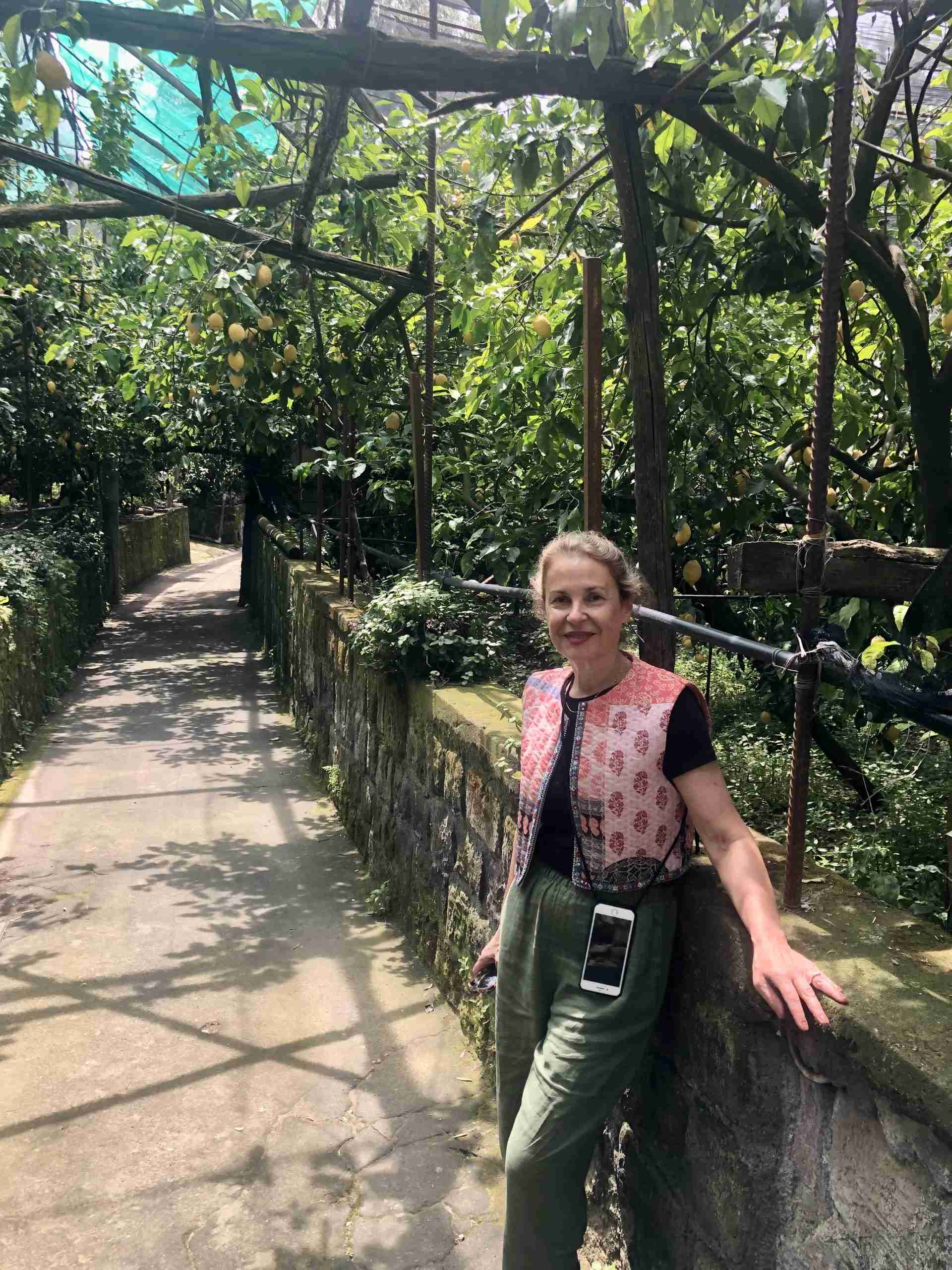
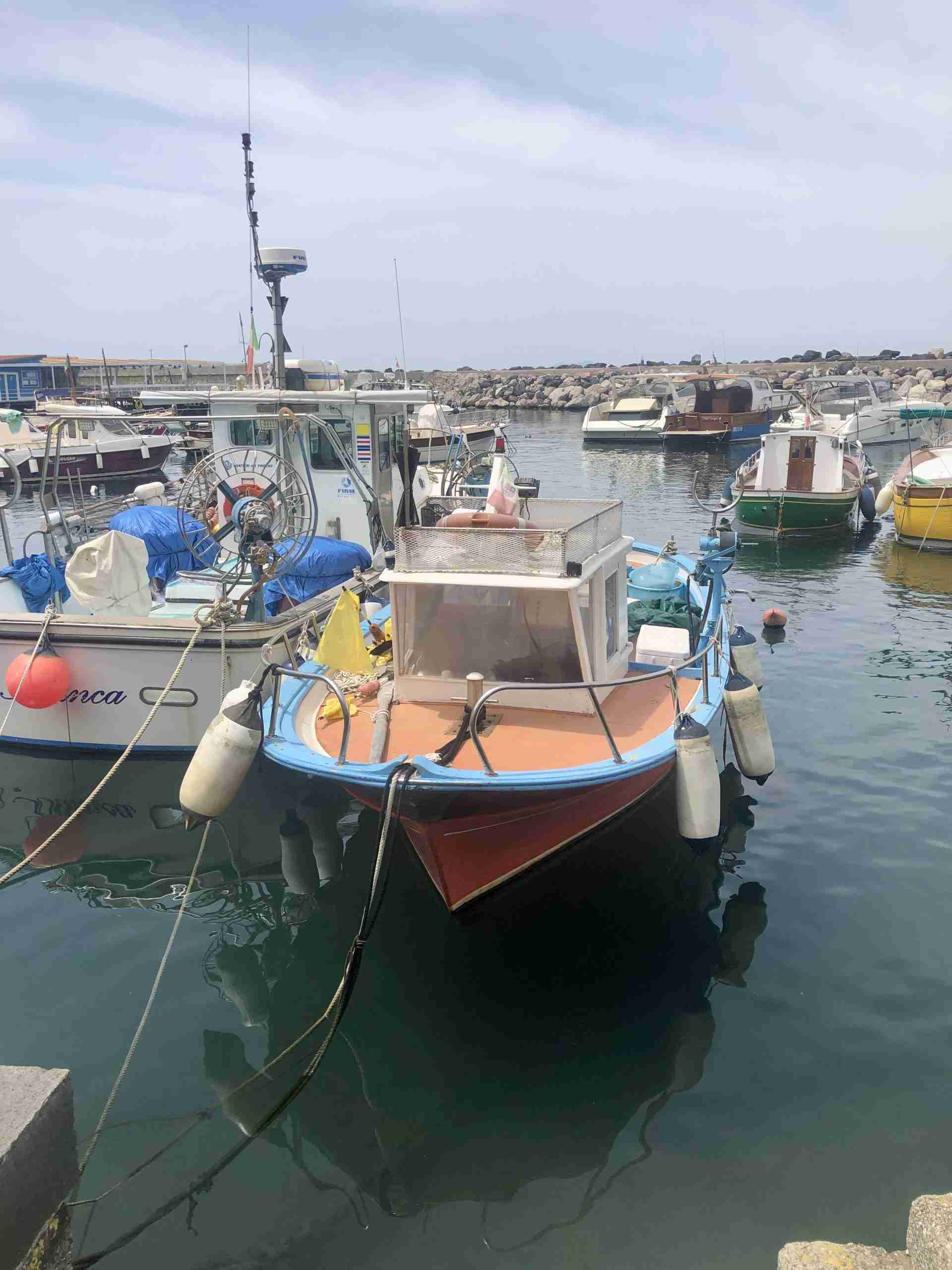
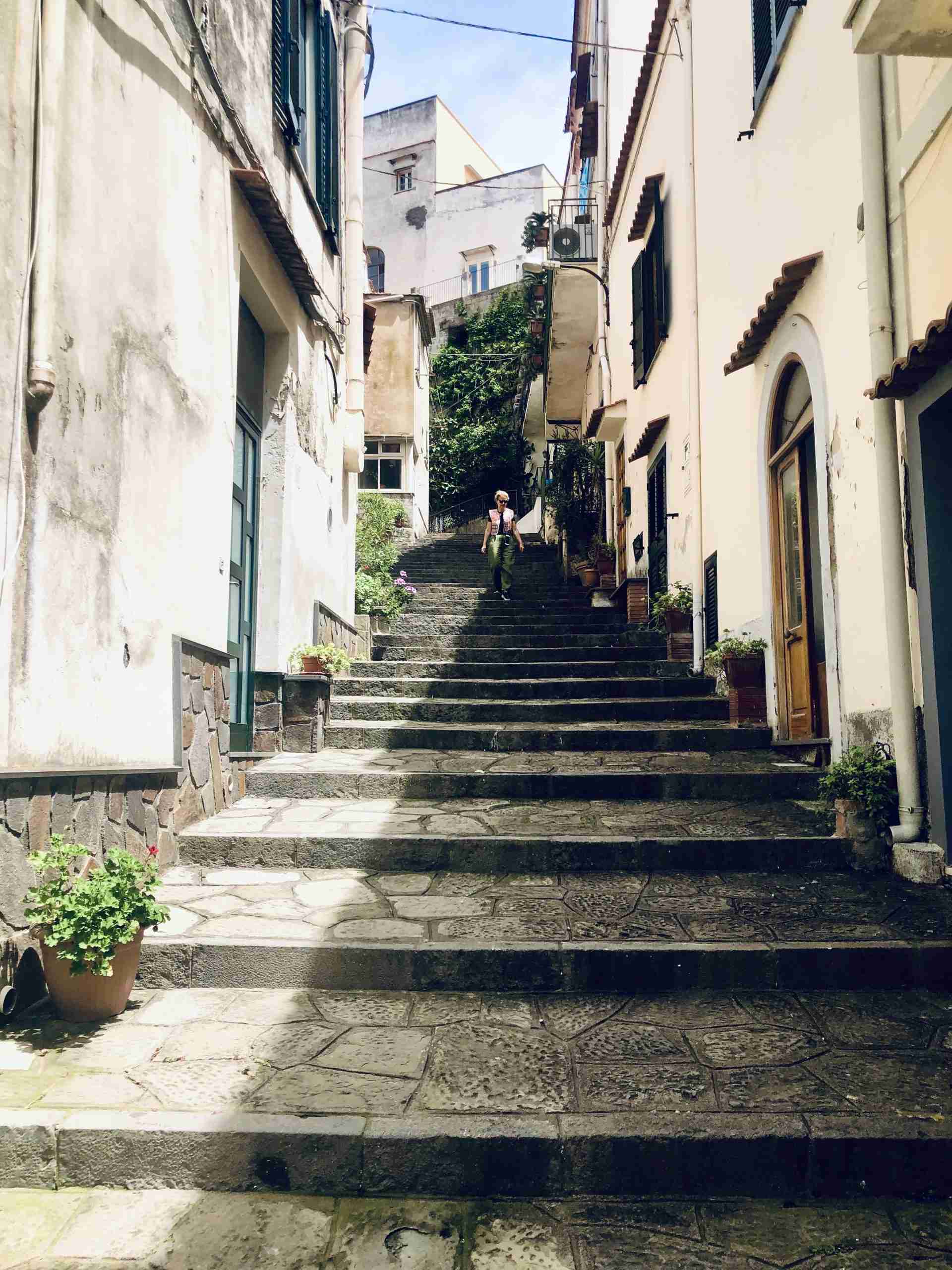
Thursday May 18, 2023 Sorrento/Positano
Time Shifter by Gary Collier
Steps Today – 21,829 : Calories – 3, 306/1,058
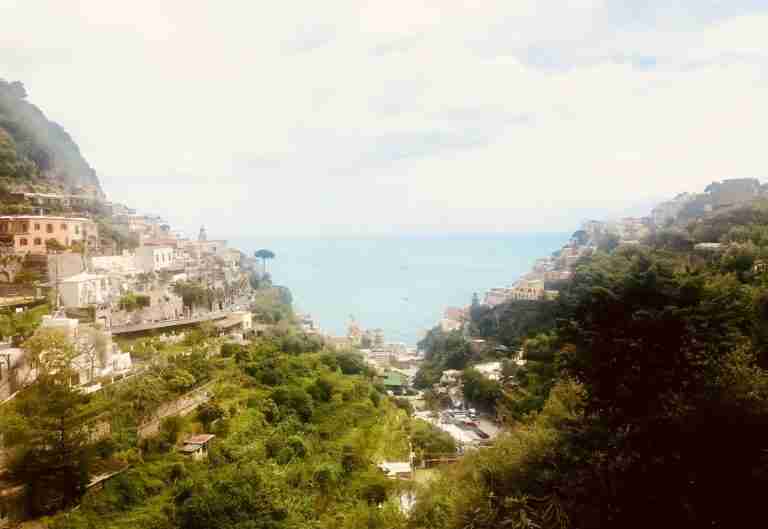
Day 18
We arrived in Sorrento which is a little more than an hour out of Naples mid afternoon. The train trip from Naples was an eye opener. It looks like the Naples soccer team had just recently won their Grand Final so 80% of the apartments along the train tracks were adorned with blue and white, some had ribbons going right down to the street level and yes, it was just like Gomorrah, the socio economic status of the area leading to the coast was reflected in the condition of the dirty, rattly train that took one hour and fifteen minutes to arrive at Sorrento Station. First impressions weren’t great but that changed a bit later in the evening. We got a ride to our “villa” at 3.30 p.m when we got picked up by Jack who manages the apartment for the owners.
My general impression of rental properties in Europe so far isn’t great. Maybe we are down the lower end of the market but from what I can see we are paying about $260 Aust dollars a night. Our current place in Sorrento is a 25 minute walk into town which is OK, the only downside to this though is that there are no footpaths and the road is steep and windy which means that it’s OK to walk when the sun is up but at night you’d be risking death to walk so you need to take a bus from the town. The apartment has potential, Georgie and I could turn it into to a really stylish place but the owners either have no sense of aesthetics or just don’t give a shit. What this does is mess with your head when you arrive. There was an initial feeling of disappointment. The photos that were shown on booking.com were much better than the reality. The shutters were down, the owners cars have old covers on them and there were old ladders, brooms, clothes racks stacked to the right of the front door, the first thing you saw when you came in the door was the rubbish bins, the furniture is all here but none of it goes together and the placement is like it would be in a cheap old people’s nursing home. The basics are all here but there is no love or style. What it feels like is “let’s make some money”, these guys are just tourists who will stay for a few days so why should we give a shit about them. Having said that we will be OK here but it could have been a far superior experience if the apartment had some love and design skill put into it.
The good news is that when I got up this morning it felt OK, better than I had expected. It’s growing on me but still what I wrote earlier applies.
We walked to the port this morning and caught the 10 a.m ferry to Positano. I dropped off on the way there plus we were inside and didn’t get a great view of the coastline. My first impression as we alighted the ferry was that I was in tourist hell. There were hordes of people walking in lines like lemmings. The village is stunning, no doubt about that but the first few minutes were touch and go but what happened was interesting. We started walking up the endless stairs, the further we went up the more there crowds thinned out and the more it started feeling like a place I was happy to be in. We worked our way up the steep steps which just kept going and going past small houses, lanes and restaurants, we made our way up higher and higher until we got to a road where we dipped for a coffee and some sparkling water. When we finished here we just kept going higher and higher and the further we went the less tourists there were until we were well and truly out of the melee. We finally found a small bench and ate half of our lunch that I had prepared before we left this morning.
Positano is a captivating village located on the Amalfi Coast in southern Italy. It is renowned for its scenic beauty, colourful cliffside buildings, and stunning coastal views.
The village of Positano has a rich history that dates back to ancient times. It was originally founded as a small fishing village by the ancient Romans. Over the centuries, it flourished as a significant trading port under the rule of the Maritime Republic of Amalfi.
During the Middle Ages, Positano faced periods of decline and was subject to attacks by pirates. However, in the mid-20th century, it experienced a resurgence and became a popular destination for artists, writers, and celebrities. This period marked the beginning of Positano’s transformation into a renowned tourist hotspot.
Today, Positano attracts visitors from around the world who are captivated by its enchanting atmosphere. The village is characterized by its narrow, winding streets lined with boutiques, cafes, and colourful shops. The buildings, painted in shades of pastel, cascade down the steep cliffs towards the azure waters of the Tyrrhenian Sea.
Positano’s beach, Spiaggia Grande, is a picturesque spot where visitors can soak up the sun and enjoy the stunning coastal scenery. The village also offers panoramic viewpoints such as the Path of the Gods, which provides breathtaking vistas of the rugged coastline and the shimmering sea.
In addition to its natural beauty, Positano is renowned for its vibrant cultural scene. It hosts art exhibitions, music festivals, and culinary events that showcase the region’s rich traditions and gastronomy.
Positano serves as an excellent base for exploring the rest of the Amalfi Coast, including nearby towns like Amalfi, Ravello, and Sorrento. Visitors can explore historic landmarks, visit beautiful gardens, indulge in local cuisine, and experience the unique charm of this UNESCO World Heritage site.
Wednesday May 17, 2023 Roma/Sorrento
Steps Today – 19,416 : Calories – 3,203/1,001
Day 17 – That’s right, I’ve started counting the days!
This is our last morning in Rome, we are almost packed. I have made some food for the train trip to Naples and Sorrento, all I’ve got to do now is a thermos of coffee and pack our food bag which is full of left over supplies for our apartment in Sorrento.
On the way downstairs yesterday evening we ran into out “landlady” Fabrizi, she was standing on the first floor landing talking to her neighbour Paul who invited me into his apartment to check out his antique B3 Hammond Organ and his 1966 Vox electric keyboard, quite a character, for that matter so was Fabrizi, intensely Italian and passionately alive. We talked about the delicious tomatoes and Mozzarella in Naples and on the Amalfi Coast plus the islands Capri and Ischia, to emphasise how delicious and beautiful they are she would say something in her gorgeous over the top Italian accent (Caaaarpriiii!!) and then pretend to beat her forehead against the hard wall. What a great way to get the passion into a sentence, better than a full stop any day and a much more. We finished our day with a short stroll around Trastevere, we both indulged with a gelato after buying a few food supplies including some lovely coffee that I found in a cake shop around the corner. The teenage boys were playing soccer in the square where the market is held, while the younger kids did cartwheels and played in the small playground next to the square. It is fabulous to see all of the outdoor activity in the early evening.
I got to sleep relatively early and got 8 hours even though I woke up at 6 a.m.
My body has seemed to recover from all of the walking that we’ve done in Rome, I can’t see that we’ll get all that much done today but you never know.
It’s now noon on Wednesday, we are on the second class train and we are well and truly on our way south to Naples and the Amalfi Coast. The train cost 13 Euros and takes about 3 hours compared to the fast train which costs 85 euros and takes an hour. The Australian dollar is so weak against the euro right now that every little saving helps. I made smelly sandwiches and strong coffee at our small Rome apartment for our train trip, the sort of sandwiches that I abhorred back in the 1950s when the European kids at school would open up their brown paper lunch bags and smell out the shelter shed. I fried up some eggplant, zucchini and leeks, added a bit of ham and pesto plus some avocado. Messy as hell but delicious. I’ve even brought all the leftover food from Rome in a big bag on the train. Very thrifty.
Georgie has booked a great place in Sorrento, a 30 minute walk into town but who cares, it looks great and it has a kitchen.
As we left Rome I was amazed to see how far the huge ancient aqueducts went along the train tracks, what a feat the Romans pulled off to supply fresh water all over the city. Apparently there was a Pope in the 600s who did a huge number on Rome’s infrastructure, he even created big boulevards with huge false facades that looked grand but had sheep and cows behind them in fields. You can still get a sense of why he did it when you walk around Rome today.
I am glad that we had 6 days in Rome. We punished ourselves with our huge daily walks averaging around 25,000-30,000 steps each day. We would go out early and come back to Trastevere for lunch and dinner and then go out walking again at night. What a great way to see and discover a city. I was happy to go to bed each night with throbbing feet, I dropped off instantly.
As we get closer to Naples I’ve started thinking about the show we watched on SBS over the past few years called Gommorah. That’s about my only connection to this part of Italy although we will only be passing through Naples Railway Station today on our way to Sorrento. The plan is to do a day trip while we are based in Sorrento. I’ve even started listening to the soundtrack by Mokadelic, heavy electronic music that went so well with the heaviness of the show. Sad, sombre and heavy like my impression of a Catholic mass. It is exciting for me when I arrive in a new location especially when I have no bearings and don’t know what to expect. So far it’s been like that in Seville and Rome, Barcelona and Granada were about refamiliarizing after almost 25 years.
One funny phenomena that has started happening on this trip, although in a light sort of way, is that I have started contemplating death again. There’s nothing that I can do about it whenever my time comes so there is absolutely no point in worrying about it. I’ll either have to build a new life without hardly any awareness of who I was this time around or there will be nothing which also won’t be a big issue because I won’t have any awareness of what I have lost. The thoughts are fleeting and happen when I wake in the middle of the night before I drop off to sleep once more.
Tuesday May 16, 2023 Roma
Steps Today – 21,615 : Calories – 3,140/923
We left our apartment at around 8.15 a.m this morning for a big day out at Vatican City. It is now 9 hours later and I’ve had enough of the glory of the Catholic Church to last me for the rest of my life. Grandiose, pompous, glorious, over the top, a sign to the world that the Christian religion is not humble and compassionate but the exact opposite. It is big, bold and beautiful.
Religion for me is a more philosophical endeavour, one which I attempt to help me to understand my meaning of life and my relationship to everything in the physical and spiritual universe. I love art, architecture, sculpture and all other creative endeavours and I also understand that artists need mentors and patrons, this makes sense when you see the grandeur, sheer size and largesse of the art in the Vatican City. The renaissance artists may have been religious in their own right, I don’t know much about the personal beliefs of men like Michelangelo and Raphael, but the coffers of the church and its desire for adornment on a grand scale certainly worked wonders for the fortunes of the artists who were around during this period. This was evident in what we experienced today.
I love decorative excess but what I saw in the Vatican Museum today as well as St Peter’s Basilica was at times too much, like overeating to the point of getting a stomach ache. But having said that the Vatican Museum is an awe-inspiring haven nestled within the heart of Rome. Beyond the grandeur of St. Peter’s Basilica and the magnificence of Vatican City lies a treasury of artistic marvels and historical treasures that span centuries. As I embarked on my journey through the museum’s hallowed halls, I found myself immersed in a world teeming with masterpieces, from the enigmatic allure of ancient civilizations to the resplendent works of Renaissance artists.
The Vatican Museum stands as a testament to the enduring power of art and culture. Established in the early 16th century, it began as a private collection of Pope Julius II, who gathered ancient statues and Renaissance artwork to grace the halls of the Vatican Palace. Over time, subsequent popes continued to expand the collection, transforming it into the magnificent museum we know today.
One of the museum’s most captivating aspects is its Egyptian and Assyrian section, transporting visitors back to the ancient civilizations that flourished millennia ago. These mesmerizing artifacts were acquired through archaeological expeditions and diplomatic exchanges during the 19th and 20th centuries. Meticulously preserved statues, sarcophagi, and reliefs depict the intricate rituals, beliefs, and dynasties that defined these ancient societies.
Within the Egyptian section, I was mesmerized by the haunting beauty of the mummies and their intricately decorated coffins. As I explored the Assyrian section, I encountered imposing stone reliefs that reveal the epic tales of war, conquest, and triumph of the mighty Assyrian empire. These artifacts provide a glimpse into the lives of these ancient peoples and their lasting cultural legacies.
While the Vatican Museum is renowned for its ancient treasures, it is not limited to the past. The museum’s commitment to showcasing modern art reflects its desire to embrace artistic evolution. The works of Henri Matisse, a pioneer of Fauvism, captivate visitors with their vibrant colors and bold brushstrokes. Matisse’s pieces, acquired through donations and acquisitions, offer a striking contrast to the classical and religious works that dominate the Vatican’s artistic landscape.
The Sistine Chapel
A crown jewel of the Vatican Museum, the Sistine Chapel stands as a testament to Michelangelo’s artistic genius. As you step into this sacred space, your eyes are drawn upward to the awe-inspiring frescoes adorning the chapel’s ceiling. Michelangelo’s masterpiece, the Creation of Adam, is undoubtedly the most renowned of these frescoes, portraying the biblical story of God reaching out to touch humanity with the spark of life. The Sistine Chapel offers visitors a moment of profound reflection, where art, spirituality, and history converge in breathtaking harmony.
The Vatican Museum boasts an immense collection of sculpture, each piece a testament to the sculptor’s skill and artistic vision. From classical statues reminiscent of ancient Greece and Rome to masterpieces crafted during the Renaissance, the sculptures on display offer an unparalleled glimpse into the evolution of this captivating art form. Whether it be the graceful curves of a marble figure or the emotive expressions etched in stone, each sculpture invites contemplation and admiration.
While the Vatican Museum is undoubtedly a haven of artistic treasures, it can at times be overwhelming due to the sheer magnitude of its collection. The abundance of art and sculpture in close proximity may require visitors to pace themselves and choose specific areas of interest to explore more deeply. Taking breaks to appreciate the grandeur of the surroundings and engaging with knowledgeable guides can enhance the experience and alleviate the sense of being overwhelmed.
My visit to the Vatican Museum was an unforgettable journey through the realms of history, art, and human creativity. From the enigmatic allure of ancient civilizations to the resplendent works of Renaissance masters, the Vatican Museum weaves a tapestry that transcends time and inspires awe. As I traversed its halls, I marveled at the beauty and significance of each piece, whether it be the haunting artifacts of distant civilizations or the sublime creations of Raphael and Michelangelo. The Vatican Museum is a sanctuary where past and present converge, where the human spirit is celebrated through the brushstrokes of geniuses and the chisel marks of sculptors. Despite the occasional sense of overwhelming abundance, the museum’s splendour is a testament to the richness of human artistic expression. It invites us to contemplate the collective beauty and profound stories that have shaped our world, offering a timeless and transformative experience for all who enter its sacred confines.
We finished our day at the Vatican by visiting St Peters Basilica. I had stood in Saint Peters Square on Friday and Saturday nights but had no idea what to expect inside. I couldn’t believe my eyes when we walked through the huge bronze doors this afternoon.
The magnificence of St. Peter’s Basilica in Vatican City captivates visitors with its grandeur and architectural splendour. It stands as a testament to the rich history of the Catholic Church and its profound impact on Christianity worldwide. While some may perceive the prominence of saints, martyrs, and the historical legacy of popes as a focus on pomp and circumstance, it is essential to understand the deeper significance that St. Peter’s Basilica holds within the realm of Catholicism.
St. Peter’s Basilica stands on the site where early Christians believed St. Peter, one of Jesus’ apostles, was buried following his crucifixion in Rome. The original basilica, constructed in the 4th century by Emperor Constantine, served as the symbolic center of the Catholic Church. Over the centuries, the basilica underwent numerous transformations, ultimately resulting in the majestic structure we see today.
St. Peter’s Basilica holds immense spiritual significance for Catholics worldwide. It serves as the principal church of the Catholic faith, housing the papal throne and acting as the heart of the Vatican City. The basilica’s architectural marvels, including Michelangelo’s dome and Bernini’s colonnade, are not mere displays of opulence but represent the aspirations of the Catholic Church to reach spiritual heights and inspire awe in believers.
The papal tombs housed within the basilica connect visitors to the lineage of pontiffs who have shepherded the Catholic Church throughout history. The presence of saints and martyrs within the basilica serves as a reminder of their faithful dedication to God and their influential roles in shaping the Church. The devotion towards these figures in no way diminishes the core tenets of Christianity but rather offers inspiration and exemplifies the virtues believers strive to embody.
St. Peter’s Basilica is a treasure trove of masterpieces, with renowned artists contributing their talents to its interior and exterior. From Michelangelo’s Pieta to Bernini’s Baldacchino, the basilica showcases the artistic genius of celebrated creators throughout the ages. The beauty and grandeur of these works of art are not meant to distract from the teachings of Christianity but rather to elevate the spirit and serve as a testament to human creativity in service of the divine
St. Peter’s Basilica stands as a unifying force for Catholics worldwide. It serves as a focal point for pilgrims who travel from all corners of the globe to express their devotion and find solace in their shared faith. The significance of St. Peter’s Basilica extends beyond its physical structure; it represents the unity of the Catholic Church and its ability to bring people together under a common spiritual umbrella.
While the opulence and historical legacies within St. Peter’s Basilica may initially strike some as diverging from the essence of Christianity, a deeper exploration reveals their profound significance to Catholicism worldwide. The basilica stands as a beacon of faith, serving as a testament to the enduring power of Christianity and the indomitable spirit of the Catholic Church. It is a living testament to the faithful’s connection with their history, their devotion to saints and martyrs, and their veneration of the papal lineage. St. Peter’s Basilica is a masterpiece of art, architecture, and spirituality—a symbol of Catholicism’s rich heritage that continues to inspire awe and reverence in all who visit.
When we left the Vatican Museum to go into St Peter’s Basilica
The staircase I am referring to is known as the “Scala Regia” or the “Royal Staircase.” It connects the Sistine Chapel, located in the Apostolic Palace of the Vatican, to the entry of St. Peter’s Basilica. Here are some key points about the Scala Regia:
- Significance: The Scala Regia serves as a ceremonial route for important religious and state occasions. It is used by popes and other dignitaries during specific processions and events.
- Architectural Design: The Scala Regia was designed by Italian architect and sculptor Gian Lorenzo Bernini in the 17th century. Bernini is known for his contributions to many iconic structures in Rome.
- Construction: The construction of the Scala Regia took place between 1663 and 1666, commissioned by Pope Alexander VII. It was intended to create a grand and imposing entrance from the Sistine Chapel to St. Peter’s Basilica.
- Layout and Features: The Scala Regia consists of two main flights of stairs, divided by a landing. The lower flight starts at the entrance of the Sistine Chapel and leads to the landing. From there, the upper flight ascends to the entry of St. Peter’s Basilica.
- Architectural Elements: The staircase features impressive architectural elements, including Corinthian columns, richly decorated walls, and a coffered barrel-vaulted ceiling. The walls are adorned with frescoes and stucco decorations, enhancing its grandeur.
- Statues: Along the Scala Regia, you can find several statues and sculptures. Notable among them are the statues of Saint Peter and Saint Paul, both created by Bernini. These statues are located at the base of the staircase, near the landing.
- Historical Significance: The Scala Regia has witnessed significant historical events, such as the coronation processions of several popes, including Pope Pius IX in 1846.
- Accessibility: The Scala Regia is primarily reserved for special occasions and processions. However, it is occasionally open to the public, allowing visitors to experience its grandeur and walk the same path taken by numerous prominent figures throughout history.
Overall, the Scala Regia is an architectural masterpiece that serves as a ceremonial pathway connecting the Sistine Chapel to St. Peter’s Basilica, symbolizing the transition between the spiritual and secular realms within the Vatican City.
Monday May 15, 2023 Roma
Steps Today -17,379 : Calories – 2,931/814
Georgie and I embarked on our European adventure two weeks ago, and today we step into the threshold of our third week, with only two more days left in Rome. Our itinerary for today unfolds with a visit to the illustrious Pantheon, followed by exploring the vibrant Testaccio Market. Although we had initially intended to rise early once again, our exhausted bodies yearned for a well-deserved rest, seeking to recuperate from the relentless walking we have engaged in since our arrival on the European soil. It is noteworthy that our time in Rome has witnessed a remarkable 30% increase in our daily walking distance!
The Pantheon is an ancient Roman temple located in Rome, Italy. Built by Emperor Hadrian between 118 and 125 AD, it was dedicated to the worship of all the gods of ancient Rome. The temple features a circular structure with a large domed roof supported by concrete walls and columns. Its design incorporates Greek architectural elements, such as a portico with Corinthian columns. Over the centuries, the Pantheon has served various purposes, including a Christian church since the 7th century. It stands as a remarkable testament to Roman engineering and architecture, and it continues to be a popular tourist attraction and a symbol of Rome’s rich history. Let’s hope that there aren’t too many people also planning to visit today.
Later on I’m hoping to do a bit of food shopping and get some laundry done.
Before going to bed last night we went on a short stroll around our local neighbourhood. We are both starting to get our bearings now in Travestere’s chaotic street layout.
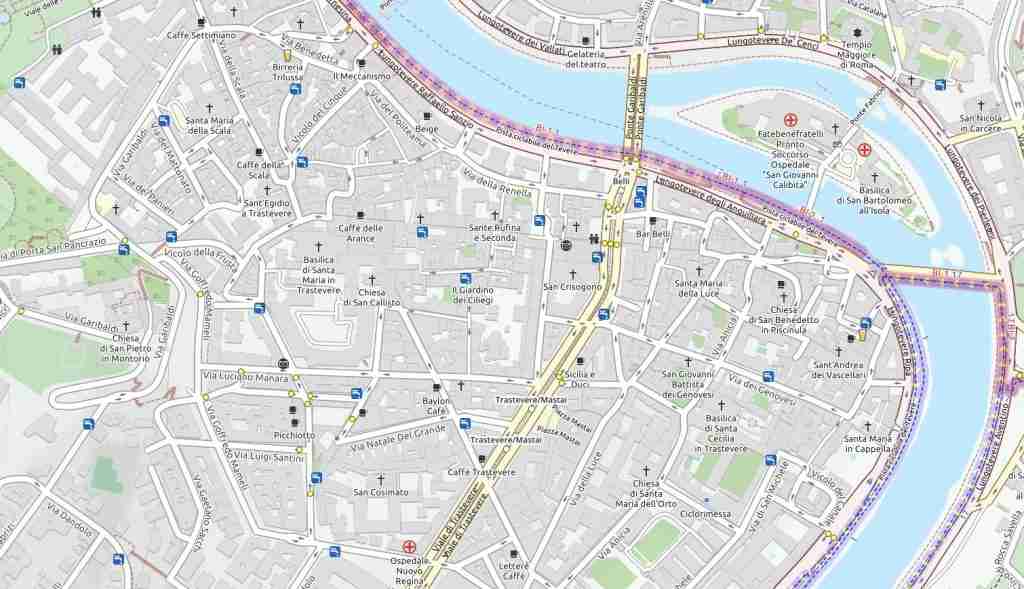
Today was a slow one. This morning we walked to The Pantheon, there weren’t too many people when we arrived. The first impression when you walk under the dome is one of awe. I’m not certain what renovations have been done over the past 2000 years although the Christian influence was strong, after all it is a basilica now and has been for 1500 years. What I got out of this experience was a connection to those who came before me. People weren’t all that different 2000 years ago in terms of their need to create monumental structures, the only real difference was the lack of technology but having said that the skills that were needed to create a building like this were immense. We didn’t stay too long, just long enough the immerse ourselves in the permanence, history and hugeness of the building. After leaving we strolled through the streets of Rome toward the suburb of Testaccio. I was even more excited about visiting the Testaccio market than I was visiting the Pantheon. The walk was long and interesting up through a hilly part of Rome that overlooked the city.
It’s interesting how food defines people, a bit like language. The food in Italy is easier to recognise, it is far more familiar to me than the food in Spain or maybe it’s just that we’ve been in Europe long enough to be getting used to what is available. The ingredients are all the same as are available in Melbourne but being in Italy makes me want to cook my version of Italian food. The market was a lot smaller than I expected and being Monday it was half closed. We started with a coffee and an Italian croissant and then I went walkabout and found the most amazing speciality pizza shop called Casa Manco, not the big round Neapolitan Margaritas but three delicate small slices of amazing pizza all totally different but each exquisite. I was tempted to buy more food but restrained myself. We walked back along the river and back into our little shopping centre on the other side of the squares and cobbled streets near our apartment. I stocked up with more veggies and some pesto, olives and cheese from our local market, we had coffees and spoke to a French Canadian couple while Georgie sipped wine.
Sunday May 14, 2023 Roma
Steps today – 25,114 : Calories – 3,565/1,399
After our huge day yesterday walking, exploring, visiting villas and significant Roman sites I suggested that we visit St Peter’s Square at the Vatican last night to observe a candlelight procession and recitation of the Rosary. We dropped by on Friday night and were surprised by hundreds of people in a ragged procession marching into the square holding signs with names on them and sending some sort of hymn over and over again. I thought that this might be a rehearsal for something more formal and grand at 9 p.m on Saturday night.
It turned out to be an anti climax in many ways due to the incessant rain and lack of an audience in this vast square plus not being a Catholic and not knowing anything about the pomp and ceremony that goes on in the Vatican none of it made any sense to me at all.
We stayed for at least an hour and even walked up close to the “congregation” who stood in the rain with candles and umbrellas singing their hearts out. My impression overall was that it was solemn. Catholicism makes no sense to me and I don’t expect it to. You’ve got to be involved in the bubble of any religion to make any sense of the idiosyncrasies and the cognitive dissonance. There’s something about Catholicism that seems sad and stale to me. Divorced from reality and very, very weird.
Finally we gave up and put up our umbrellas and walked home to Trastevere which was full of people as usual eating, drinking and generally making merry. We even dropped into an exhibition in honour of an Italian jazz pianist and film score composer on the way home.
To be frank, I’m sure that if Jesus really was a thing he would have preferred being in Trastevere as opposed to being at the Vatican last night.
Saint Peter’s Square, Candlelight procession accompanied by the recitation of the Rosary, led by Cardinal Fernando Vérgez Alzaga, President of the Governorate of Vatican City State.
Our first excursion this morning was another walk to the other side of Trastevere to visit the huge Sunday Flea Market. The Trastevere Sunday Flea Market is a vibrant and bustling open-air market nestled in the heart of Rome, Italy. Located in the Trastevere neighborhood, the market attracts locals and tourist with its unique array of treasures. The market takes place every Sunday, transforming the Piazza di Porta Portese into a lively hub of activity.With its cobblestone streets and historic surroundings, the Trastevere Sunday Flea Market offers a mix of vintage finds, antiques, clothing, accessories, books, art, lots of junk but a few real finds. We strolled through the market’s stalls, where vendors display their wares, creating a vibrant tapestry of colours, scents, and sounds. Some of the stallholders play loud music … daggy Italian classics, Bob Marley, Abba. After browsing through the market we had a coffee and croissant at a very authentic Roman cafeteria in the middle of Trastevere’s high rise lower socio-economic apartment buildings and then walked back through the back streets to our apartment. I bought a few food items on the way back and made some lunch.
After a short rest we set out again to explore Monte, a suburb on the other side of the Tiber River beyond the Victor Emmanuelle Monument and the Roman Forum site. We walked down past the Coliseum which was crowded with Sunday sightseers so many in fact that we didn’t stick around. We stopped for a coffee at a cafe and then walked off into the wider streets of Monte. Maybe we went the wrong way, who knows, Rome is so big but apart from some very impressive buildings this area lacked a heart. By now we were a real long way from home, the walk home was gruelling. My feet felt like they had been dipped into a vat of hot oil and my leg muscles had started to ache for the first time. We were seeing Rome on foot. No metro, no taxis, no buses, no electric scooters or bicycles, just walk, walk and more walking. We’ve earned the extra food that we have been eating.
Once again we returned home. It was around 5.30 by the time I cooked our pasta dinner. I can honestly say that it was delicious. Pasta with pesto and very tasty veggies with lots of olive oil and strawberries with mascarpone. I’m in my Italian cooking phase for the time being and doing well.
It was time for a rest, we both dropped of until the church bells tolled at 7.00 p.m.
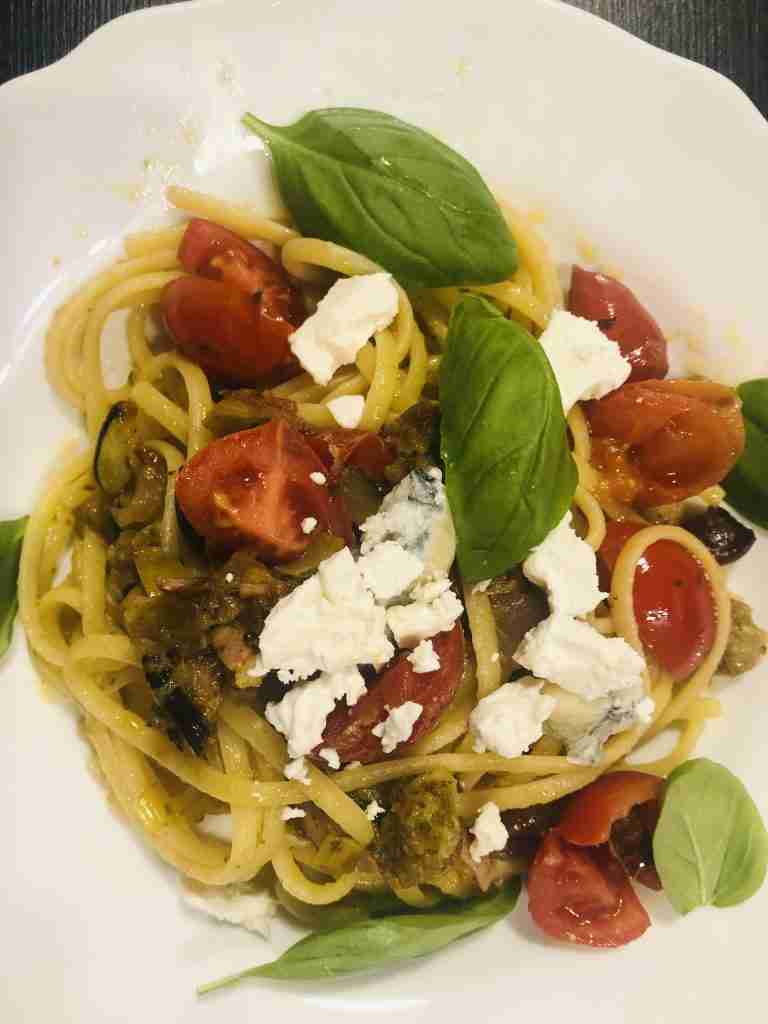
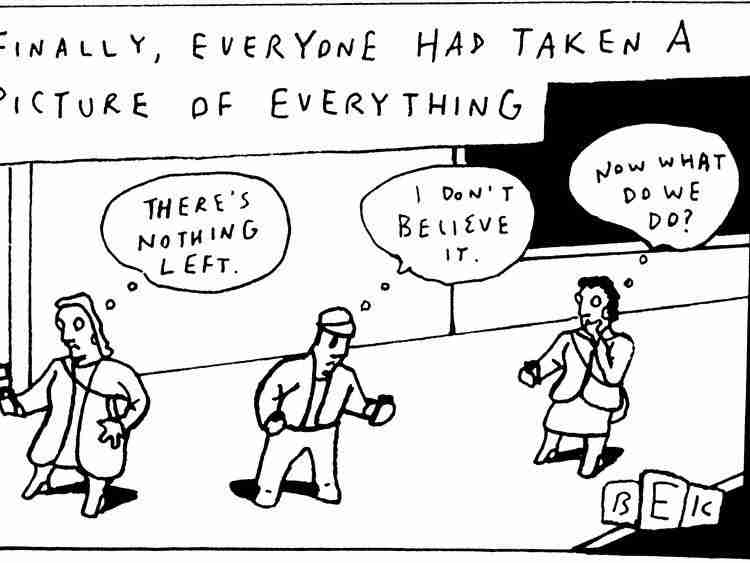
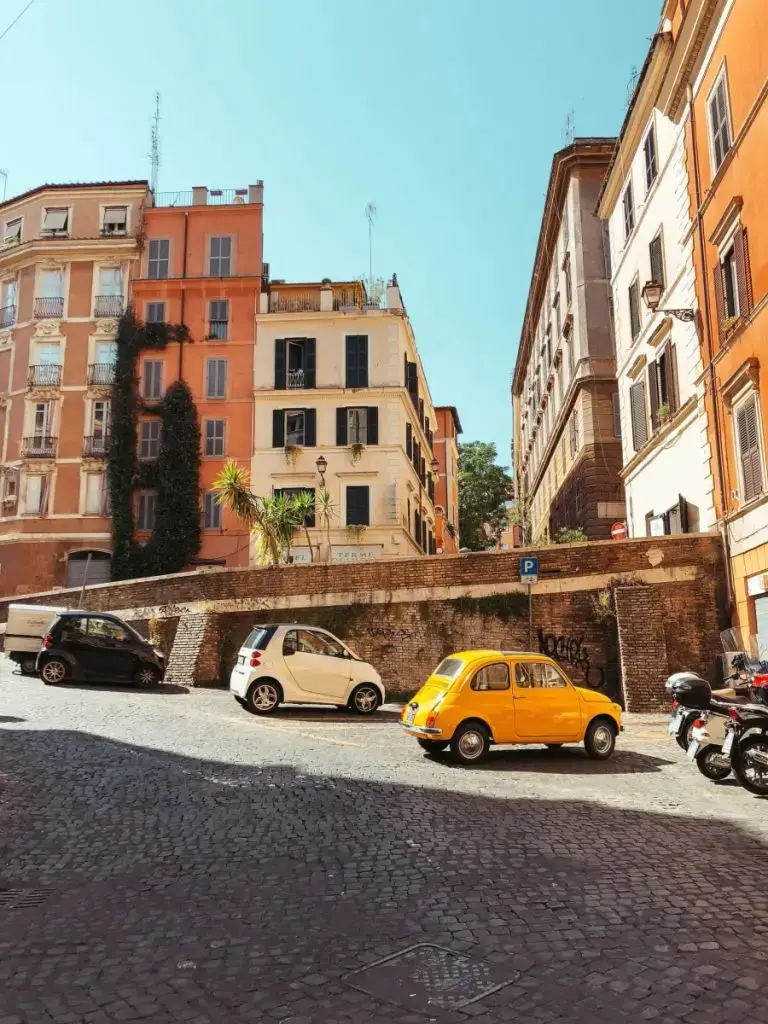
Saturday May 13, 2023 Roma
Steps today – 27, 204 : Calories 3,564/1,324

How to beat the crowds in Rome? It’s 7 a.m, I’m waiting for Georgie to have a shower and get dressed to make our way across Rome to visit The Trevi Fountain, The Spanish Steps and The Pantheon before they are inundated with the crowds of tourists that we saw yesterday when we went to the centre of Rome around midday. From what I can see a majority of the tourists are around my age, old boomers walking along in tour groups listening to the commentary of their tour guide with a bluetooth earpiece. It makes you wonder!
My legs and feet ached this morning when I woke at 6 a.m which made me think twice about our early morning walking plans so when I woke Georgie at 6.30 and she finally agreed to get up I was “unpleasantly” surprised. That’s behind me now and I feel great.
This new plan may give us an opportunity to get to see Rome in a new light, we’ll see.
We’ll get back to our apartment mid-morning when I can head down to the market and buy some supplies for today.
I’m finding it a bit easier to be myself in Rome possibly due to growing up with a father who couldn’t help himself when it came to putting on an Italian accent. I spotted a table of old men yesterday morning sitting outside in a square playing cards, talking to each other loudly and passionately. I felt a fleeting sorrow that he lived a lonely life without too many close male friends, he needed them. He would have done well in Rome selling his plants in a square at a morning market. So much for the Australian suburbs. Sure we had big backyards and wide streets but at the price of losing our humanity and community spirit. Maybe he made up for it a bit by selling his plants on the side of the road and engaging with the locals with his white bib and brace overalls on and black beret stylishly placed on his head.
We are just about to head of into what I hope is a relatively tourist free Roman morning.
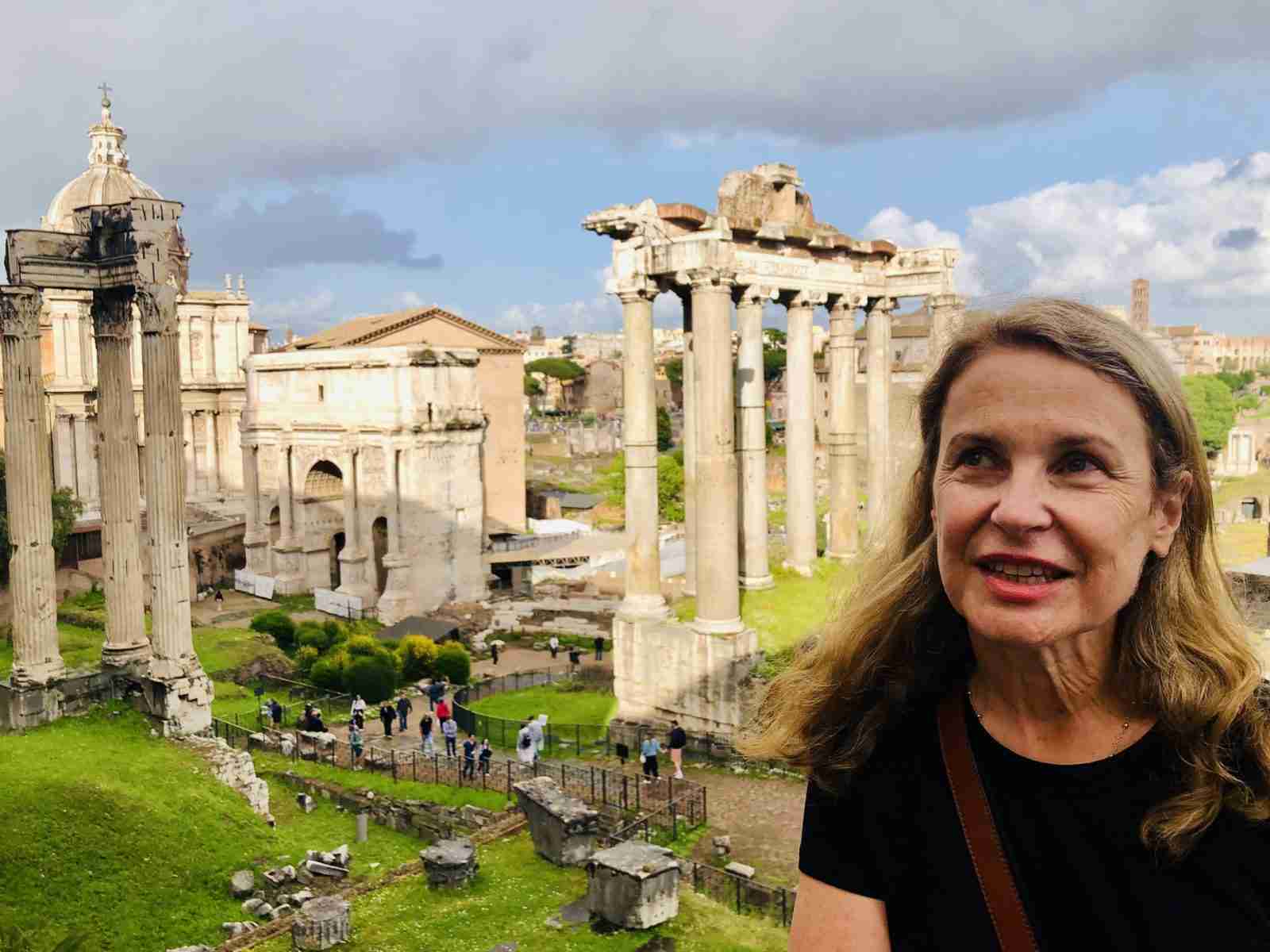
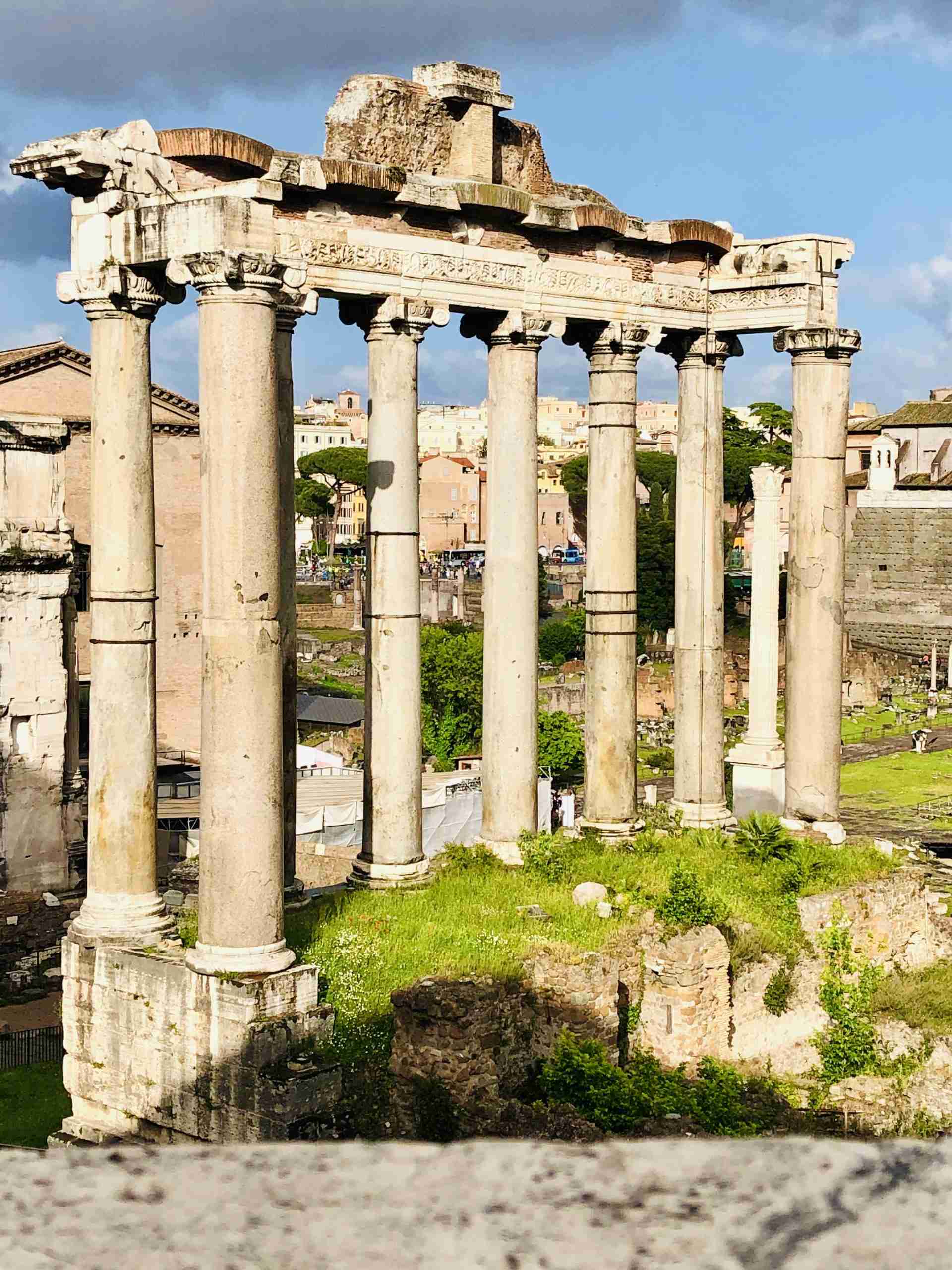
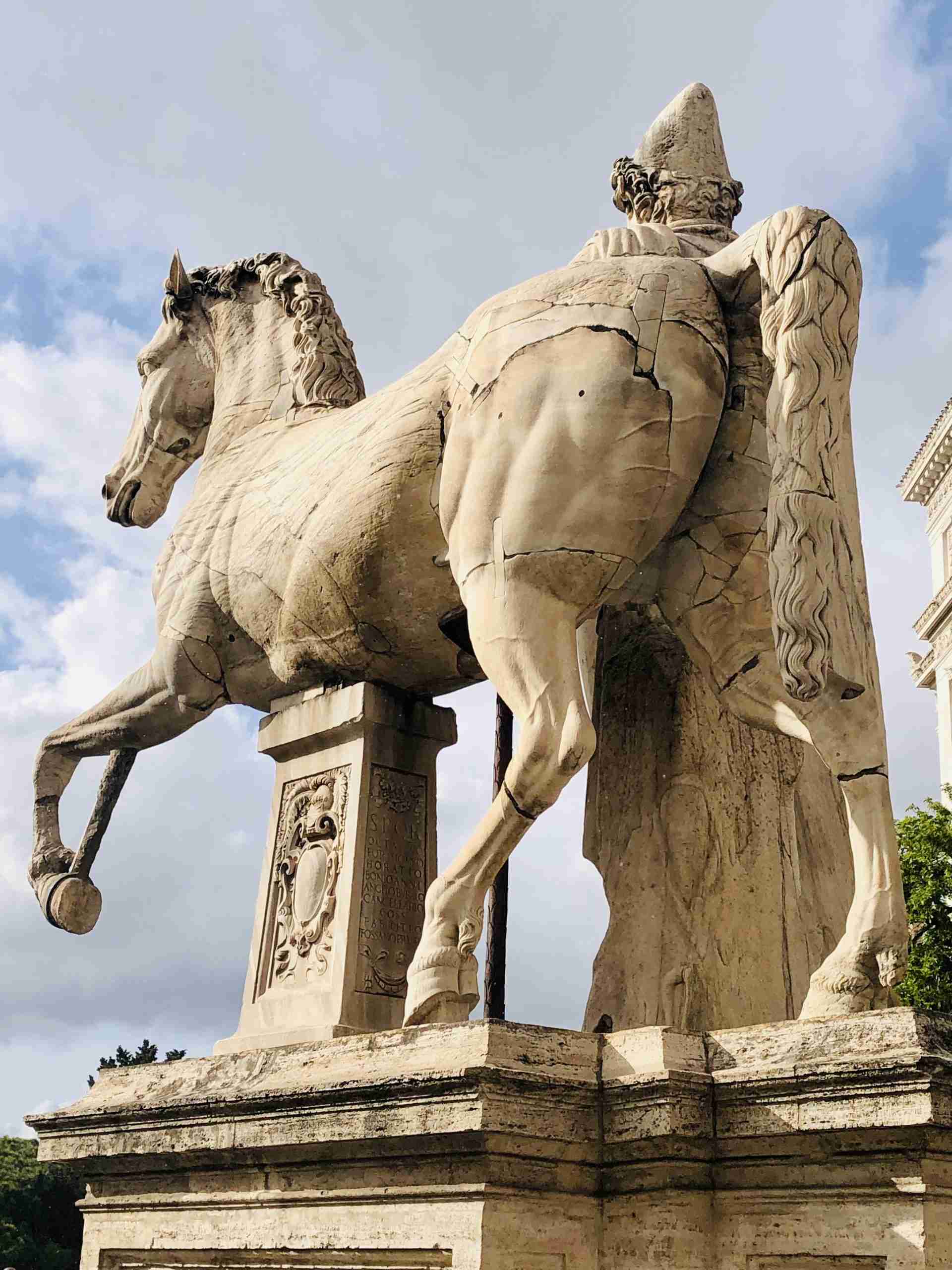
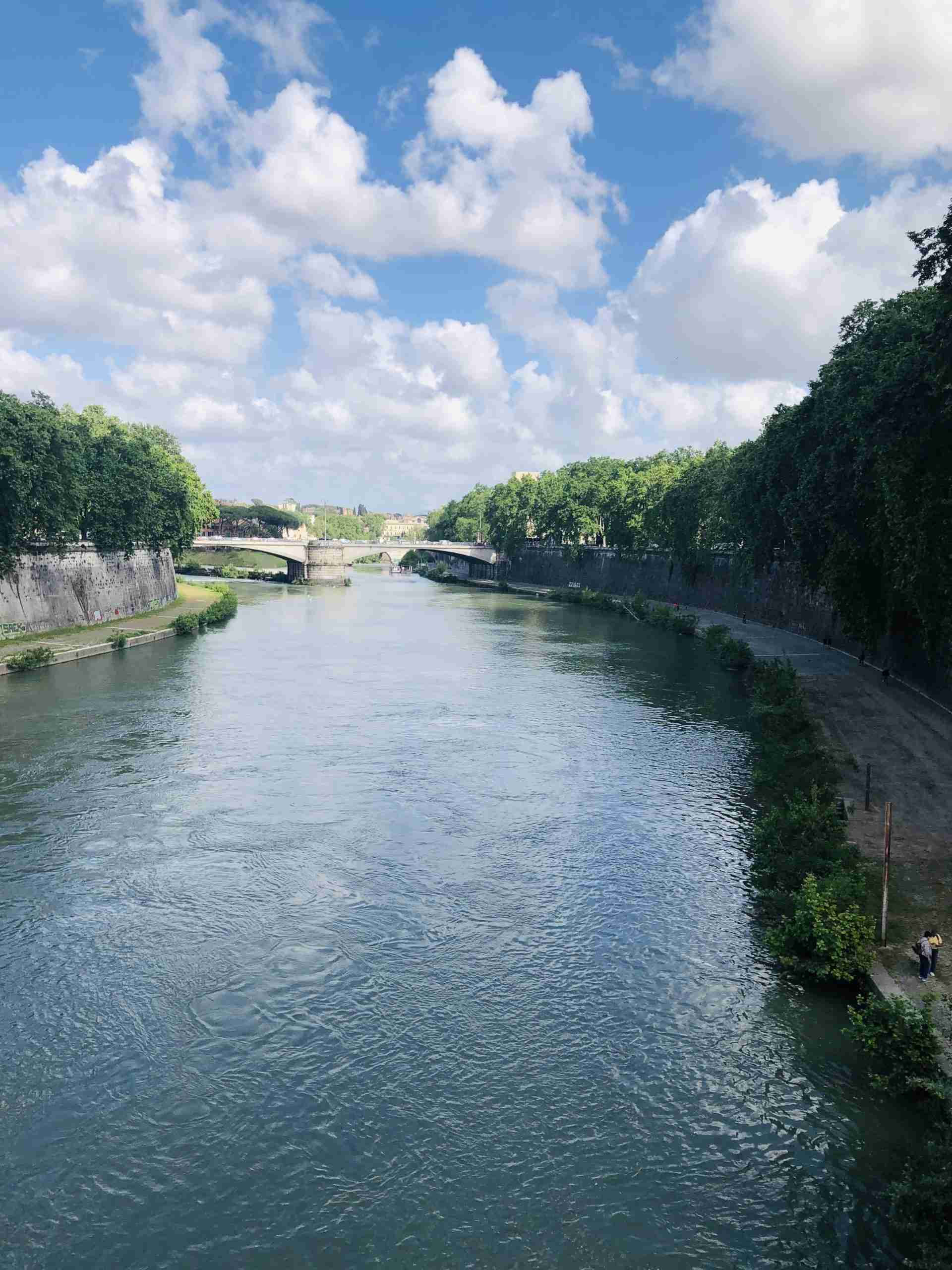
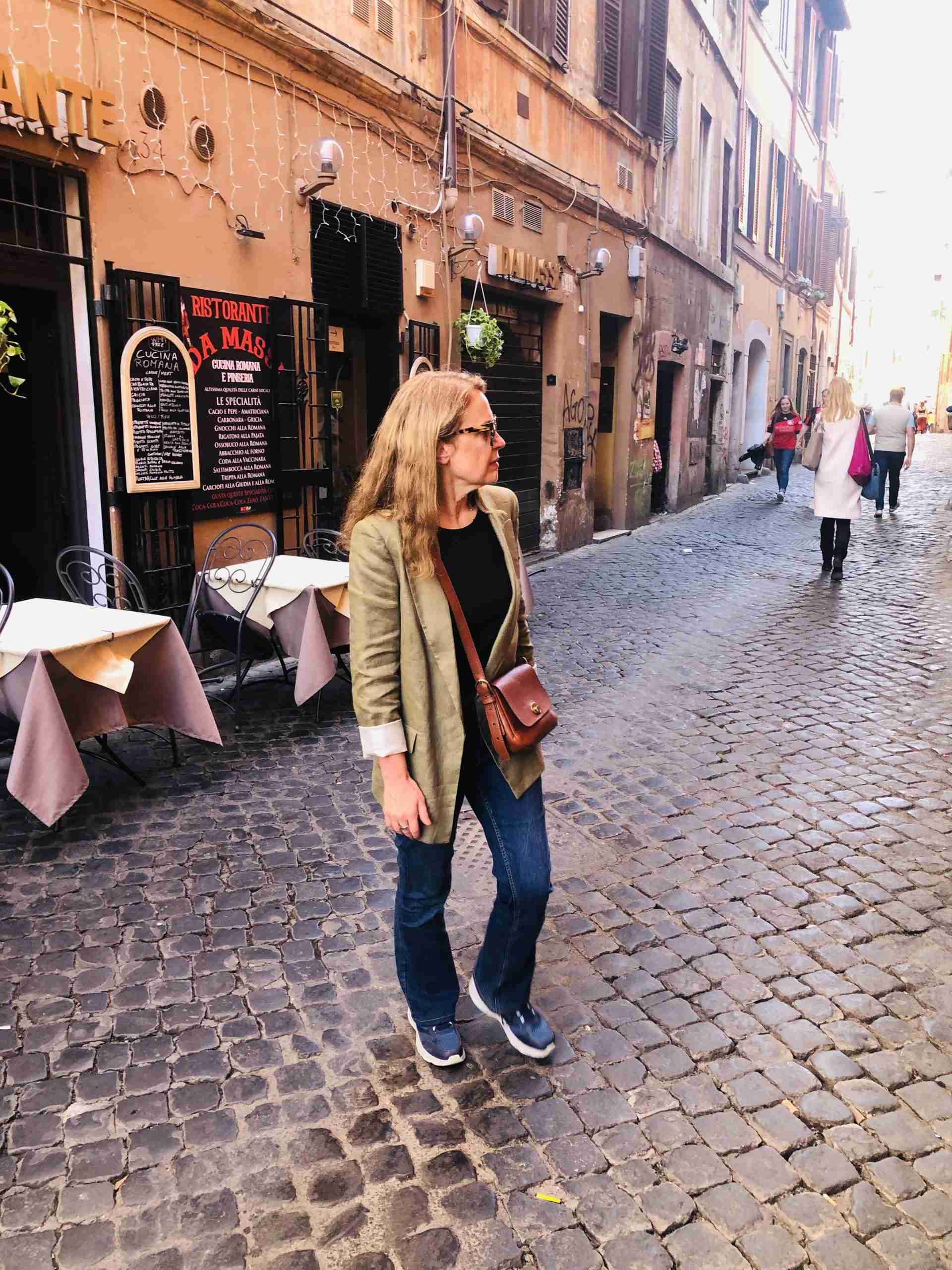
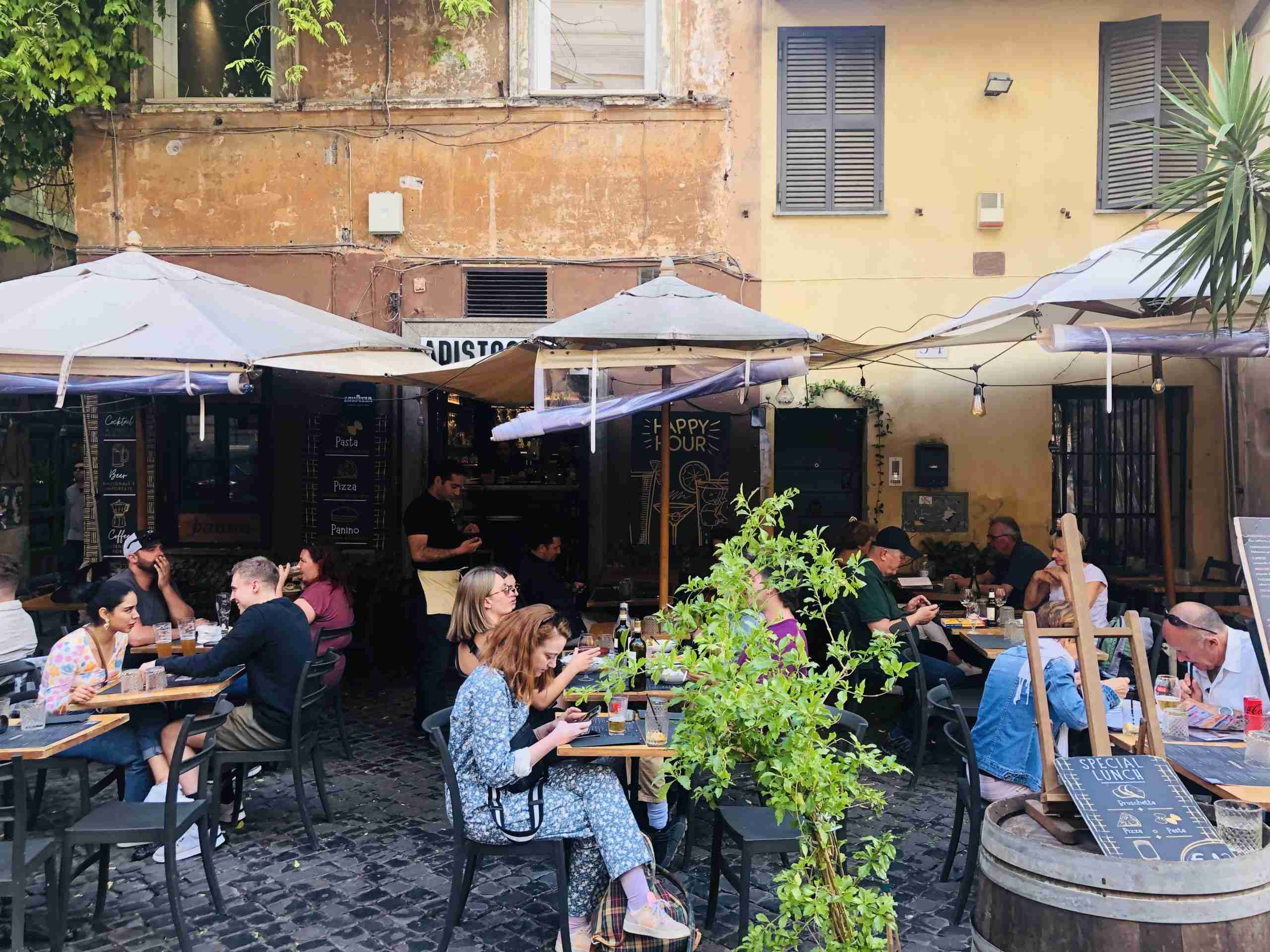
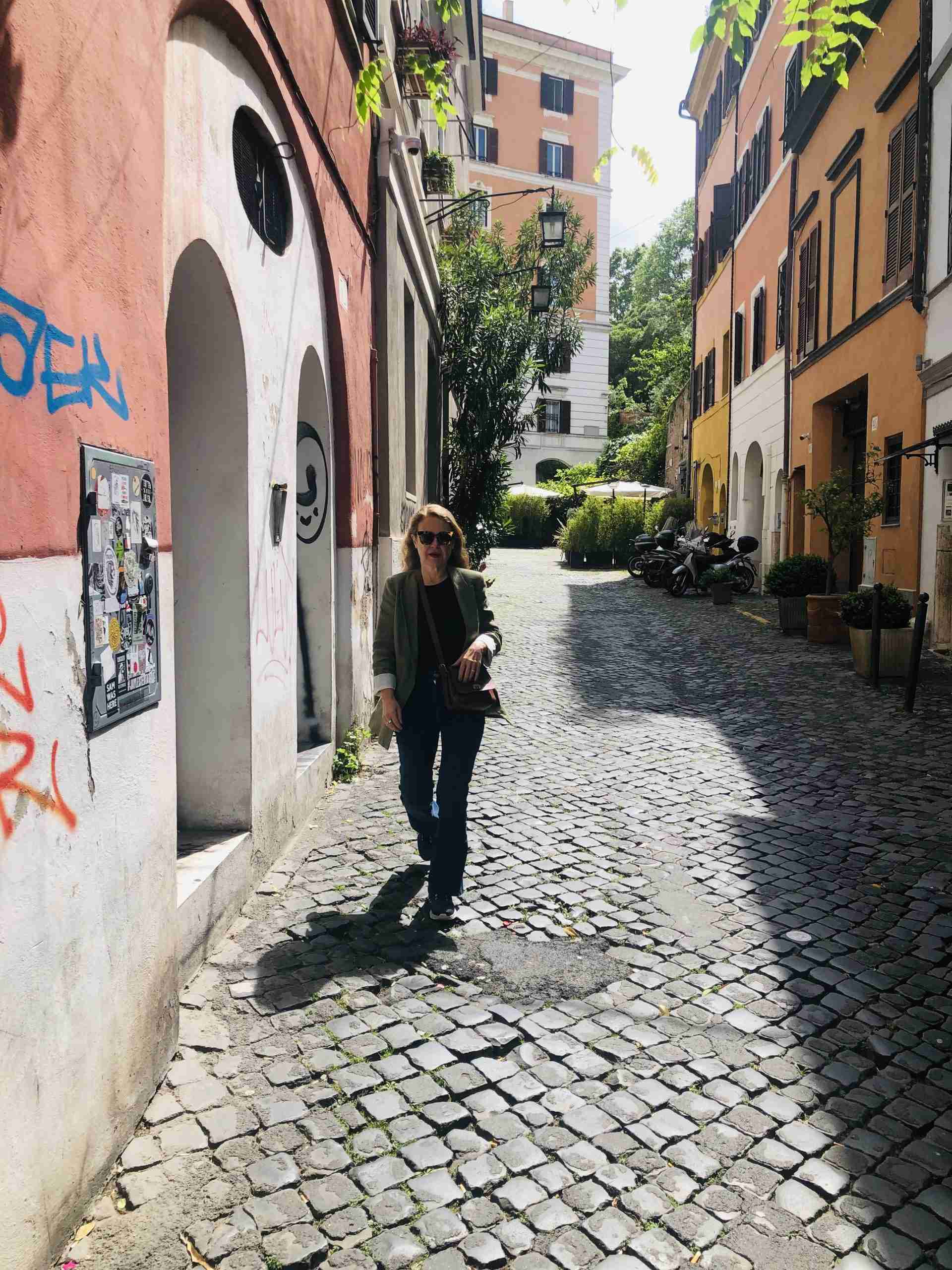
11.30 a.m
We are back in our apartment. It is our safe little womb where we come to withdraw from the immensity and intensity of Rome. We set out at 8 a.m and walked over 10km, past the Pantheon where we will return on Monday and then onto the Trevi Fountain and The Spanish Steps, must sees on the Roma tourist trail. Even more amazing than these iconic Roman locations were the people taking selfies and posing for photos in formal clothing with pouting lips and strange Kardashian looks on their made up faces. We have arrived at a very vain place in time with people not so much interested in where they are going just as long as they have a photo of themselves being there. The empty backstreets are far more interesting for me.
Our walk this morning was fabulous. A perfect time to get away far from the madding crowds. An a very appropriate phrase for Rome, “Far From the Madding Crowd” comes from Thomas Gray’s famous 18th-century poem “Elegy Written in a Country Churchyard”: “Far from the madding crowd’s ignoble strife, Their sober wishes never learned to stray; Along the cool sequestered vale of life They kept the noiseless tenor of their way.”
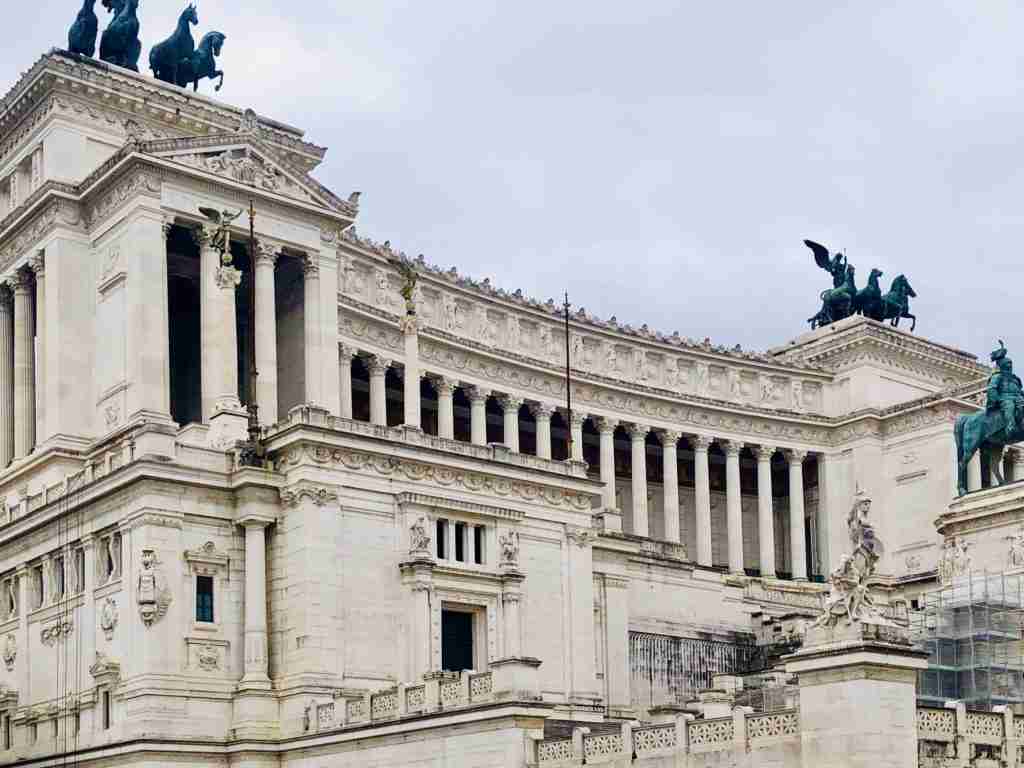
Georgie warned me that it was going to be cold, it was 13 degrees when we set out. I had my walking shorts on and a tee shirt, thank god she talked me into wearing a thin jacket! Half way through our walk it started to rain, lightly but enough to put a shiver into our skin. We walked away from the Trevi Fountain which we had come across again and without realising where we were ending up at the Victor Emmanuelle Monument but from a different angle than our first visit. It somehow not only looked more familiar today but also more impressive. The Victor Emmanuel Monument, also known as Altare della Patria (Altar of the Fatherland), is a grand architectural landmark located in Rome, Italy. Constructed between 1885 and 1925, the monument commemorates Victor Emmanuel II, the first king of unified Italy. It stands prominently in Piazza Venezia, near the Capitoline Hill. The monument’s design features a colossal marble structure with Corinthian columns, statues, and reliefs representing various allegorical figures and historical events. At the center of the monument is a statue of Victor Emmanuel II on horseback. The Victor Emmanuel Monument serves as a symbol of Italian unity.
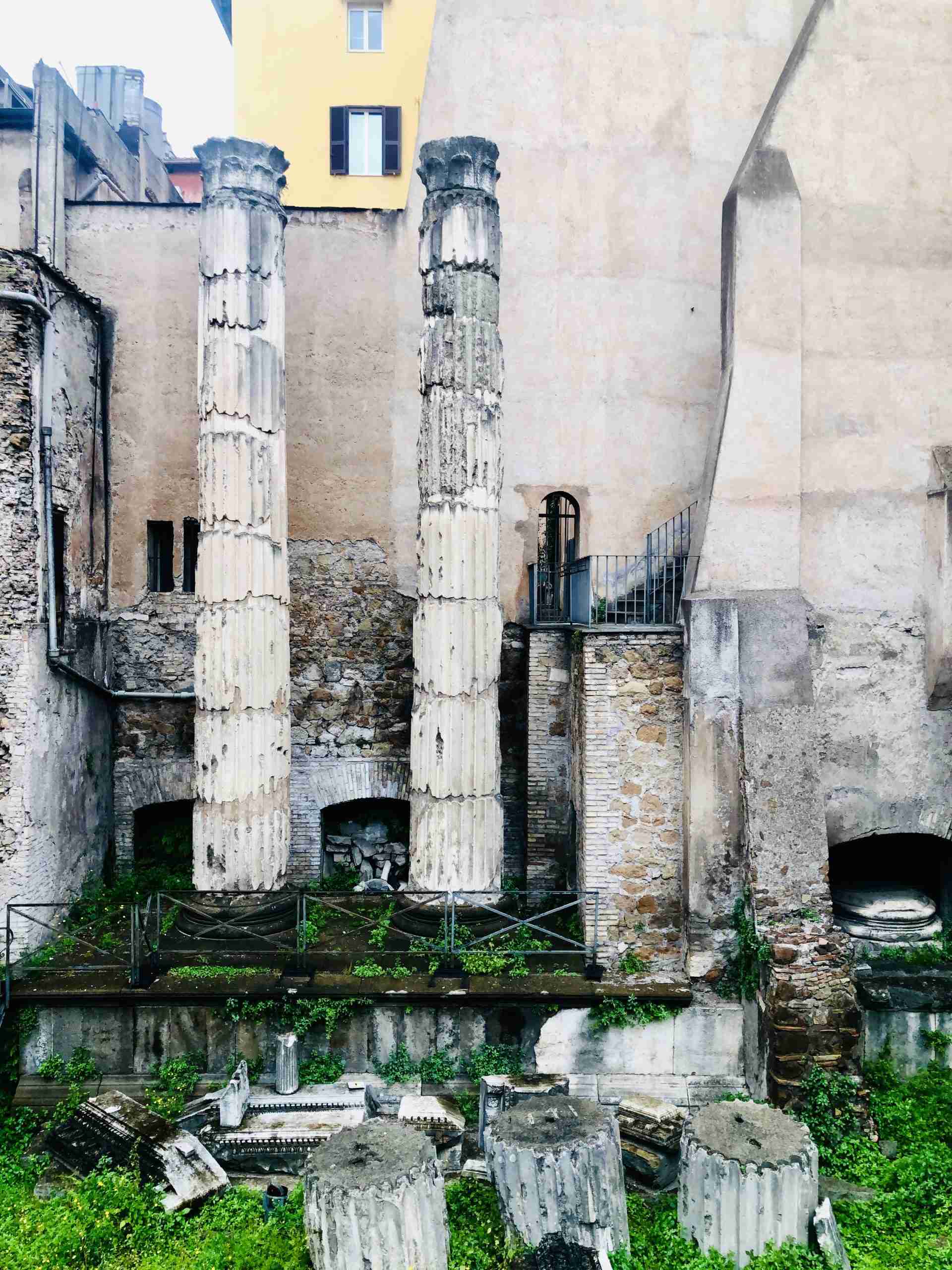
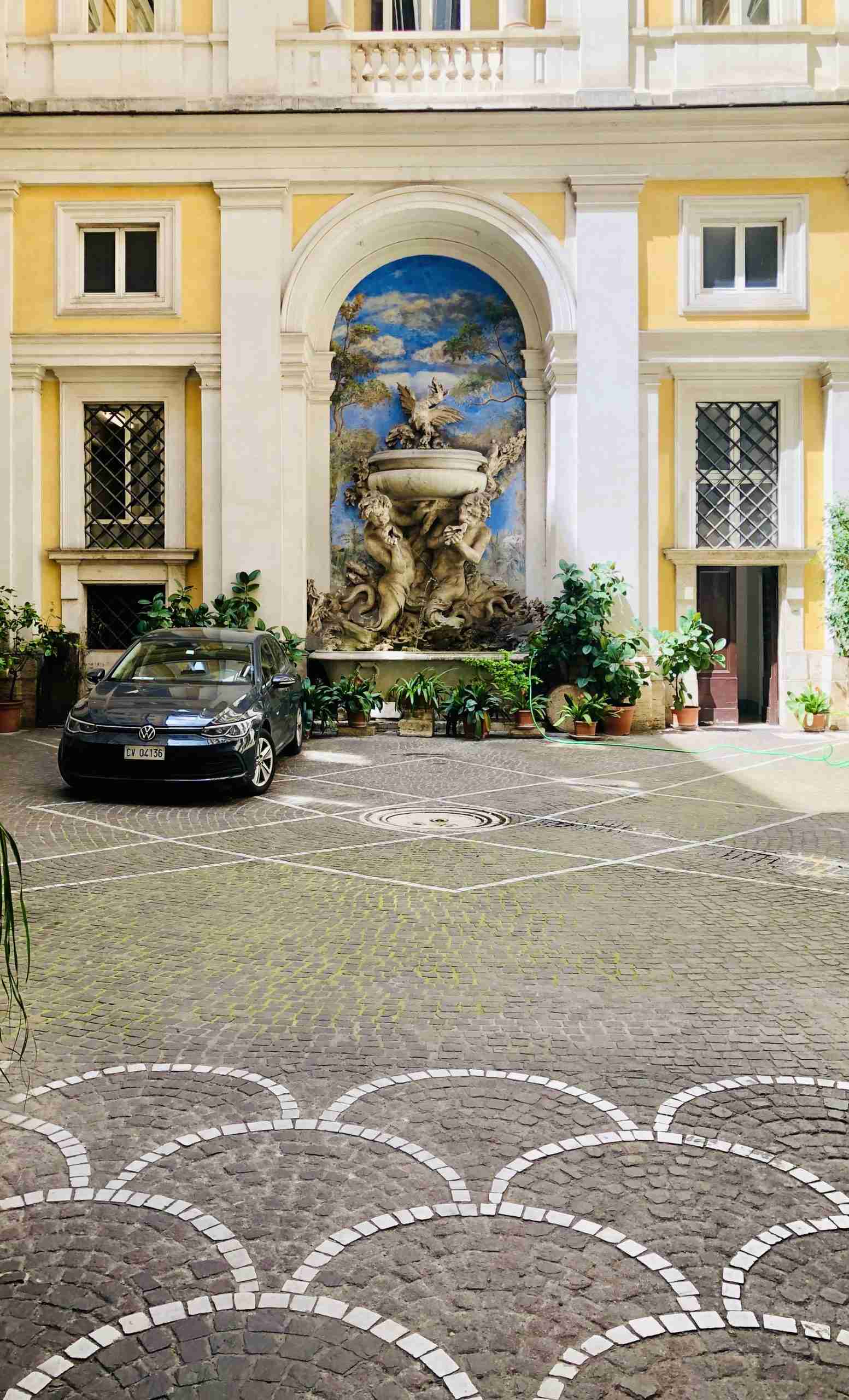
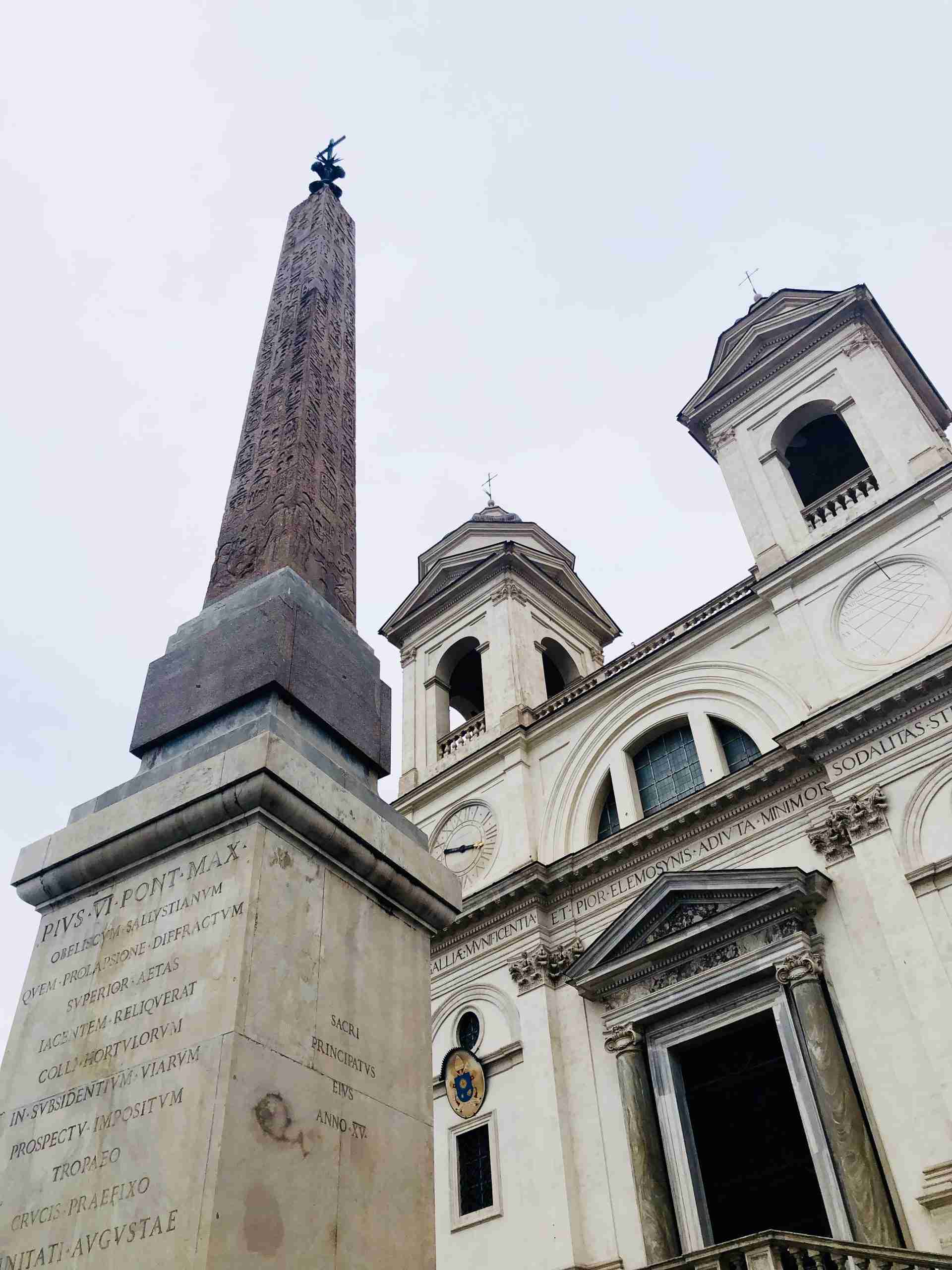
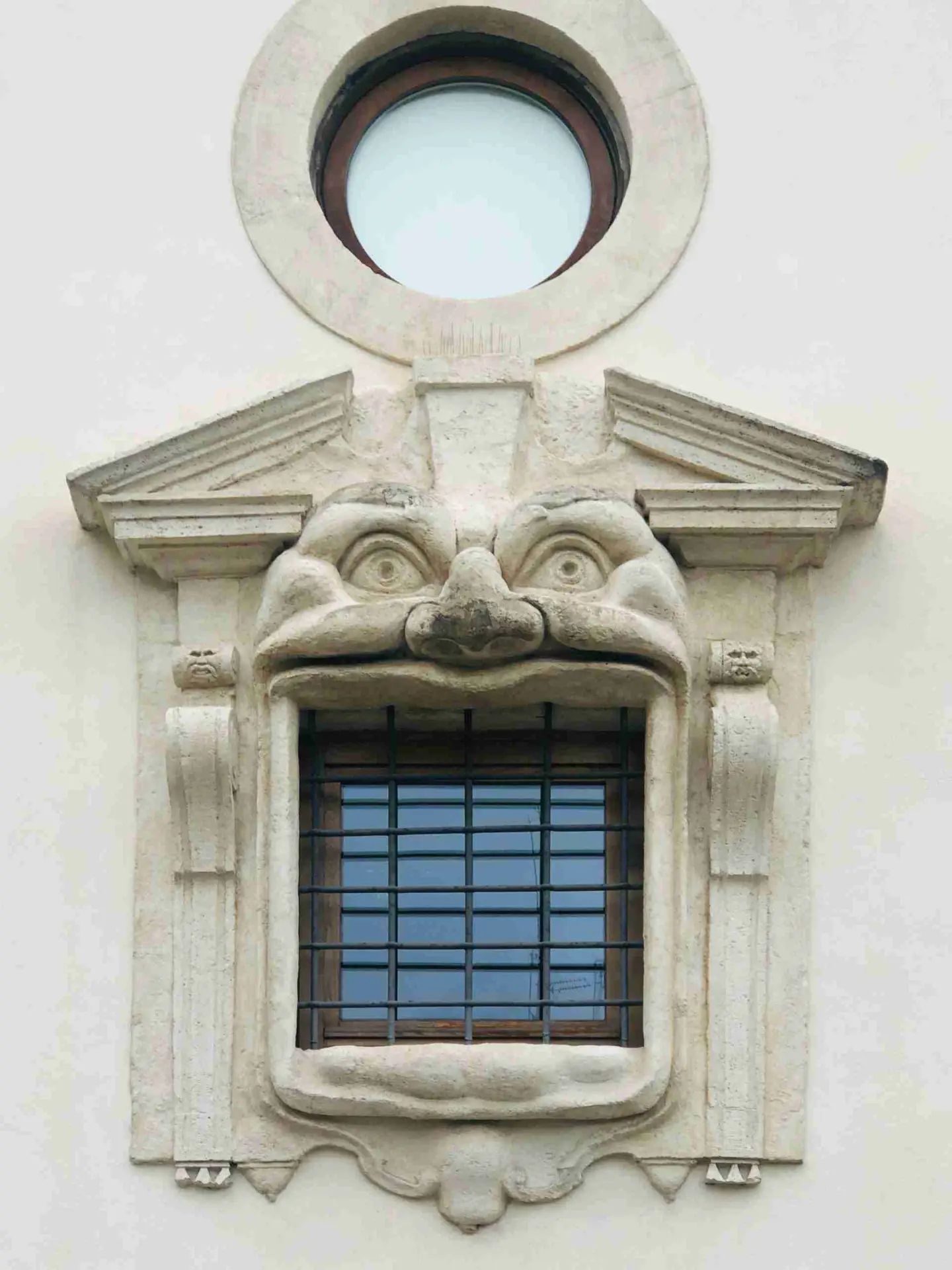
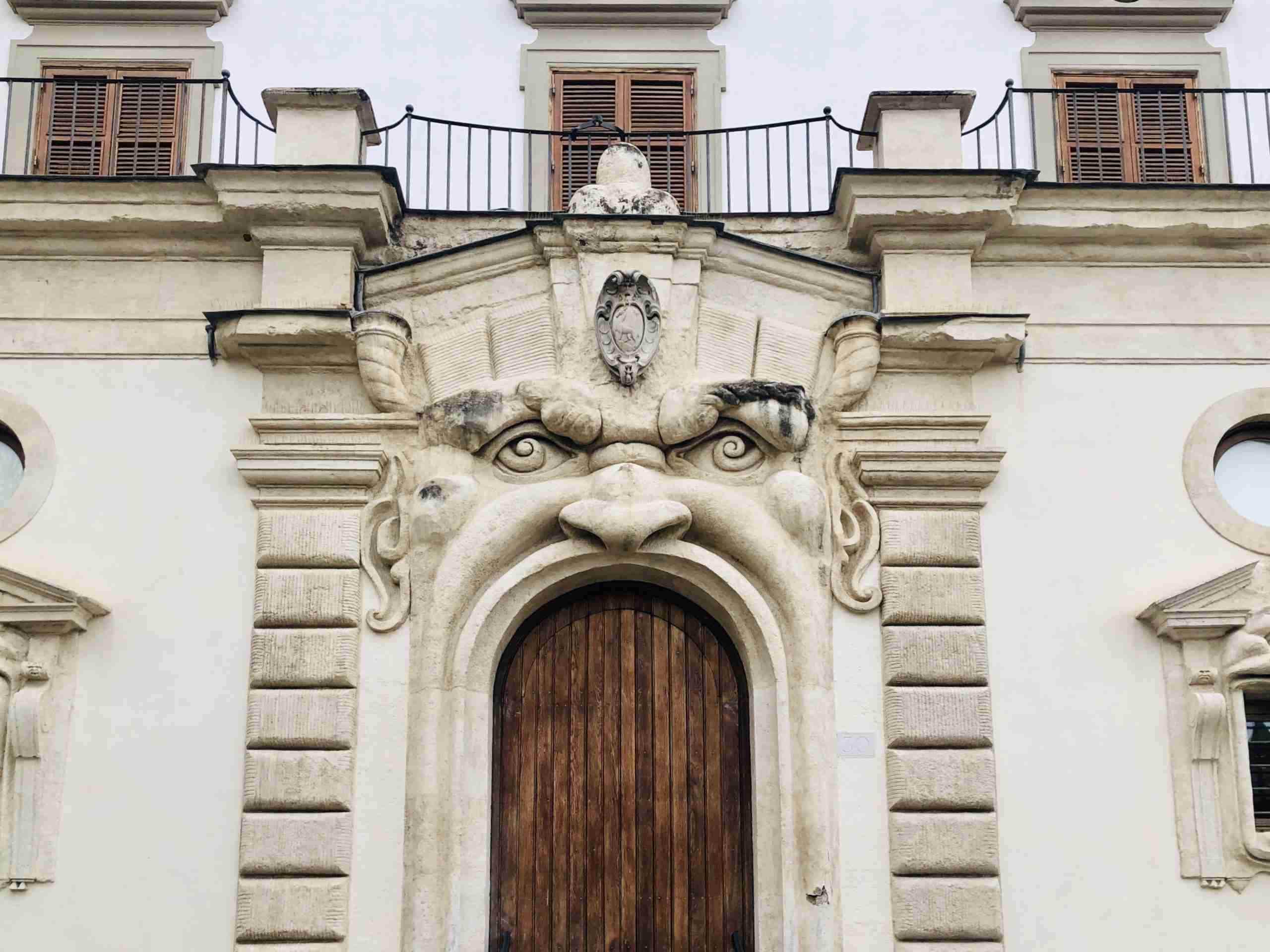
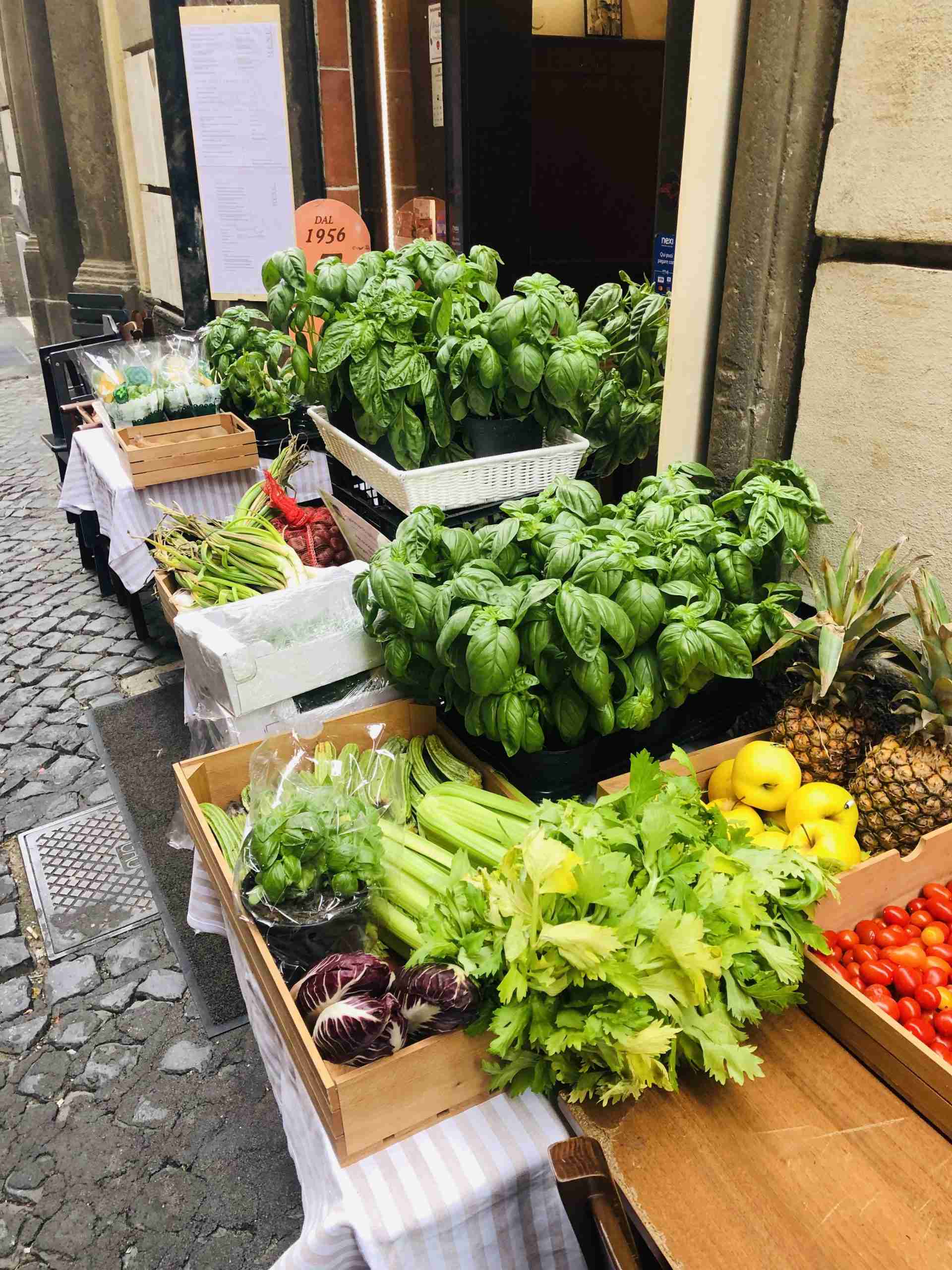
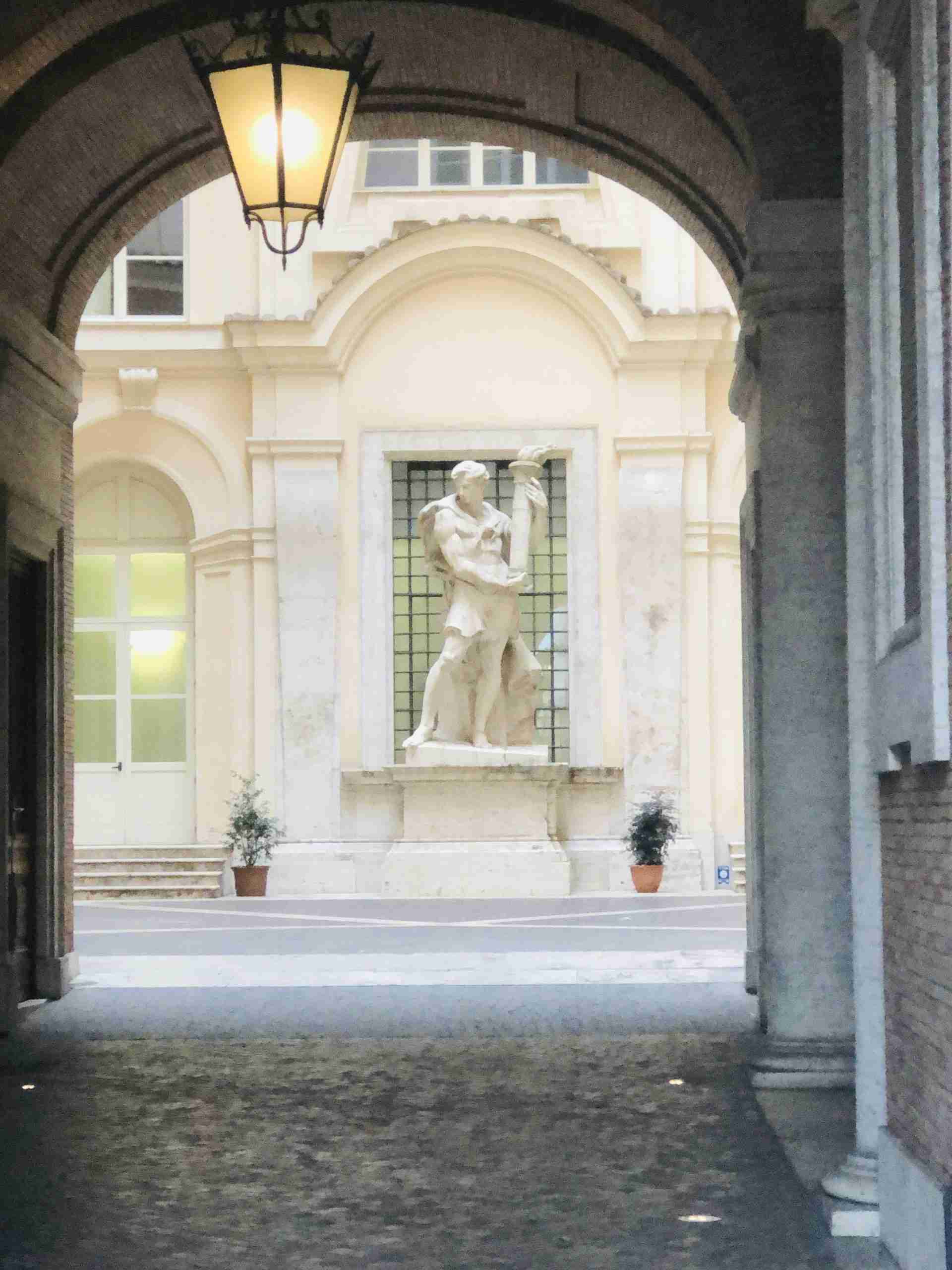
I am starting to feel settled in now after 2 days in Rome. We’ve just hung out in our apartment for a couple of hours, I’ve cooked another pasta dish and gone back down to the market and the local shops. We dropped into a cheese shop on the way home earlier and bought some feta, pesto and delicious butter. We may be spending a bit on supplies but it’s a far better experience and cheaper than eating in restaurants plus we are now eating vegetables again.
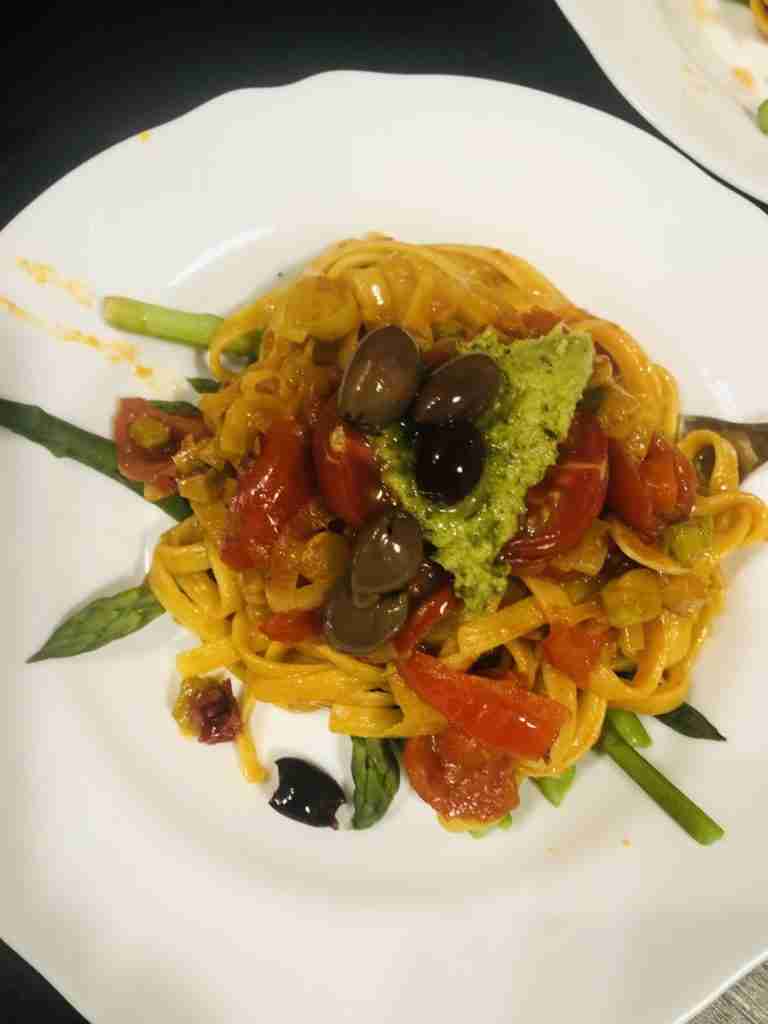
Friday May 12, 2023 Roma
Steps today – 28,943 : Calories – 3,535/1,332
When I opened my eyes this morning at 6 I looked across and Georgie was reading her iPad. The sun comes up earlier in Rome so there was a bit of light making its way through the cracks in our small window. We could have got up there and then but we reached a tacit agreement that we were both exhausted from our holiday so far plus the simple fact that we haven’t had 8 hours sleep for over a week. We went back to sleep until 8.30. Now it’s 9 a.m and I’ve showered, it’s time for a coffee seeing I can use my percolator at last.
First impressions of Rome? It’s big, a patchwork of old, new and not so new. It rained at about 4 p.m yesterday then it stopped. It seems unpredictable too me which I should be delighted about. The Renaissance is everywhere, ancient Rome is visible in the midst of all of this, the city is a bit unkempt, a bit rundown, a bit chaotic, a bit grand. It’s a “bitsa” city evolved over several thousand years, ravaged by fascism during the 1930s and 40s plus whatever else has happened since Romulus and Remus were raised by the wolf. The outskirts of the city seem to be poor, full of old decaying apartment buildings reminiscent of what I saw on the TV series “Gommorah” about Neapolitan criminal street gangs. These are all first impressions. But I’m starting to scratch the surface and will probably fall in love with Rome by the end of the day.
Next step is to walk down the 2 levels of marble stairs and make our way to the Testaccio Food Market to buy our food supplies for the next 5 days. Oh, and I’ve found a great Spotify playlist of incredibly daggy but familiar 50s Italian inspired music that I last heard when I was a kid.
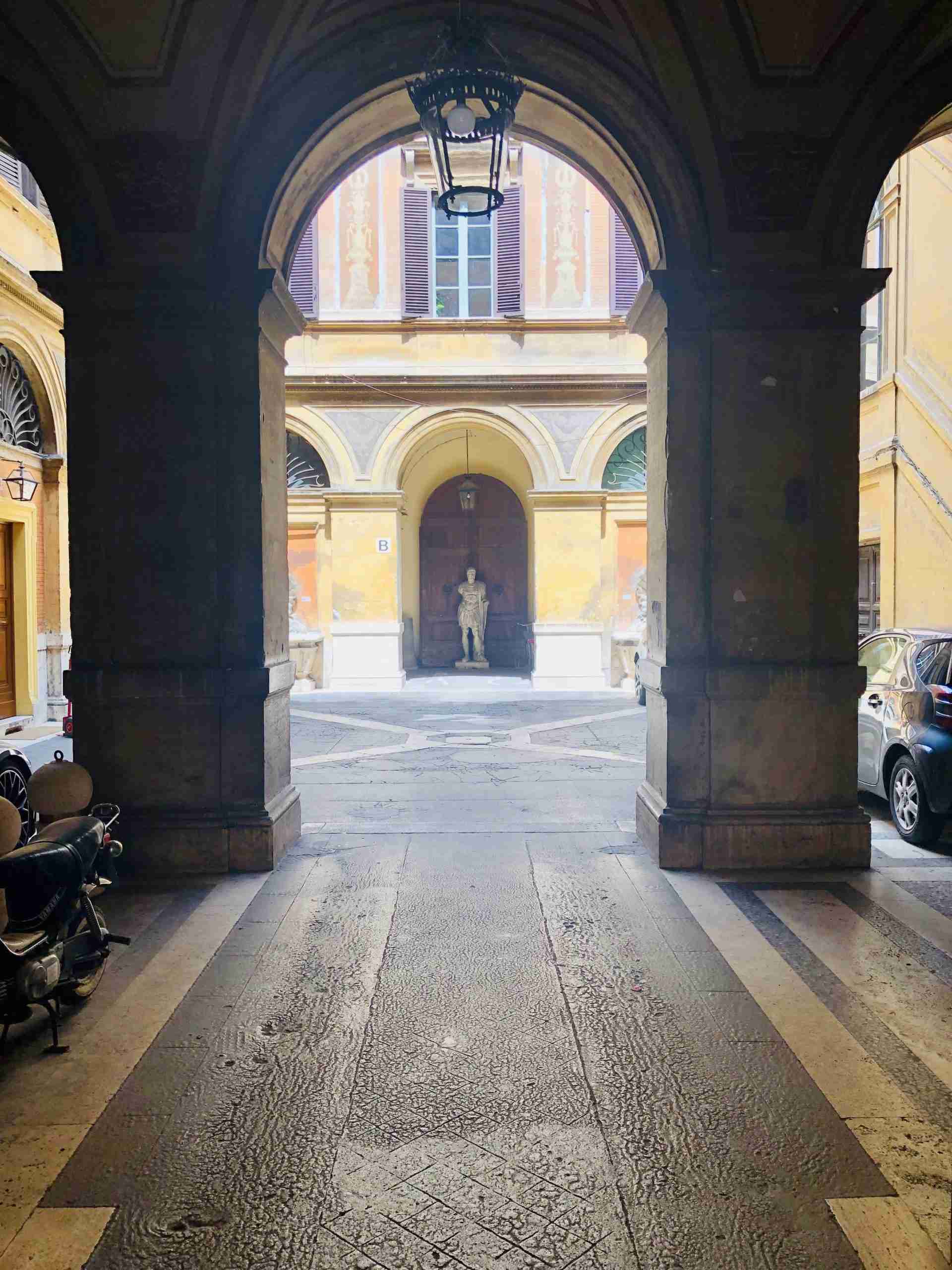
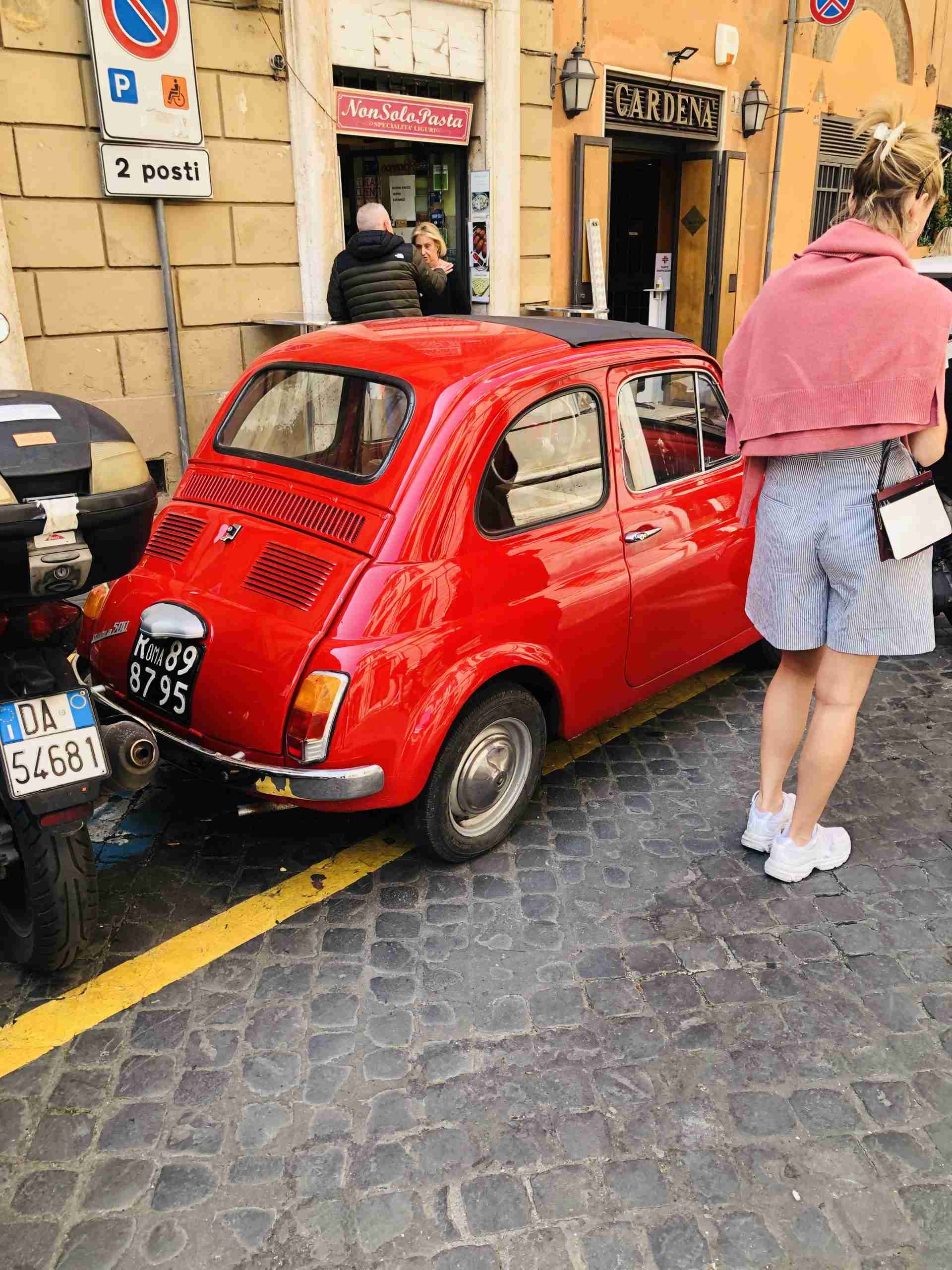
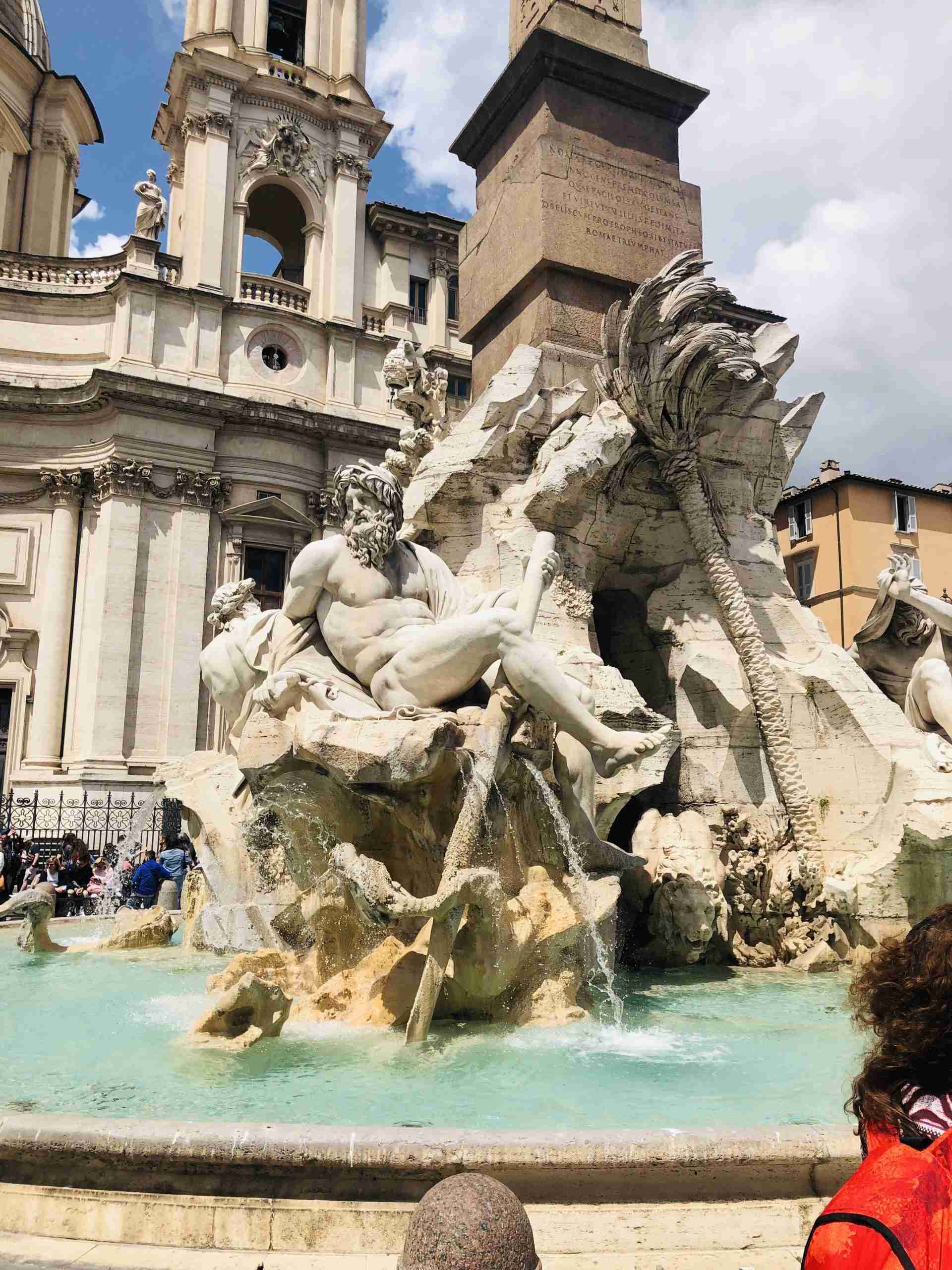
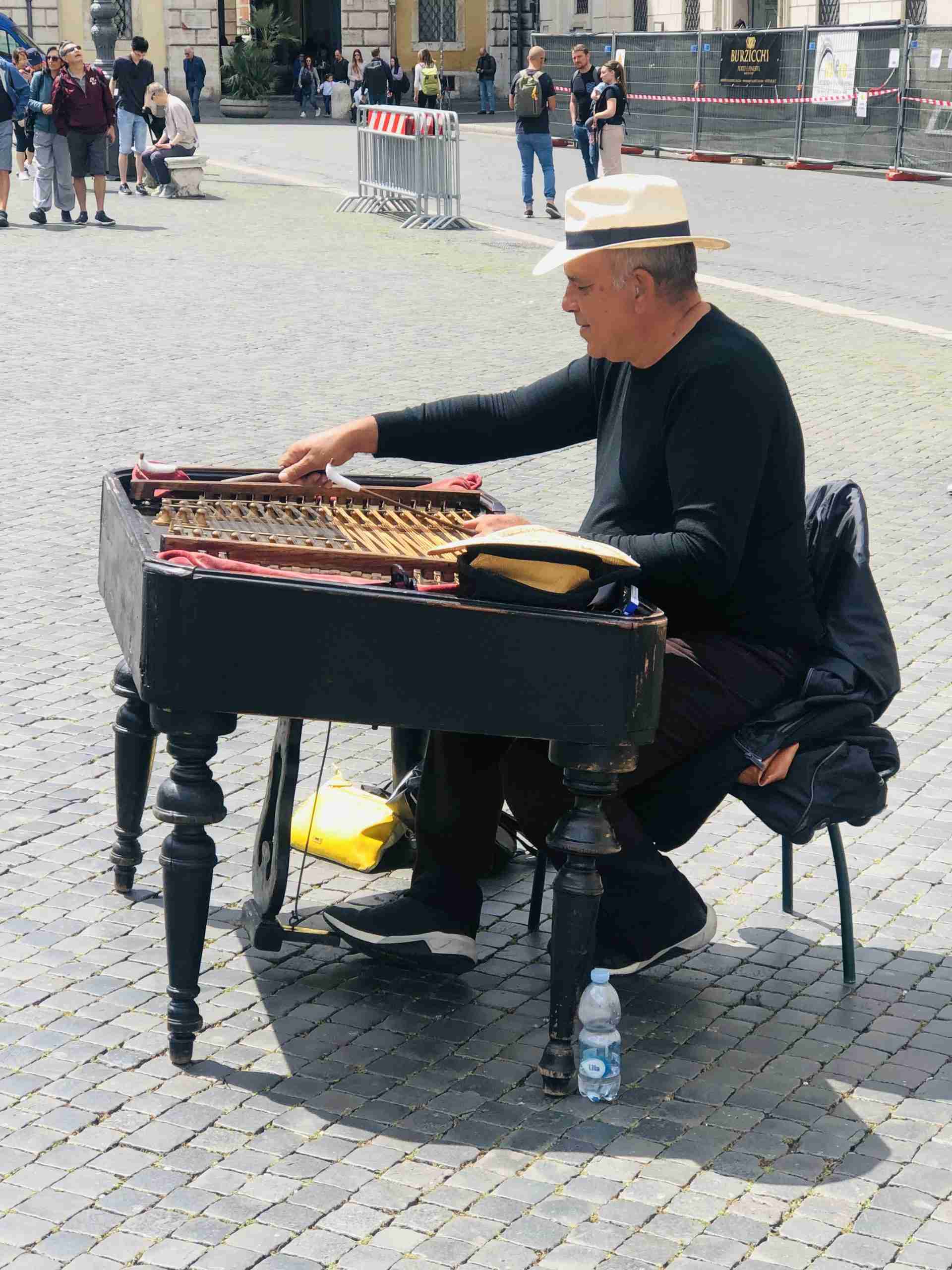
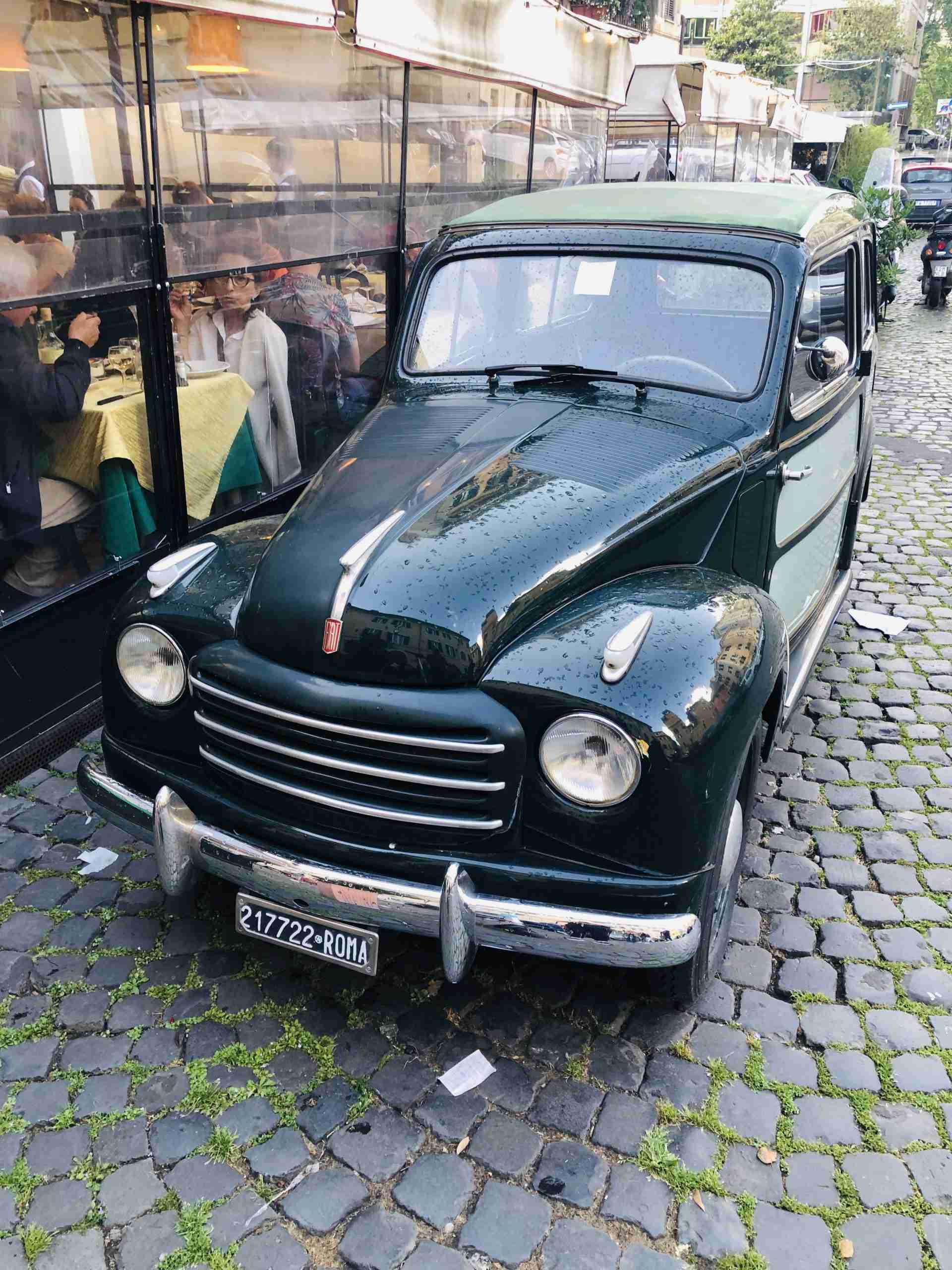
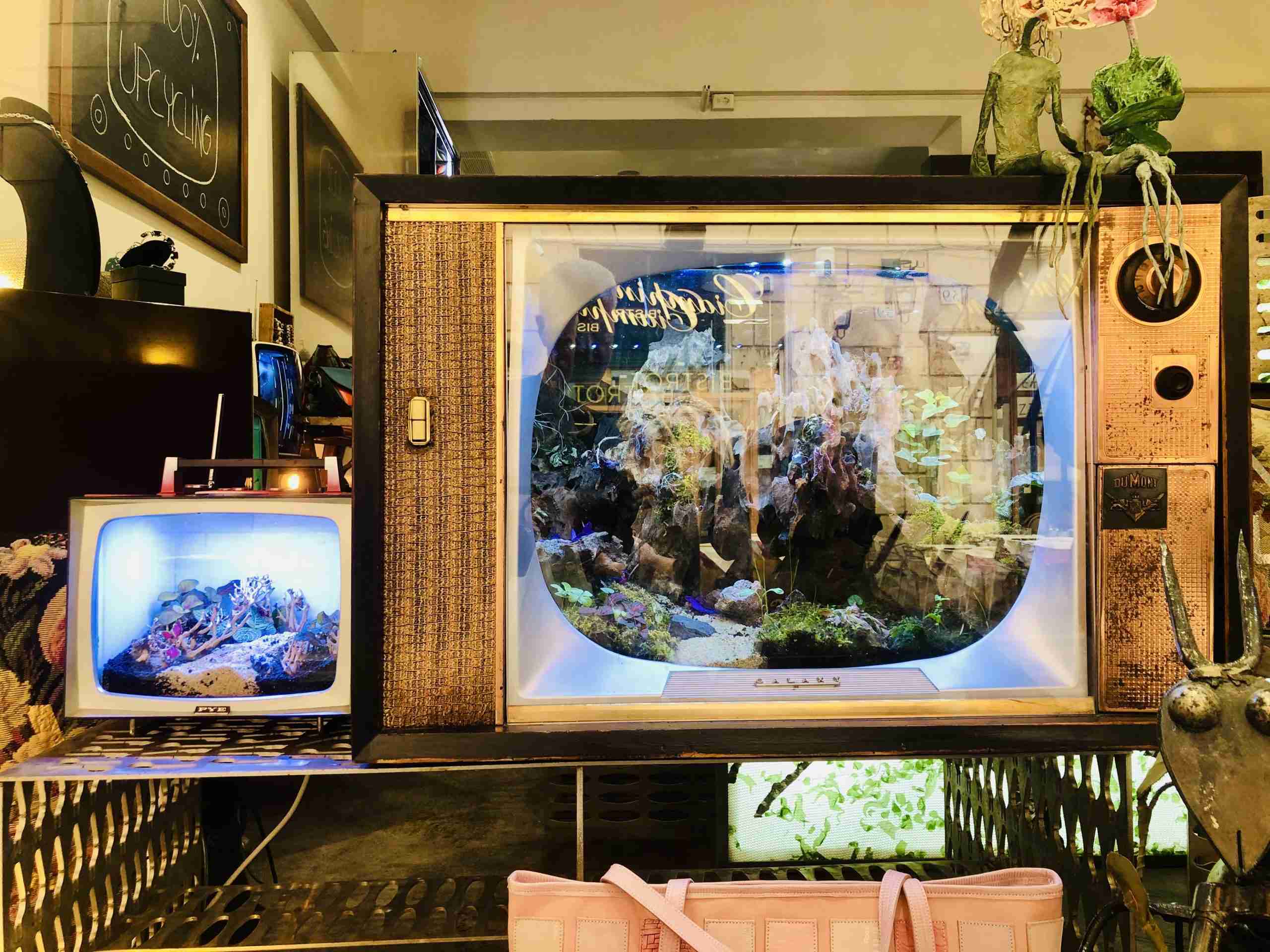
We ended up going to our local street market which is only 5 minutes away. This was a good call because almost everything we needed is there. Looks like Testaccio Market will have to wait for another day. I bought asparagus, eggplant, zucchini, capsicum, leek, garlic, chillies, tomatoes, onion, olives, parmesan, gorgonzola, lettuce, tomato paste, pasta, strawberries. We bought a small half loaf of bread in a bakery plus 2 croissants and we were set. I’m happy now that I have my own ingredients. All in all we spent around 60 euros which is just under $100 Australian, not cheap but well worth every cent. I made 2 big sandwiches to take with us on our walk … tomato, lettuce, gorgonzola, salad onion, olives. We devoured them in a park overlooking the Vatican City which loomed up in the distance.
We set out at 10 a.m to explore the historical centre, unfortunately we had left it too late and the sites were inundated with tour groups. We walked through another big street market which was huge compared to our local but I’m pretty certain that this one was mainly for tourists. I checked out some olive oil but it was 30 euros for a normal sized bottle, must have been pretty special! We gave up on siteseeing the big piazzas and headed up a hill into Villa Borgese park to eat our prepared lunch. Then we crossed back across the river and made our way back to Trastavere.
I’m still in 2 minds about Rome. I thought that I would have fallen for the city by now but it’s still a love, hate relationship. I don’t think that I’m going to connect with it the way I did with our other destinations but that is yet to be seen. For me it lacks civic pride, the parks are unkempt with long grass and weeds, the streets are dirty with too much rubbish and cigarette butts, the buildings are big Renaissance structures that I’m not a big fan of. I’m more into the intimate building and temples in Asia like Angkor Wat, Borobudur with their intensely detailed carvings and delicate architectural features. I do love Trastavere though, I feel totally at home here, most things are on a smaller scale and there is a much greater community feel.
When we got back to our apartment around 5 p.m I made a pasta using all of the ingredients that I picked up at the market in the morning. I’m a vain cook who usually loves eating his own food so I’ll say that the pasta dish was delicious, even better than the restaurant pasta that I had yesterday. I’m loving having my own kitchen albeit a very small one.
Georgie is having a rest now, it’s just after 6. I’m having a haircut at 7 p.m and then we’ll stroll through the streets of Rome a bit more to continue my quest for love. Don’t get me wrong, I sound like I’m bitching, I am really happy being in Europe. It’s Day 12 and we’ve seen and done so much. It’s hard to believe that it has now almost been a week since we left Barcelona.
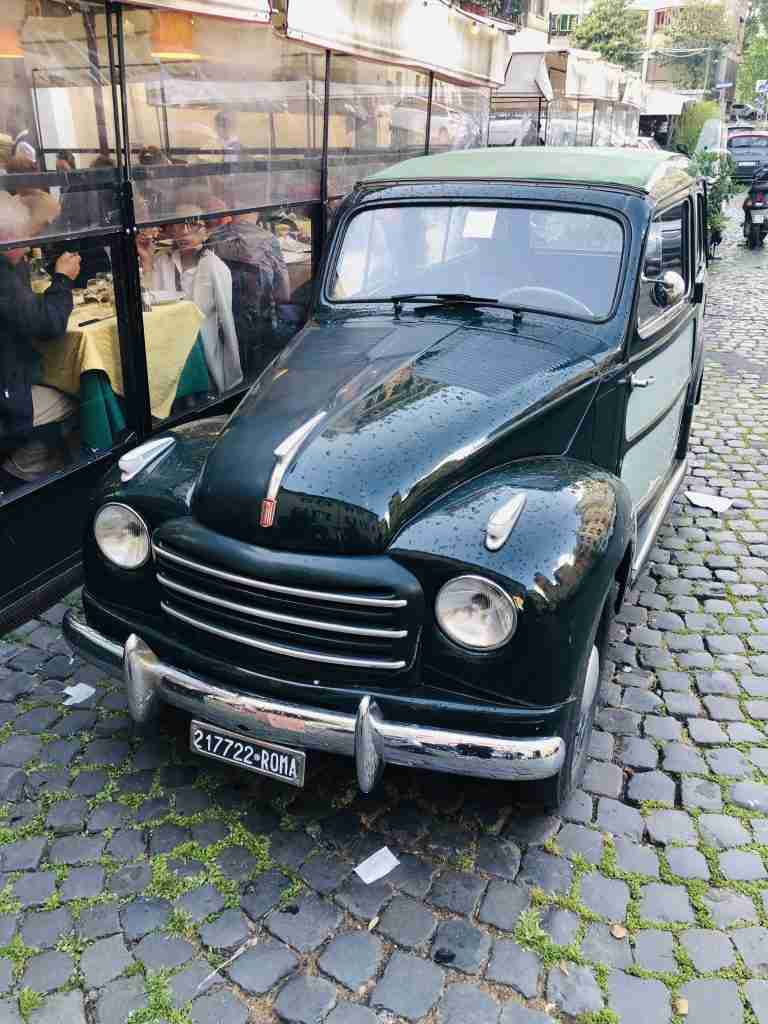
I got my haircut with Stephano not too far from our apartment and I’m really happy with it, it cost 20 Euros and took over 30 minutes, problem was that his debit card machine wasn’t working so we had to walk back to our place, get a card and go to an ATM. Georgie suggested that we walk to the Vatican City tonight. We’ve just returned home, my feet feel like they’ve been dipped in a vat of burning hot oil. Once again Rome made me scratch my head, the roadway up to St Peter’s Basilica was just plain dirty with homeless people bedded down for the night. I suppose that I was expecting a pristine roadway leading to the home of Catholicism.
Today has turned out to be our second biggest walking day yet. We’ve done just under 29,000 steps. Holy shit. No wonder I’m ready to hit the sack. Oh, by the way we indulged after paying Stephano and bought ourselves a gelato each. It’s 9.30 p.m and there are still thousands of people roaming around Trastevere, queuing up over 100 metres outside Tonorello’s waiting to get a table and also outside other restaurants.
Thursday May 11, 2023 Seville/Rome
Steps Today – 19,625 : Calories 3,275/1,068
We both set our phone alarms for 6 a.m but they didn’t have a chance to go off. Why, we’ll we were both anticipating our trip to Rome later today so much that we woke at 5.30 a.m. It is still dark in Seville, very dark because the time is out of whack due to the EU time zone conformity. This means it doesn’t get dark until somewhere between 9.30 – 10.00 p.m, god knows what it will be like when summer hits.
We ended up doing just under 25,000 steps yesterday which is our second biggest walking day on the trip so far, this will surely make up for the ice cream and cake we ate yesterday. The bloody cake was a complete travesty and also a huge disappointment mainly due to the simple fact that I had been eyeing them off for the past 2 days. They looked like oversized gargantuan albino vanilla slices which created the illusion that the cake was full of some sort of yummy virginal creamy stuff, well it turned out to be a sweet meringue that was bloody horrible and a complete waste of my sugar allocation. Talking about food, it hasn’t been easy to eat healthy in Spain mainly due to a) what is available b) not being able to read Spanish and C) trying to economise after spending more than planned in Barcelona. Thankfully we had a kitchen area in our Seville apartment which allowed us the luxury of creating crusty bread rolls full of cheese, ham, tomato and capsicum which served a strange purpose that seemed to transcend the why one eats food in the first place. Thank God for Australia and Bali, loads of salad and veggies always available at reasonable prices. I could be wrong but I really didn’t see much brightly coloured vegetation on anyone’s plate. It will be interesting to see what happens in Rome where we have our own kitchen and can prepare our own meals.
Georgie has booked an Uber for 7 a.m which will take us to the Airport, probably the same one that I went to in September 2000 with Allissa when we travelled from Seville to Paris to meet up with Paul for his 21st Birthday. That’s another story from another part of history but one worth writing about sometime.
Seville was a bit like being in a museum, interesting, beautiful, classy but a bit like looking through a glass barrier. The immediacy and inspiration that abounded in Barcelona and Granada didn’t seem to permeate this invisible wall. Still, I’ve enjoyed being here and I’m glad that we came.
Apparently we will be leaving the summer behind in Rome where it is around 20 degrees as opposed to the mid to high 30s that we’ve experienced in Seville.
We’ve just arrived at Seville Airport on the way to visit The Pope.
I’m not certain what to expect in Rome. This will be my first brand new cultural travel experience since we went to Scandinavia in 2014. The closest I’ve been to Rome is Lygon St in Carlton, Fellini and Nino Culloto’s “They’re a Weird Mob”, not that it was set in Rome but Walter Chiari was great. I’ll be the weird one in Rome though. I’ll try hard not to be too Bazza McKenzie, just Gazza in Roma.
I’m living a lucky life. Thank God that moving into my eighth decade hasn’t been too much of a challenge, in actual fact it’s been the opposite, that’s why I’m lucky. I wake up every morning full of hope and excitement in anticipation of some new experience, idea or inspiration.
We walked to Triana on our last night in Seville. This was the one place where the glass wall that I mention earlier disappeared, just across the river but a different world. This was a real world with real people doing real things. When we were there in the morning all I could see was food, mainly because we couldn’t have any … every shop seemed to have something worth eating, it’s interesting what happens when you can’t have something, later in the evening all I could see were people eating, walking and talking.
We are in Rome for the next 6 nights.
Now that I am on the subject of food I can see why it is so hard for most people to adopt a truly strict keto regimen. Once you really do fall off the wagon, especially when you are on the road it is so, so hard to get back on. Apart from delicious carbs being a trap what I’ve noticed is that I am always hungry. We are still sticking with out intermittent fasting although even this is harder. For example, it is only 10.15 a.m and I am genuinely hungry. We have been lasting to noon and then eating which is better than not doing it at all but then I get undisciplined at night and eat late or fit something else in at 9.30. Carbohydrates, especially bread and grains in general create a vicious circle that seems to be hard to break.
Rome
We are in our apartment in Trastevere in the old working class area of Rome listening to daggy old Italian songs like Volare and Tarantella. Why not?
We arrived at Rome Airport after a smooth flight at 9.30 a.m from Seville then caught a taxi to Trastevere and arrived around 1.30 p.m. Due to the streetscape being cobbled and anarchistic we were dropped off a couple of hundred metres away and dragged our luggage over the cobblestones until we arrived at our apartment which went smoothly, even after carrying all of our bags up 2 flights of steep marble stairs. The place Georgie found is perfect, nothing flash and with only one window looking out to a wall in the bedroom but there is a kitchen with a stove, a table, a seperate bedroom. It’s great, fits our budget, I can prepare meals from time to time and it already feels like home especially after we totally unpacked our bags for our 6 night stay.
We ate lunch at Tonnarello Scala which is close to our apartment plus our taxi driver recommended it. I ate pasta for the first time in about 4 years, I’ve given up on keto for the time being. It has proven to be almost impossible to follow my normal diet. Apart from feeling bloated and having a stomach that feels like it is full of concrete I must say that it was delicious.
After lunch we went on one of our mammoth walks to get our bearings and experience a bit of Rome. Rome is a patchwork of old and older, all plonked together in no apparent order with the Tiber river running through the middle. After the sublime beauty and sophistication of Barcelona, the crazy beauty and exoticism of Granada and the grandness of Seville Rome is a visual and geographic mystery which I may take a few days to get accustomed to. I’m not one to get carried away just because buildings are old and have a history. The most important thing to me is that I connect emotionally and aesthetically. Apart from our neighbourhood which I love I haven’t really fallen in love with the city just yet. We’ve done almost 18,000 steps today already and there’s a good chance we will go out again for a short walk before we hit the sack, my feet are throbbing and my belly feels bloated but so far so good.
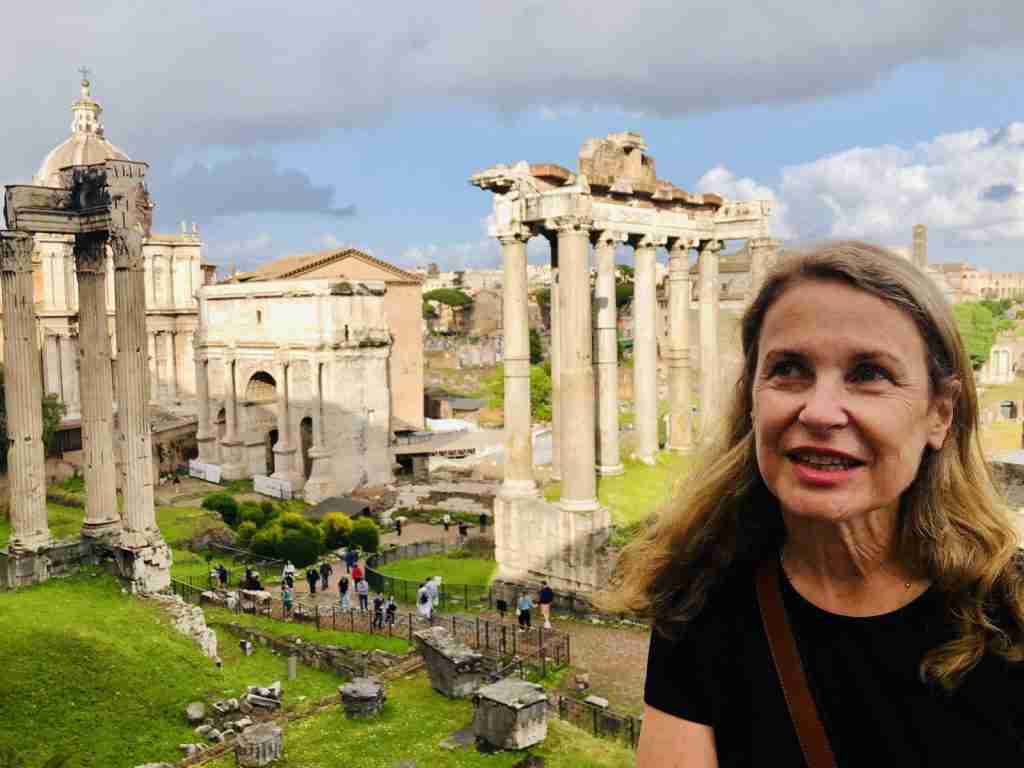
Here’s a bit of a rundown on Trastevere.
In the heart of Rome, nestled on the opposite bank of the Tiber River, lies the enchanting neighbourhood of Trastevere. With its narrow cobblestone streets, colourful facades, and lively atmosphere, Trastevere is a captivating district that offers a distinct experience from the rest of the Eternal City. Steeped in history, blessed with captivating geography, and brimming with local charm, Trastevere stands as a true testament to the spirit of Rome.
Trastevere’s roots can be traced back to ancient Rome when it served as a working-class neighbourhood on the outskirts of the city. As Rome expanded, Trastevere evolved, becoming home to artisans, immigrants, and travellers throughout the centuries. Its eclectic history is reflected in the mishmash of architectural styles that adorn the
Rome’s History
Rome: The Eternal City and Its Legendary History
Introduction:
Rome, often referred to as the “Eternal City,” is a place where the past intertwines with the present, where ancient ruins stand alongside bustling modern streets. With a history spanning over 2,500 years, Rome has played a pivotal role in shaping Western civilization. From its legendary foundation to its rise as the capital of a vast empire, Rome’s history is a tapestry of triumphs, intrigues, and cultural advancements.
Foundation and Mythical Origins:
According to legend, Rome was founded in 753 BCE by the mythical twins Romulus and Remus, who were raised by a she-wolf. As the story goes, a dispute between the brothers led to Romulus killing Remus and establishing the city on Palatine Hill. While the tale holds mythical elements, it symbolizes the city’s beginnings and the indomitable spirit that would come to define Rome.
The Roman Republic and Expansion:
In the 6th century BCE, Rome transformed from a small city-state into a republic. The Roman Republic, governed by elected officials, experienced both internal struggles and external conquests. The legendary figures of Julius Caesar, Pompey, and Cicero emerged during this period. Rome’s military prowess and diplomatic acumen enabled it to expand its territories across the Mediterranean, incorporating regions such as Gaul (modern-day France) and Hispania (modern-day Spain).
The Roman Empire and Golden Age:
The Roman Republic eventually transitioned into the Roman Empire in 27 BCE, with Octavian, later known as Augustus, becoming the first emperor. The Empire reached its zenith during the Pax Romana (Roman Peace) from 27 BCE to 180 CE. This golden age brought stability, economic prosperity, and advancements in architecture, engineering, and art. Majestic structures like the Colosseum, the Pantheon, and the aqueducts stand as enduring testaments to Rome’s architectural ingenuity.
Fall of the Western Roman Empire:
By the 3rd century CE, the Roman Empire faced internal strife, invasions, and economic challenges. Constantine the Great, the first Christian emperor, moved the capital to Constantinople (modern-day Istanbul), leading to the division of the Empire into East and West. In 476 CE, the Western Roman Empire fell to the Germanic chieftain Odoacer. This event marked the end of ancient Rome and the beginning of the Middle Ages.
The Renaissance and Papal Rome:
In the 15th century, Rome experienced a rebirth with the Renaissance, a period of renewed interest in art, culture, and learning. Popes such as Julius II and Leo X transformed Rome into a center of artistic and architectural brilliance. Masterpieces by Michelangelo, Raphael, and Bernini adorned the city, with St. Peter’s Basilica becoming a symbol of papal grandeur.
Modern Rome and the Italian Republic:
Rome became the capital of the newly unified Kingdom of Italy in 1871. The city underwent significant urban development, with landmarks like the Vittorio Emanuele II Monument and the Trevi Fountain added during this time. Despite the challenges of World War II and the post-war period, Rome emerged as a vibrant cosmopolitan city, attracting visitors from around the world to marvel at its historical treasures.
Wednesday May 10, 2023 Sevilla
Steps Today : 24,955 : Calories 3,329/1,216
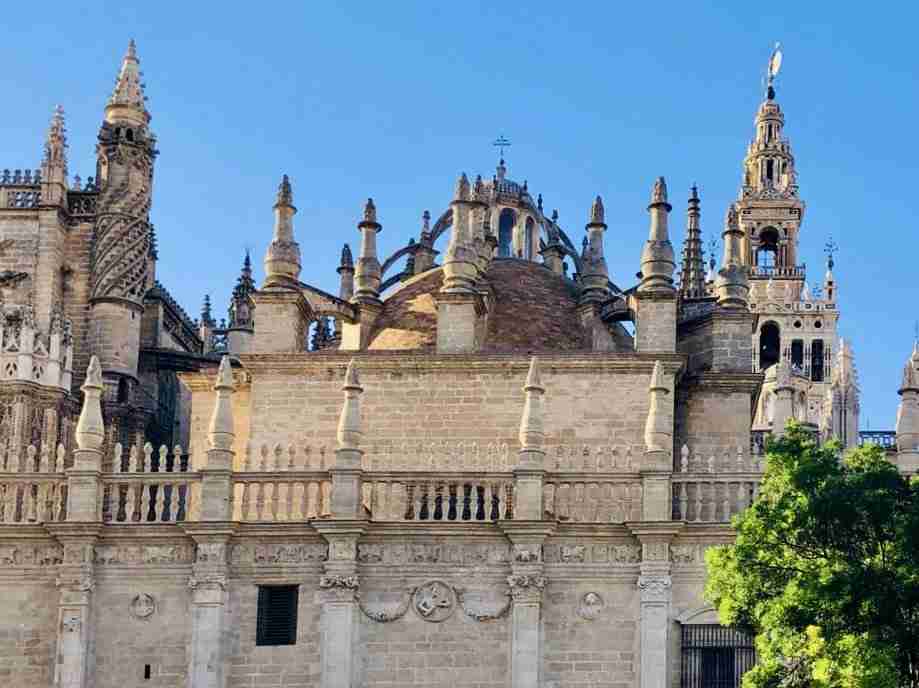
Our Seville apartment is fabulous but unfortunately our bedroom is on the first floor with a window overlooking our small road which means that passing cars have kept me awake throughout the night. The positives far outweigh the negatives though. Seville is a monumental city. I haven’t connected with it yet like I did with Granada and Barcelona and in the time we have here I possibly won’t but that doesn’t mean that it isn’t a spectacular place.
Seville, also known as Sevilla, is a vibrant and historic city located in the southern region of Spain called Andalusia. It is the capital of the province of Seville and the fourth-largest city in Spain. Seville has a rich history that spans over 2,000 years and has been influenced by various cultures, including Roman, Islamic, and Christian civilizations. Here’s some information about the city’s attractions, history, and other interesting facts:
Historical Significance: Seville was founded as the Roman city of Hispalis and later became an important centre during the Muslim rule in Spain. It reached its peak during the 16th century when it became a major trade hub due to its strategic location and connection to the New World. Seville played a crucial role in the exploration and colonization of the Americas.
- Alcázar of Seville: One of Seville’s most famous attractions is the Alcázar, a royal palace originally built by the Moorish rulers. It showcases stunning Islamic architecture and beautiful gardens, and it is still used by the Spanish royal family when they visit the city.
- Seville Cathedral: The Seville Cathedral is the largest Gothic cathedral in the world and a UNESCO World Heritage site. It was built on the site of a former mosque and is home to the tomb of Christopher Columbus. Visitors can also climb the Giralda Tower, a minaret converted into a bell tower, to enjoy panoramic views of the city.
- Plaza de España: This iconic square was built for the Ibero-American Exposition of 1929 and is a magnificent example of Renaissance Revival architecture. It features a semi-circular building with tiled alcoves representing different provinces of Spain.
- Flamenco: Seville is renowned as the birthplace of flamenco, a passionate and expressive form of music and dance. The city offers numerous flamenco shows and venues where visitors can experience this captivating art form.
- Semana Santa: Seville’s Holy Week celebrations, known as Semana Santa, are famous worldwide. This religious festival features processions of elaborately decorated floats, religious statues, and hooded penitents. It’s a deeply rooted tradition and attracts thousands of visitors each year.
- Triana: Located across the Guadalquivir River, the neighborhood of Triana has its own distinct character and is known for its vibrant flamenco scene, ceramic workshops, and traditional tapas bars. It’s a great place to immerse yourself in local culture.
- Tapas Culture: Seville is renowned for its culinary scene, particularly its tapas culture. The city is filled with tapas bars where you can enjoy a variety of small plates, ranging from traditional Spanish dishes to innovative creations.
- Festivals: Seville hosts numerous festivals throughout the year, including the Feria de Abril, a week-long fair featuring flamenco, horseback parades, and traditional costumes. It’s a vibrant celebration of Andalusian culture.
- Weather: Seville has a Mediterranean climate, characterized by hot summers and mild winters. The city experiences long, hot, and dry summers, making it a popular destination for sun-seekers.
Here are my observations so far. It is spring, yesterday the temperature reached 36 degrees. It stayed light until around 10 p.m. We went out walking around 7.30 p.m, the sun was still pouring down. Some smaller streets have blinds/shade cloths high up over the streets to relieve some of the heat which works pretty well. We walked for almost 3 hours last night. We walked to the Plaza De Espāna a huge monumental building and plaza which was built in the late 1920s. Plaza de España is a renowned square located in the city of Seville, Spain. It is one of the most emblematic landmarks and a major tourist attraction in Seville. The square was built in 1928 for the Ibero-American Exposition of 1929, which aimed to showcase Spain’s cultural and economic achievements.
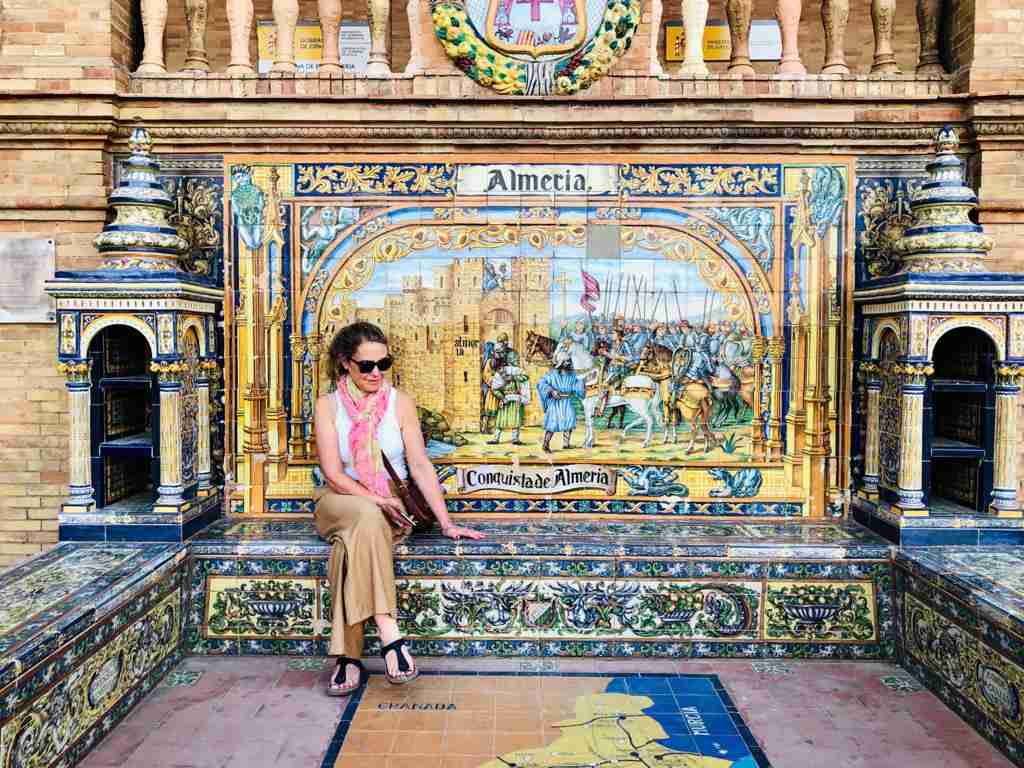
The Plaza de España showcases a fascinating blend of Renaissance Revival and Moorish Revival architectural styles, reflecting Spain’s rich history and cultural diversity. It was designed by the Spanish architect Aníbal González and covers an area of about 50,000 square meters.
The square is characterized by a semi-circular shape with a canal running through its center, spanned by four beautiful bridges that represent the ancient kingdoms of Spain. The main building, known as the Government Pavilion, forms the curved façade and features a series of alcoves adorned with colorful ceramic tiles, known as azulejos. These azulejos depict scenes from Spanish provinces, showcasing the country’s diverse regions.
The Plaza de España is surrounded by a vast park, the Parque de María Luisa, which offers a tranquil retreat for visitors. The park is filled with lush greenery, charming walkways, fountains, and numerous benches where you can relax and enjoy the scenery.
When I first arrived at the plaza I wasn’t overawed although after being there for a while and experiencing buskers/musicians singing, playing guitar as well as flamenco musicians, singers and dancers performing it grew on me and I started to feel an affinity toward the space. After leaving we walked through a huge park and wandered along the Guadalquivir River. I have to admit that by now I was feeling more at home. The river is a hell of a lot bigger than our Yarra River, hundreds of people were strolling along the walkways next to the water. When we crossed back into the streets around 10 p.m the tapas bars and restaurants were alive with people eating, drinking and generally enjoying being alive.
It’s 2.15 p.m, the punishing sun has reappeared, it is brutalising the open squares and any unshaded spaces in Seville. At this point in time we’ve been to Triana as well as the Real Alcazar, both new experiences but a dichotomy of each other. Triana is across the river, when we arrived soon after 9 a.m it seemed to be devoid of tourists, grizzled old Spanish ladies were shopping at the fish shops, the butchers and the green grocers, other old seniorita’s were eating cakes and sipping coffee outside cafes and patisseries. Triana is all about everyday life, not beauty. That is where its beauty lied, commonplace life in Seville outside shabby shops and in the shadow of ugly apartment building being watched over by a Virgin Mary or Jesus on every wall of every street corner. Jesus always looks sad, serious and often in pain with blood dripping down from his crown of thorns, the Virgin exudes a bit more hope and often looks down on the streets with a certain compassion.
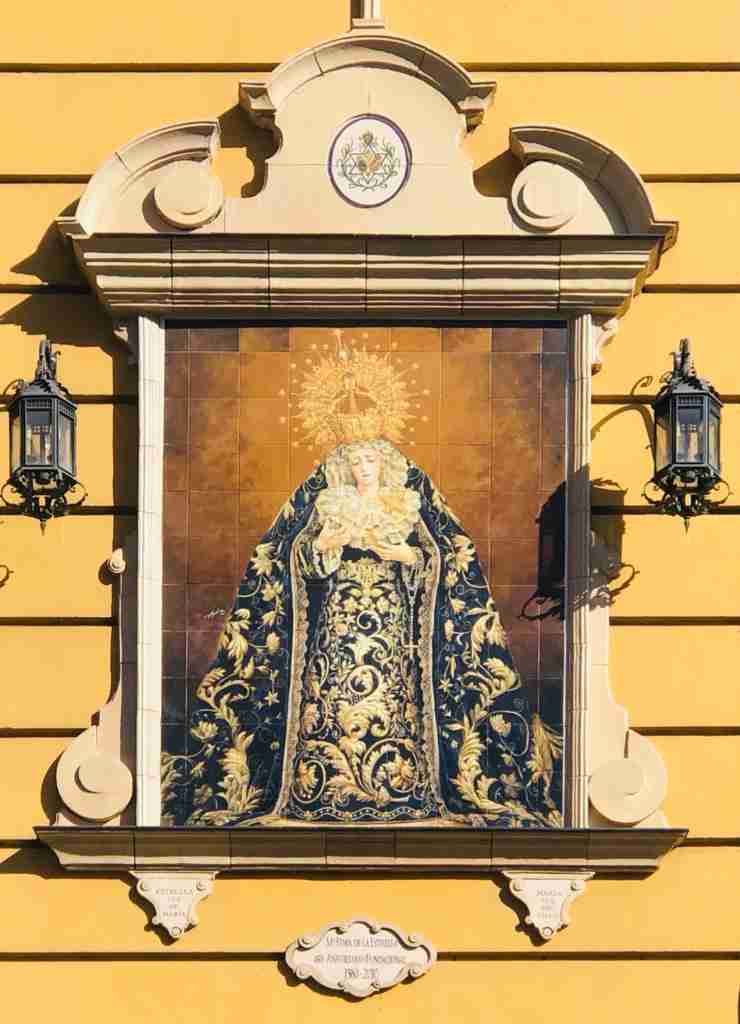
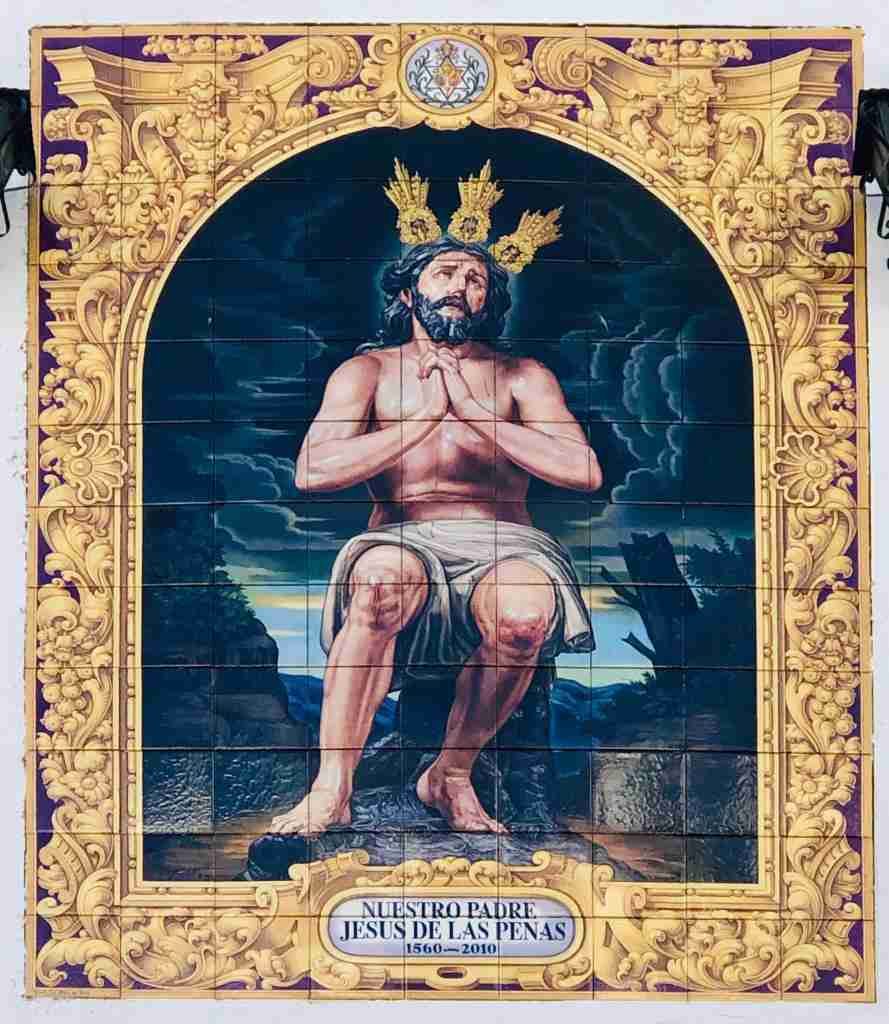
If I had to choose between our two locations today I would be happy to say that Triana come up trumps. The Real Alcazar is amazing, beautiful, full of history but it is a monument to the past, queues of people from all around the world waiting to get inside to rip out their cameras and take selfies of themselves or pose in red dresses with Instagram expressions on their faces of pictures of the walls, old boomers with cameras as big as Ben Hur trying for a shot to frame for their wall at home to impress their friends with their artistic prowess. Unfortunately for me I’ve “had too much to eat” figuratively speaking”. Seville is so full of huge cathedrals, government buildings, gorgeous apartment blocks. There’s just so much that once you’ve seen a bit you feel that you don’t want anymore, elegant sufficiency is just the right amount, any more than that turns you into a bloated tourist with watered down senses and appreciation. I don’t think I can look at one more church, monument or huge architectural building today. I’ll be happy to see a Seville flamenco show and head back to Triana for a cake and coffee with the old ladies.

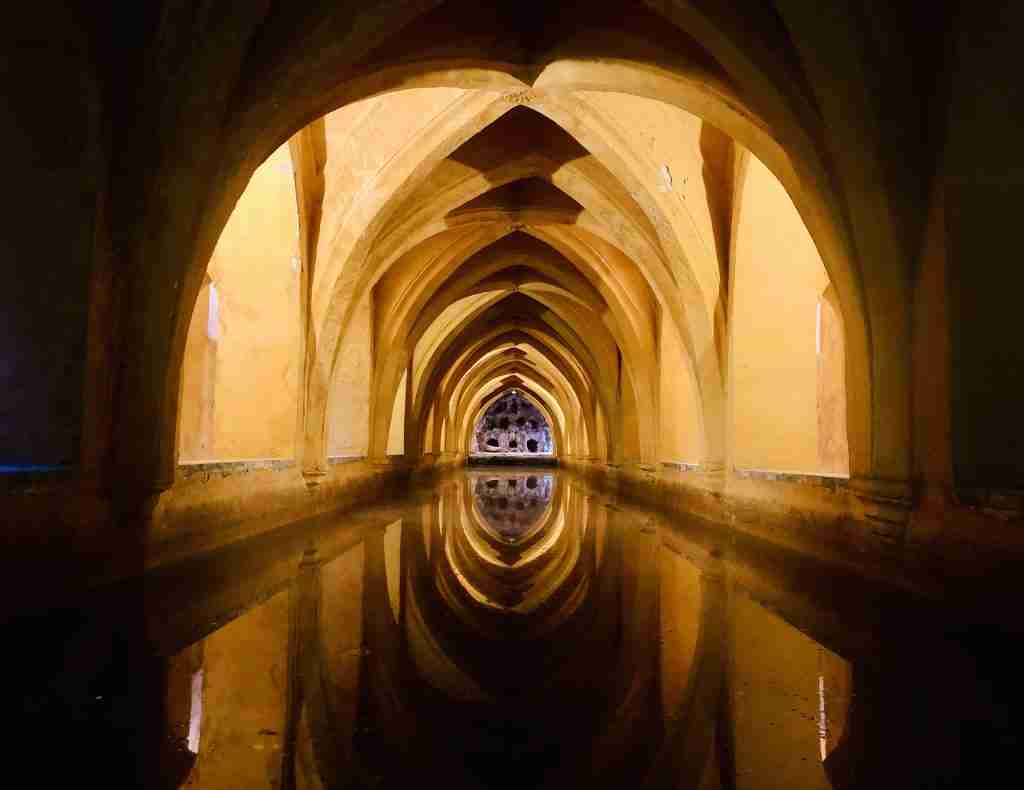
Tuesday May 9, 2023 Granada/Sevilla
Steps Today – 22, 062 : Calories – 3,355/1,165
We are about to take off for Seville on a 2 plus hour bus trip. It’s goodbye Granada, hello Seville. So far so good, both Barcelona and Granada have exceed our expectations. Very different experiences which makes it all the more exciting. Something I haven’t mentioned so far is electric scooters. They are everywhere, ridden with impunity and pride, part of the everyday transport system. We’ve had electric scooters in Melbourne for 2 years now but I still feel like a renegade when I ride mine which has consequently led me to not using it as much as I have wanted to. Maybe there are rules in Spain that I don’t know about but the apparently is that life is quite a bit more user friendly and lacking in the arduous protocols that exist in Melbourne. Now that I’ve seen and experienced first hand how smart the scooters really are I plan to use mine more often.
Granada was a full basket of experiences. Loads of walking as usual but due to the geography we walked up hills a lot more than in Barcelona, in fact that’s all we did apart from when we walked down hills. Our culinary experience in Granada was overshadowed by the amazing food that we ate in Barcelona. In my opinion best meal we had was yesterday morning when we ate our bread, cheese and ham on a bench in one of the small squares in Albaícin. The rest of the meals were oily and gruesome, having said that most of the coffee was fabulous and reasonably priced.
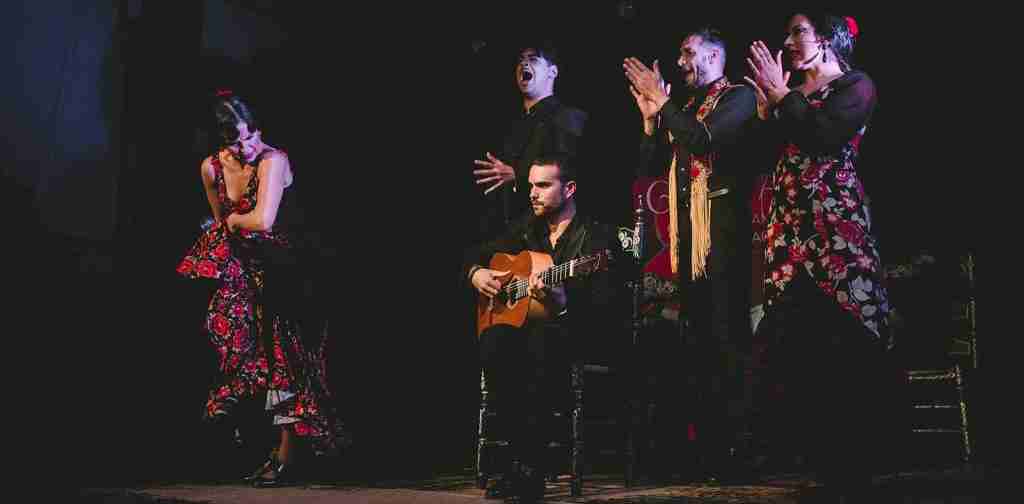
Last nights flamenco show was one of the highlights for me. The guitarist was absolutely breathtaking, passionate, precise and skilled. The male and female dancers were fiery, their feet syncopated percussion instruments, their bodies upright and proud, sweat dripping off their bodies projected across the stage as they spun. The movements were sudden and fierce like bullfighters or soldiers attacking an invisible enemy. Proud, passionate, pensive and at times even still. The stage boomed with music, the only instrument a Spanish Guitar which played sweet melodies, blistering arpeggios and percussive chords all at the same time. The guitar melded with the highly frenetic and perfectly synchronised hand clapping and finger clicking, thigh slapping and even chest thumping. The voices added more percussive sounds and olés plus another melody, fragile but strong at the same time, full of emotion which came across as real and not pretended. I was stuck to my seat, I couldn’t move, hardly breathed, time went by slowly because there was so much motion and energy being created on the stage, enough to supply a small town. The performance began at 7.30 and ended at 8.30. I have no idea how these five musicians, dancers and singers could repeat this performance 3 times in one night, every night. It seemed like this was the last performance that they were doing before they died, it was so intense, so immediate and so present. A gift to me from Granada.
After the show finished we walked back up the hill through the narrow lanes, irregular steps and stairways, past the walls of houses and under orange trees resplendent with ripe fruit. I felt like a voyeur at times walking through the streets and lives of the local people, peering into an open door or taken a covert glance through the mesh on a gateway. We made our way back up to the square that overlooks the Alhambra which was now full of tourists and school children watching the walls of the fort change colour as the sun began to set, gypsy musicians performed until sunset. This was our third trip up the side of the mountain through the village of Albaícin that day. We ate dinner in the square as the sun set and night fell, in front of the library.
Thus ended the final night of our stay in Granada. We woke up at 7.45 a.m wishing we hadn’t eaten dinner so late, we probably could have abstained but it seemed so romantic to sit in the square and eat our final meal in Granada as the day turned to night.
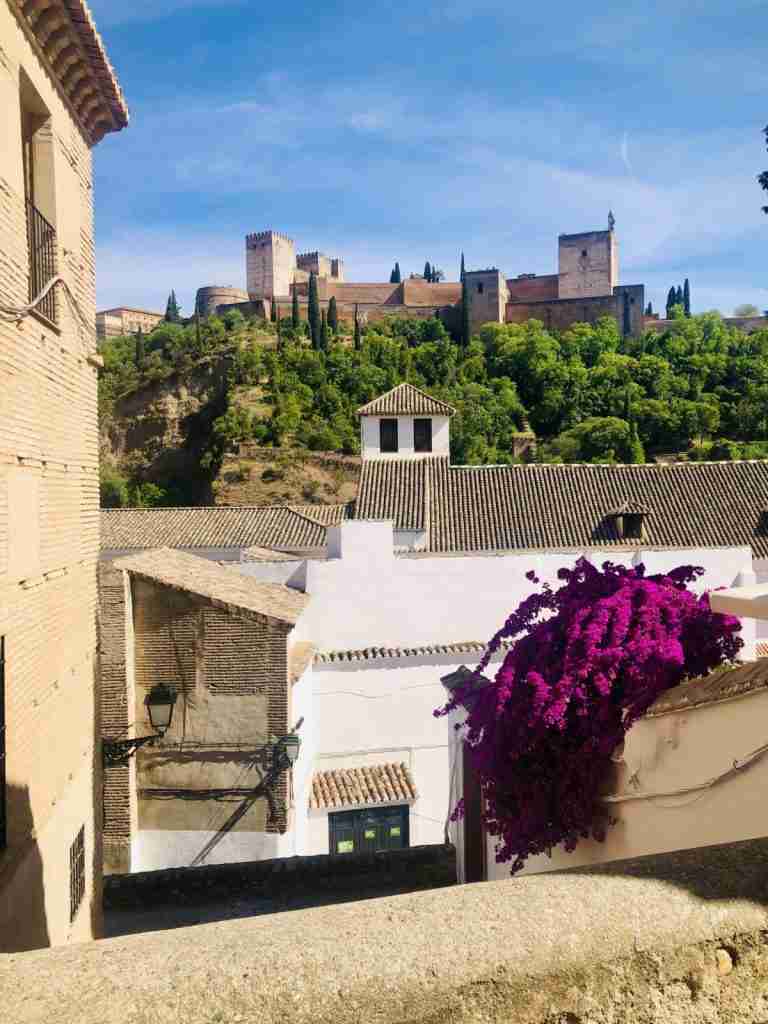
Allissa and I travelled by train down the east coast of Spain to Algeciras on the way to Morocco and also did a couple of bus trips around Southern Spain back in September 2000. What we saw back then is what I’m seeing today, olive trees, thousands and thousands of olive trees planted row after row in dry hilly fields plus factories and warehouses interspersed with the occasional town that crops up in the arid landscape. Certainly not inspiring geography. We are about an hour away from Seville, the bus trip is bland but comfortable and cheap. The prettiest thing are the flowering shrubs that seperate the freeway, rows and rows of pink, yellow and white, somebody had some foresight. What I remember about Seville is arriving on a Sunday afternoon in a bus and driving past a bullring with a large crowd cheering inside, it seemed exotic at the time and then high Spanish Cathedral walls lit up at night. We were catching a flight to Paris the next day so we didn’t have much more time than to eat and sleep. At least this time we have 2 nights and one full day to explore before we fly to Rome on Thursday.
We have settled into our Seville Apartment. It is called Lukanda, it’s very central, within view of the cathedral about 2-3 minutes walk. In many ways this is the best apartment we have stayed in yet. Our room is small but comfortable but right outside our front door there is a fabulous common area with a neat little well equipped kitchen, a refrigerator and a large work table and smaller tables to eat at. We went for a walk after we had settled in at around 4.30 p.m, 36 degrees, hot afternoon sun. Georgie bought a pair of pants and a vest at Zara, perfect for her then we bought coffee and food to bring back to the apartment. This is going to save us a fortune.
So far I’m not as impressed with Seville as I have been with Barcelona and Granada but time will tell. Tomorrow is our day of adventure and discovery, tonight we will just wander and get our bearings.
Monday May 8, 2023 Granada
Steps Today – 19,741 : Calories – 3,164/979
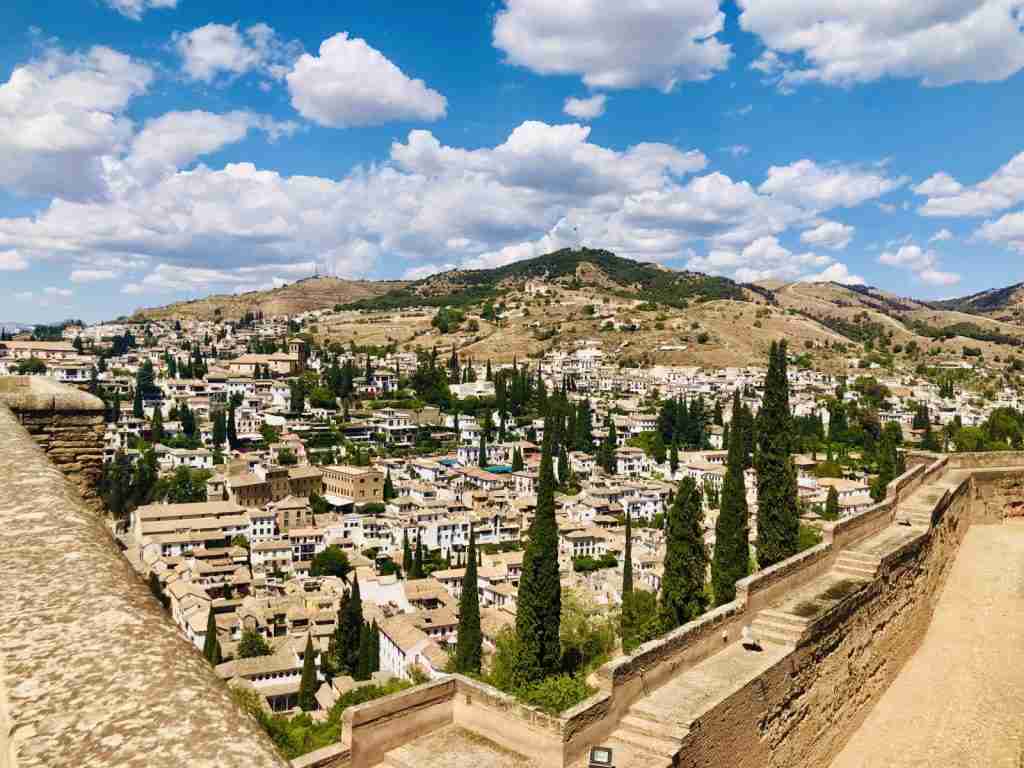
Inspiration comes and goes. When we visited Casa Vincens last Tuesday morning I was almost drowning in that immense sea of inspirational creativity. Inspiration is like rocket fuel, it supplies a short and violent burst of creative power. If only it could be bottled would be worth millions. I left Barcelona with a head full of ideas and potential projects in my head, hibernating right now but ready to be awakened at call.
I can’t take anything for granted, to have a beautiful space the willingness to constantly create has to be always exist. It is so easy to take the physical universe for granted, to just expect it to create itself. It doesn’t. I suspect that the most practical way to keep your spaces looking beautiful is to consider that it is an AirBnB property and that new guests will be arriving constantly. The eyes that you will need to do this are fresh eyes that will see all of the positives and negatives.
I will return to both Melbourne and Bali with a bucketful of inspiration from the aesthetics of Barcelona and Granada, Gaudi, Catalonian buildings with their balconies spilling flowers over the sides, potted plants everywhere, terracotta, ceramics, tiles and mosaics, some symmetrical and others broken and chaotic with clashing shapes and colours, stain glass windows that fill a room with colour and filtered light, towering columns and hidden motifs, colours and shapes.
Between Georgie and I we have hundreds of photos of places we visited and streetscapes. I feel rejuvenated and ready to take advantage of the spaces that we have. All it will take is innovation, a bit of money and some hard work.
So far the trip has supplied enough inspiration, bucket loads, to make all of the effort that went into it worthwhile and we are yet to experience the grand palaces, churches, villages and gardens of Andalusia and Italy.
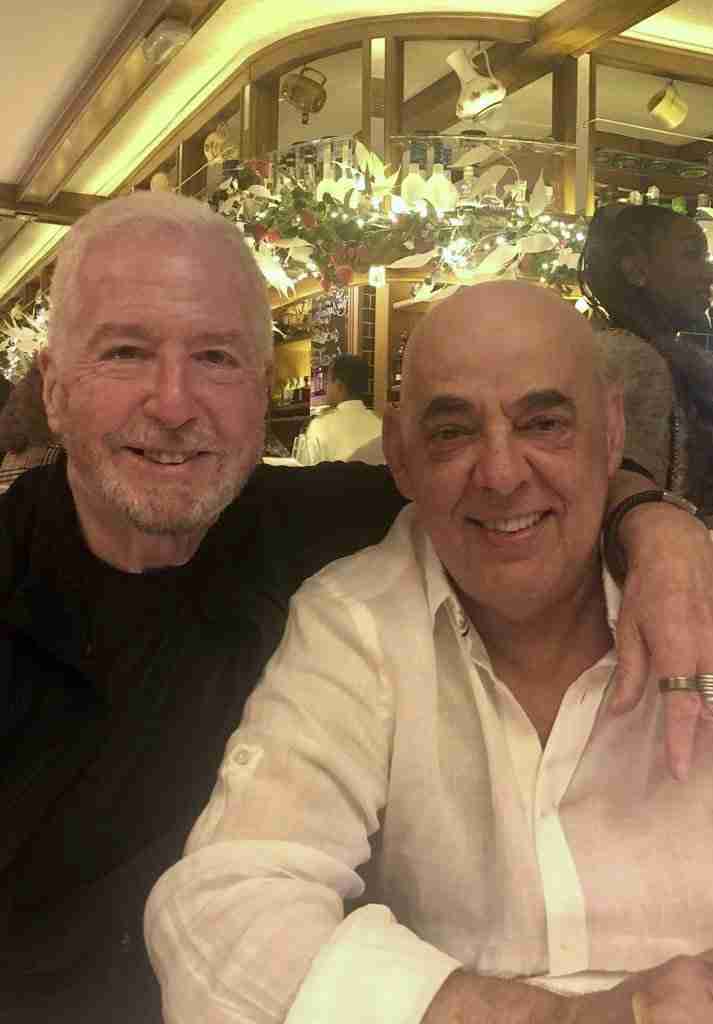
The added bonus of having Joey in Barcelona was to remind me of the value of friendship, shared experiences, interactive consciousness based on some magical bond that is invisible to the human eye but which is more real than a mountain. A combination of the uniqueness of each of us and whatever magic exists that binds us as individuals existing in the apparent construct of time and space. Once again the bonds need to be created in the present and for the future but some invisible energy binds us from the shared experiences of the past. Sometimes you have to work together to reconstruct what might have happened decades ago, it doesn’t matter whether it is an accurate memory as long as it can be agreed upon.
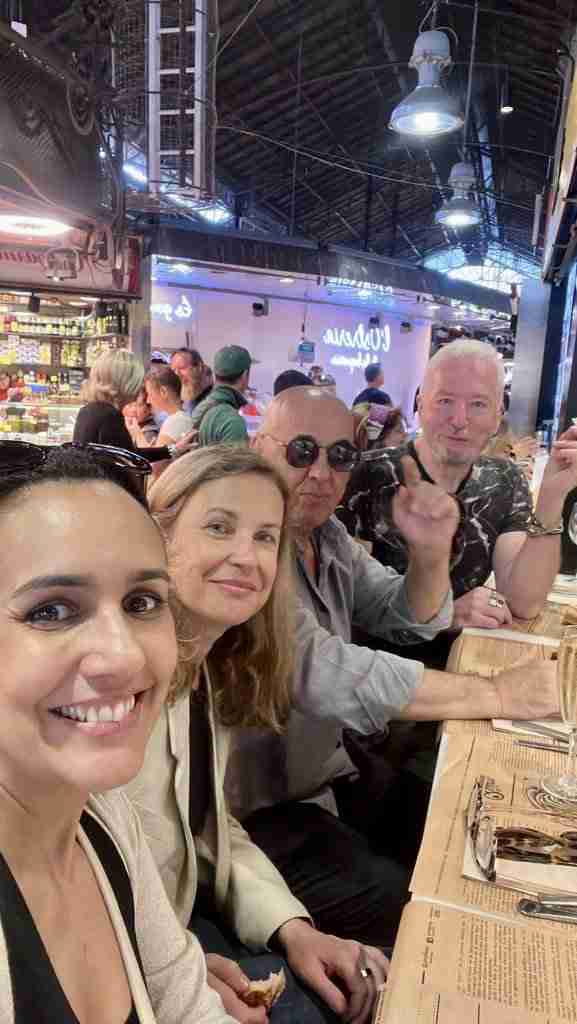
We have just completed our first week in Spain. In some ways it feels like we have been here for months and in other it feels like we just arrived. We are both still doe eyed with amazement, every time we turn a corner there is a chance that we will be confronted with some new experience that will light up our lives for a moment or maybe influence us for the rest of our lives but whatever happens this trip will somehow influence both of us significantly like indelible tattoos that no-one else but the two of us can see.
We don’t really have any plans today except just wandering through the streets of Albaicín.
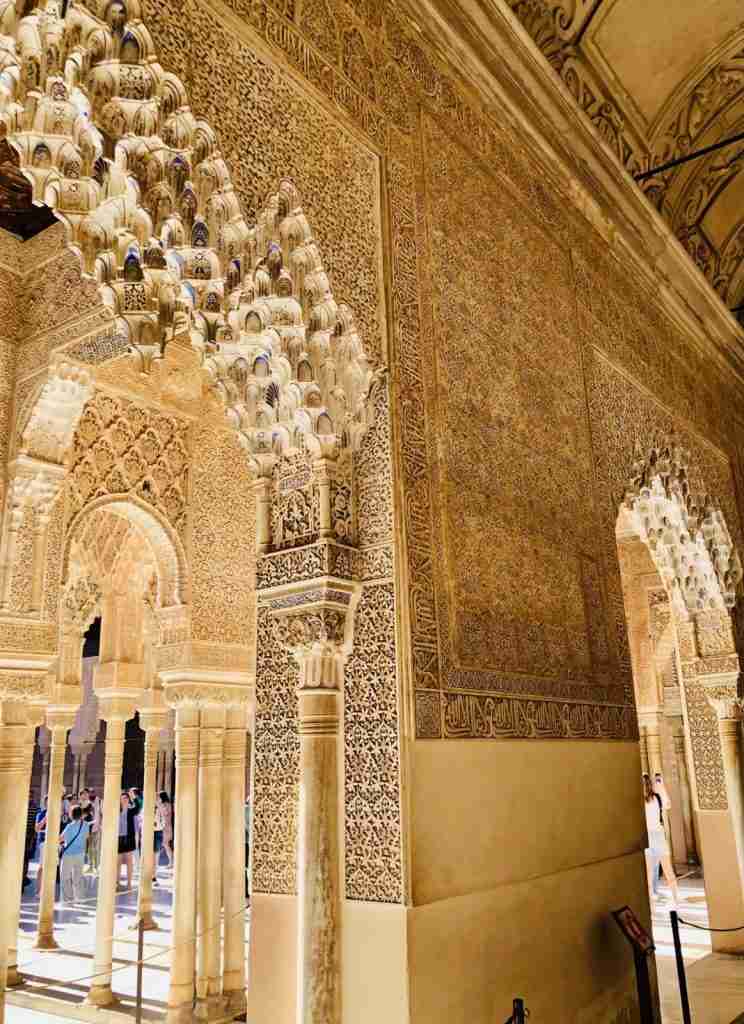
4 P.M
It’s been another big day. We started outside our Hotel “Palacio De Santa Ines” at around 9 a.m, walked up the steps and kept winding our way through the streets, laneways and steps up and up and up until we arrived at the square that looks across at the Alcazar Fort in The Alhambra which by the way is translated “red fort”. The walkways are a maze, a lucky dip. We eventually arrived in what appeared to be the main square of Albaícin, admired the food and pastry shops but didn’t relent. We strolled through and kept going up the hill and ended up at the old wall which fortified the town back in the day.
Albaícin is situated on a hill opposite the Alhambra, which is the renowned Moorish palace and fortress complex. Albaícin is known for its narrow, winding streets, picturesque white houses, and stunning views of the Alhambra and the Sierra Nevada mountains.
Historically, Albaícin was the main residential area of Granada during the Nasrid dynasty, which ruled the Emirate of Granada from the 13th to the 15th centuries. The neighborhood was predominantly inhabited by Muslims, Christians, and Jews, creating a diverse and multicultural atmosphere. It was during this time that many of the distinctive houses, palaces, and mosques were built, showcasing a unique blend of Islamic and Andalusian architectural styles.
However, after the fall of Granada to the Catholic Monarchs in 1492, Albaícin underwent significant changes. As the Reconquista reached its conclusion, the neighbourhood’s Muslim and Jewish populations were expelled or forced to convert to Christianity. Many of the mosques were converted into churches, and the neighborhood became predominantly Christian.
Over the centuries, Albaícin experienced both periods of decline and revitalization. It faced destruction and neglect during the 18th and 19th centuries but saw a resurgence of interest and restoration in the 20th century. Today, Albaícin is recognized as a UNESCO World Heritage site, and its historical and cultural significance draws tourists from around the world.
The neighborhood’s rich history and connection to the present day Granada are evident in its architecture, cultural traditions, and local identity. Albaícin retains much of its medieval layout and Moorish influences, with traditional houses adorned with beautiful courtyards, gardens, and fountains. The neighborhood is also known for its tapas bars, tea houses, and artisan workshops, offering visitors a taste of its vibrant local culture.
Albaícin serves as a living testament to Granada’s multicultural past, showcasing the coexistence of different religious and cultural communities. It remains a vibrant and thriving neighborhood, attracting both locals and tourists alike, who come to immerse themselves in its enchanting ambiance, enjoy the breathtaking views, and explore its historical landmarks.
We drank coffee in the square on the way back and dropped into a small food shop to buy cheese, Jamon, tomato, capsicum, butter and a stick of bread which turned into a feast on a bench in one of the many small squares as it started to come to life for the day.
Since then we have visited what we thought was the Granada Cathedral which turned out to be a big depressing mausoleum full of Christian symbols, paintings and statues which was part of the main Cathedral but was as heavy and depressing as hell. I’ve always felt terribly gloomy when confronted with the barbarism and cognitive dissonance of Catholic symbology, dying Christs with bleeding foreheads pricked by thorns, there was even a statue of a headless John The Baptist which was particularly gruesome. No one seemed happy in the paintings, statues or anywhere for that matter. Neither Georgie or I lasted long so we kissed our 10 euros goodbye and skedaddled. The contrast to the beauty of the islamic architecture yesterday was huge.
We are back in our hotel room now before we go for another walk and then to a Flamenco show close by at 7.30 this evening.
Sunday May 7, 2023 Granada
Steps Today – 16,116 : Calories – 2,962/762
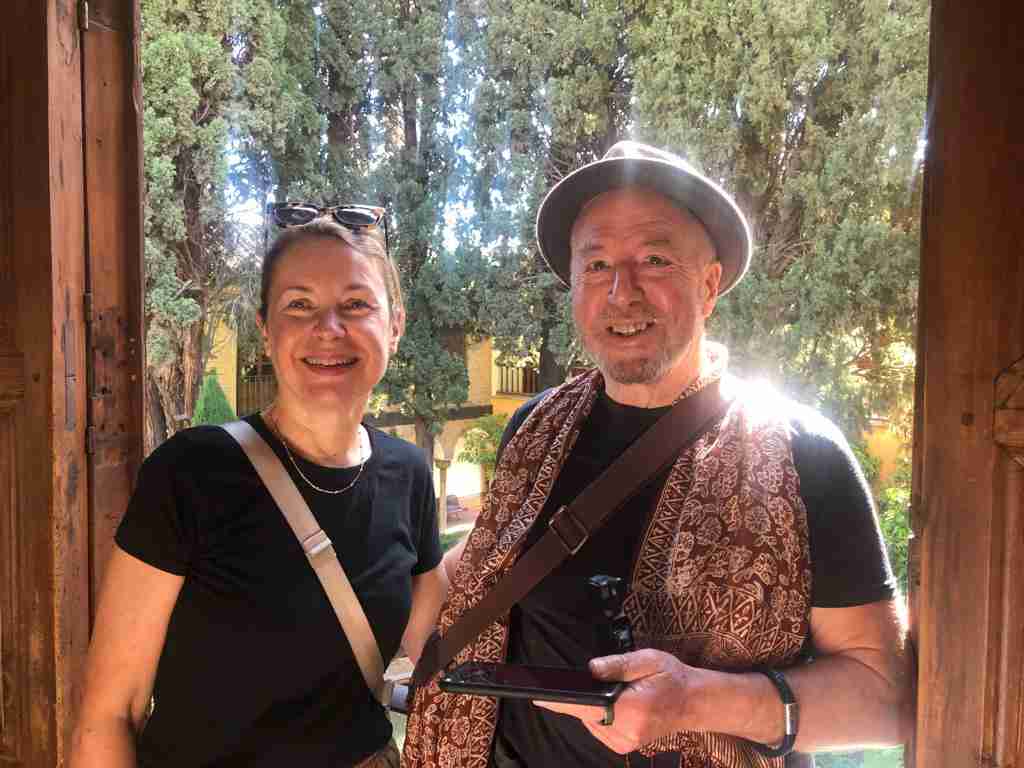
We arrived in Granada by plane from Barcelona in the late afternoon yesterday.
The airport is around 16 kms from the old city so we hopped into a taxi into town which costs 35 Euros. Last time I was in Granada 23 years ago with my daughter, back then we only had 2 days here so we stayed at The Hotel America, a charming and almost rustic Hotel in the grounds of the Alhambra, consequently I have never been to the actual city centre of Granada.
First observation is that it is absolutely nothing like Barcelona, it’s old, the streets are cobbled and it looks like it just grew organically out of the valley that it sits in over hundreds of years. The streets are narrow and steep, lanes with stairways going up the hill, houses are close together. Some are small, some are large while others are grand and interspersed between all of this are huge churches, palaces with pencil pines seemingly planted randomly rising out of the ground everywhere like huge green church spires.
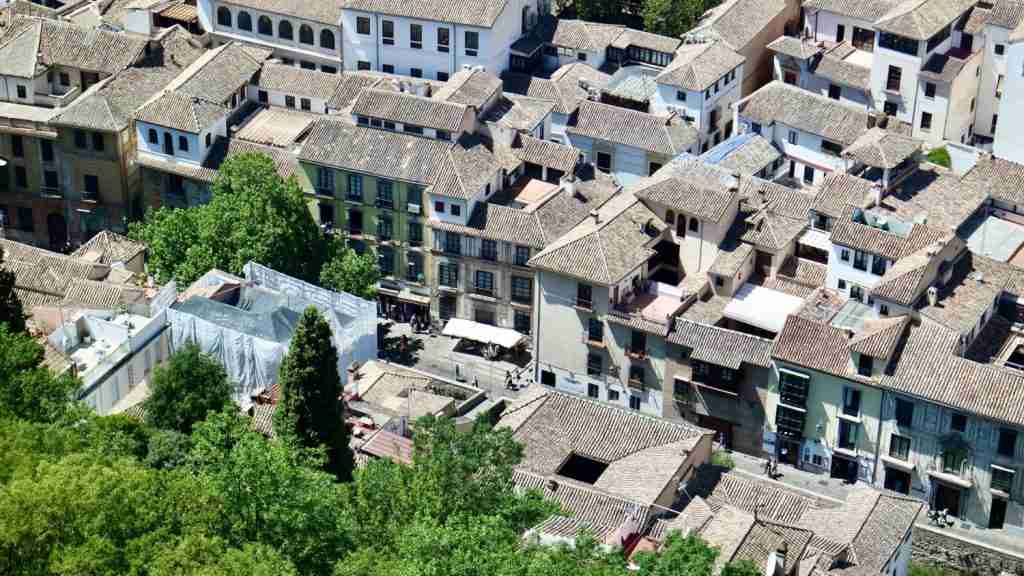
It wasn’t until we got up to the highest tower of the Alcazaba, which is the large fort that the Christian King Charles V built around 1600 after the Islamic rulers and people had been defeated and thrown out of Spain after being in charge for 800 years, that I got the true picture of the layout of Granada.
We visited The Alhambra today for 8 hours. So much to see. It’s a bit like going to a beautiful five star buffet at a fancy hotel, when you arrive hungry as a wolf everything looks and tastes amazing but before too long you are full but you keep eating anyway even though the food that should taste incredible tastes a bit ordinary now. That generally means that it is time to stop eating and get the hell out. We left our hotel at 8 a.m, early for Granada based on the lack of people in the streets, to find a coffee before the steep walk up to The Alhumbra. The morning was still chilly but after 8 hours the sun was pounding down onto the stone buildings and us. Throughout the day we visited all of the main buildings at the site interspersed with a stopover at The Hotel America in the morning for a coffee and later for lunch. I had a smile on my dial like a Cheshire Cat. We maybe should have left to return home earlier but honestly The Alhambra is so huge and so damn beautiful, the Islamic buildings with their absolutely stunning details, the Spanish palaces also influenced by the Islamic style, the breathtaking gardens and stonework, the gorgeous tiles, stairways, arches, pillars, the water features, the list goes on and on, a buffet of incredibleness.
Here is a short description of the Alhambra’s history (with a bit about Granada for good measure) and some of the more significant architecture that is there.
Granada is a historic city located in the region of Andalusia in southern Spain. It is renowned for its rich history, stunning architecture, and cultural significance. Let’s delve into the architecture, history, timeline, and the significance of the Alhambra in Granada.
Architecture:
Granada boasts a diverse range of architectural styles influenced by its Islamic, Moorish, and Christian heritage. The most prominent architectural gem in the city is the Alhambra, a UNESCO World Heritage site. The Alhambra showcases exquisite Islamic architecture with intricate geometric patterns, stunning tilework, and beautiful gardens. It consists of several palaces, including the Nasrid Palaces, the Palace of Charles V, the Generalife Gardens, and the Alcazaba fortress.
Apart from the Alhambra, Granada also features notable Christian structures such as the Granada Cathedral, a magnificent example of Spanish Renaissance architecture, and the Royal Chapel, where the Catholic Monarchs, Queen Isabella I and King Ferdinand II, are buried. The city’s historic center, known as the Albaicín, offers a labyrinth of narrow streets and traditional Andalusian houses.
History and Timeline:
Granada’s history dates back to ancient times. It was originally settled by native Iberian tribes, followed by the Romans, who named the city “Illiberis.” After the fall of the Western Roman Empire, Granada came under Visigothic rule until the arrival of the Moors in the early 8th century.
The most significant period in Granada’s history began in 711 when the Umayyad Caliphate conquered the region, establishing the Emirate of Cordoba. However, as Cordoba’s control weakened, smaller independent Taifa kingdoms emerged, including the Taifa of Granada. In the 11th century, the Zirid dynasty took control, but they were eventually overthrown by the Berber Almoravids.
The Almohads, another Berber dynasty, seized Granada in the 12th century. They fortified the city and constructed the Alhambra. However, internal conflicts weakened their rule, and in 1238, Muhammad I, the founder of the Nasrid dynasty, established the Emirate of Granada, an independent Muslim kingdom.
Under Nasrid rule, Granada experienced its golden age, witnessing remarkable advancements in arts, science, and architecture. The construction of the Alhambra continued during this period, with various additions made by subsequent Nasrid rulers. It became a symbol of the kingdom’s power and splendor.
In 1492, the Catholic Monarchs, Isabella and Ferdinand, completed the Reconquista, the Christian reconquest of Spain, by capturing the city of Granada. The Muslim rule in Granada ended, and the Catholic Monarchs initiated a period of Christianization and architectural transformations. Many mosques were converted into churches, and new Christian buildings were constructed.
Why was the Alhambra built there?
The Alhambra was built in Granada due to its strategic location and natural defensive features. Its position atop the Sabika Hill offered a vantage point to oversee the entire city and surrounding areas. The Alhambra’s fortifications, including the Alcazaba, provided protection against potential threats.
Additionally, Granada’s proximity to the Sierra Nevada Mountains ensured a reliable water supply through the Darro River, which flows through the city. The Alhambra’s design incorporates sophisticated water management systems, including fountains, channels, and pools, which were essential for sustaining life within the complex.
The Alhambra also served as a luxurious palace and a symbol of power for the Nasrid rulers.
We returned to our Hotel around 4 and had a siesta for a couple of hours before changing and heading of again for an early promenade through the town. I made the mistake of yearning for churros and chocolate plus coffee while Georgie had wine, chicken wings and a lemon Gelato. We came back to the hotel again for another rest and now it’s dark so we will venture out again for a different view of the city.
Saturday May 6, 2023 Barcelona/Granada
Steps Today – 17,769 : Calories – 2,912/747
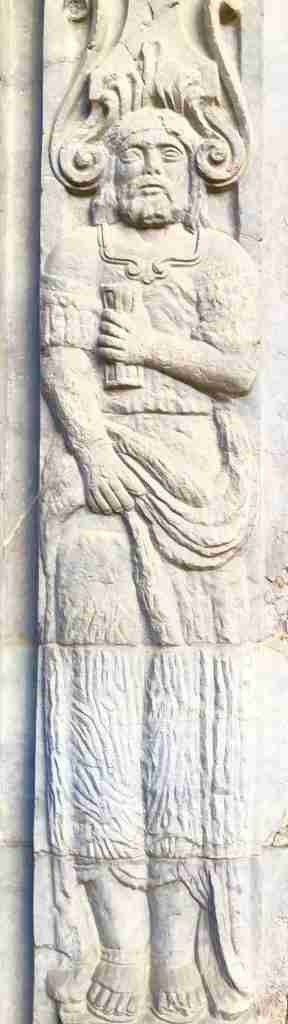
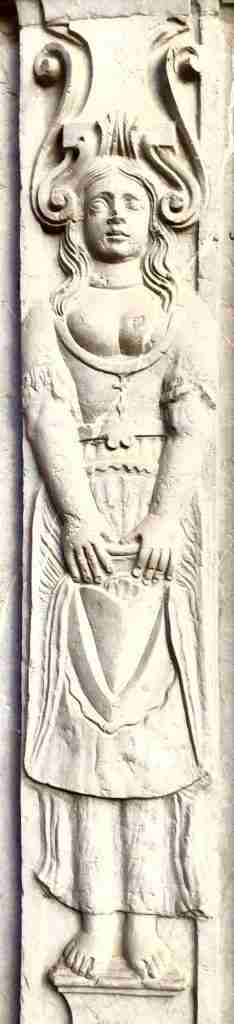
Saturday has arrived. At 12.30 Joey and Cecy will pull up outside to drive us to the airport to catch our midday flight to Granada. I’m going to miss Barcelona although I have resolved to not fret about what we haven’t been able to see or do in favour of embracing what we have seen and done.
In the 5 days that we have been in this magnificent city both Georgie and I have have surpassed our expectations. Spending time with Joe and Cecy, but for me especially Joey. has been like building a bridge across the abyss from my past to the present, from memories of being a young man in his 20s to being who and what I am today. It’s comforting and sometimes hilarious to share memories of the past but even more rewarding to explore how we look at life now that we have reached the beginning of our eighth decade and have years of experience, glory, lost love, children being born and growing up, beliefs once embraced and now shattered.
It has been a wonderful experience to “chew the fat” and break all of the rules about healthy eating and getting to bed early in order to get 8 hours sleep. By the time I reach Granada I’m going to need a holiday from our holiday but fortunately this won’t happen because new adventures await us in the south of Spain.
Yesterday was our day of socializing. We set off early in the morning to drive up into the hills that look down on Barcelona and the Mediterranean. Coffee at The Florida Hotel, great conversation, more memories as well as sharing viewpoints and aspirations. Then back down to Barcelona for a walk down La Rambla and a tour of the beautiful “Boqueria Market”.
The market I am referring to is called “La Boqueria,” also known as Mercat de Sant Josep de la Boqueria or simply “Boqueria Market.” It is one of the most famous and vibrant markets in Barcelona, attracting both locals and tourists.
The history of La Boqueria Market dates back over 800 years. It began as an open-air market outside the city walls, where local farmers would gather to sell their produce. The market was officially established in 1826 when the first official market structure was built. Over the years, it underwent several renovations and expansions to accommodate the growing number of vendors and customers.
La Boqueria Market has always been an essential part of Barcelona’s culinary scene, supplying the city with a wide variety of fresh fruits, vegetables, meats, fish, spices, and other products. It has become a hub for food lovers, chefs, and gastronomy enthusiasts who seek high-quality ingredients and traditional Catalan products.
In addition to the fresh produce and ingredients, La Boqueria Market also offers an array of stalls and small eateries where you can enjoy tapas, seafood, pastries, and other local delicacies. The market’s lively atmosphere, vibrant colors, and diverse aromas make it a captivating place to explore and experience the culinary traditions of Barcelona.
Today, La Boqueria Market continues to be a thriving and bustling landmark in the heart of Barcelona. It serves as a testament to the city’s rich gastronomic heritage and remains an integral part of the local culture and daily life.
We had an amazing lunch which included tapas, ox tail with a delicious gravy, octopus mixed with soft boiled egg. The portions were small but the plates kept coming. The others drank beer and wine while I had my usual mineral water. After a tour of the market and what seemed like a feast we walked back to our hotel through the main retail streets of Barcelona and hung out until about 7.30 when we prepared for our next onslaught of culinary delights. Joe had a booking at what he called his favourite, number one restaurant in Barcelona “Botafumeiro” in the Gracia district.
It is a renowned seafood restaurant that has been serving customers since 1975. Botafumeiro is highly regarded for its traditional Galician cuisine and its specialization in seafood dishes.
Located in the heart of Barcelona, near Avenida Diagonal and Passeig de Gràcia, Botafumeiro attracts locals and visitors alike with its reputation for exceptional seafood offerings. The restaurant’s name, “Botafumeiro,” refers to a large censer or thurible traditionally used in the Santiago de Compostela Cathedral in Galicia, which is known for its pilgrimage routes.
Botafumeiro boasts an elegant and inviting atmosphere, characterized by its warm wood accents, cozy lighting, and a bustling open kitchen. The restaurant’s dedication to Galician culinary traditions is evident in its menu, which features an extensive selection of seafood delights. Fresh oysters, clams, prawns, lobsters, and a variety of fish are expertly prepared and presented to highlight the natural flavors of the sea.
One of the highlights at Botafumeiro is the Botafumeiro itself, a massive lobster stew served in a clay pot. This signature dish has become synonymous with the restaurant and is a favorite among patrons. The menu also offers a range of other Galician specialties, such as octopus, Galician-style seafood rice, and Galician-style hake.
Over the years, Botafumeiro has garnered a reputation for its impeccable service and commitment to quality. The restaurant has attracted a diverse clientele, including celebrities, politicians, and food enthusiasts from around the world.
If you’re a seafood lover visiting Barcelona, Botafumeiro is definitely worth considering for an authentic Galician dining experience. It is an establishment that has stood the test of time, capturing the essence of Galician cuisine and bringing it to the heart of Barcelona.
Once again we shared plate after plate of delicious food chosen by Joe and once again a lot of wine was knocked back and yes, of course I drank mineral water. The food was spectacular but like all good things there is a cut of point that shouldn’t be passed. We passed it and not only that we went way beyond our bedtime and ended up going to sleep after 1 a.m.
Barcelona is a city that I am now passionate about. A city of beauty, artistic innovation, culture and amazing food and people.
Friday May 5, 2023 Barcelona
Steps Today – 12,791 : Calories – 2,791/553
“When in Barcelona do as the Catalonians do”, they eat late. Eating dinner at 6 p.m is considered a barbaric act, it seems that you could quite easily become a social outcast if you arrived at a restaurant before 8.30 p.m, even that would be early. I have to laugh at ourselves just a couple of months back in Bali when we would watch other visitors heading out to dinner around 8 p.m as we were on our way home for an early night in bed. What do you do when faced with such a different set of cultural circumstances? It seems that you give in and go with the flow and go to sleep with a belly full of food.
After being in Barcelona for 4 nights we have had 2 late meals and 2 early meals. Last night was one of the late culinary experiences, it was a treat. Nothing to do with my normal philosophy of food being fuel to keep my body sustained and nourished, this meal, even though relatively small was all about quality, finesse and taste and I have to admit that it was delicious.
We arrived at Joe’s apartment at around 6.30’ish as we have been making a habit of doing over the past few nights and sat down chatting for a while before we started to discuss our dinner plans. Joe was still recovering from lunch and to be honest both Georgie and I could have possibly not eaten dinner at all. Due to the time difference between Melbourne and Barcelona we get hungry at about midday, yesterday by the time we had finished at Sagrada Familia and walked back toward Gracia we were ready to eat. I’ve given up trying to eat Keto or even low carb for that matter while I’m in Barcelona where every second shop sells beautiful pastries, baguettes full of ham, cheese and other yummy fillings and have started justifying my changed eating habits by checking how many excess calories we have burned after our punishing walks around this glorious city. We aren’t overeating but the food we are eating has become more about taste than nutrition. But my god it is so delicious and won’t kill me as long as I balance things out eventually.
I did a bit of research and found a bit of information about the eating habits of the Catalonian people.
Yes, it’s true that dinner time in Catalonia and other parts of Spain can be quite late compared to other countries. In general, Spaniards tend to have a more relaxed and leisurely approach to mealtimes, with dinner being the biggest and most important meal of the day.
One reason for the late dinner time is due to the traditional work schedule in Spain. Many people work until around 8 pm or later, so dinner is often not eaten until after that time. Additionally, the hot climate in many parts of Spain means that people prefer to eat later in the evening when it’s cooler.
Another cultural factor is the custom of the “sobremesa,” which means “over the table.” This refers to the time spent chatting and socializing with family and friends after a meal, which can last for hours. In Catalonia, in particular, there is a strong emphasis on family and community, and the sobremesa is an important part of Catalan culture.
Overall, the late dinner time in Catalonia is a reflection of the region’s unique cultural and social traditions.
Thursday May 4, 2023 Barcelona
Steps Today – 19,019 : Calories – 3,100/861
We’ve just woken up and got ready to head out after our third night in Barcelona. In actual fact it’s really only been 2 full days but who’s counting?
This morning we are heading to Audi’s Sagrada Familia Cathedral which started construction well over one hundred years ago. The last time I visited was in 2000 with Paul, I was so ill prepared back then with knowledge that I wondered who this rich Sagrada family might be!
We have our fingers crossed that the hordes have other things to do today.
We have just about finished our tour of the cathedral. We walked from our hotel for about 20minutes after having our morning coffee at Generator, a hip backpackers opposite our hotel. We turned a corner and there it was, a one off, completely unique beautiful, awe inspiring cathedral with looming towers and ornate, complex features, far more complete than it was in 2000. Inspirational, beautiful, eclectic, grand. A feat in so many ways. I find it absolutely amazing that Gaudi had the support to take on such a unique and wondrous project in 1882. It’s hard to believe the foresight and courage that he must have had to even begin this marvel which has been constructed for the past 140 years!
I officially confess that I can’t keep up with our adventures. I’ll come back to Sagrada Familia shortly but for now we are sitting in a square in a very untouristy part of Barcelona in Gracia. We both love it here, the staff in the cafe can’t even speak English and we are surrounded by middle aged Spanish women chatting, smoking and drinking coffee. Even the whiff of cigarette smoke is vaguely acceptable. We have just visited Parc Quell and the afternoon is midway through.
Back to this morning. We were both in awe, our jaws agape with wonder and amazement.
In 1866, the Association of Devotees of Saint Joseph purchased a plot of land in Barcelona’s Eixample district with the intention of building a temple dedicated to the Holy Family. However, the project was initially delayed, and it wasn’t until 1882 that the association commissioned the young Catalan architect Antoni Gaudi to take over the project.
Gaudi, who was only 31 years old at the time, quickly made the project his own and set out to create a masterpiece of modernist architecture. He spent the next 43 years of his life working on the Sagrada Familia until his untimely death in 1926.
During this time, Gaudi designed and oversaw the construction of the basilica’s distinctive facades, towers, and interior spaces. He used a variety of innovative techniques, including hyperbolic paraboloids, catenary arches, and a unique system of inclined columns that gave the impression of a forest of trees.
Despite Gaudi’s tireless efforts, progress on the Sagrada Familia was slow, and construction was frequently interrupted by political turmoil, funding issues, and the outbreak of the Spanish Civil War in 1936. As a result, the basilica remained unfinished for decades, and its fate was uncertain.
In the 1950s, a group of architects and enthusiasts led by Josep Maria Subirachs and Oriol Bohigas formed the Gaudi Workshop with the goal of reviving the Sagrada Familia project. They obtained the necessary permits and funding and resumed work on the basilica, faithfully following Gaudi’s original designs and vision.
Over the years, the Gaudi Workshop has made significant progress on the Sagrada Familia, completing many of the basilica’s towers, facades, and interior spaces. However, the project remains unfinished, and construction is ongoing.
In recent years, the Sagrada Familia has become one of Spain’s most popular tourist attractions, attracting millions of visitors each year. In 2010, Pope Benedict XVI consecrated the basilica, making it a minor basilica and an important place of worship for Catholics worldwide.
The completion of the Sagrada Familia is estimated to be in 2026, which will mark the centennial of Gaudi’s death. However, the COVID-19 pandemic has caused some delays, so the timeline has shifted.
Wednesday May 3, 2023 Barcelona
Steps Today – 19,354 : Calories – 3,094/911
Yesterday was all about walking. My Oura ring tells me that we walked 24,000 steps or maybe more according to my Garmin watch which recorded around 28,000. Whichever way you look at it I woke up this morning with stiff joints and aching muscles but you know what, every step was magical. Having said that until I get under the shower the gargantuan bucket of inspiration that I got yesterday has slightly waned. We’ll see how I feel when we get down on the street together. We are heading to the Concert Hall this morning for another lucky dip.
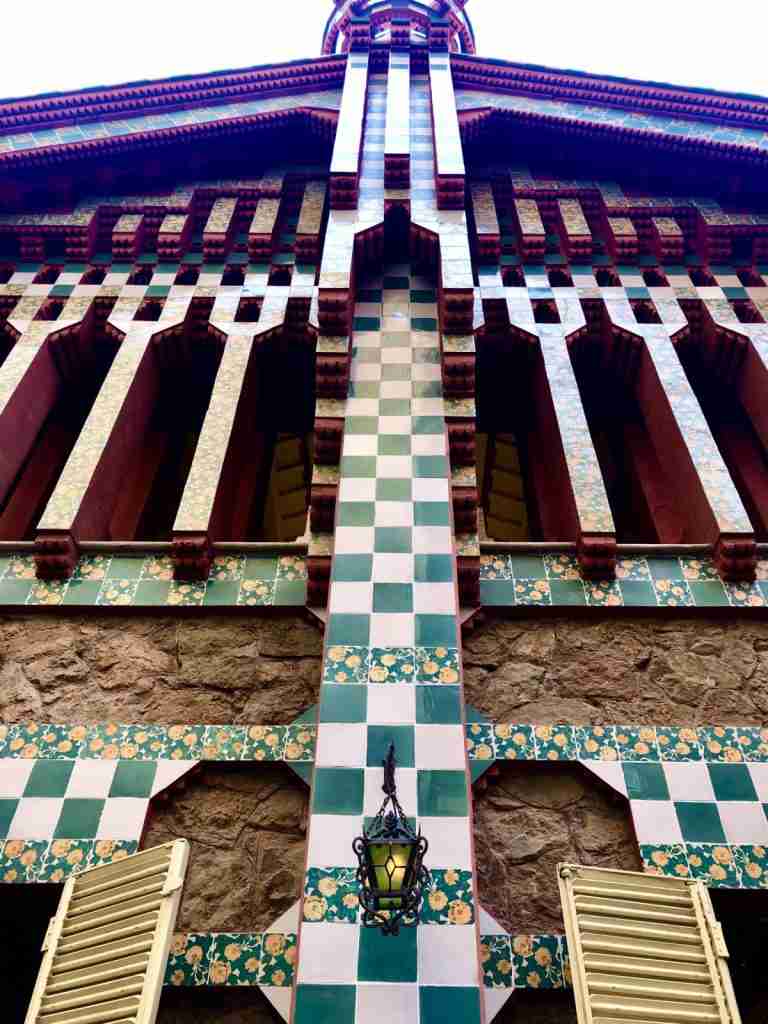
After a small rest yesterday we walked to Casa Vincens in Gracia, this house was Gaudis first commission to do a villa, just after he had finished his apprenticeship. He was commissioned by the wealthy Vincens family to create a summer residence in Gracia which in the 1870s was still a village completely seperate from Barcelona, hard to imagine now. When we arrived I looked up at the street frontage and for some reason wasn’t all that impressed, then we bought our tickets and entered the garden. This is when the “lights” started to come on and slowly like water gradually coming to a boil I was in heaven. The interiors of the house were magnificent, eclectic, sort of clashing but somehow completely in tune with each other. I was surrounded by beauty and my heart started beating fast and the inspiration flowed freely.
Here’s a bit about the building and it’s history and story.
Casa Vicens is the first building that Antoni Gaudi designed, and it was completed in 1885. Here are some details about the building and what Gaudi was trying to achieve with the design:
- Influences: Gaudi was heavily influenced by the Moorish Revival style, which was popular in Spain during the late 19th century. He was also inspired by nature and incorporated organic forms and motifs into his designs.
- Design: Casa Vicens was designed as a summer home for Manuel Vicens i Montaner, a tile manufacturer. The building is notable for its eclectic mix of architectural styles, including elements of Gothic Revival, Islamic art, and Moorish architecture. It features a vibrant color scheme, intricate tile work, and ornate details throughout. Gaudi also incorporated a number of innovative features into the design, such as a rooftop terrace and a basement storage room that was accessible by a ramp.
- Materials: The building is constructed of brick and stone, with colorful ceramic tiles and wrought iron details. The tiles are particularly noteworthy, as Gaudi used them extensively both inside and outside the building. They feature a wide range of designs, including flowers, leaves, and geometric patterns.
- Functionality: Gaudi designed the building to be functional and comfortable for its inhabitants. The rooms were designed to be cool in the summer and warm in the winter, with large windows to allow for natural light and ventilation.
- Symbolism: Gaudi incorporated a number of symbolic elements into the design of Casa Vicens. For example, the building’s facade features a series of horseshoe arches, which are a common feature of Moorish architecture. Gaudi also included several references to the Four Seasons, such as ceramic tiles depicting flowers and fruit that are associated with each season.
Overall, Gaudi was trying to achieve a unique blend of architectural styles and motifs that reflected the cultural and artistic influences of his time. Casa Vicens is a testament to Gaudi’s innovative approach to design and his willingness to experiment with new materials and techniques.
Sunday April 30, 2023 Melbourne
The day of departure has arrived. It has been 4 weeks since I returned from Bali, it has flown. Possibly a bit like standing in a long queue waiting to get to the ticket counter. This is something to note for the rest of my life, waiting is not being in present time, there are so many wonderful aspects of life that I can miss or not fully appreciate in this condition.
I am …. we are, pretty organized. Bags are almost fully packed apart from a few everyday items, clothes are ready to put on for the trip to the airport later today. Finn seems quite happy to be in Melbourne on his own for the next 6 weeks, he will drive us to the airport so we arrive at 6 p.m which will make Georgie feel safe and happy, as usual I would prefer to arrive at 7 . Our house isn’t in the state that I would like it to be left in but it is too late now so I will have to leave that consideration until we return. Maybe Finn can plant a few winter veggies for us.
Georgie has been putting on the clothes that she will be taking to Europe and asking my opinion. She looks great, I’m a lucky man.
It’s a funny thought to consider. There are 8 billion beings out there sharing this planet with me. All with their own needs, their own dreams, their own responsibilities. Some are happy, some are sad, some are rich and many are poor. For some the money that we are about to spend on our trip would sustain them for years even though we are doing it on the cheap.
As I set off on my latest adventure I must remind myself that not only do I want to experience the newness of faraway places but more than anything else I want to meet some of these people albeit in many cases just for a fleeting moment. They are the beings that I am sharing this wonderful experience called life with even though it’s starting to look like reality may not be what it seems to be.
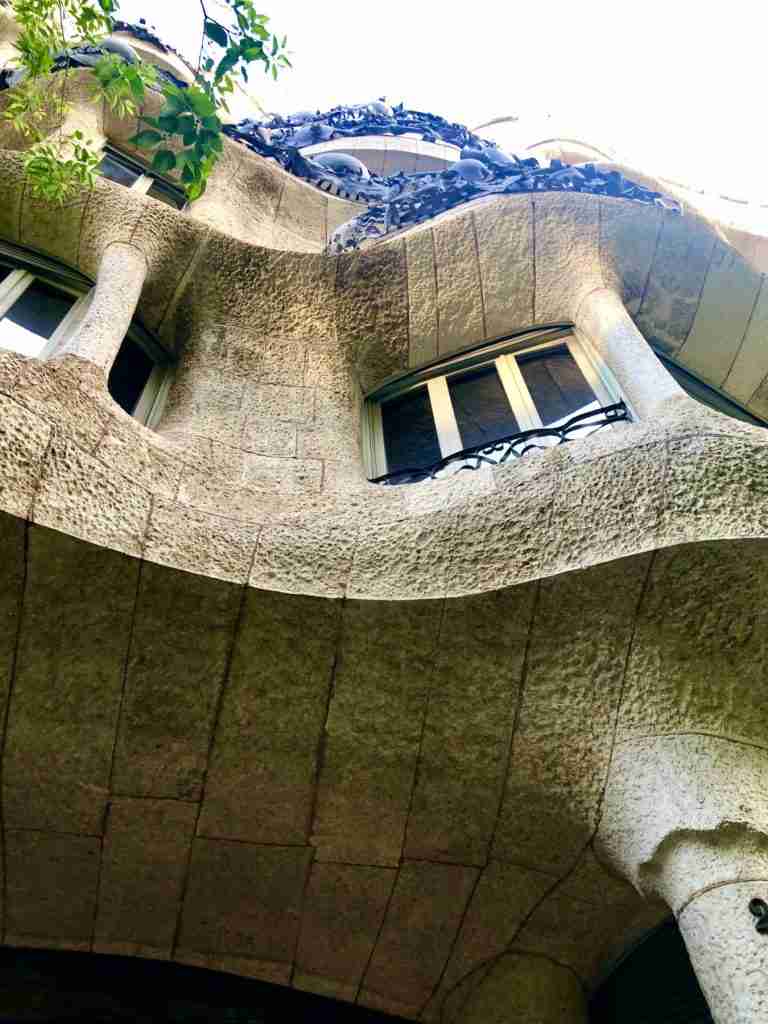
Monday May 1, 2023 Doha/Barcelona
Steps Today – 11,869 : Calories – 2,685/497
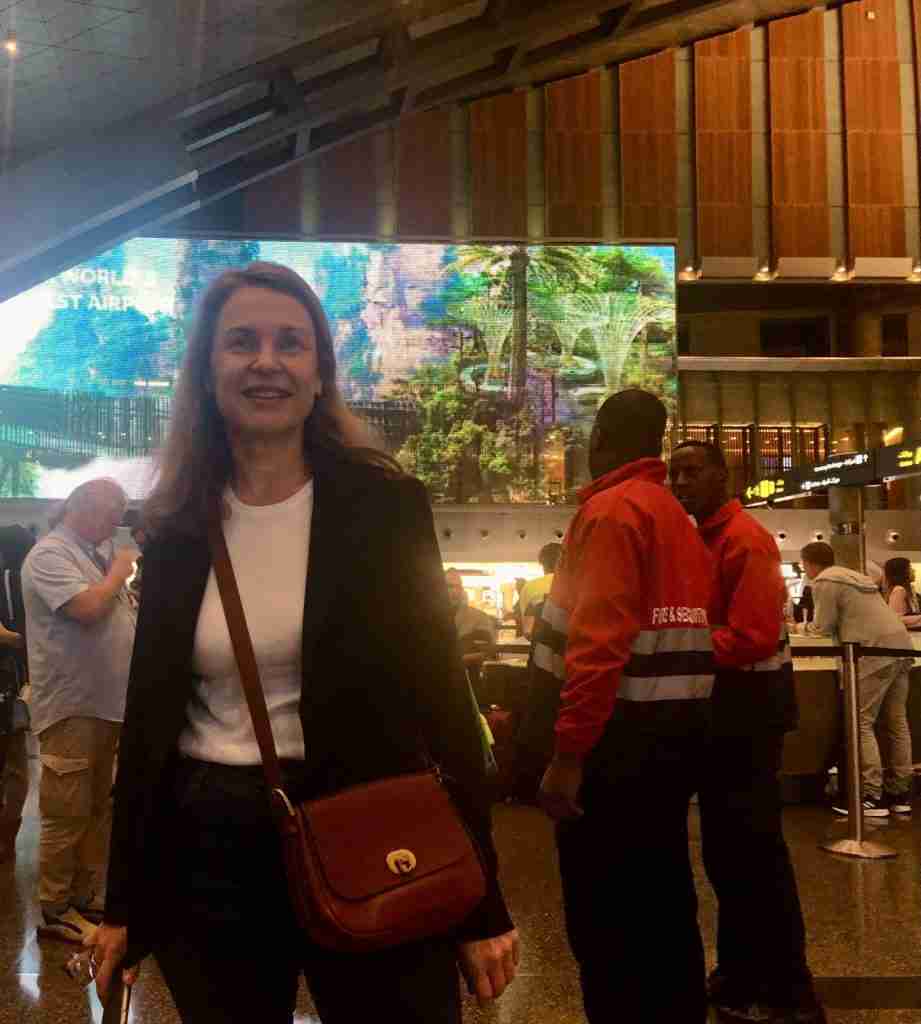
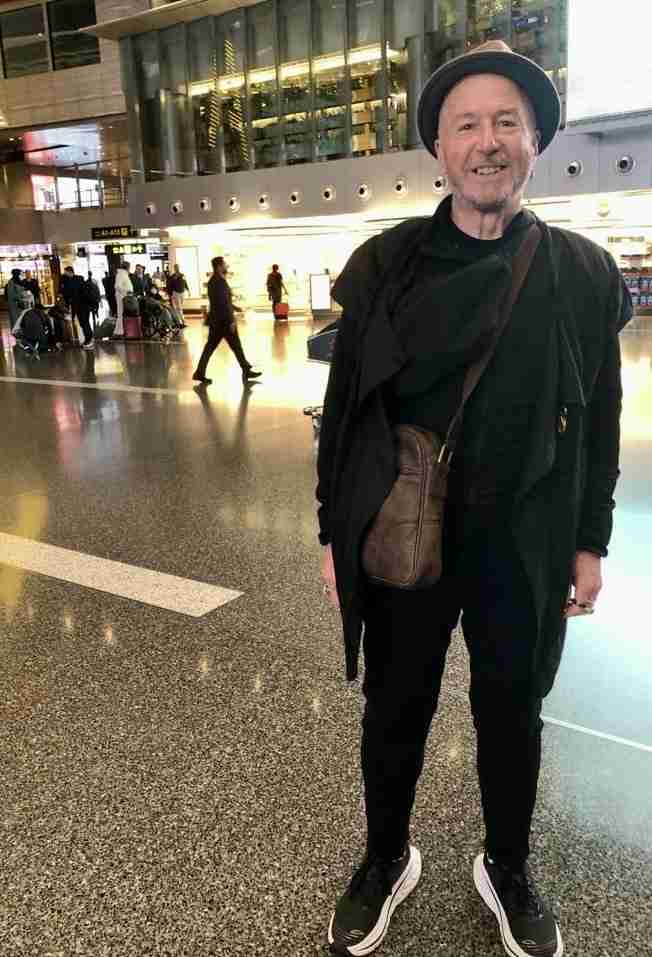
We are once again in the air after a 4 hour stopover in Doha and a change of planes. It’s hard to believe that we set out from home around 26 hours ago. I had every reason to believe that I would fall asleep on this flight which I did for the first hour or so although I wasn’t fully asleep, you could call it a nap. This leg of the flight is just under 6.5 hours. We arrive in Barcelona at around 2.30 p.m. We are just flying over Kuwait with about 4500 kms to go. It’s remarkable being several kilometres in the air over the northern hemisphere, it is hard to believe that 30 years ago the Americans were invading Iraq over what we were led to believe was an invasion of Kuwait by Iraq. Desert Storm was just another American heist.
It’s now 10.20 a.m in Barcelona and we are over Turkey. I just went down the back of the plane and took a peek out of the window, I felt like a voyeur looking down on what looked like a village way down under the clouds. It is a small remarkable planet that we live on.
I can’t see myself going to sleep so I’ll have to put up with just waiting until tonight to close my eyes and shut down. I can’t wait to go for a walk this afternoon when we arrive. Planes are not conducive to sleep. We still have 4 hours remaining in the air so I’ll see what happens when I close my eyes a bit later.
Just before we left Doha I made the mistake of looking at the Age newspaper, the headline was about the sudden death of a young chef who was also a judge on the TV show, MasterChef. He was only 46 years old. Turns out that he died suddenly on Sunday. God, he was only 3 years older than Paul would have been if he had lived. This sort of freaked me out. We had been to his house in Carlton a couple of years ago when his wife was secretly buying a John Martono painting for him for his birthday. He sort of rushed in at the end, not friendly at all but that’s not what this is about. Then Georgie announced that Broderick Smith had also died on Sunday. I didn’t really know him but he had formed my band from the late 60s, The Adderley Smith Blues Band. Broderick was 75. We had crossed paths over the years. Life is fragile. These guys both woke up yesterday morning and just died. It happens unexpectedly. I sure as hell don’t plan on going anywhere for a long time but these events strengthen my resolve to be as healthy as I possibly can.
Having said that I’ve been a bit remiss with my eating over the past 24 hours. A mixture of healthy and plane food. Oh well, it’s only one day. The schedule went totally out of whack but it’s done now and I can counteract it with disciplined eating days over the next week. The moral to the story is that it’s easy to fall off the wagon. Discipline is the key to my success.
We have now been in the air for 24 hours and have a little over an hour to go. I succeeded in having a sleep, possibly for about 2 hours but I have no way to be certain due to time going tipsy Turvey but one thing I can tell you for sure is that it certainly helped. I feel refreshed and much, much better than I thought that I would. Maybe it’s a combination of the preparation, the time shifter app and all of the water that I’ve been drinking. It is yet to be seen how I feel when we arrive in Barcelona but I do have a good feeling. The plane has just flown over Italy, now we are above the Mediterranean, 40,000 feet up in the sky, we are just about to fly over Sardinia.
Our flights are about to terminate. After more than 25 hours we will be able to walk along a footpath and mingle with people on the surface of the earth. Barcelona is about to become the only European city apart from London and Paris that I have visited twice.
I don’t remember a time when I have felt so good after a long haul flight which may be a reflection of my current health. The craziest trip I ever had was in 1994 when I went to Curacao in the Caribbean via L.A, Miami and then to the island. I think that I didn’t sleep for 3 days. I was so excited, I didn’t want to miss a beat and just kept going like the Eveready bunny.
This afternoon will be about arriving, meeting up with Joe, walking and eating, socializing and as the evening descends …. Sleeping.
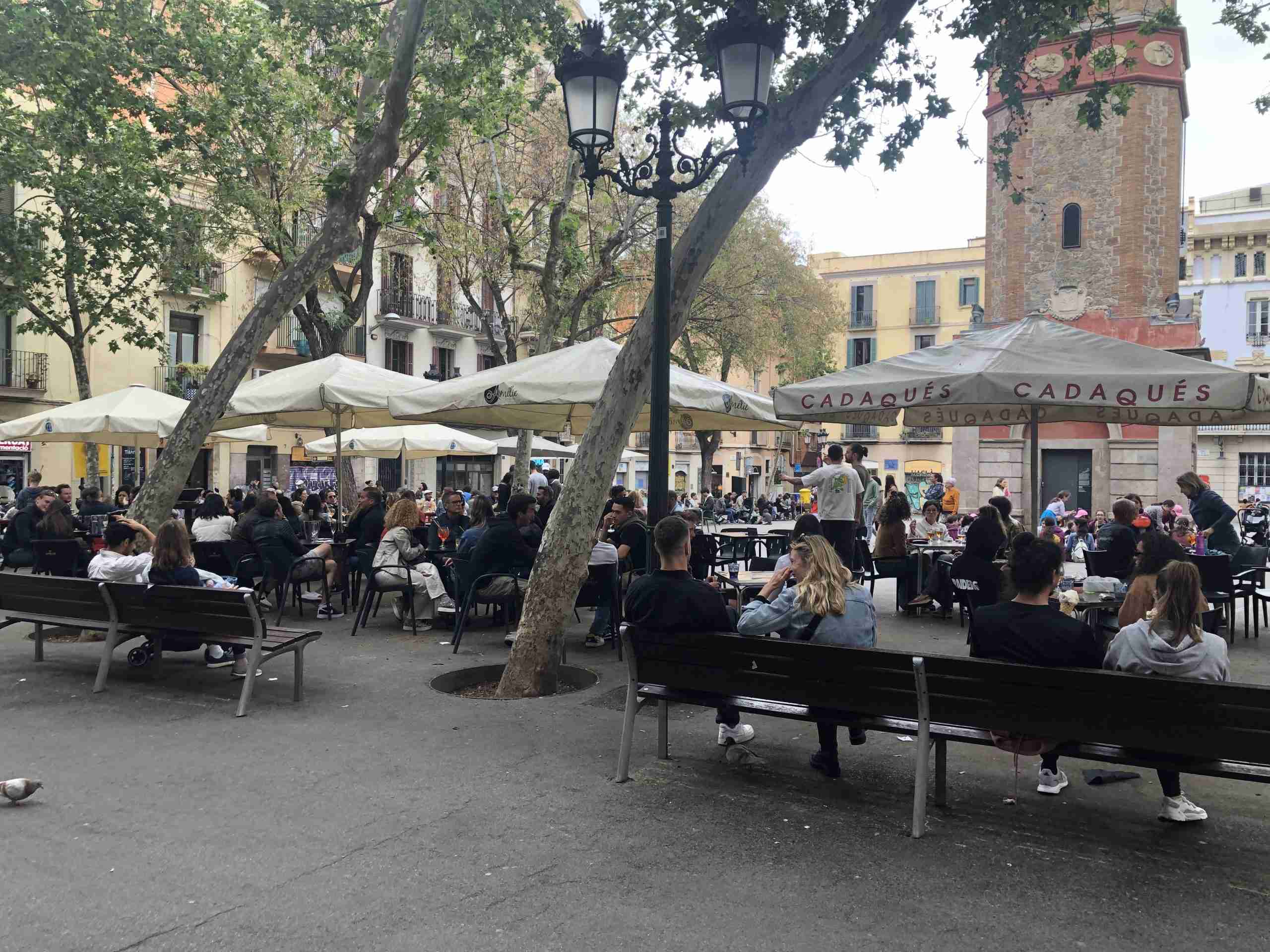
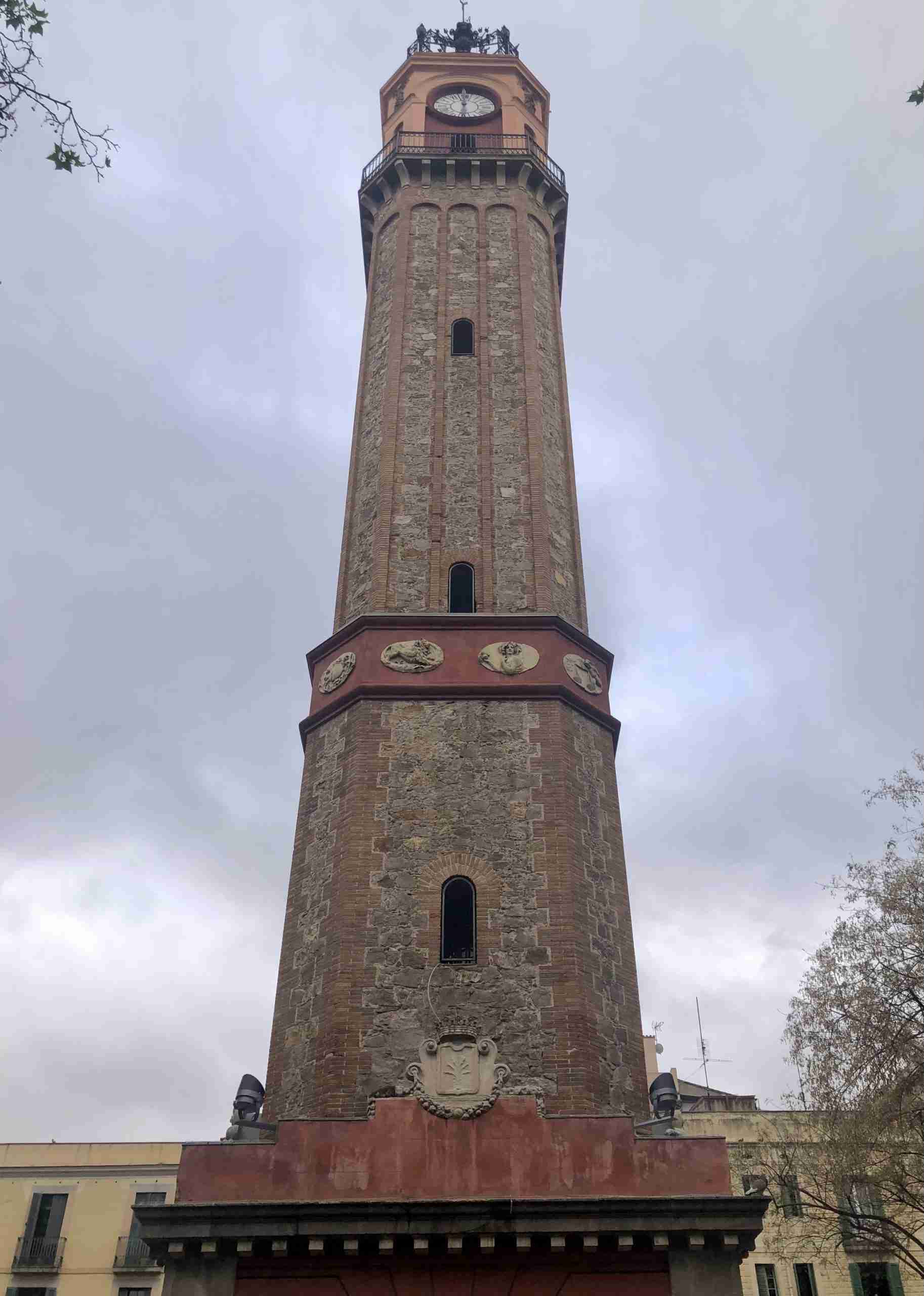
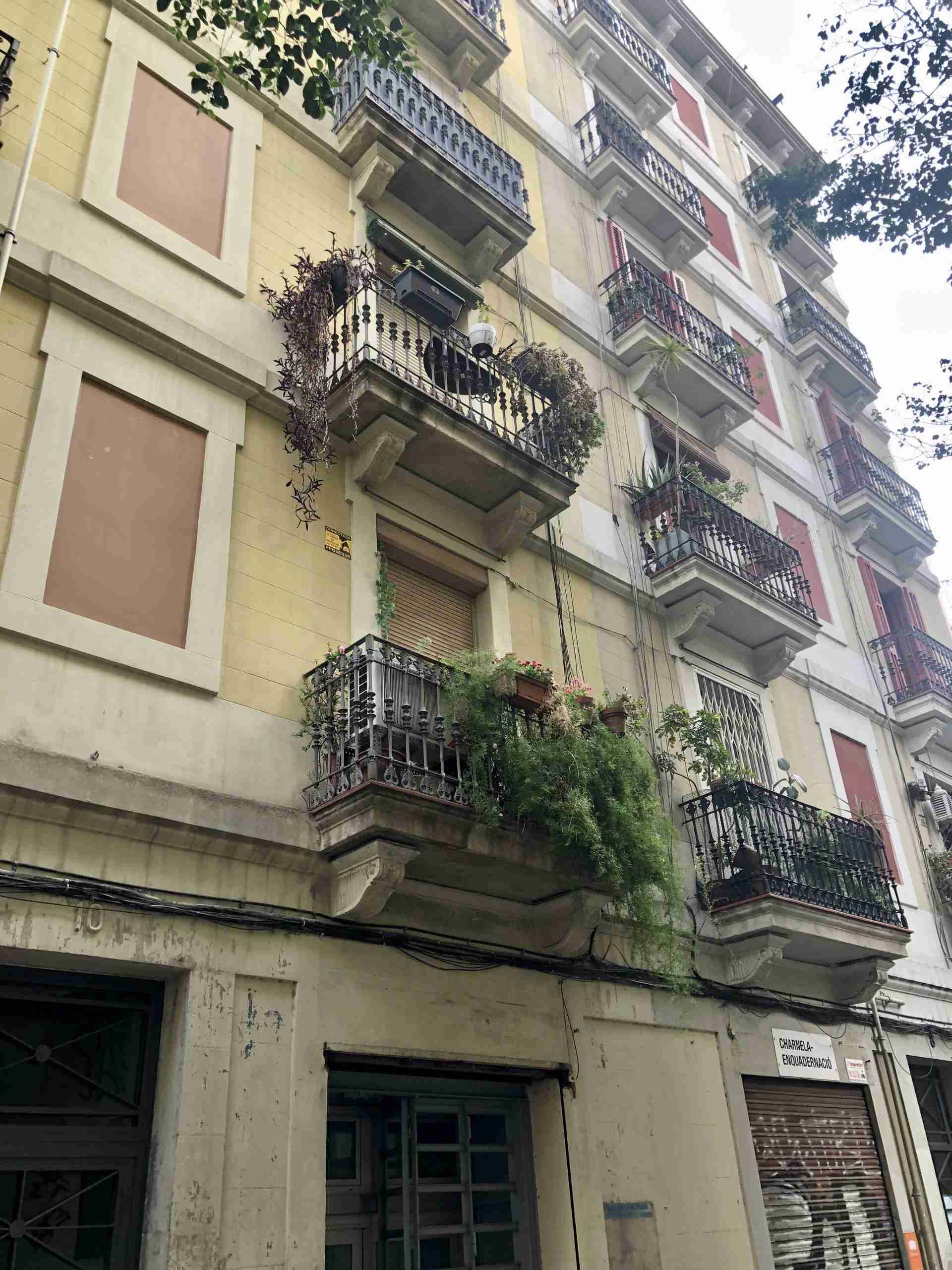
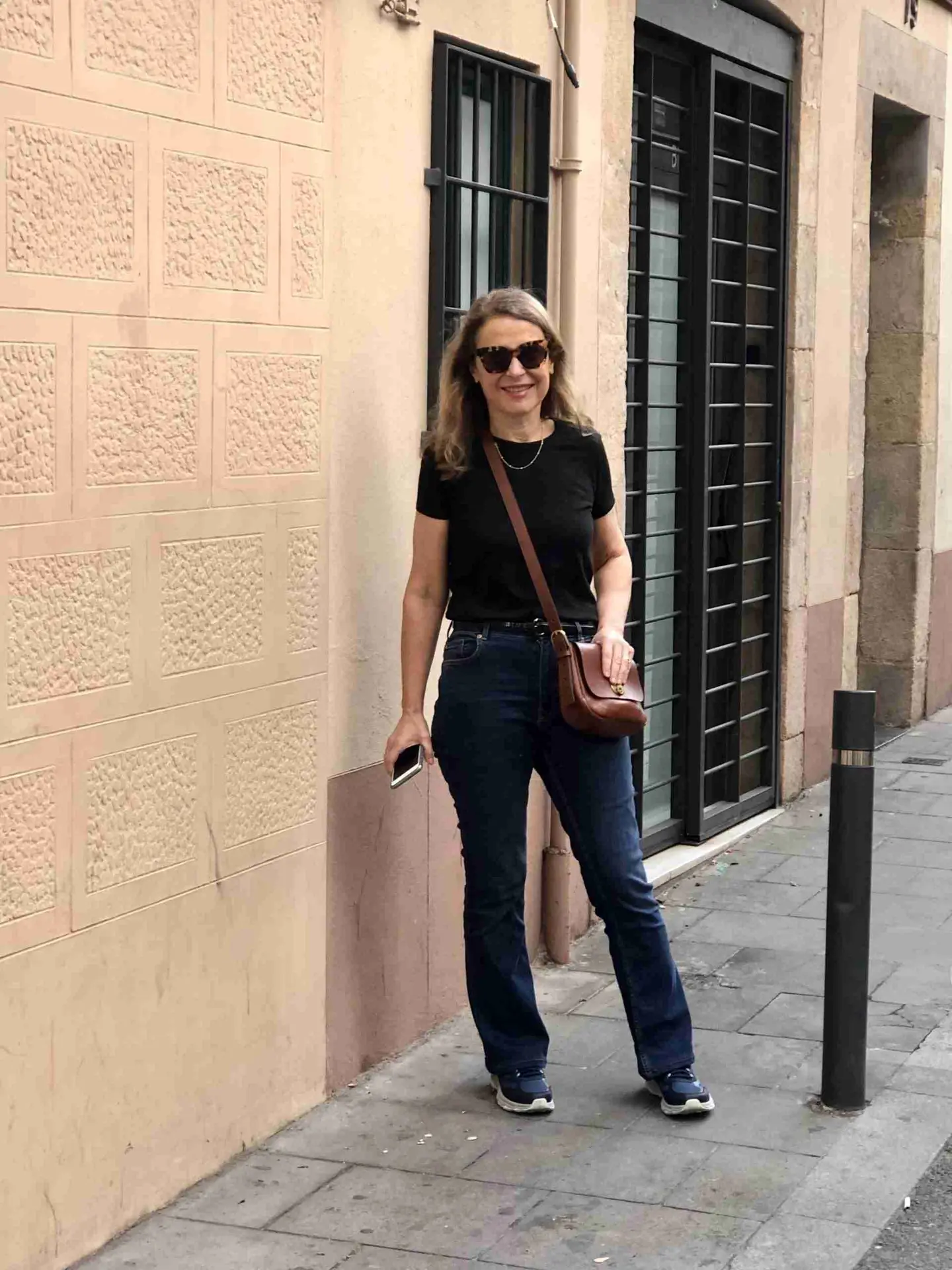
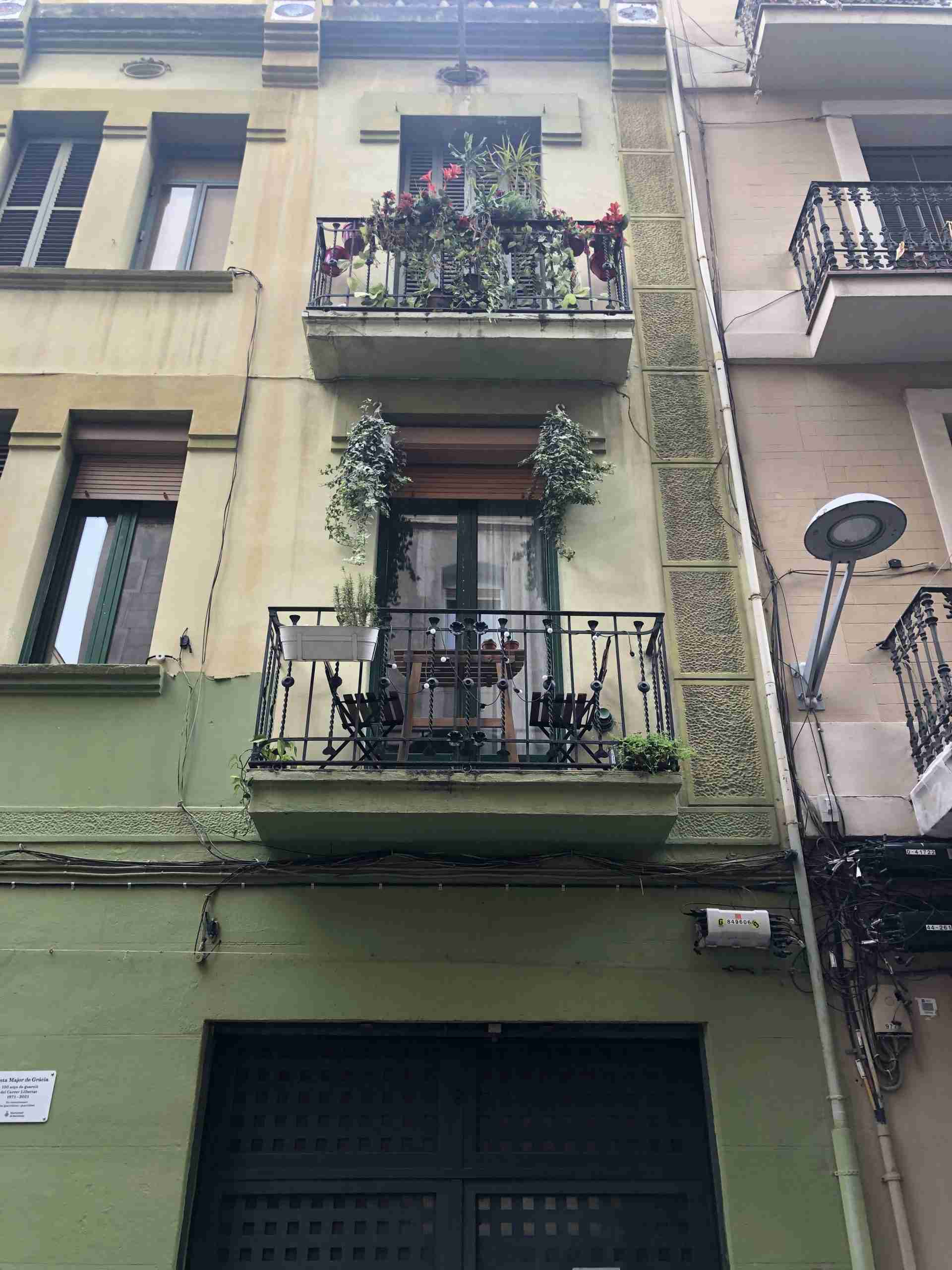
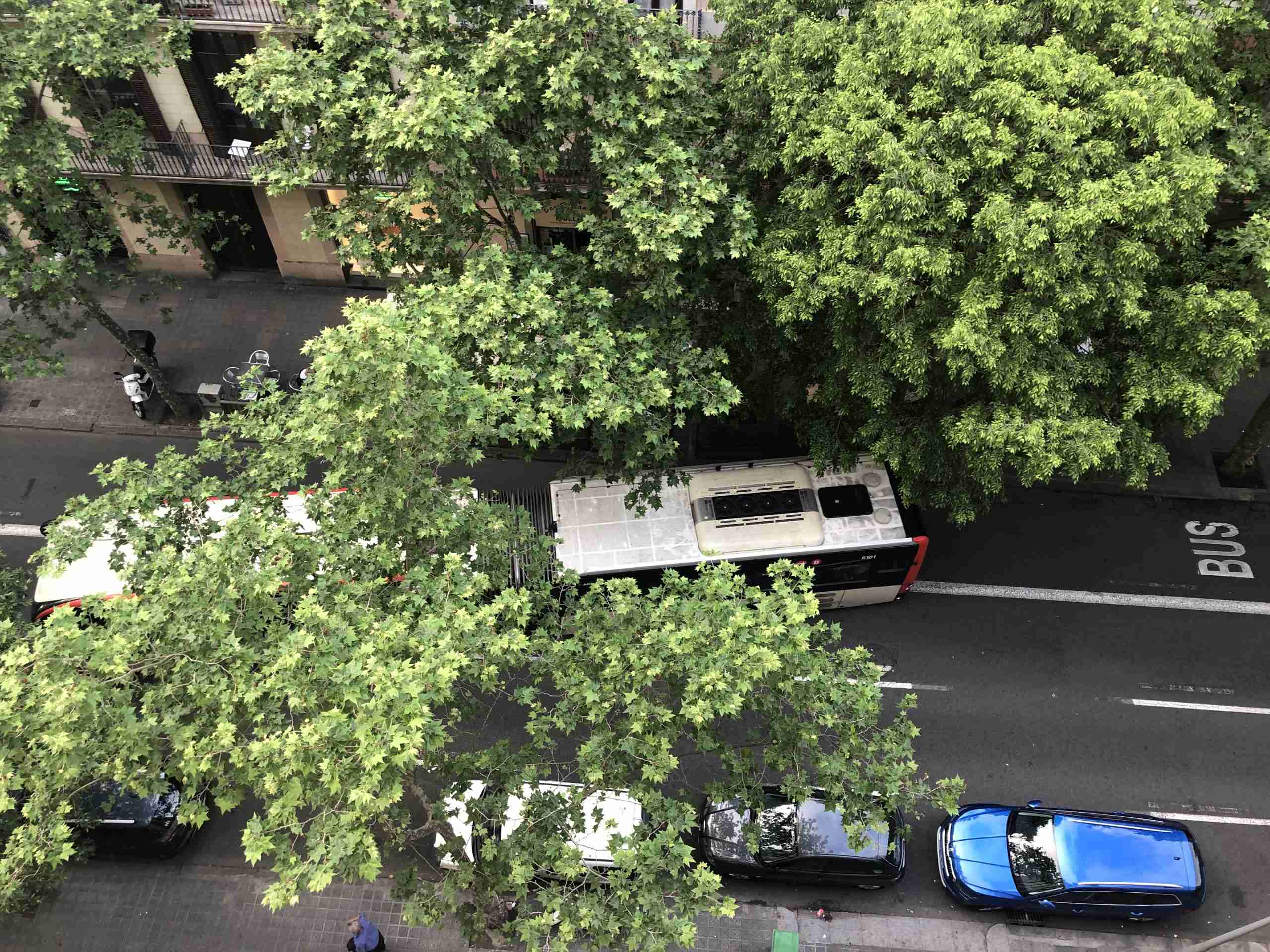
Tuesday May 2, 2023 Barcelona
Steps Today – 23,967 : Calories – 3,413/1168
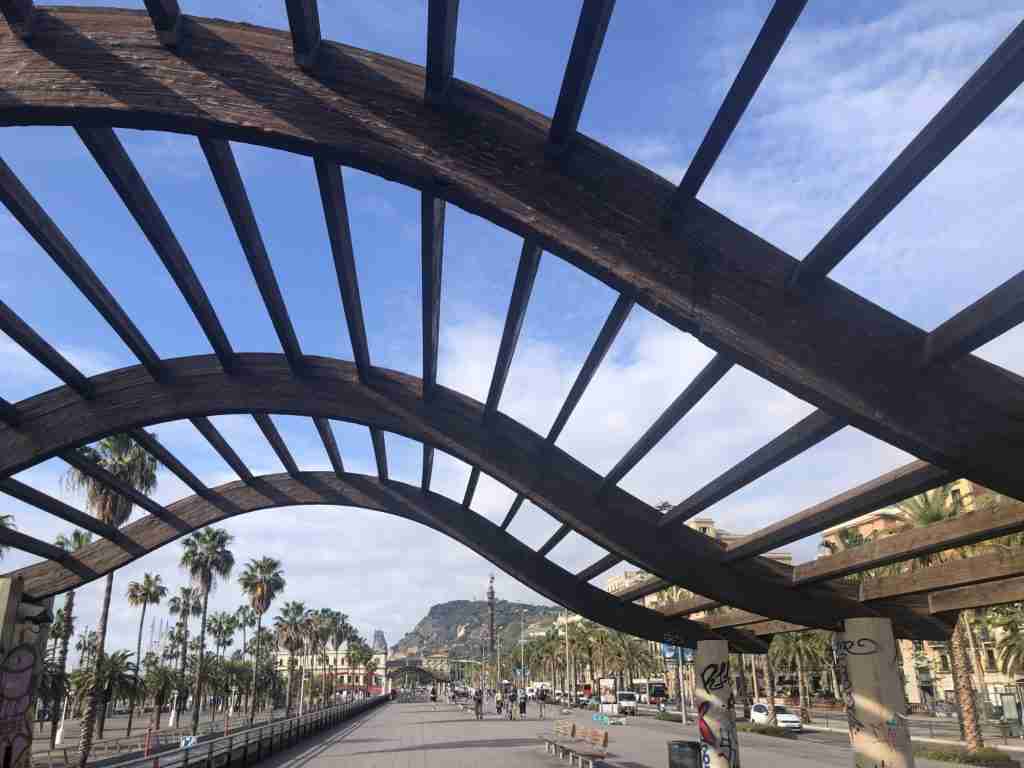
Georgie and I have just woken up and showered after our first night in Barcelona. It’s 7.15 a.m. We went off last night and walked around the local area which is called Gracia. In some ways it is remininscent of inner city Melbourne but at the same time not really, actually the more I look at it the more it looks nothing like Melbourne. We have just wandered the streets of Barcelona for the past 4 hours into the main retail area and down Los Ramblas to the waterfront via the Gothic Quarter or maybe the other way around. I misplaced my debit card which is a polite way of saying that I either lost it or got pickpocketed, apart from the sense of loss and the profound feeling of stupidity it’s OK because I put it on hold pretty much straight away. I’ve since found out that the Apple Pay wallet still works so I can use that to pay which has taken some of the sting out of the loss.
We walked and walked, looking up most of the time at the apartments with their ornate terraces, many with colourful flower baskets cascading over the iron balustrades and random, eclectic furniture placed tastefully, others with louvred shutters painted green or white or any old colour. Some of the verandahs were glassed in which makes them look like little exotic rooms balanced over the footpath or jutting out 5 stories up. Barcelona is a truly beautiful City with wide boulevards and huge footpaths contrasted with narrow laneways which reflect different aspects of its history. We’ve not even been here for 24 hours and we already feel at home. Our point of reference has become the town square of Gracia which is just a stones throw from our hotel which itself is just a stone’s throw from my friend Joe’s apartment. Ironically, our Hotel (Hotel Catalonia) is directly across the road from his girlfriend Cecilia’s apartment.
We indulged ourselves at lunchtime after our 15,000 step morning walk which ended with both of us feeling dizzy from low blood sugar or some similar condition. The walk gave us an extra 800 calories up our sleeves. We are in a new time zone 8 hours behind the Australian clocks which creates a big question mark for our bodies natural rhythms. This means that when it’s breakfast time here it’s dinner time at home and seeing that we don’t eat breakfast our bodies are confused and bewildered. It is now almost 2 pm in the afternoon and we have indulged ourselves as hungry people do. First stop was the chiros shop where we ate 1 custard filled chiros each. Then we walked up to the small town square which is located in front in the quirky Gracia Town Hall where the elderly citizens were sitting outside being guided through some Spanish Karaoke, as they stopped a busker with an angelic voice and deft fingers accompanied himself on guitar and sang beautiful, gentle Spanish songs. We ordered 2 more black coffees, I had Eggplant Parmigiana and Georgie has a big slice of pizza. If that wasn’t enough we each devoured a cone of creamy gelato on the way back to our hotel room for a well earned rest.