Is Dietary Fat the Evil Menace We Have Been Lead To Believe?
About a week ago, I started suspecting that something wasn’t quite right with my blood sugar levels, insulin, and ability to lose weight. Despite eating a low-carb, relatively healthy diet, going to the gym, and walking daily, I wasn’t seeing the results I expected. My routine wasn’t perfect, but overall, I was looking after myself and felt pretty good—so why wasn’t the weight shifting?
Then, I noticed a pattern. My fasting blood glucose was consistently high, sitting between 5.5 and 5.9 mmol/L. It wasn’t a one-off reading; this had become my new normal.
It took me a while, but I finally decided to run some blood tests to figure out what was going on.
Shock, Horror: The Test Results
When the results came back, my suspicions were confirmed.
• Fasting Blood Glucose: 5.9 mmol/L (too high)
• Fasting Insulin: 64.4 pmol/L (also high)
• HOMA-IR Score: 2.3 (indicating mild insulin resistance)
This put me in the danger zone for pre-diabetes, and I have to admit, I freaked out.
What is HOMA-IR and Why Does It Matter?
HOMA-IR stands for Homeostatic Model Assessment of Insulin Resistance. It’s a calculated score that measures how well your body is responding to insulin—essentially, it tells you whether your body is handling blood sugar efficiently or struggling with insulin resistance.
Why is HOMA-IR Important?
• It helps determine if you have insulin resistance, a key driver of weight gain, Type 2 Diabetes, and heart disease.
• Unlike a single blood sugar or insulin test, HOMA-IR looks at both fasting glucose and fasting insulin together, providing a better picture of metabolic health.
• A high HOMA-IR score means your body is producing too much insulin to keep blood sugar under control, which is a key sign of insulin resistance.
How is HOMA-IR Calculated?
The formula is simple:
HOMA-IR = (Fasting Glucose x Fasting Insulin) ÷ 22.5
• Fasting glucose is measured in mmol/L.
• Fasting insulin is measured in pmol/L (converted from µU/mL by multiplying by 6.945).
What Do HOMA-IR Scores Mean?
• Below 1.0 → Excellent insulin sensitivity, low risk of metabolic issues.
• 1.0 – 1.9 → Normal range, insulin is working efficiently.
• 2.0 – 2.9 → Mild insulin resistance, an early warning sign.
• Above 3.0 → Significant insulin resistance, higher risk of Type 2 Diabetes and metabolic disease.
Since my score was 2.3, I was already in the early stages of insulin resistance. If I didn’t act now, things could get worse fast.
How to Lower a High HOMA-IR Score
• Reduce carbohydrate intake to avoid frequent insulin spikes.
• Incorporate intermittent fasting to allow insulin levels to drop naturally.
• Exercise regularly, especially strength training and walking after meals to improve insulin sensitivity.
• Prioritize sleep and manage stress, since both affect insulin function and can worsen resistance.
Final Takeaway
HOMA-IR is one of the best tools for detecting insulin resistance early. Keeping your score low means your body is efficient at using insulin, which helps with fat loss, energy levels, and long-term health.
Testing in Bali vs. Australia
I had these tests done at Kasih Ibu Hospital in Saba, Bali. I have a strong feeling that if I had asked my GP in Melbourne, they would have scoffed and said, “Why do you want to measure your insulin?”—even though it turned out to be one of the most important health tests I’ve ever done.
What’s Next?
Now that I know where I stand, I’m making adjustments to lower my insulin, improve my metabolic health, and get back in control. I’ll be tracking my blood sugar, ketones, and HOMA-IR over time—because knowledge is power, and I refuse to let insulin resistance take over my health.
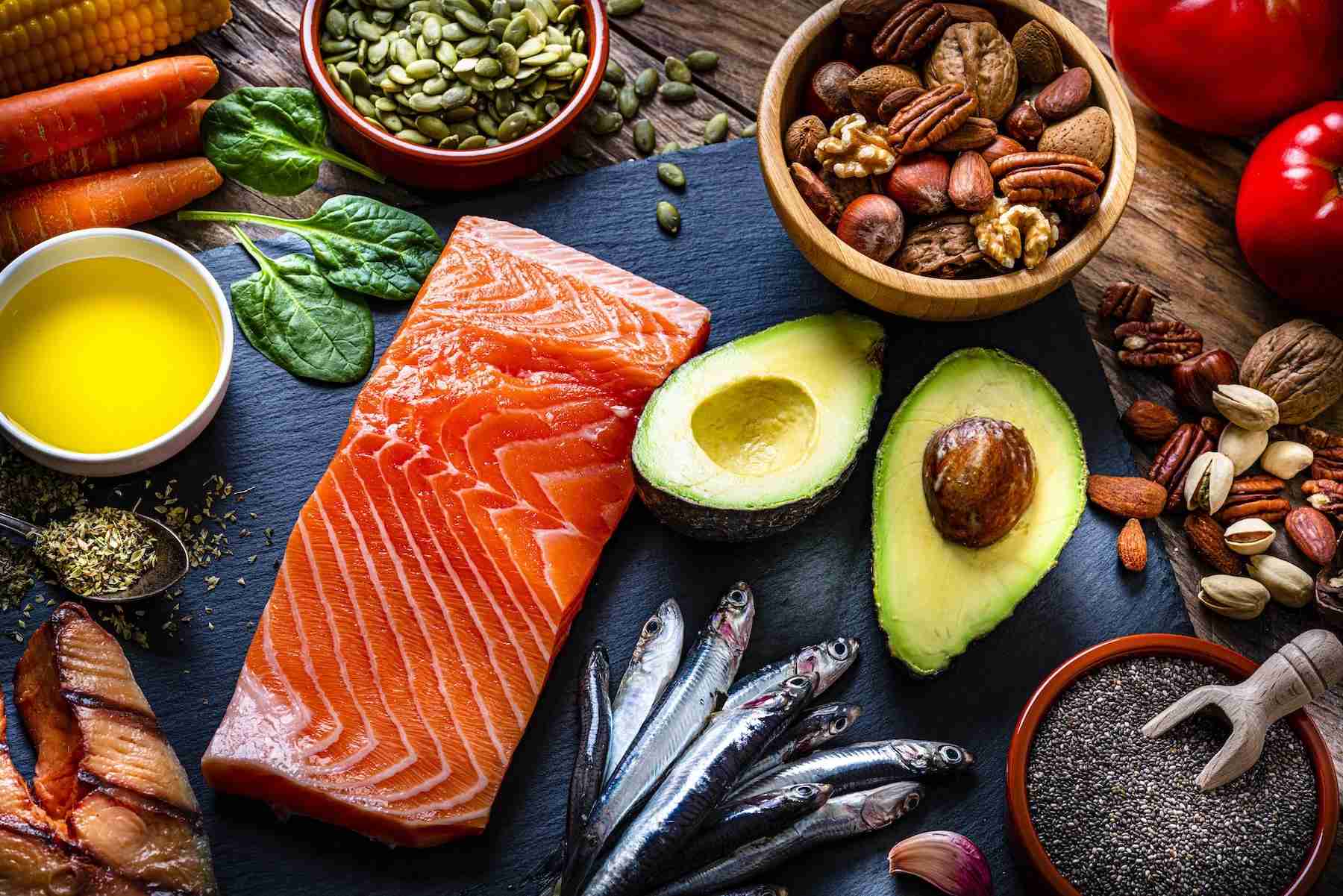
Understanding Fat: The Essential Macronutrient
Fat is one of the three macronutrients essential for human health, playing a crucial role in energy production, hormone regulation, and cellular function. While fat has been unfairly demonized in the past, modern research—including the work of Dr. Ben Bikman—shows that the right types of fats are not only beneficial but essential for metabolic health.
Types of Fat: The Structure Matters
Fats are categorized based on their carbon chain structure and the presence or absence of double bonds between carbon atoms. These differences influence how fats behave in the body and how stable they are when exposed to heat and oxygen.
1. Saturated Fat
• Structure: No double bonds, meaning all carbon atoms are “saturated” with hydrogen. This makes them very stableand resistant to oxidation.
• Sources: Animal fats (butter, beef tallow, lard), coconut oil, dairy fats.
• Impact on Health: Contrary to outdated dietary guidelines, saturated fats are not inherently harmful. In fact, they can be a stable energy source, support brain function, and are crucial for cell membranes. Dr. Ben Bikman emphasizes that the context matters—when combined with a high-carb diet, excess saturated fat may be problematic, but in a low-carb, insulin-controlled state, it is a valuable fuel.
2. Monounsaturated Fat (MUFA)
• Structure: One double bond in the carbon chain, making it moderately stable and less prone to oxidation.
• Sources: Olive oil, avocados, macadamia nuts, pork fat.
• Impact on Health: Monounsaturated fats are widely recognized for their metabolic and cardiovascular benefits. They improve insulin sensitivity and help regulate inflammation. Ben Bikman highlights MUFAs as excellent fats for overall metabolic health, especially when replacing refined carbohydrates in the diet.
3. Polyunsaturated Fat (PUFA)
• Structure: Multiple double bonds, making them highly unstable and prone to oxidation.
• Sources: Found in seed oils (soybean, corn, canola), nuts, and fatty fish. Omega-3s (from fish) and Omega-6s (from seed oils) are both PUFAs, but their effects on health differ greatly.
• Impact on Health:
• Omega-3 (EPA & DHA): Anti-inflammatory, crucial for brain function, heart health, and reducing chronic disease risk.
• Omega-6 (Linoleic Acid): While small amounts are necessary, excess Omega-6 (especially from seed oils) can promote inflammation and contribute to metabolic dysfunction. Bikman warns that industrial seed oils are a major driver of modern health issues due to their high oxidation potential and pro-inflammatory effects.
The Bottom Line
Not all fats are created equal. Prioritizing stable, natural fats like saturated and monounsaturated fats, while balancing Omega-3 and minimizing Omega-6 from seed oils, is key to metabolic health. As Ben Bikman points out, the real enemy isn’t dietary fat—it’s insulin resistance driven by excessive processed carbs and poor-quality fats.
What is Hyperinsulinemia? (High Insulin Levels, Simply Explained)
Hyperinsulinemia means too much insulin in the blood. Insulin is a hormone that helps move sugar (glucose) from your blood into your cells for energy. But when insulin stays too high for too long, it can lead to fat storage, insulin resistance, and metabolic problems.
Why Does Insulin Get Too High?
• Eating too many carbohydrates and processed foods spikes insulin.
• Frequent eating and snacking keeps insulin levels elevated.
• Insulin resistance makes the body produce even more insulin to compensate.
• Excess body fat, especially around the belly, increases insulin demand.
Why Is High Insulin a Problem?
• Fat storage increases because high insulin tells the body to store fat instead of burning it.
• Increased hunger and cravings happen because insulin spikes cause blood sugar crashes.
• Higher risk of Type 2 Diabetes as the body struggles to manage blood sugar.
• Greater risk of heart disease and inflammation since high insulin is linked to high blood pressure, cardiovascular disease, and even cancer.
How to Lower Insulin Naturally
• Eat low-carb, whole foods like healthy fats, proteins, and fiber instead of sugar and starch.
• Time your meals with intermittent fasting to give the body breaks from insulin production.
• Exercise regularly to improve insulin sensitivity.
• Prioritize sleep and manage stress, as poor sleep and high stress raise insulin levels.
Final Takeaway
High insulin leads to fat storage, cravings, and metabolic disease.
Lower insulin promotes fat burning, better energy, and long-term health.