Glutathione: The Master Antioxidant and My Nerve-Healing Ally
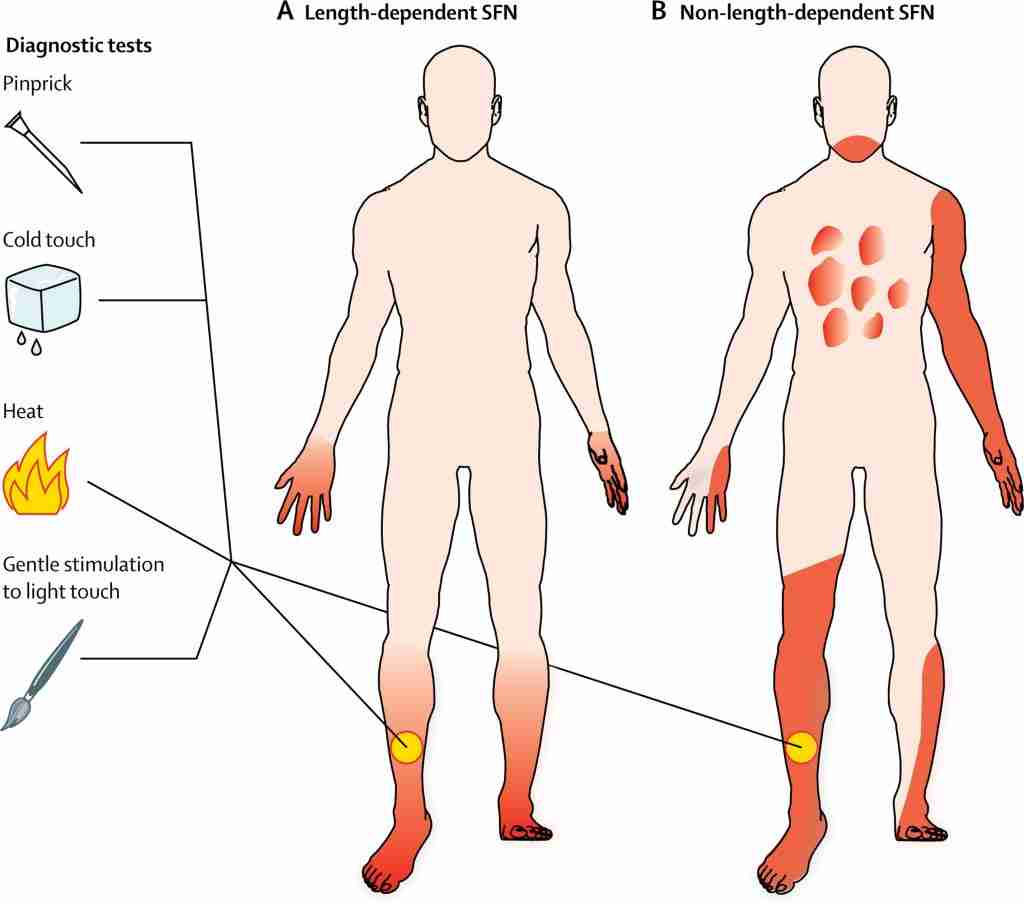
Back in March, when Georgie returned to Australia for a month, I started doing something I’d been curious about for a long time: glutathione IVs. Since then, I’ve clocked up over 20 sessions, each consisting of 150 ml of glutathionedelivered intravenously alongside 300 ml of electrolytes. And now, several months down the track, I’m beginning to appreciate just how significant that decision may have been—especially in relation to my long-standing struggle with small fiber neuropathy.
Glutathione is often referred to as the “master antioxidant”—and for good reason. It’s produced naturally in the body and plays a central role in detoxification, cellular repair, immune regulation, and the neutralization of free radicals. Think of it as the body’s internal janitor—mopping up the oxidative mess created by stress, inflammation, toxins, and the wear and tear of life.
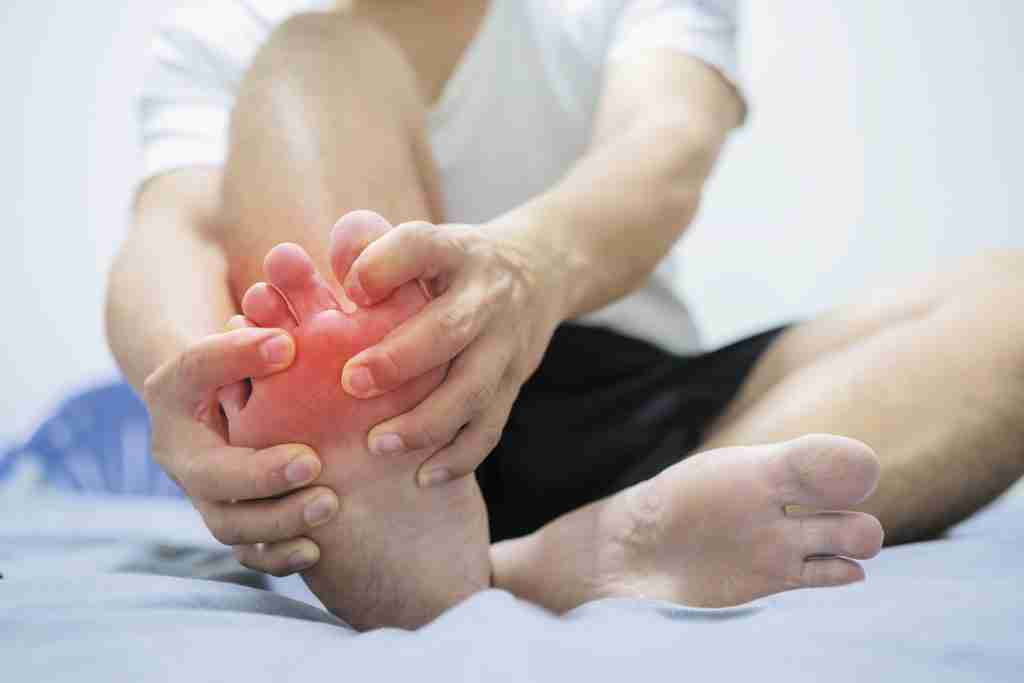
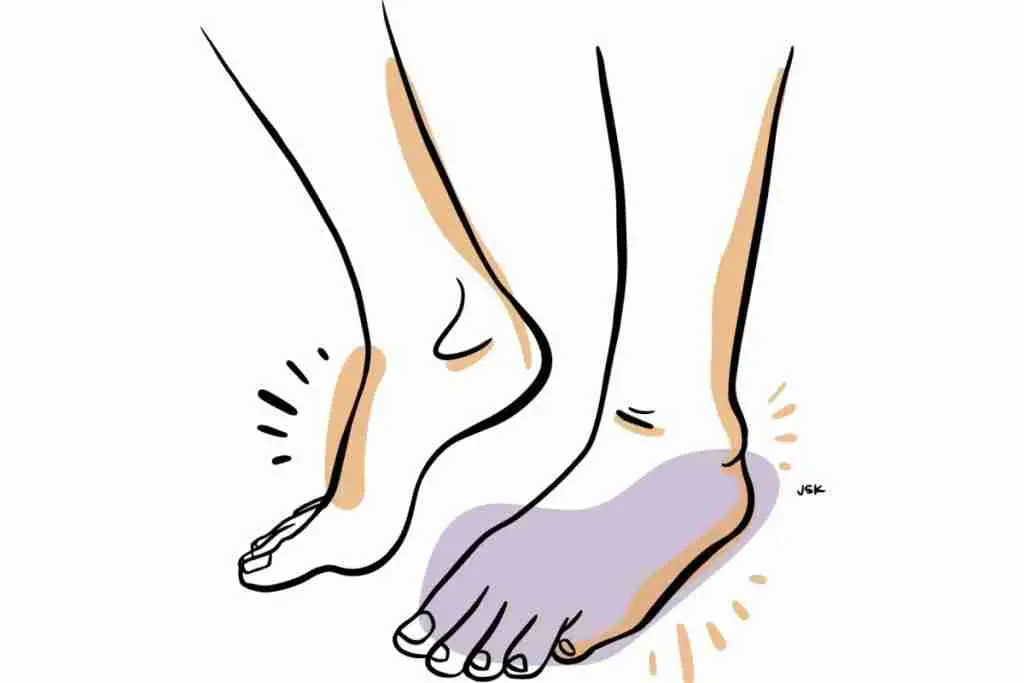
One of the more exciting, though lesser-publicized, benefits of glutathione is its potential to support nerve regeneration. That’s what drew me to it. After years of burning, tingling, and numbness in my feet—and not a lot of help from conventional medicine—I wanted to try everything I could to give my nervous system a fighting chance. I’d read that glutathione might support the mitochondria inside nerve cells, reducing oxidative damage and helping them regenerate, slowly.
I should stress that nerve healing is not a quick fix. Peripheral nerves, especially the tiny, unmyelinated ones affected in small fiber neuropathy, regenerate at a snail’s pace—about 1 mm per day if conditions are perfect. So, progress isn’t immediate. But with each session, I feel I’m stacking the odds in my favor.
Now, here’s the part that may be adding rocket fuel to the mix: I’m doing these glutathione IVs while inside a Hyperbaric Oxygen Therapy (HBOT) chamber. Why? Because I believe the synergy is real.
HBOT increases the amount of oxygen dissolved in the blood plasma, which in turn floods tissues—including damaged nerves and organs—with oxygen. This promotes healing, reduces inflammation, and improves mitochondrial function. When you combine that with a high dose of glutathione—administered while your body is bathed in pressurized oxygen—you create an environment where cellular repair is primed. It’s like giving your cells the tools and the fuel they need to rebuild.
Interestingly, another unintended benefit seems to have emerged. I’m now six weeks into a strict keto diet—a place I’ve been many times before—and I’ve noticed something quite new: no keto cramps. In the past, I’d wake up pacing the bedroom, desperate to relieve the night-time spasms in my legs and calves. This time? Nothing. The glutathione IVs with electrolyte support may be playing a role in stabilizing my mineral balance and buffering the electrolyte depletion that can happen on keto. It’s speculation, but it’s hard to ignore the difference.
So why am I sharing all this? Because I believe that glutathione deserves more attention, especially for people struggling with chronic inflammation, metabolic dysfunction, or neurological conditions like mine. It’s not a silver bullet—but used strategically, and especially when combined with other modalities like HBOT, it may just become one of the foundational tools in your healing toolkit.
As always, this is anecdotal. I’m not a doctor. I’m just a guy who’s trying to fix what’s broken, naturally and aggressively, one protocol at a time.
And this one feels like a good one.