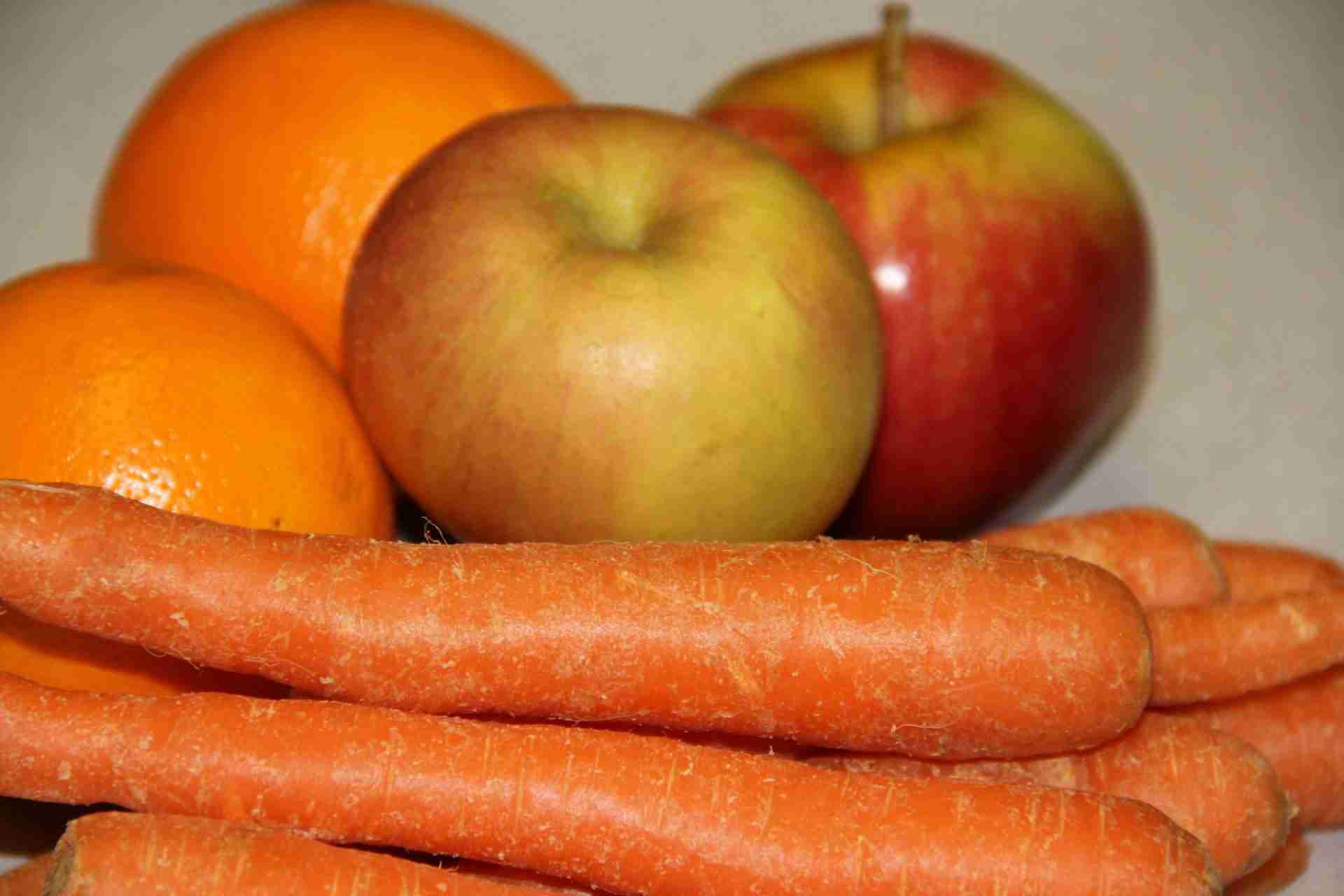
Why You Can’t Eat Carrots or Apples on a Therapeutic Ketogenic Diet (Even if They’re “Healthy”)
When I tell people I’m on a ketogenic diet for therapeutic purposes—particularly to support my cancer recovery—the question I get asked most is:
“Why can’t you eat fruit or root vegetables like carrots or sweet potatoes?”
It sounds counterintuitive, right? After all, aren’t apples and carrots healthy?
Yes… but not if you’re trying to reach therapeutic ketosis—and that’s the key.
🧠
What Is Therapeutic Ketosis?
Therapeutic ketosis goes beyond just “eating low carb” to lose weight.
It’s a metabolic state where your body runs primarily on ketones, not glucose, for energy. This is achieved by lowering your blood sugar and elevating ketone levels through a strict ketogenic diet.
To measure whether you’ve reached this state, we use something called the GKI—the Glucose Ketone Index.
🔬
Understanding GKI
The GKI is a simple ratio:
GKI = (Blood Glucose in mmol/L) ÷ (Ketones in mmol/L)
A GKI below 1.0 = Deep therapeutic ketosis (ideal for cancer protocols)
A GKI between 1–3 = Strong ketosis (also used in cancer therapy, epilepsy, or neurodegeneration)
A GKI of 3–6 = Nutritional ketosis (fat-burning mode, great for weight loss and metabolic health)
A GKI above 9 = Not in ketosis at all
I’ve been testing my GKI daily using a blood ketone/glucose monitor since 2020, when I was diagnosed with cancer. I found that staying under a GKI of 3—especially combined with Hyperbaric Oxygen Therapy (HBOT)—had a profoundly positive effect on how I responded to radiation. I experienced minimal side effects, which I believe was largely due to being in a ketotic state.
🍎🥕
The Problem With Fruit and Root Veggies
This is where people get confused.
Yes, fruits and root vegetables are “whole foods.” They contain vitamins, minerals, fiber—and sugar.
A medium apple contains ~19g of sugar
A banana? Up to 25g
A carrot? About 6g
Beets, sweet potatoes, pumpkin, parsnips—all high in glucose or fructose
When you eat these, your blood sugar rises. Your body gets the message:
“Plenty of glucose available—no need for ketones.”
So it stops producing ketones. You’re knocked out of ketosis—often for a full day or more.
And if you’re aiming for therapeutic ketosis to support healing or fight cancer, that’s a major setback.
🥦
So What Can You Eat Instead?
Here’s what worked for me: cruciferous vegetables.
They’re low in carbs, rich in fiber and anti-cancer compounds like sulforaphane, and they support detoxification.
✅ Cruciferous Veggies List:
Broccoli
Cauliflower
Brussels sprouts
Cabbage (green, red, Napa, savoy)
Kale
Bok choy
Arugula
Radishes
Turnip greens
Collard greens
I made soups using homemade bone broth and loaded them with these veggies. They kept me full, satisfied, and safely in ketosis.
As for fruit? I kept it to the occasional handful of blueberries—but even that can push ketones down if you’re not careful.
🩸
The Data That Changed Everything for Me
I first experimented with keto in 2019 after I quit drinking and wanted to repair my body. But things got serious in late 2020 when cancer entered the picture. That’s when I began daily testing, tracking, and learning the science behind therapeutic ketosis.
Most recently, after discovering I had pre-diabetes and high insulin levels through HOMA-IR and HbA1c blood tests, I committed to a strict 10-week keto reset.
I’ve:
Lost 3 kg of fat (confirmed via InBody scan)
Maintained daily GKI readings between 1–3
Waited on new HOMA-IR results, hoping for big improvements
It hasn’t always been easy—especially when traveling—but I’ve learned to “hack” menus and ask for changes. No carrots, no beets, no hidden fruit. Just real food that keeps my body burning fat and building resilience.
🔁
Final Thoughts: Keto Is About Fuel, Not Just Food
If you’re aiming for therapeutic ketosis—whether for cancer, epilepsy, or metabolic health—you have to see food as fuel.
And root veggies, fruits, and even some “healthy” foods can keep you dependent on glucose.
That’s not to say they’re bad forever. But during this phase? They’ll hold you back.
So if you’re wondering whether it’s worth giving up the apple or the sweet potato…
The answer is: absolutely—if you want to change your fuel source and heal from the inside out.
💬 Want More?
I post regularly about keto, blood markers, IV therapy, HBOT, and rebuilding health from the ground up.
Follow along or subscribe at [garycollier.com.au] to stay in the loop.