Neurotransmitters: The Tiny Messengers That Shape Our Mood, Movement, and Mind
We often think of the brain as a control center, but the real magic lies in how it communicates—with itself and the body. This communication happens through tiny chemical messengers called neurotransmitters. And if these messengers are out of balance, so is everything else: mood, focus, movement, even digestion and sleep.
Over the past few years, as I’ve tackled cancer, pre-diabetes, metabolic syndrome, and aging, I’ve come to realize that brain chemistry is just as vital as physical health. Through strict keto, testosterone therapy, HBOT, glutathione IVs, liver detox, sauna, cold plunges, and ditching alcohol, I’ve felt tangible shifts in mood, clarity, and motivation. Behind all that? Neurotransmitters.
Let’s dive into what they are, what they do, what messes them up—and how you can support them.
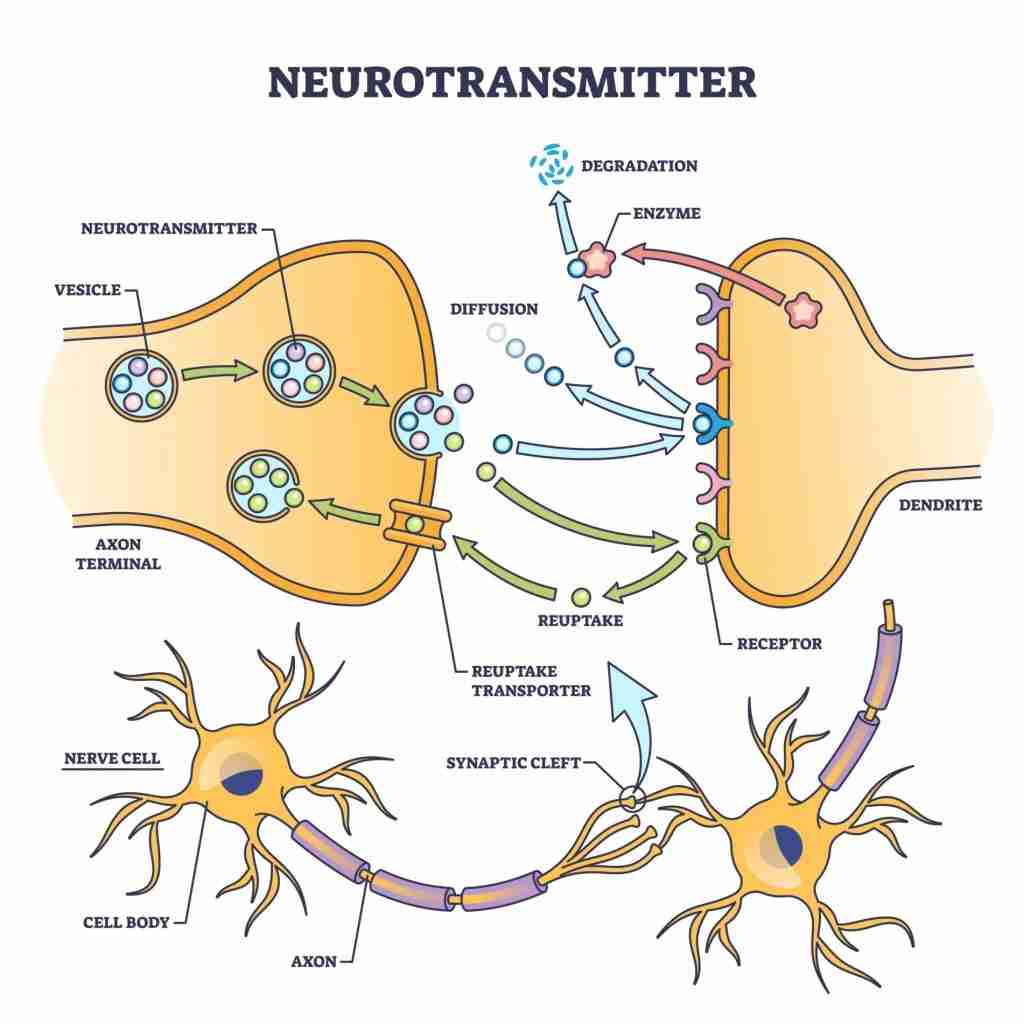
Neurotransmitters are chemical messengers used by the nervous system to transmit messages between neurons or from neurons to muscles. Think of them as the SMS of your brain—fast, direct, and highly influential. Each one plays a unique role, and their effects are fast and widespread, influencing everything from thought and emotion to movement and metabolism.
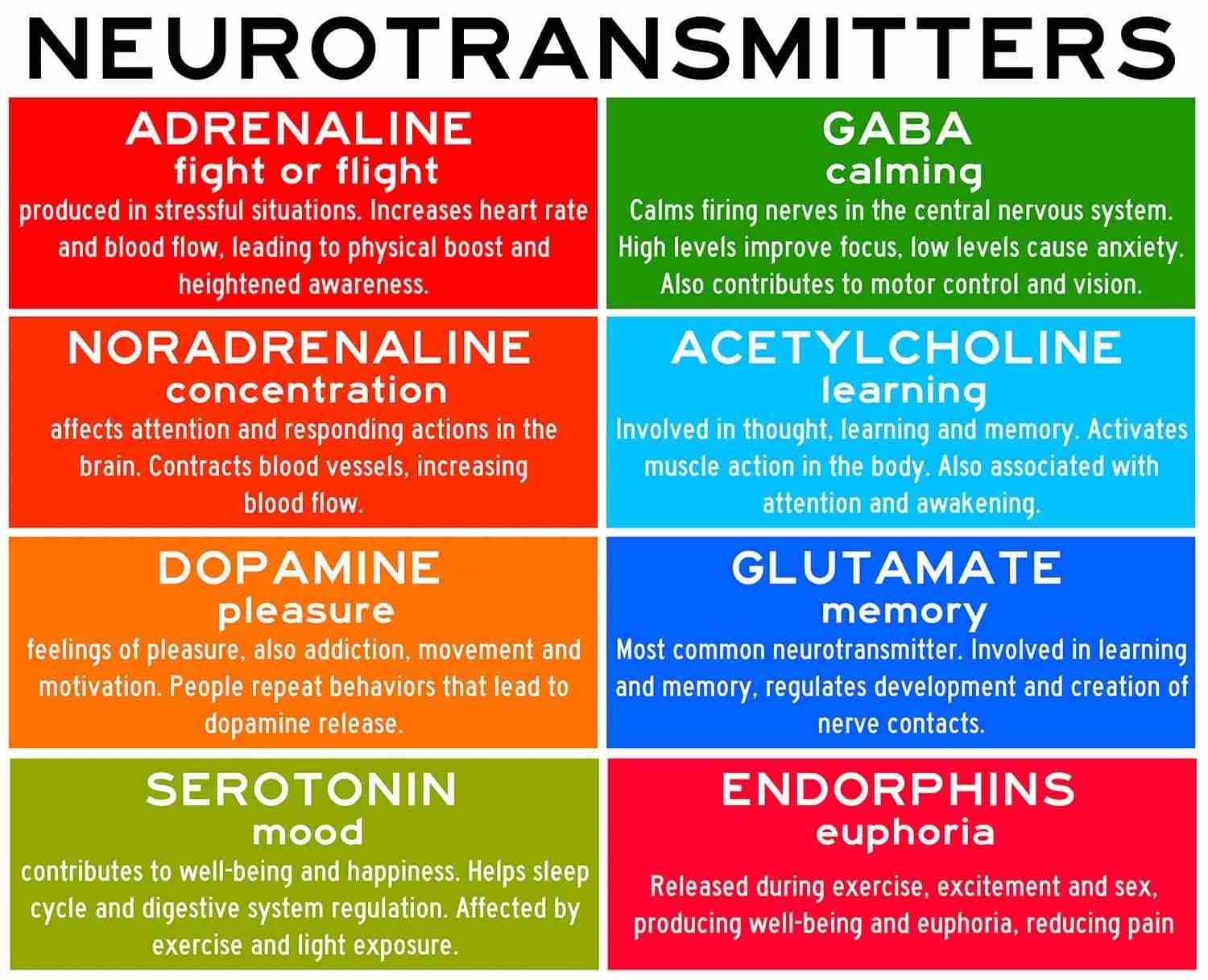
Some of the most important neurotransmitters include:
Dopamine, which plays a major role in motivation, reward, and movement. Low dopamine can lead to depression, lack of drive, or even Parkinson’s, while too much can cause impulsivity, mania, or contribute to schizophrenia.
Serotonin is vital for mood regulation, sleep, digestion, and appetite. When serotonin is low, you might experience anxiety, depression, or insomnia. Excess serotonin can lead to a rare but serious condition known as serotonin syndrome.
GABA is the brain’s main calming neurotransmitter, acting as a natural anti-anxiety agent. Too little can result in nervousness and tension; too much can cause excessive sedation.
Glutamate is the primary excitatory neurotransmitter, helping with learning and memory. Imbalances can lead to fatigue, poor memory, or in excess, neurotoxicity and anxiety.
Acetylcholine is involved in memory, attention, and muscle control. Deficiencies are linked to Alzheimer’s disease and poor concentration, while an excess can cause muscle spasms.
Norepinephrine plays a role in alertness and stress response. If it’s too low, you may feel sluggish and mentally foggy. Too much can make you anxious or hypertensive.
Endorphins are the body’s natural painkillers and pleasure boosters. Low levels may increase pain sensitivity and emotional vulnerability, while excessive levels could contribute to emotional numbing or addiction-like behaviors.
When neurotransmitters are imbalanced—either too low, too high, or when their receptors are desensitized—it disrupts the entire system. You might experience mood swings, brain fog, anxiety, addictive behaviors, sleep problems, muscle issues, or hormonal disturbances. These aren’t abstract symptoms—they’re real, lived experiences. I’ve had periods of intense fatigue, anxiety, and low drive, and it’s only since committing to serious interventions that I’ve noticed improvement.
The good news is that many of the protocols I’ve adopted over the past few years support neurotransmitter function in very real and measurable ways.
My ketogenic diet helps stabilize blood sugar, lower insulin, and encourages the production of GABA and dopamine. It also supports mitochondrial health, which is foundational to making neurotransmitters in the first place.
Hyperbaric oxygen therapy (HBOT) delivers extra oxygen to the brain, supporting healing, reducing inflammation, and rebalancing glutamate and GABA. This has helped me think more clearly and recover faster after workouts and stress.
Testosterone replacement therapy (TRT) has done more than just improve my libido and energy. Testosterone also supports dopamine activity, boosts motivation, and enhances focus. It even interacts with acetylcholine to aid cognition.
Sauna and cold plunges have been a revelation. They not only boost endorphins and mood but also activate norepinephrine, sharpening mental focus and stress resilience. I genuinely feel more alive and centered after a session.
Glutathione infusions and detox therapies clear oxidative stress and metabolic byproducts that can interfere with neurotransmitter balance. They also help recycle dopamine and protect brain tissue from inflammation.
But just as these practices support brain chemistry, there are habits that destroy it.
Alcohol might feel relaxing in the moment, but it’s a wrecking ball to neurotransmitter systems. It temporarily boosts dopamine and GABA, giving you that buzz, but long-term use depletes both and damages receptor sensitivity.
A high-carb, processed diet spikes insulin and blood sugar constantly, disrupting dopamine and serotonin signaling. It causes inflammation in the brain and blunts neurotransmitter activity.
Insulin resistance and obesity reduce brain-derived neurotrophic factor (BDNF), which is crucial for learning and memory. They also promote chronic inflammation, making the brain a more hostile environment for neurotransmitters to function.
Chronic stress and poor sleep burn through dopamine, serotonin, and norepinephrine stores. They reduce receptor sensitivity and impair your brain’s ability to restore balance.
Looking back, I was hitting all of these negative inputs for years—alcohol, sugar, stress, poor sleep—and it showed. Since quitting alcohol in 2019, going low-carb, and embracing a whole range of regenerative practices, I’ve felt a real shift. Not just in my body, but in how I think, feel, and move through the world.
If you want to support your neurotransmitter health, here’s what I’ve found works: Eat a whole-food, low-carb, high-fat diet rich in amino acids. Train regularly with both aerobic and resistance exercise. Use sauna and cold plunges to stimulate the nervous system and recover faster. Get sunshine and align your sleep-wake cycles. Prioritize gut health, since your microbiome plays a massive role in neurotransmitter production—especially serotonin. And above all, cut out the sugar, the processed junk, and the alcohol. Your brain depends on it.
Understanding neurotransmitters gives us a window into the mind-body connection. These tiny messengers are the currency of thought, feeling, and vitality. If they’re not working, nothing works.
The good news? You can influence them with every choice you make—every meal, every sauna, every supplement, every walk. What’s happening in your brain isn’t a mystery; it’s biochemistry—and it’s within your power to optimize it.
I’m still on the journey, but I’m feeling sharper, clearer, and more balanced than I have in years. And that’s worth sharing.