Gallstones, Bile, and My Gut Feeling: A Personal Journey into the Gallbladder Underground
Until recently, bile was just that bitter, yellow-green stuff I vaguely remembered from the tail-end of a hangover — usually expelled during one of those terrible “why did I do that” mornings of my drinking years.
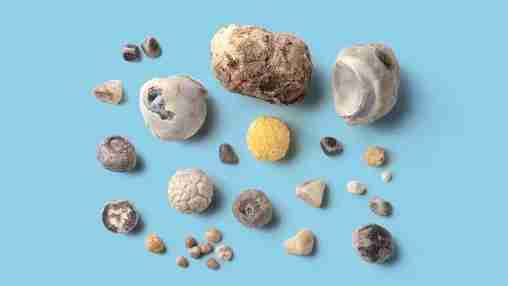
But now, years into sobriety, decades after going vegetarian (then abandoning that), and deep into my healing journey, I’m facing an older, unresolved guest: gallstones. Yes, I’ve got a gallbladder full of the little devils. Discovered first in 1996, when I met Georgie. I did an old-school flush back then — Epsom salts, olive oil, grapefruit juice. Memorable. Nasty. I thought I had handled it.
Turns out… not quite.
Now, every time I bend over to tie my shoes or hunch forward after a big meal, I get a wicked cramp in my upper right abdomen — just below the rib cage. It takes minutes to go away. And it’s happening more and more often.
It’s time to get serious.
So What Is the Gallbladder For, Anyway?
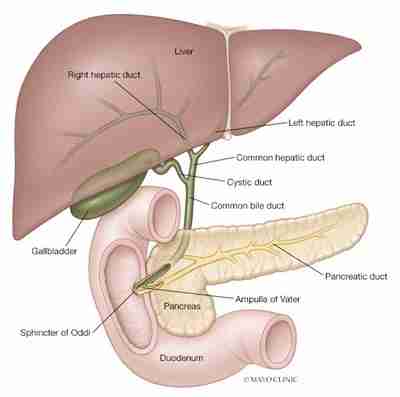
The liver makes bile, a bitter greenish fluid that plays a surprisingly elegant role in digestion. It’s composed of:
Bile salts (made from cholesterol)
Phospholipids (mostly lecithin)
Cholesterol
Bilirubin and waste products
The gallbladder’s job? To store and concentrate that bile until it’s needed.
When you eat a meal containing fat, your body releases a hormone called cholecystokinin (CCK) which triggers the gallbladder to squeeze bile into the small intestine — specifically the duodenum — to help emulsify and break down dietary fats for absorption.
No fat = no squeeze = stagnation.
Why I Might Have Gallstones (And You Might Too)
Let’s connect the dots. I was a vegetarian for decades, ate very low fat, and rarely ate protein. I thought I was doing the healthy thing. But fat is what stimulates bile flow.
So no fat = sluggish gallbladder = stagnant bile = gallstone formation.
Gallstones form when the composition of bile becomes imbalanced — usually too much cholesterol and too little bile salts. Without regular flushing from fatty meals, bile sits there, concentrating, turning thick and sludgy, eventually crystallizing into stones.
Add to that some insulin resistance, which I’ve battled recently, and a few decades of yo-yo weight gain, and you’ve got the perfect storm.
Symptoms? Yes. And They’re Creeping In
Here’s what I’m noticing now:
Cramping pain in the upper right abdomen, especially after fatty meals or bending over.
Intermittent digestive discomfort.
Mild nausea on some days.
Possibly some interplay with my spigelian hernia, which also sits in the gut neighbourhood, though it’s less clear if one causes the other.
Yes, gallstones can be dangerous — if one blocks a bile duct, it can lead to cholecystitis, pancreatitis, or jaundice. But even without a full-blown attack, the chronic symptoms are enough to affect quality of life. And I’m not about to lose my gallbladder if I can help it.
Can a Fatty or Scarred Liver Affect Bile?
Definitely.
The liver is responsible for producing bile — if it’s scarred, fatty, or congested, its capacity to make bile (and detoxify the body) decreases. That means:
Bile production may be insufficient or sluggish.
Bile composition may be more prone to crystallizing.
You end up with incomplete fat digestion, poor nutrient absorption, and more gallstone formation.
And yes — in my case, I’ve had a slightly enlarged and scarred liver in the past (based on 2024 ultrasound results), likely due to earlier metabolic issues and stress on the detox system. But recent scans after doing EBOO and other protocols showed no signs of cirrhosis — so there’s hope.
So What Can You Do About Gallstones (Without Surgery)?
Here’s what I’m exploring, and what the research suggests:
1.
Liver and Gallbladder Flushes
Like the one I did in 1996 — olive oil, Epsom salts, and grapefruit juice. There’s a lot of anecdotal support, but it’s not universally accepted in mainstream medicine. Still, many people report success.
2.
Ursodeoxycholic Acid (UDCA)
A bile acid that can dissolve cholesterol stones over time. Prescription only.
3.
Ultrasound or Shockwave Lithotripsy
Rare but sometimes used to break up stones if they’re not too large and not calcified.
4.
Bile Flow Support
Supplements like:
Taurine
Beetroot powder
Ox bile extract
Phosphatidylcholine
Lecithin
These help thin the bile and support emulsification.
5.
Diet
Eat good fats—to stimulate bile release.
Avoid ultra-low-fat diets—they cause stagnation.
Reduce refined carbs and sugars—they worsen insulin resistance and liver stress.
Can Gallstones Be Related to My Spigelian Hernia?
Unlikely directly, but both can cause referred pain or pressure in similar areas. Gallbladder pain tends to radiate to the right shoulder or under the ribs, while a spigelian hernia can cause localized abdominal pain, especially when straining or bending. If both are present, they may exacerbate each other symptomatically — like compressing sensitive tissues or nerves.
Would Life Be Better Without Gallstones?
Most likely, yes. Without stones:
Bile would flow better.
Fats would be digested more effectively.
You’d absorb fat-soluble nutrients (A, D, E, K) more efficiently.
Less cramping, fewer unpredictable gut symptoms.
But for me, the goal isn’t removal — it’s restoration. I want to keep my gallbladder and help it work better. I believe it’s possible.
Final Thoughts: Gut Feelings and Taking Action
The gallbladder might not get much love, but I’ve come to see it as a critical player in the orchestra of digestion, detox, and energy. Mine’s full of gravel right now, but I’m working on clearing the path — slowly, naturally, and without losing an organ if I can help it.
Next steps? A focused flush, more consistent bile support, and maybe some professional imaging to track changes. It’s time.
Addendum: Getting Real About Flushes and Surgery
Since writing this post, I’ve gone deeper down the rabbit hole. And honestly, some of what I’ve found has made me both frustrated and hopeful.
Let’s get something straight:
Those shiny green “stones” that come out after drinking a cocktail of olive oil and grapefruit? They’re not stones. They’re soap balls. Chemical reactions between fat and stomach acid. Science confirms it. I wanted them to be real, but I also want the truth. And that’s it.
At the other end of the spectrum, I’ve looked hard at the mainstream view — just cut the gallbladder out. But I’m not ready to live without it. I’ve done too much work to heal my body to have a part of it casually removed, especially one that plays such an important role in digesting fat and absorbing nutrients.
So where does that leave me?
Somewhere in the middle — which is where I’ve found some of the best answers.
There are ways to soften, dissolve, and maybe even eliminate certain gallstones. It takes months, consistency, and a combination of bile-thinning supplements, strategic fat intake, and metabolic support. I’m going to trial these approaches, keep tracking symptoms, and avoid triggers like late meals or massive fat loads that might cause more cramping.
This is where the second surge of effort begins — not giving in to hype, fear, or outdated surgical dogma, but also not deluding myself with placebo protocols.
If you’re in a similar spot, you’re not alone. And this blog will be where I report back, honestly, as things unfold.