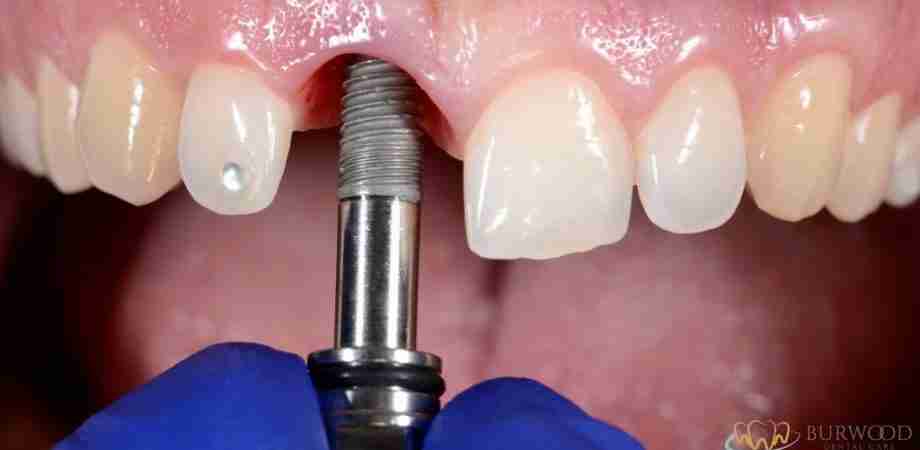
My Dental Implants
Congratulations to myself on finally getting the implant screws inserted into my jaw! It’s an exciting step towards getting my new teeth and it has been a long time coming. I started prepping for this at least 15 years ago when I had a whole lot of big back teeth removed to get ready for implants. Due to complications with Paul and financial considerations I have been procrastinating for all of this time! It’s so crazy how easy it is to let something so important to your overall health and wellbeing slip by year after year and compensate for it by simply getting used to what you have. Several years ago my darling mother in law offered to help out with the finances and the ball started rolling last year.
I’ve done some research into the procedure, here is some general information about what happens to your jaw bone during the procedure and healing process.
During and leading up to the implant procedure, my dental surgeon, Jason Bloom (also called an oral and maxillofacial surgeon) performed the following steps:
- Evaluation: Prior to the procedure, my dental surgeon evaluated my dental and medical history, conducted an examination, and did dental imaging, such as X-rays and a CT scan, to assess the condition of my jaw bone and plan the placement of the implants. Due to my experience with cancer I also had to consult my radiologist to get the all clear from him as well, thank goodness it was all systems go.
- Anesthesia: Before the surgery begins, local anesthesia was administered (lots of it) to ensure my comfort throughout the procedure. I reckon I felt at least 20 needle pricks going into my inner mouth and jaw. I opted not to get a full blown general anaesthetic which would have not only added thousands of dollars to the procedure but would have also meant having loads of tests and a specialist anaesthetic practitioner in the room while I had the screws put in. The numerous injections in my mouth are probably the most physically painful aspect of the surgery, cringeworthy, although bearable they did the job and covered the pain.
- Incision and Access: Once the area which in my case was my whole mouth and jaw upper and lower, was numb, the surgeon made several incisions in my gum tissue to expose the underlying jaw bone. The incisions allow access to the site where the implant will be placed. I was having 5 posts put in all at once which is quite a big job.
- Preparation of the Site: Using specialized dental instruments, the surgeon created a small hole or a series of gradually widening holes in my jaw bone. This was done to prepare the site for the implant placement. I was pleased that I hadn’t done too much research before the surgery. I took a look at a YouTube clip of what actually happens after it was over, it was gruesome. I may have thought twice about going ahead if I had known what was going to happen.
- Implant Placement: The implant, which is typically made of titanium or a titanium alloy, was inserted into the prepared site in the jaw bone. The implant acts as an artificial tooth root and provides a stable foundation for the future prosthetic teeth. I put my noise cancelling earphones on, found some appropriate loud music, closed my eyes and took deep breaths. Even though this cut out a lot of the noise I could still feel the screwing and banging throughout the procedure which ended up taking a bit more than an hour.
- Closure: After the implants were placed, the gum tissue got sutured back into place to promote proper healing and protect the implant site. This was another cringeworthy moment.
After the procedure, my jaw bone will go through a process called osseointegration, which is crucial for the long-term success of the implant. Osseointegration refers to the direct structural and functional connection between the implant surface and the surrounding bone. Here’s what happens during this period:
- Initial Healing : In the first few weeks after the surgery, my body initiates the healing process. The gum tissue starts to heal, and the jaw bone begins to form a blood clot around the implant site.
- Bone Remodeling : Over the next few months, my body gradually replaces the blood clot with new bone tissue. This process is known as bone remodeling. The jaw bone fuses with the surface of the implant, creating a strong bond. It’s important to note that this healing period can vary from person to person and may take around 3 to 6 months or longer. This is where my immune system, understanding and discipline will come into play. The trick is to help my immune system to repair the trauma of the procedure.
- Implant Stability : As the bone integrates with the implant, it provides stability and support. This osseointegration process ensures that the implant becomes a sturdy anchor for the artificial tooth or teeth that will be attached later.
It’s worth mentioning that each person’s experience and healing timeline can differ based on various factors, including overall health, bone density, and the number and location of the implants.
As I said, my immune system plays a vital role in the healing process after implant surgery. It is responsible for defending my body against infections and promoting tissue repair. Here’s how the immune system contributes to the healing of your jaw bone after the implant procedure:
- Inflammation and Wound Healing: After the surgery, your body triggers an inflammatory response as part of the natural healing process. Inflammation helps to eliminate any potential pathogens or debris at the surgical site and initiates the repair process. The immune system deploys white blood cells, particularly neutrophils and macrophages, to the area to clear away bacteria and cellular debris. I tried to get my head around all of this stuff during my cancer recovery’s I’ve got a basic idea of what happens. It’s a miracle.
- Infection Prevention: A healthy immune system helps to prevent infections at the surgical site. Although the surgical area is sterilized and antibiotics were prescribed, the immune system acts as an additional line of defense. It recognizes and targets any potential pathogens that may have entered the wound, reducing the risk of infection.
- Tissue Regeneration and Remodeling: As the healing process progresses, the immune system releases various growth factors, cytokines, and signaling molecules that promote tissue regeneration and remodeling. These substances help to stimulate the production of new blood vessels (angiogenesis) and the formation of new bone tissue (osteogenesis) around the implant. They also regulate the activity of different cells involved in the healing process, such as fibroblasts and osteoblasts.
- Modulation of Inflammation: The immune system also helps to regulate the inflammatory response during the healing process. It releases anti-inflammatory molecules, such as interleukin-10 (IL-10), to prevent excessive inflammation and promote a balanced healing environment. This modulation of inflammation is important for optimal tissue healing and minimizing complications.
- Overall Healing and Recovery: A strong and healthy immune system supports your overall healing and recovery after the implant procedure. It helps to maintain a robust defense against potential complications, such as infections or excessive inflammation, which can delay healing or adversely affect the implant’s integration with the jaw bone.
Overall I have a feeling that my body is handling the new screws quite well. I’ve got to eat nutritious simple food which I’m planning to base on bone broth that I’ve prepared. I made a delicious soup last night with the bone broth, cauliflower, coconut milk and other veggies including garlic, leek, eggplant and zucchini. I’m also working hard to stay in ketosis during my recovery which should also help my immune system plus I need lots of rest and sleep to help my immune system do its job. The other thing I plan to do is hyperbaric oxygen, at least 2 sessions next week and the following week.
Hyperbaric oxygen therapy (HBOT) is a medical treatment that involves breathing pure oxygen in a pressurized chamber. It has been used for various conditions and has shown potential benefits for wound healing, including in dental and oral surgery cases. Here’s what you need to know about HBOT and its potential role in promoting the healing process after implant surgery:
- Enhanced Oxygenation: HBOT increases the oxygen levels in your body, including in the bloodstream, which can be beneficial for wound healing. The increased oxygen delivery helps to support cellular metabolism and the production of energy required for tissue repair.
- Angiogenesis Promotion: Angiogenesis refers to the formation of new blood vessels, which is a critical process in tissue healing. Studies have suggested that HBOT can enhance angiogenesis by stimulating the release of growth factors and increasing the oxygen availability in the tissues. This improved blood supply can promote the healing of the surgical site, including the integration of the implant with the jaw bone.
- Reduced Inflammation: HBOT has been found to have anti-inflammatory effects. By reducing inflammation, it may help to minimize tissue damage, control swelling, and create a favorable environment for healing.
- Infection Control: HBOT can help combat certain types of infections, particularly those caused by bacteria that thrive in low oxygen environments. By increasing oxygen levels, HBOT can create an unfavourable environment for these bacteria, potentially reducing the risk of infection at the surgical site.
It’s 30 hours after the surgery for me now, apart from needing to sleep a lot I am doing surprisingly well. No real pain, no swelling yet. Not what I expected after looking at several YouTube clips on the healing process and also what Jason Bloom told me might happen. I’ll take it as a good sign. I’ve got the option of a couple of single sessions at Oxymed next week although on looking at the data on the benefits of HBOT I should try to get 2 sessions in on the same day. That can hopefully be organised tomorrow for early next week. As far as food goes I had more of my cauliflower soup for lunch and scrambled eggs and mashed cauliflower with cheese for dinner plus a big serve of whey powder in the form of a protein drink.