Brushstrokes of Ubud: A Personal Look at Art and Galleries in Bali’s Cultural Heart
If there’s one thing Ubud has always had pulsing through its veins — aside from coconut water, yoga, and traffic — it’s art.
You don’t have to be an expert to feel it. You sense it in the carved doorways, the offerings on the ground, the temple paintings, and even in the little galleries that line the laneways behind Monkey Forest Road. It’s everywhere — sometimes refined, sometimes raw — but always expressive.
The roots of Ubud’s reputation as the artistic heart of Bali go way back. Before the digital nomads arrived and the juice bars multiplied, there was a quiet, fertile exchange happening here between Balinese traditionalists and a small band of Western artists who brought new ideas, techniques, and — perhaps most importantly — curiosity.
One of the central figures in this cultural conversation was Walter Spies, a German painter and polymath who arrived in Bali in the 1920s. He wasn’t just an artist — he was also a composer, filmmaker, and something of a connector. His home in Campuhan became a hub for creatives and seekers from around the world. He brought a new perspective to Balinese art — encouraging narrative, structure, and experimentation within a style that had for centuries been rooted in mythology and ritual.
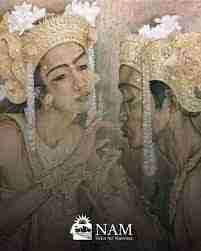
Alongside him came Rudolf Bonnet, a Dutch artist with a classical eye and a deep reverence for the Balinese. Bonnet helped co-found what would become Puri Lukisan Museum in central Ubud — one of the island’s first formal art institutions, still going strong today. The museum remains an essential stop for anyone wanting to see how traditional Balinese painting evolved, with early works by Ida Bagus Made, Anak Agung Gde Sobrat, and other pioneering local painters.
Then there was Arie Smit, another Dutchman who arrived in the 1950s and later inspired what came to be known as the Young Artists Movement — a looser, more colourful, almost folk-art style that broke away from strict temple conventions. Smit encouraged children in Penestanan to paint with freedom, and in doing so helped spark an entirely new movement in Balinese contemporary art.
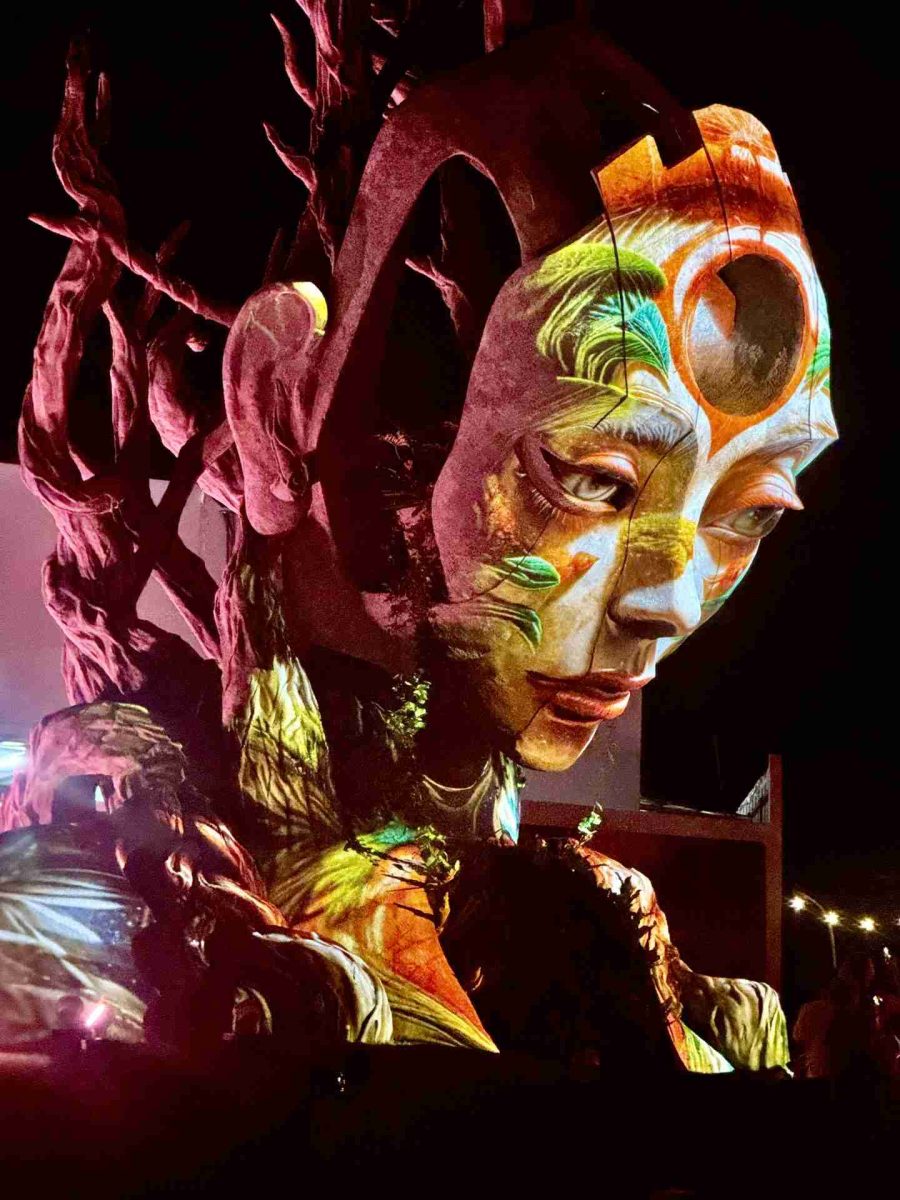
Fast-forward to today, and Ubud still wears its artistic heritage proudly — but it’s also evolving. The traditional and the contemporary co-exist, sometimes awkwardly, but often beautifully
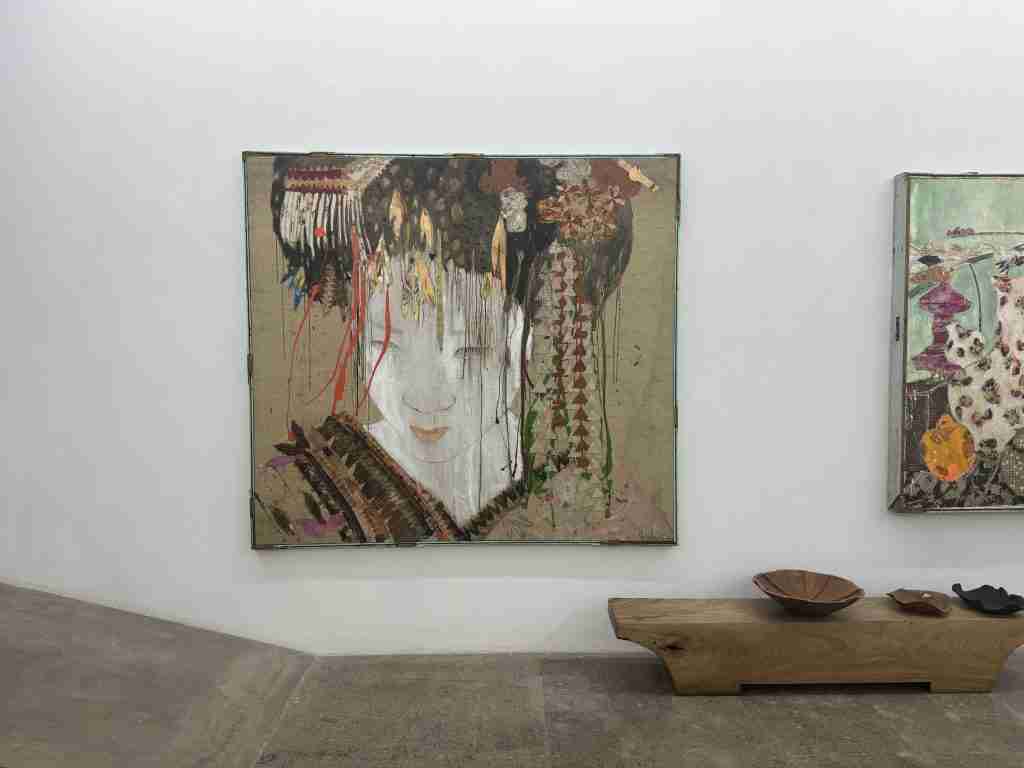
For anyone interested in the contemporary art scene, two places always come to mind:
Tony Raka Gallery (Mas)
Tony Raka has done a brilliant job of creating a space that bridges the gap between heritage and innovation. The gallery sits in Mas, a village traditionally known for wood carving. Inside, you’ll find everything from cutting-edge Indonesian contemporary artists to sculpture, mixed media, and modern design objects. It’s clean, expansive, and serious about art without being pretentious.
Sika Gallery (Sanggingan)
Run by Made Sika, this gallery has a long-standing reputation for showcasing emerging and mid-career Indonesian contemporary artists. It’s one of the few truly independent spaces in Ubud where experimentation is welcomed, and the gallery has supported countless artists who now exhibit internationally. There’s a quiet authenticity about Sika — it doesn’t shout for attention, it just quietly curates, presents, and supports.
Of course, no art exploration in Ubud would be complete without visiting:
Neka Art Museum (Sanggingan)
Started by Suteja Neka, the son of a traditional woodcarver, this museum is a love letter to the evolution of Balinese and Indonesian painting. You’ll find work from the early European painters who visited Bali, classic Balinese pieces, and even a strong collection of Arie Smit’s works. It’s well laid out, uncrowded, and provides an excellent sense of how Balinese art has changed and why it still matters.
Puri Lukisan Museum (Central Ubud)
Mentioned earlier, but worth repeating — Puri Lukisan is like Ubud’s artistic anchor. It’s nestled in the heart of town and manages to feel like a little temple of art. Quiet paths, lotus ponds, and four galleries filled with rotating exhibitions. It honours the early masters of Balinese painting but also gives space to the new generation.
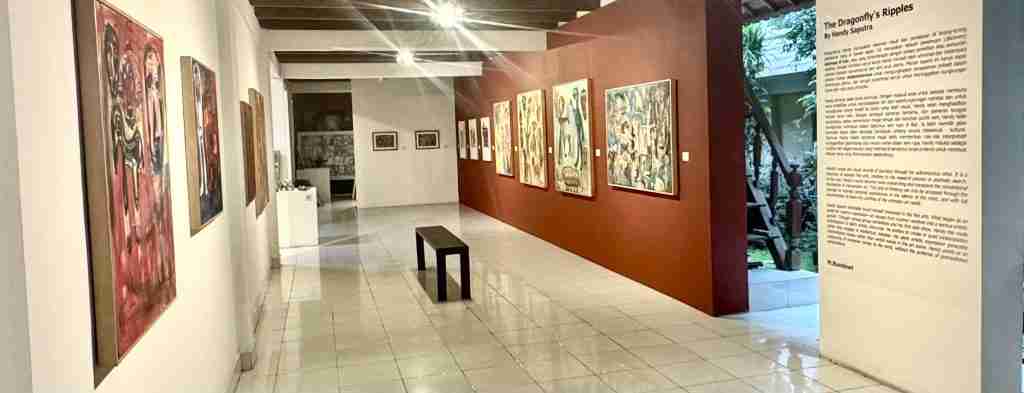
There’s something comforting about seeing these threads — Spies to Bonnet to Smit, from rice field paintings to conceptual sculpture — all still held together by a town that doesn’t always get the credit it deserves. Ubud has become a bit of a caricature in recent years, but the soul is still here — you just have to look beyond the dreamcatchers and the dragonfruit bowls.
Art here still breathes.