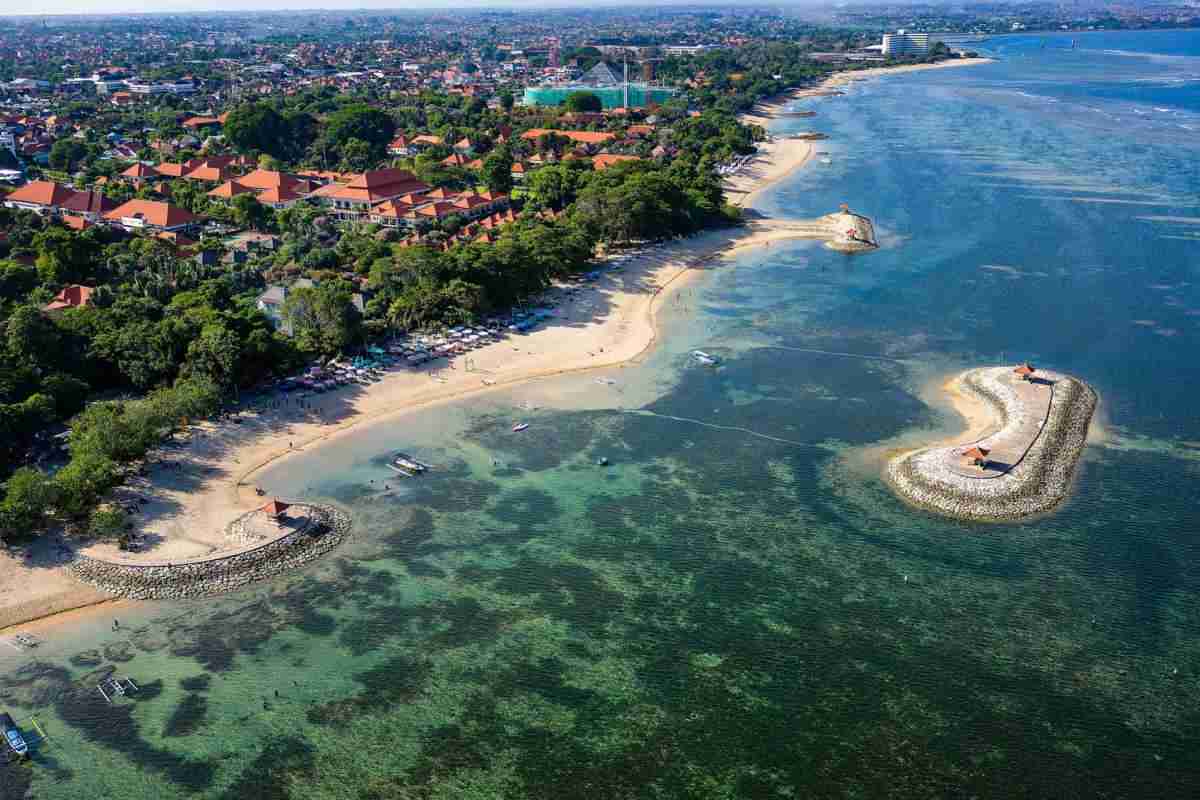
Sanur: Then, Now, and a Little Bit Later
We drove down the coast yesterday from Amed to Sanur. Not a long trip on paper, but this is Bali. The roads along the east coast aren’t what you’d call freeways — more like a string of potholes and ceremony processions stitched together by asphalt. Time slows down, which in itself isn’t such a bad thing. Three hours later, we arrived at Casa de Sassi, where we’ll stay for the next three nights before heading back to our home in Penestanan on Saturday.
Coming into Sanur after a few days in Amed is a bit like driving from the Otways into inner Melbourne. Amed was still, quiet, elemental. Sanur feels bright, layered, almost metropolitan — at least by Bali’s standards. The signage is bolder, the buildings higher, and the air carries a whiff of city breeze. But somehow, it still manages to feel relaxed — like someone who’s well-dressed but barefoot.
I’ve written before about coming to Sanur in 1983 with Paul and Allissa. Truth be told, I don’t have strong memories from that trip. Nothing like the vivid mental snapshots I carry from Ubud or even Kuta. Maybe we didn’t take photos, or maybe it was just a quieter time. Whatever the reason, Sanur didn’t etch itself into my memory then, but it did plant a seed.
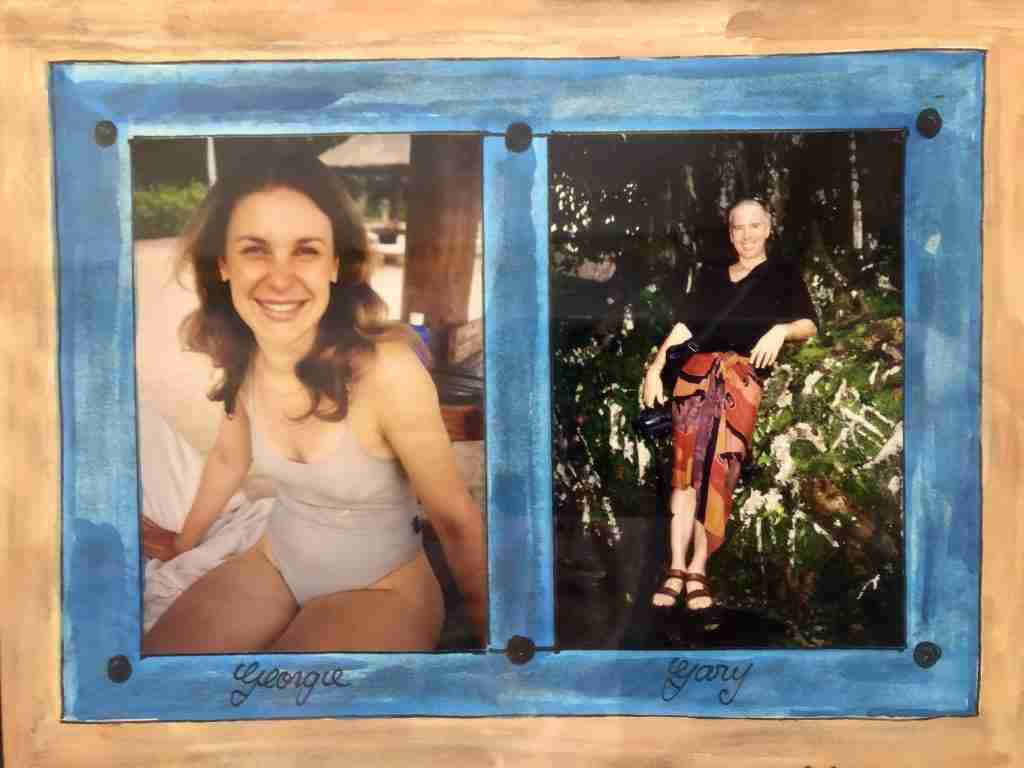
It wasn’t until the late 1990s that the place really landed for me. Georgie and I would drive down early in the mornings from Taman Bebek in Sayan, sneak swims in the gentle sea, and sip coffee at Tanjung Sari. We were like kids skipping school — a bit naughty, very much in love with the moment. Tanjung Sari was — and still is — one of those old-world Bali places that doesn’t need to try. Carved stone, shady frangipani, the smell of sea salt and incense. Understated and perfect. It’s said Mick Jagger stayed there once, and I can believe it. Sanur was never about the scene. It was about the rhythm.
That rhythm drew artists too. Adrien-Jean Le Mayeur arrived in the 1930s, fell for a Legong dancer named Ni Pollok, and built a life — and home — on the beach. That house still stands as the Le Mayeur Museum, its faded canvases and tropical hush quietly paying tribute to a very different Bali. Later, Donald Friend came to live nearby in Ketewel, bringing with him both brilliance and controversy, his diaries and watercolours helping build the foundations of Bali’s expat mythology.
Sanur has long been a haven for the quieter types. It was one of the first tourist areas in Bali, long before Canggu figured out how to make a flat white. In the 1960s and 70s, it was where the early jetsetters came to hide out — long stays at beachfront hotels, dinner parties, a slow drift into island life.
And yet, Sanur never sold out. It developed, yes. There are supermarkets now, scooters, modern villas, and spas. But it still feels like the grown-up side of Bali. More linen shirts than crop tops, more conversations than selfies.
We took a walk soon after arriving yesterday and ended up at Batujimbar Café for dinner. A solid choice — leafy, unpretentious, and with enough variety that I could stick loosely to my keto-ish tendencies. I ordered the oxtail soup, which hit the spot after days of fish, fish soup, and a few indulgent handfuls of salted raw cashews that tasted like Lindt chocolate to my depleted taste buds.
Sanur’s present is beginning to shift in interesting ways. ICON BALI, the luxury beachfront shopping centre that opened recently, has brought a touch of Singapore-meets-Paris into the mix. High-end boutiques, galleries, and dining — slick but not soulless. And just down the road, construction is underway for a new international hospital, which is expected to elevate Sanur’s status even further, especially for long-term expats and wellness-seeking travellers.
Despite the growth, there’s still space to breathe here. The beach path is long and gentle, perfect for slow walks or lazy morning rides. You’ll find older couples holding hands, joggers pacing themselves in the humid air, and cafes where time seems to pause for just long enough.
If you’re passing through, or even considering staying a while, here are a few spots worth checking out:
Tanjung Sari – For a coffee with a touch of old-Bali charm. You don’t need to stay there to appreciate the setting.
Batujimbar Café – Consistently good food, lots of leafy shade, and a mix of locals and expats.
Soul on the Beach – A beachfront café with great atmosphere for breakfast or sunset drinks.
Massimo – Italian food, famous gelato. Popular for a reason.
Warung Kecil – Simple, healthy, local eats. Perfect for lunch after a walk.
So yes, we’re back in Sanur — older, slightly wiser, and still seduced by the easy familiarity of the place. I don’t need to search for memories anymore. I just let them come, like the tide. And as it turns out, Sanur is still the kind of place where you can just let yourself be.
And these days, that’s more than enough.