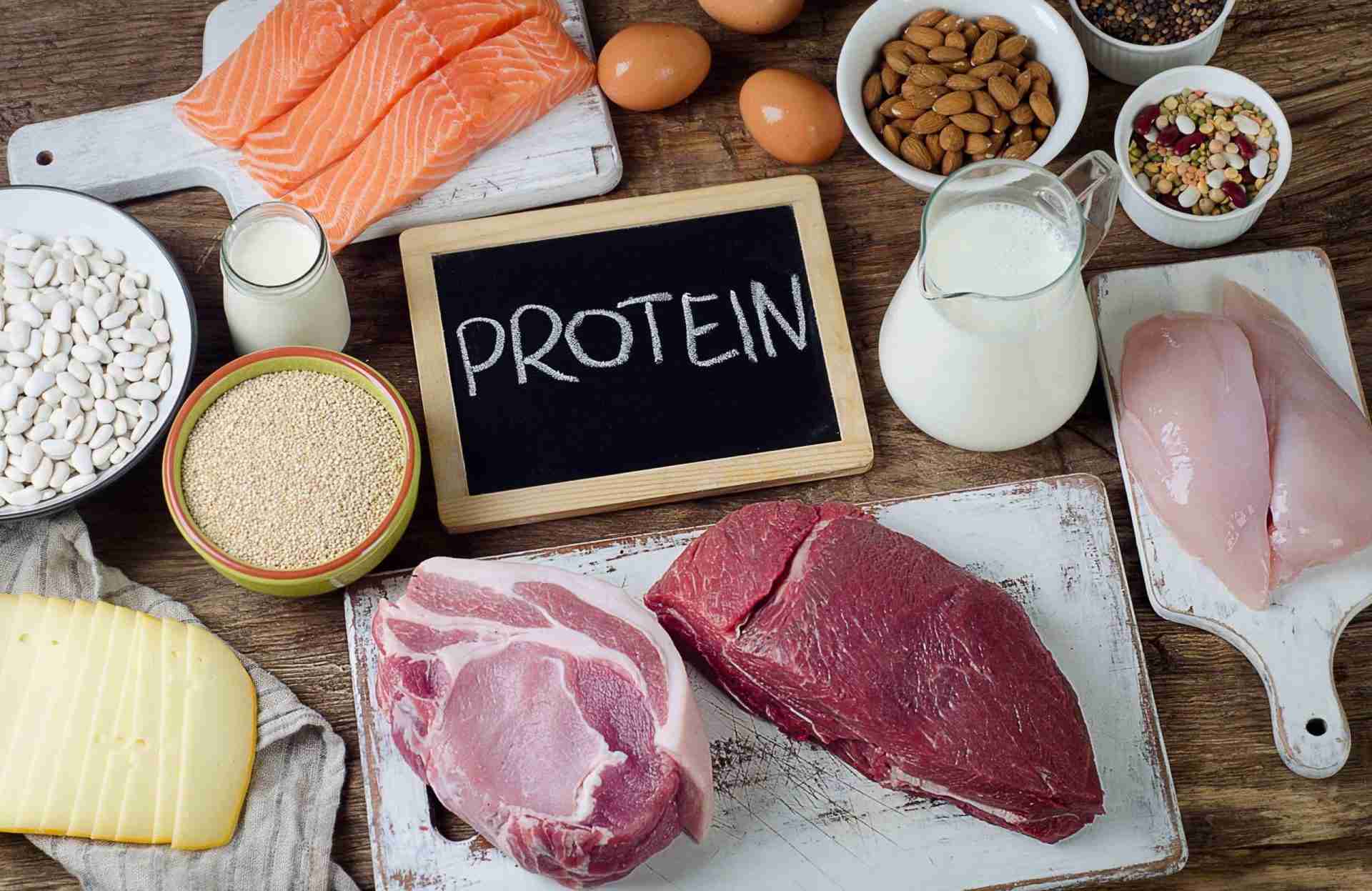
Protein: The Nutrient I Ignored for 50 Years
A Vegetarian’s Journey Through the Protein Desert
Between the ages of 19 and 69, I didn’t eat nearly enough protein. I was a well-meaning vegetarian, juicing evangelist, root-veg curry lover — and I genuinely believed I was eating clean, healthy, and compassionately. But looking back, it’s hard not to feel a mix of regret and amazement.
I didn’t even know what a macronutrient was. My meals were low in fat, high in carbs, and lacking in one crucial macronutrient: protein. In the 90s, I drank litres of carrot and apple juice each week, blissfully unaware of the glucose overload I was dumping into my system. I wasn’t eating meat, rarely ate fish or eggs, and the little protein I consumed was incomplete — missing key amino acids my body needed to grow, repair, and thrive.
What Is Protein (And Why Should You Care?)
Protein is one of the three essential macronutrients (the others being fats and carbs). It’s made up of amino acids, which are the raw materials your body uses to:
Build and repair tissue (muscles, skin, organs)
Synthesize enzymes and hormones
Maintain immune function
Support neurotransmitter balance and brain health
When you eat protein, your body breaks it down into amino acids — kind of like Lego blocks — and then reassembles them into whatever it needs.
The Essential Amino Acids
Out of the 20 amino acids your body uses, nine are essential, meaning you must get them from food:
Histidine
Isoleucine
Leucine
Lysine
Methionine
Phenylalanine
Threonine
Tryptophan
Valine
Foods that contain all nine are called complete proteins — think steak, eggs, fish, chicken, and dairy. Most plant proteins are incomplete, which is why vegetarians need to combine different sources (e.g. rice + beans) to get the full spectrum.
What Are BCAAs and Why Do They Matter?
Among the essential amino acids, three stand out as branched-chain amino acids (BCAAs): Leucine, Isoleucine, and Valine. These are especially important for muscle growth, recovery, and energy metabolism.
Leucine is the key trigger for muscle protein synthesis — the process that builds new muscle tissue.
Isoleucine plays a role in energy regulation and blood sugar control.
Valine supports muscle endurance and tissue repair.
BCAAs are found in high-quality animal proteins, especially meat, eggs, and whey protein.
What About Whey Protein?
Whey protein — a byproduct of cheese production — is one of the best sources of complete protein. It’s rich in leucine, rapidly absorbed, and has a high biological value, meaning your body can use it very efficiently.
Whey protein is particularly useful for:
Supporting muscle maintenance and growth in older adults
Providing a convenient post-workout recovery option
Helping meet daily protein targets when appetite or time is limited
If you tolerate dairy, whey protein isolate or concentrate can be a valuable addition to your diet — especially if you’re trying to rebuild lost muscle mass, as I have been.
What If You’re Vegan?
Getting enough complete protein on a vegan diet is possible, but requires more planning.
Some strategies include:
Combining complementary proteins: like rice + beans, hummus + whole grain pita, or lentils + quinoa
Using vegan protein powders made from pea, rice, soy, or hemp
Eating a wide variety of plant foods to ensure you’re getting all essential amino acids over the course of the day
Soy is one of the few plant proteins that is complete, though its hormonal effects are still debated in some circles. Pea and rice protein powders, when combined, can also form a complete amino acid profile.
What Happens When You Don’t Eat Enough Protein?
Let’s just say… I found out the hard way.
For decades, I struggled with:
Afternoon crashes
Brain fog
Cravings and snacking addiction
Weak muscles
Blood sugar instability
Eventually: Metabolic syndrome and hyperinsulinemia
In hindsight, it’s no wonder. Protein helps stabilize blood sugar, reduce hunger hormones like ghrelin, and support lean muscle mass. Without it, the whole system slowly unravels.
Protein and Aging: Why It Matters More After 50
As we age, our ability to synthesize protein declines — a phenomenon known as anabolic resistance. This means older adults need more protein, not less, to maintain muscle mass, strength, and overall health.
Here’s where Dr. Donald Layman’s work comes in. Layman, a respected protein researcher, suggests that:
Older adults should aim for 1.6–2.2 grams of protein per kilogram of LEAN body mass per day
(not total body weight — lean mass!)
This often translates to 100–140 grams of protein per day for most healthy older individuals. And Layman emphasizes the importance of leucine, one of the BCAAs, as a key trigger for muscle protein synthesis.
Layman’s Key Findings:
Muscle growth is maximized when meals contain at least 2.5g of leucine (found in about 30g of complete protein)
Consuming 30–40g of protein per meal, spread across 3 meals, is better than nibbling small amounts throughout the day
Protein intake is especially important when paired with resistance training
Do You Have to Hit Your Protein Target Every Day?
While your body is remarkably adaptable, consistency matters.
Eating far too little protein for several days in a row can:
Impair muscle maintenance
Reduce energy
Increase hunger and cravings
Weaken your immune system over time
It’s okay to miss your target occasionally, but yo-yoing between protein overload and restriction is less ideal than maintaining a steady intake. Think of it like watering a plant — one big flood followed by drought isn’t nearly as effective as consistent hydration.
The sweet spot is hitting your daily needs most days, distributed fairly evenly across meals.
Can You Repair the Past?
I often ask myself: “Can I undo decades of low-protein, high-carb living?”
The answer is: yes — to a degree.
Muscle tissue can be rebuilt. Mitochondrial health can improve. Neurotransmitters can rebalance. But it takes time, effort, and the right fuel.
Now, I focus on:
High-quality protein (grass-fed beef, eggs, fish)
Resistance training four times a week
Keto or low-carb eating to control insulin
Supplements like creatine, BCAAs, and collagen to support repair
The Keto Protein Conundrum
Here’s the twist: when I had cancer, I deliberately reduced my protein intake — to around 60 grams a day — because of concerns about stimulating mTOR and IGF-1, which can theoretically promote cancer growth in some settings. Many therapeutic ketogenic protocols recommend low protein for this reason.
But now, in recovery and focused on longevity, I’ve slowly shifted back toward higher protein. It’s a balancing act: enough to maintain and build muscle, but not so much that it knocks me out of ketosis or spikes insulin unnecessarily.
Can Too Much Protein Turn Into Sugar?
Yes — kind of. Through a process called gluconeogenesis, your body can convert excess protein into glucose. But in most people, this is a slow and regulated process, not a metabolic emergency.
The takeaway? If you’re eating moderate protein, low carb, and doing resistance training, your body will likely use that protein for repair and muscle, not fat storage.
Protein Deficiencies and Micronutrients
Low protein diets can also mean low intake of key micronutrients:
Vitamin B12
Iron (heme)
Zinc
Choline
Creatine
Taurine
Carnosine
These are critical for energy, brain function, immunity, and muscle repair — and many are only found in meaningful amounts in animal-based proteins.
Final Thoughts: From Protein Deficit to Protein Discipline
If you’ve spent years — or decades — under-eating protein like I did, don’t despair. It’s never too late to rewire your body.
The first step? Respect protein. See it not as just food, but as a signal — telling your body to grow, repair, and thrive.
Whether you’re recovering from illness, trying to avoid frailty, or just want to walk a little stronger into your 80s and 90s — make sure protein leads the way.