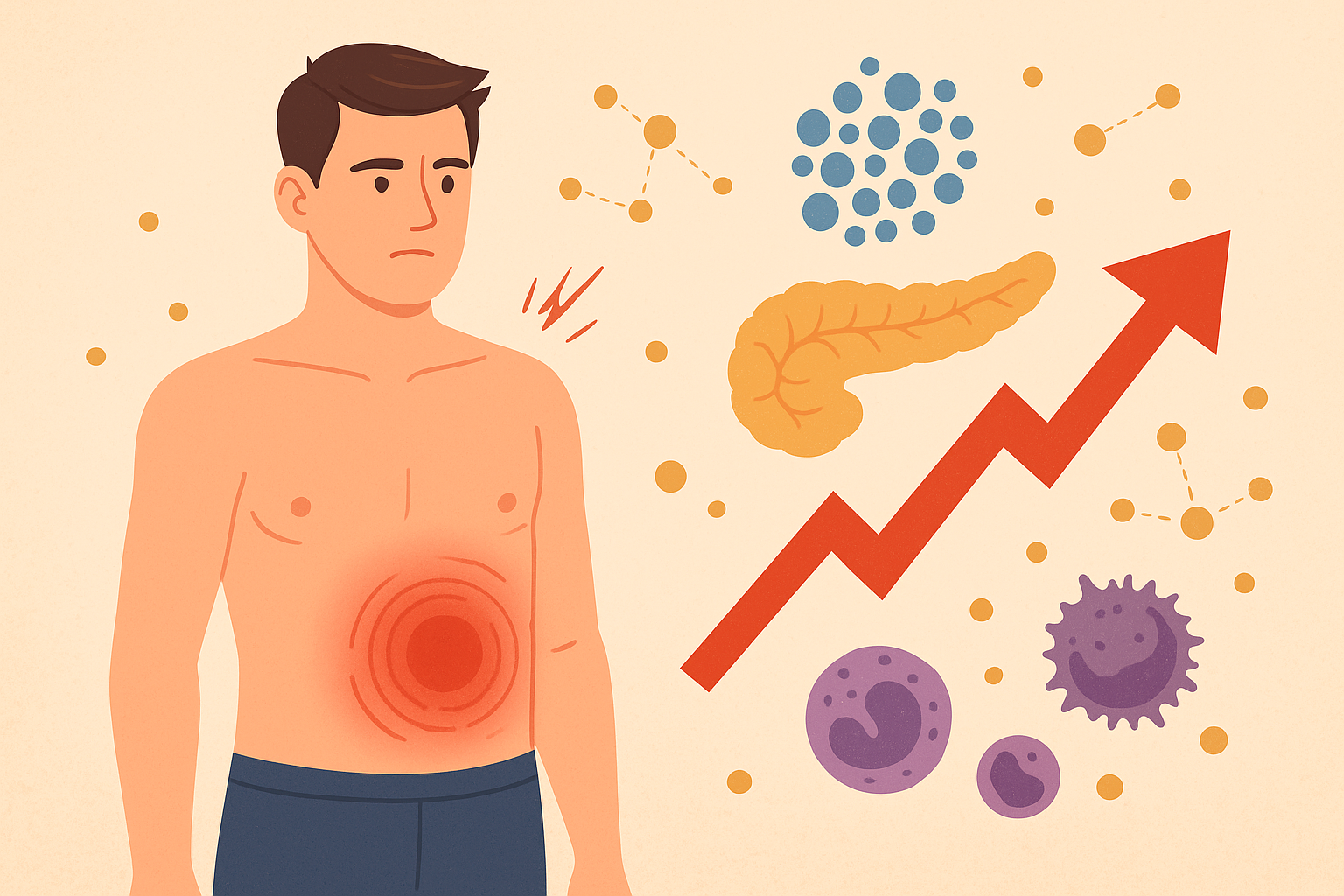
Insulin Resistance: A Protective Force in Times of Stress and Recovery
Introduction For years, I saw insulin resistance as a metabolic villain—a hallmark of pre-diabetes, a signal of dietary failure, a consequence of poor lifestyle choices. But after undergoing hernia surgery recently, something shifted. Despite eating clean, staying low-carb, and fasting overnight, my morning blood glucose spiked to 6.4, sometimes even 6.7. My ketones all but vanished. And instead of panicking, I paused.
Could this state of insulin resistance be protective? Could the body, in its wisdom, be orchestrating a temporary shift to manage inflammation, support tissue repair, and defend against stress?
As it turns out, yes. And the science backs it up.
Insulin Resistance: The Usual Narrative In most health circles, insulin resistance is demonised—and often rightly so. It underlies metabolic syndrome, obesity, Type 2 diabetes, and a cascade of chronic inflammatory conditions. It impairs glucose uptake, overloads the liver, and over time, damages blood vessels and nerves.
But like many biological responses, context matters.
Acute Insulin Resistance: A Survival Mechanism When the body is under physical stress—be it from trauma, surgery, infection, or intense inflammation—a fascinating thing happens: tissues become temporarily insulin resistant. This shift is not a malfunction. It’s an adaptation.
Here’s what happens:
Stress hormones surge – Cortisol, adrenaline, and inflammatory cytokines flood the system.
The liver ramps up gluconeogenesis – More glucose is produced to fuel immune cells and repair processes.
Muscle and fat cells reduce glucose uptake – They “step back” to prioritise glucose for white blood cells, fibroblasts, and other healing agents.
Fat metabolism is suppressed – As inflammation rises, ketone production drops.
This is called stress-induced insulin resistance, and it may actually help the immune system work more effectively during acute illness or injury.
The Immune System Runs on Glucose White blood cells, especially neutrophils and macrophages, rely heavily on glucose for energy. During injury or infection, the body shifts its fuel priorities. Instead of favouring muscle or fat metabolism, it diverts glucose to immune responses and wound repair.
This is why, after surgery or during illness, blood sugar rises even when food intake is low. The body is “hardwired” to raise glucose in emergencies.
The Dawn Effect and Ancestral Logic The dawn phenomenon is another piece of this puzzle. In the early hours of the morning, cortisol and growth hormone naturally spike—preparing the body for action. This raises blood sugar and contributes to early-morning insulin resistance.
Ancestrally, this made sense. In a world without breakfast on demand, the body ensured a steady glucose supply to the brain and muscles to start the day—even if no food was available.
Reframing Insulin Resistance What if insulin resistance isn’t always a sign of breakdown? What if, in certain contexts, it’s an intelligent, reversible adaptation?
After surgery, during fasting, or when facing infection, temporary insulin resistance may:
Conserve glucose for immune cells
Reduce energy expenditure in muscle
Increase antioxidant defence
Help coordinate hormonal recovery
In other words, it may be a strategic retreat that protects the body while it heals.
When It Becomes a Problem Chronic insulin resistance is still harmful. If the stress state lingers—from unresolved inflammation, persistent poor diet, or long-term inactivity—what was once adaptive becomes pathological.
But in acute settings, like the days following surgery or trauma, it might be exactly what the body needs.
Going with the Flow So yes, I had two punnets of raspberries yesterday. My ketones were at rock bottom. But my immune system feels alert. My body, though inflamed, feels like it’s working hard in the right direction. And I’m not going to fight it.
Insulin resistance might still be a red flag in some cases. But this week, for me, it’s a signal that my body is doing what it needs to do.
Closing Thoughts Healing is complex. The body doesn’t always prioritise fat burning or low glucose when it’s busy repairing tissue, fighting inflammation, or rebounding from anaesthetic. Sometimes, the metabolic detour is part of the journey.
If you’re recovering from surgery or stress and notice your glucose creeping up, pause before you panic. Your body might be protecting you.